AR Glasses in the Workplace: Boosting Productivity and Collaboration
2 March 2026
Let’s imagine a workplace where instead of flipping between five browser tabs, squinting at reports, or juggling your phone during meetings, you simply look at something and see the answers, instructions, or notes floating in your field of vision.
Sounds like science fiction? Not anymore.
Augmented Reality (AR) glasses are slowly but surely creeping into our workspaces—and they’re kind of a game-changer. Whether it’s in factories, hospitals, boardrooms, or out in the field, AR is adding a techy layer to reality that’s making work more efficient, more collaborative, and dare we say, cooler.
Let’s dive into how AR glasses are revolutionizing productivity and teamwork in the modern workplace.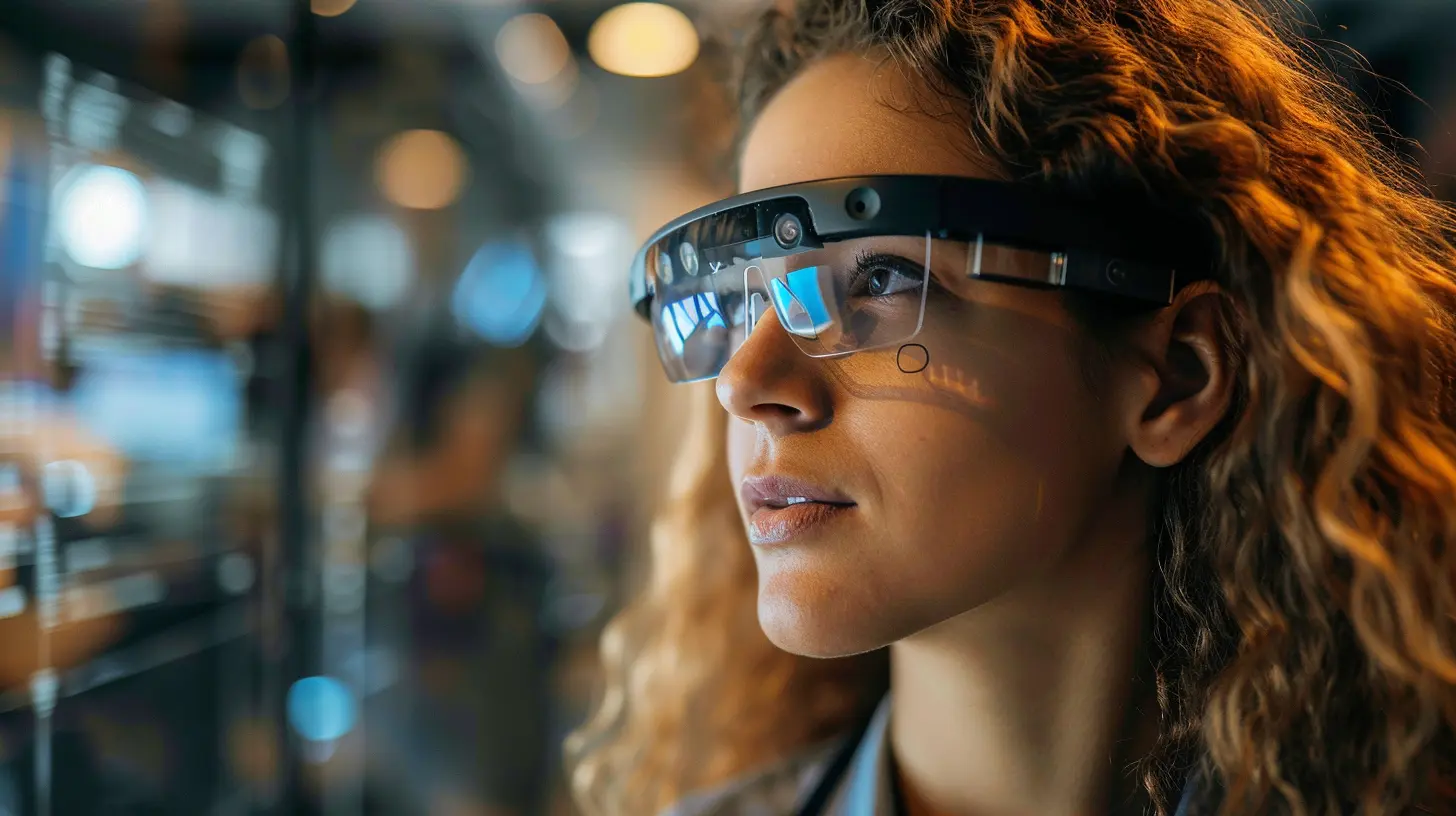
What Exactly Are AR Glasses?
Okay, first things first. Let’s clear up any confusion.AR glasses (or smart glasses) are wearable tech—not too different from your regular eyeglasses—but with a layer of digital magic. These glasses overlay computer-generated information—like text, 3D images, or animations—onto the real world. Unlike VR (virtual reality), which immerses you in a whole new digital world, AR keeps you grounded in your environment but adds useful info right in your line of sight.
Think of them as the high-tech cousin of your smartphone—always ready to assist, but hands-free and more immersive.
Why Should We Care About AR in the Workplace?
Good question. We hear a lot about AI, IoT, and blockchain, but AR often flies under the radar. Here’s the thing—AR glasses aren’t just flashy tech toys. They solve real-world problems:- Need hands-free instructions while fixing a machine? AR has your back.
- Want to train new employees faster and better? AR can guide them every step.
- Trying to collaborate with a colleague miles away? AR helps them see what you see.
The benefits stack up quickly when you see how AR fits into daily operations.
How AR Glasses Are Boosting Workplace Productivity
Let’s cut to the chase—how exactly are AR glasses making us more productive?1. Hands-Free Access to Information
Imagine you're a technician repairing a jet engine. Normally, you'd juggle a clipboard, a manual, and greasy hands. But with AR glasses, everything you need—blueprints, checklists, instructions—can be superimposed right in front of your eyes.No wasted motion, no flipping pages. Just smooth, uninterrupted workflows.
2. Faster and Smarter Onboarding
Remember your first week at a new job? Awkward, confusing, and filled with PowerPoints? AR glasses are changing that game.New hires can wear AR glasses and get real-time guidance. Need to know which button to press on that complex-looking equipment? The glasses highlight it. Not sure how to navigate the warehouse? Arrows on the floor show the path.
It’s like having a personal trainer, but for your job.
3. Real-Time Data Visualization
In fields like logistics, manufacturing, or medicine, quick access to accurate data is critical. AR glasses can beam live stats directly into your sight—like patient vitals, machine performance, or delivery status.It’s like having your dashboard follow you around instead of being stuck on a screen.
4. Remote Support Like Never Before
Say you’re out in the field and hit a snag. Instead of describing the issue over a choppy call or emailing blurry pictures, you just start a live AR session. The expert on the other end sees everything you see—and can even draw or highlight things in your view.It’s screen sharing… but for real life.
5. Reducing Mistakes and Downtime
When you’re not second-guessing steps or misreading instructions, you make fewer mistakes. That’s exactly what AR glasses help with—by giving clear, contextual information when it's needed most.Fewer mistakes = less downtime = more $$$ saved.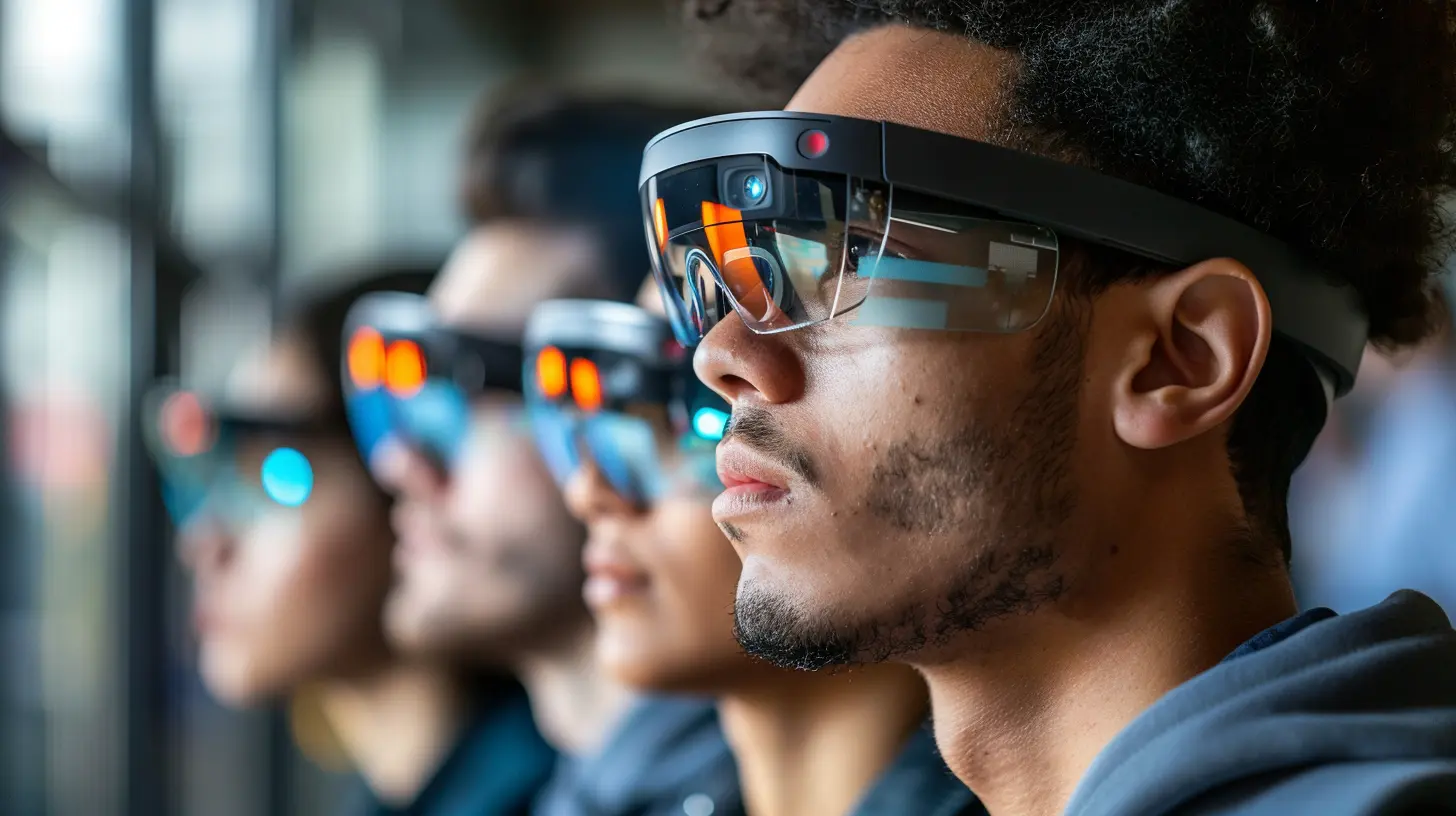
Say Hello to a More Collaborative Workplace
Teamwork makes the dream work, right? Well, AR glasses are supercharging that idea.1. Virtual Collaboration Made Real
Working with remote teams? AR turns standard video calls into something way more dynamic. Instead of flipping cams or sharing screens, you’re sharing perspectives—literally.Remote team members can interact with your environment, suggest changes, and even leave virtual notes.
2. Bridging Language Barriers
Some AR glasses come with real-time translation features. Imagine pointing at a machine labeled in Japanese and instantly seeing the English version. That’s a big win for global teams working across borders.3. Enhanced Brainstorming and Design
In creative industries—architecture, design, product development—AR glasses let teams visualize 3D models right in the room, walk around them, and make changes collaboratively.It’s like building with digital LEGO in mid-air.
Industries Already Embracing AR Glasses
You might be wondering: Is anyone actually using this stuff?Oh yes. In fact, several industries are already way ahead of the curve.
Manufacturing
From assembly lines to quality inspection, AR improves accuracy and helps workers follow complex procedures without stopping to check manuals.Healthcare
Surgeons use AR glasses to get real-time data during operations. Paramedics use them to connect with ER doctors while still on-site. Less guesswork, more precision.Logistics and Warehousing
Pick-and-pack operations get a serious boost with AR. Workers can see optimized routes, barcode info, and item locations without ever touching a tablet.Field Service and Maintenance
Whether it’s fixing telecom towers or maintaining HVAC units, field technicians use AR to get real-time support and cut down on guesswork—and travel time.Construction and Architecture
Blueprint overlays, safety alerts, and remote site inspections are just some of the ways AR is transforming how buildings go up and stay up.Challenges? Of Course. But Worth It.
Let’s not pretend everything’s sunshine and rainbows. AR glasses come with their own set of hiccups.- Price Tag: High-end AR devices can be pretty expensive—though prices are dropping fast.
- Privacy Concerns: What happens when your glasses are recording everything? People get nervous (understandably so).
- Tech Fatigue: Not everyone wants to wear something on their face all day.
- Training Curve: There's a learning curve with any new tech, and AR glasses are no exception.
But here’s the upside—tech is improving fast. Devices are becoming lighter, cheaper, and more user-friendly. And the productivity gains? They’re hard to ignore.
The Future Looks... Augmented
So, where are things headed?We're not saying AR glasses will be as common as smartphones next year, but we’re definitely moving in that direction. Big players like Microsoft (HoloLens), Magic Leap, Vuzix, and even Apple are pushing boundaries.
And as 5G, AI, and IoT continue to evolve, AR glasses will become even more powerful—streaming data quicker, integrating with smart systems, and offering super personalized insights.
The workplace of tomorrow? It’ll be part office, part Iron Man suit.
How to Start Integrating AR Glasses into Your Workplace
Ready to explore AR for your team? Here's a quick roadmap:1. Identify the Use Cases: Where are the bottlenecks? What processes need better accuracy or real-time data?
2. Pilot Programs: Start small. Test AR glasses in one department before a company-wide rollout.
3. Train Employees: Invest in proper training. Excitement fades if team members don’t know how to use the tech.
4. Choose the Right Hardware: Not all AR glasses are created equal—some work better outdoors, others for office work.
5. Think Long-term: AR is not a one-off gimmick. Think about how it fits into your 3-5 year digital strategy.
Final Thoughts
AR glasses in the workplace aren’t just about looking futuristic—they’re about working smarter.They offer real-time insights, cut down errors, improve training, and make collaboration more natural. For industries under pressure to move faster and do more with less, AR glasses are like a secret productivity weapon.
Will they replace laptops or smartphones tomorrow? Probably not. But will they become a critical piece of your work toolkit? All signs point to yes.
So next time someone at work puts on a pair of "futuristic goggles", don’t laugh. They just might be ahead of the curve—and working three times faster than you.
all images in this post were generated using AI tools
Category:
Ar GlassesAuthor:

Gabriel Sullivan
Discussion
rate this article
2 comments
Talis Hardy
AR glasses at work: finally, a way to ignore your coworkers while pretending to look productive! Where’s my virtual coffee?
March 31, 2026 at 11:53 AM
Gabriel Sullivan
While AR glasses can enhance productivity, they are designed to foster collaboration, not isolation. Finding the right balance is key!
Xavier Watson
AR glasses have the potential to revolutionize workplace dynamics by enhancing productivity and collaboration, offering innovative solutions for real-time communication and task management in various industries.
March 2, 2026 at 12:20 PM
Gabriel Sullivan
Thank you for your insightful comment! Indeed, AR glasses hold great promise for transforming workplace dynamics through improved communication and enhanced collaborative efforts.