AR in Fashion: Merging the Physical and Digital Worlds of Style
6 March 2026
Fashion is no stranger to innovation. From the invention of the sewing machine to the rise of fast fashion, the industry has always been adaptable, forward-thinking, and, let’s face it, a little obsessed with the future. But the latest trend? It’s not a new fabric, a daring silhouette, or even a color palette. It’s something far more futuristic—Augmented Reality (AR).
That’s right. AR is no longer just a buzzword attached to video games or virtual filters on social media; it’s making waves in the world of fashion. And no, we're not talking about those gimmicky virtual try-ons that barely match your real-world experience. We’re talking about a full-on merging of the physical and digital worlds, blurring the lines between what’s real and what’s virtual in ways you never imagined.
So, if you're curious about how AR is reshaping the fashion industry, buckle up. This is one tech trend you don’t want to miss!

What is AR in Fashion?
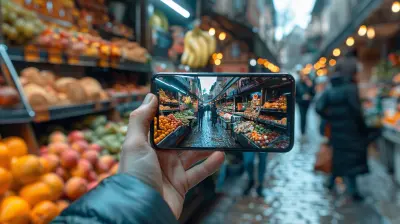
Before we dive too deep into how AR is being used in fashion, let’s get one thing straight: What exactly is AR? In simple terms, AR (Augmented Reality) is technology that overlays digital elements—like images, videos, or 3D models—onto the real world, usually through a device like your smartphone or AR glasses. Unlike Virtual Reality (VR), which immerses you in an entirely digital world, AR enhances your surroundings with virtual features.In fashion, AR serves as a bridge between the physical and digital realms. Imagine seeing how that jacket would look on you without even stepping into a fitting room or scrolling through a catalog where every piece of clothing comes to life in 3D. Sounds wild, right? But this isn’t the future; it’s happening right now.
The Evolution of AR in Fashion
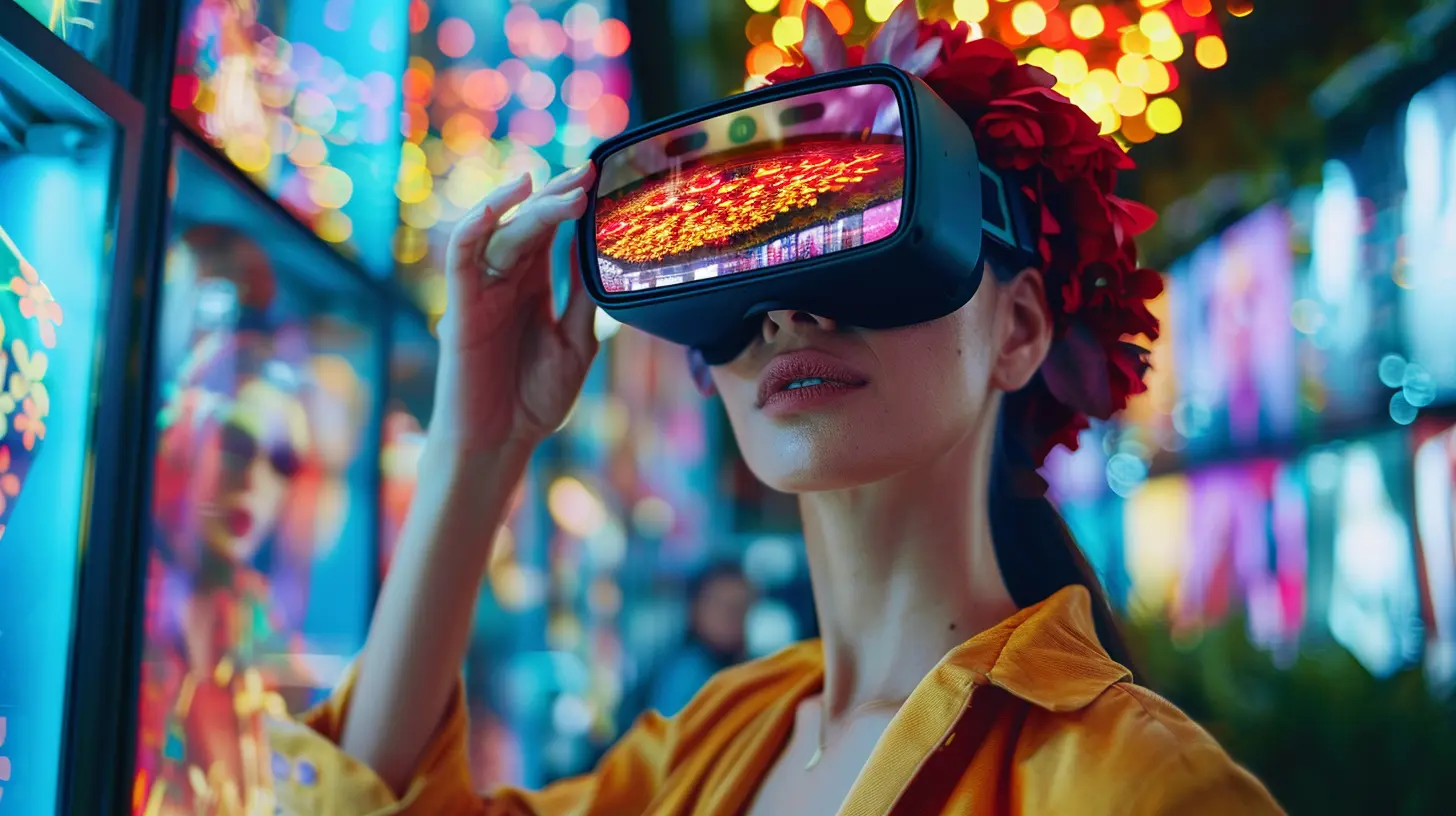
AR’s entrance into fashion didn’t happen overnight. It all started with simple virtual try-ons and Snapchat filters (who remembers trying on dog ears or flower crowns?). But as technology advanced, so did the applications.Brands started using AR to offer more realistic and interactive experiences. Some of the earliest adopters were, unsurprisingly, luxury fashion houses. They saw AR as a way to offer something exclusive and cutting-edge to their tech-savvy customers. But now, AR has trickled down to everything from fast fashion retailers to independent designers. It’s no longer just a gimmick; it’s a tool that’s shaping how we shop, dress, and even create fashion.
The First Step: Virtual Try-Ons
The most obvious and widespread use of AR in fashion has been virtual try-ons. Imagine this: You’re scrolling through an online store, eyeing a pair of sunglasses. Instead of guessing how they’ll look on your face, you use your phone’s camera to project a digital version of the glasses right onto your face in real-time. You can tilt your head, smile, frown—whatever—and see how they look from every angle.It eliminates the guesswork, reduces returns, and makes online shopping so much more convenient. And it’s not just limited to sunglasses. We’re talking shoes, jackets, dresses, and even makeup. Brands like Warby Parker, Gucci, and Sephora have already rolled out AR try-ons, and consumers are loving it.
Next Level: AR Fashion Shows
If you thought AR was just for try-ons, think again. AR is also transforming how we experience fashion shows. Fashion weeks are notorious for being exclusive events that only a select few can attend. But AR is democratizing fashion weeks by offering virtual runways.For example, during the pandemic, many designers turned to AR to showcase their collections. Viewers could "attend" the show via their smartphones or VR headsets, watching models strut down the runway in a digital environment. Some shows went a step further, allowing users to interact with the garments in real-time, rotating them, zooming in on the fabric, or even trying them on virtually.
It’s like sitting front-row at a fashion show—except, you know, without the hassle of traveling halfway across the world.
AR in Physical Stores
Even brick-and-mortar stores are getting in on the AR action. You walk into a store, and instead of sifting through racks of clothes, you use an AR mirror to browse the collection. You can swipe through different outfits, try them on virtually, and even see how they look under different lighting—all without stepping into a dressing room.Some stores are even using AR to offer personalized shopping experiences. Maybe you walk into a store, and an AR display pops up, showing you recommendations based on your previous purchases or style preferences. It feels almost like having your own personal stylist, minus the human interaction (which, let’s be honest, some of us could do without).
How AR is Reshaping the Design Process
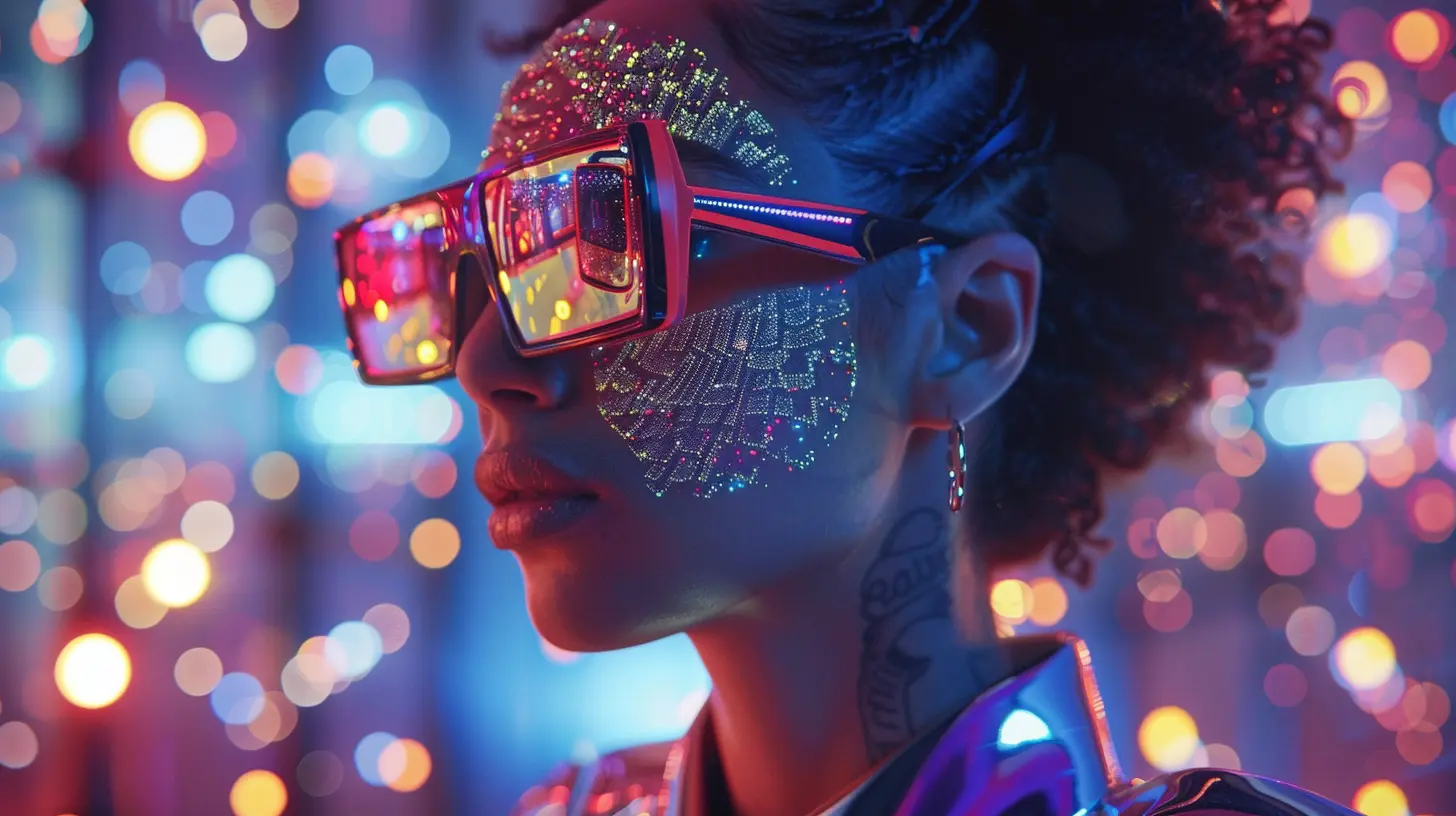
It’s not just consumers who are benefiting from AR. Designers are using the technology to streamline the design process, too. AR allows designers to visualize their creations in the real world before they ever cut a piece of fabric. They can create digital mock-ups of garments, see how they move, and even experiment with different materials—all without wasting any physical resources.This is huge, especially in an industry where sustainability is becoming increasingly important. By reducing waste and speeding up the design process, AR is helping designers create more eco-friendly collections.
Sustainability and AR: A Perfect Match
Speaking of sustainability, AR and fashion are a match made in heaven when it comes to reducing the industry’s environmental impact. Think about it: With AR, you don’t need to produce as many physical samples. Designers can create digital prototypes, make adjustments, and only produce the garments that are actually going to be sold.Plus, AR can help cut down on returns. Online returns are a massive issue in fashion, contributing to waste and carbon emissions. But with AR try-ons, customers are more likely to choose the right size and style the first time around. Fewer returns mean less waste, and that’s a win for everyone—especially the planet.
The Future of AR in Fashion
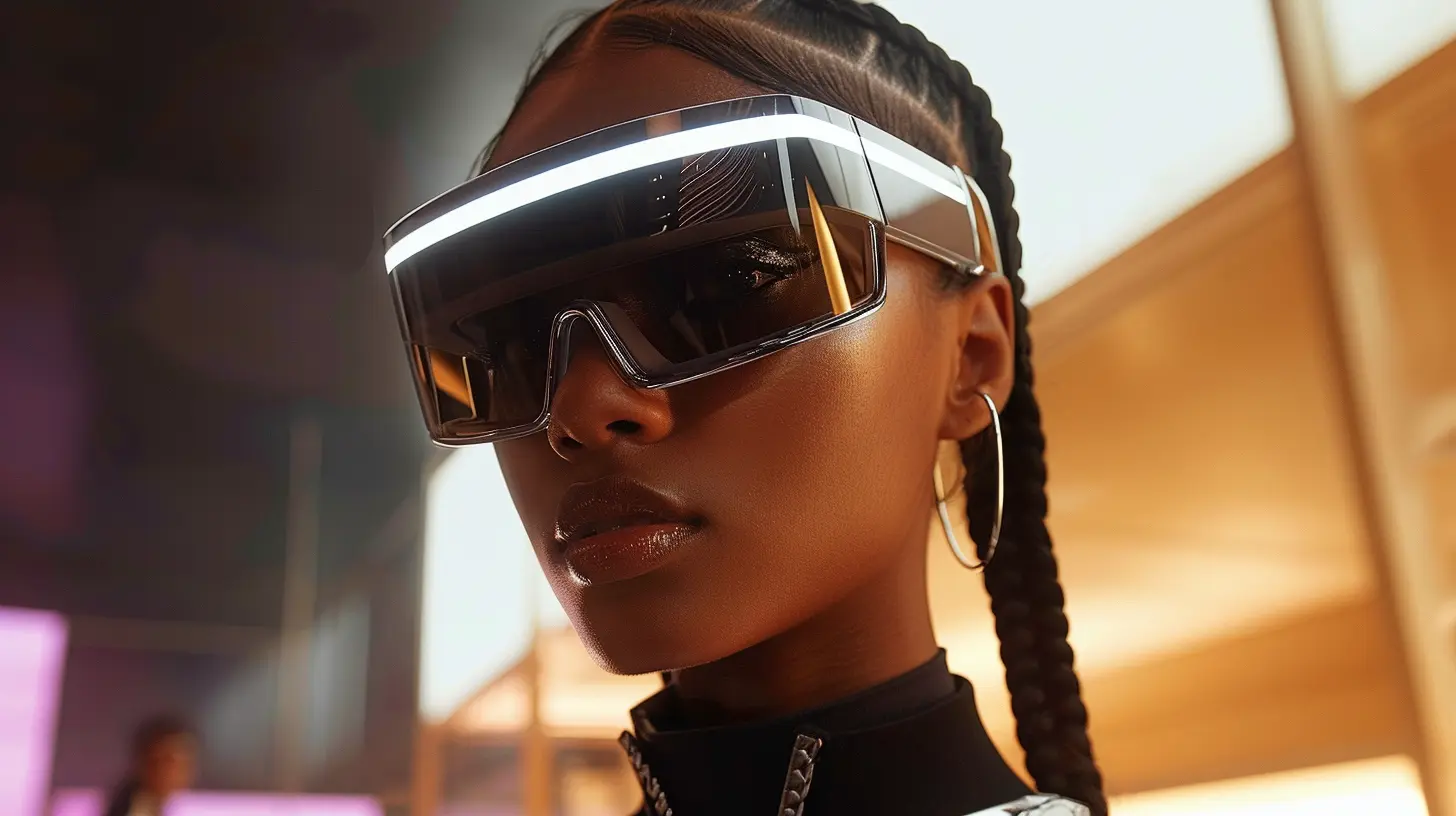
So, what’s next? AR in fashion is still in its early stages, but the potential is mind-blowing. Imagine walking down the street, and your AR glasses project digital clothing right onto the people around you. Or maybe you’ll attend a virtual pop-up shop where you can try on clothes, buy them, and have them delivered to your door—all without leaving your living room.We could also see AR being used for more personalized shopping experiences. Maybe your AR device will scan your body and recommend clothes that fit perfectly, reducing the need for alterations or returns. Or perhaps brands will use AR to offer limited-edition digital clothing that you can only wear in virtual environments, like social media or video games.
AR and Digital Fashion Collections
Oh, and let’s not forget digital fashion collections. We’re already seeing the rise of digital-only fashion, where designers create garments that exist purely in the digital world. You might not be able to wear them in real life, but they’re perfect for your social media posts or virtual avatars.Digital fashion is a sustainable option that cuts out the need for physical production entirely. And with AR, you could even project these digital garments onto yourself in real life, blending the physical and digital worlds of style in ways we’ve never seen before.
The Challenges of AR in Fashion
Of course, no technology is without its challenges, and AR is no exception. One of the biggest hurdles is accessibility. Not everyone has access to the high-end devices needed to fully experience AR fashion. While smartphones are becoming more advanced, AR glasses or headsets are still relatively niche products.Another challenge is the learning curve. While younger generations might be more comfortable with AR, older consumers might find it intimidating or unnecessary. Brands need to ensure that AR enhances the shopping experience without alienating part of their customer base.
Finally, there’s the issue of data privacy. AR technology often requires access to personal data—like body measurements or shopping history—which raises concerns about how that data is collected, stored, and used. Brands will need to be transparent and secure to avoid losing consumer trust.
Conclusion
AR in fashion isn’t just a passing trend—it’s a revolution. From virtual try-ons to digital fashion shows, AR is transforming how we shop, design, and experience fashion. It’s merging the physical and digital worlds in ways that feel like science fiction but are very much real.And while there are still challenges to overcome, the potential for AR in fashion is immense. Whether you’re a fashion enthusiast, a tech geek, or just someone who hates going to the mall, AR is something to be excited about. It’s making fashion more accessible, sustainable, and downright fun.
So, the next time you’re shopping online, remember: The future of fashion is just a click—or a swipe—away.
all images in this post were generated using AI tools
Category:
Augmented RealityAuthor:

Gabriel Sullivan
Discussion
rate this article
2 comments
Zevros Martinez
Who knew fashion could get a digital glow-up? With AR strutting down the runway, it’s like giving your wardrobe a high-tech makeover! Get ready to shop in style—your closet just got a fabulous upgrade! 🌟👗🕶️
April 4, 2026 at 4:07 AM
Gabriel Sullivan
Absolutely! The fusion of AR and fashion is revolutionizing our shopping experience, making style more interactive and personalized than ever before! 🌟
Shelby King
Welcome to the future, where your outfits can finally match your phone's wallpaper! AR in fashion is like having a personal stylist who’s also a magician—one minute you’re in jeans, the next you’re strutting in a virtual unicorn onesie. Fabulous!
March 6, 2026 at 1:55 PM
Gabriel Sullivan
Thank you! Excited to see how AR transforms fashion into a more personalized and imaginative experience! 🌟