Augmented Reality and the Future of Social Media Interaction
5 April 2026
Introduction
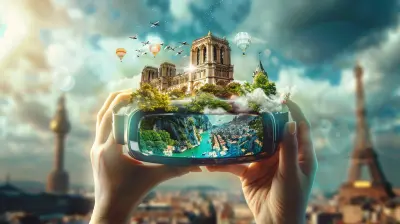
Imagine scrolling through your social media feed and instead of just looking at images and videos, you’re experiencing them in 3D—right in your living room. Sounds like something out of a sci-fi movie, right? Well, not for long! Augmented Reality (AR) is reshaping the way we interact with social media, adding a whole new dimension (literally) to our digital interactions.
From Snapchat's playful filters to Instagram’s AR effects, we’re already seeing glimpses of what’s possible. But we’re just scratching the surface. AR is poised to revolutionize social media by making interactions more immersive, engaging, and, in some cases, downright surreal. So, what does this mean for the future? Let’s dive in!
What is Augmented Reality (AR)?
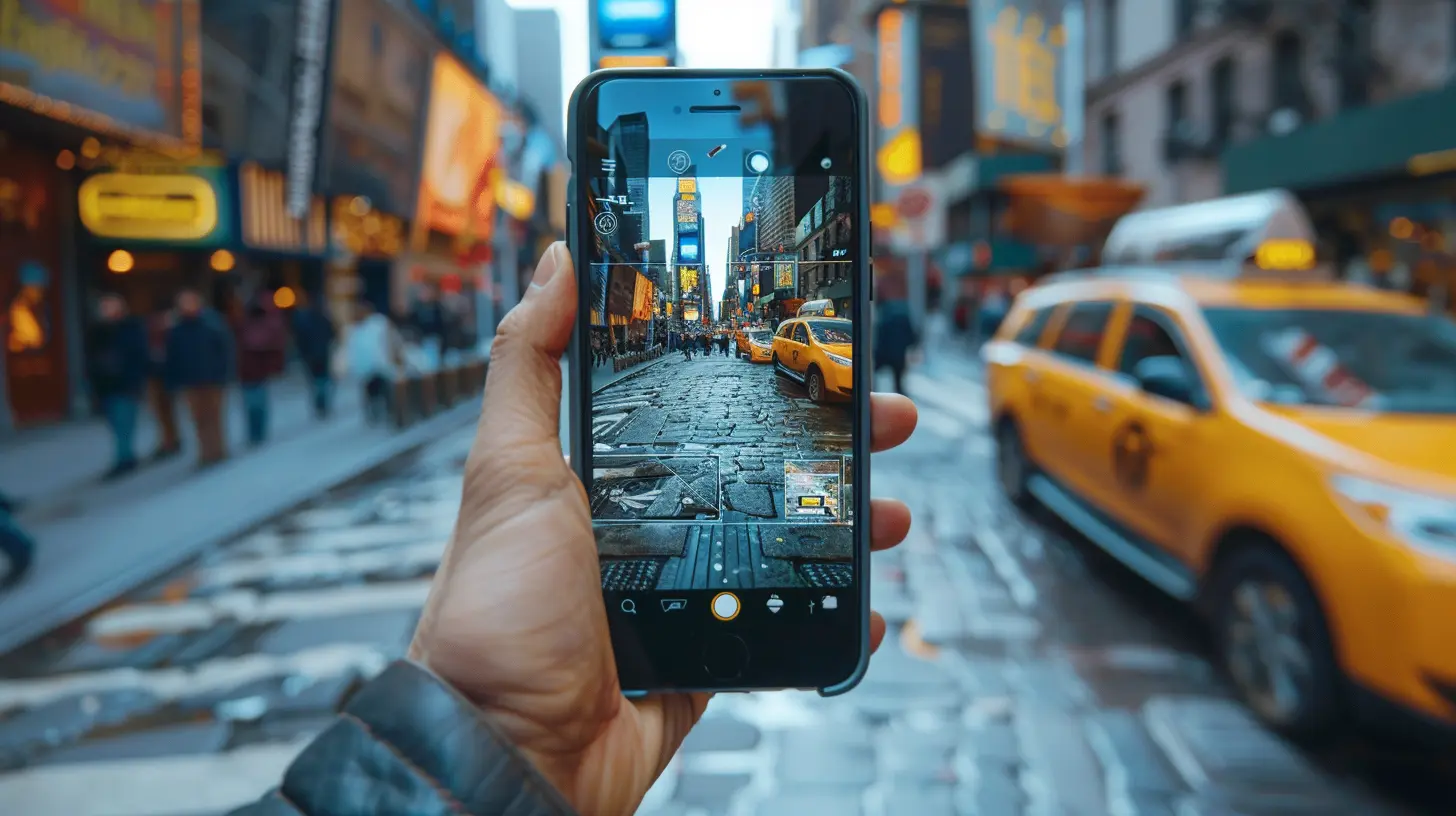
Before we break down how AR is shaping the future of social media, let’s quickly clarify what it actually is.AR overlays digital elements onto the real world through devices like smartphones, tablets, or even AR glasses. Unlike Virtual Reality (VR), which places users in a completely digital environment, AR enhances the real world by adding interactive digital features. Think Pokémon GO, where virtual creatures pop up in real locations through your phone’s camera—that’s AR in action!
Now, let’s talk about how AR and social media are becoming the ultimate power couple.
How AR is Transforming Social Media
Social media has always been about connection, engagement, and self-expression. AR is taking these elements to a whole new level. Here’s how:1. Enhanced Self-Expression with AR Filters & Effects
Remember when photo filters were all the rage? AR takes this to the next level. Snapchat and Instagram pioneered AR-powered filters, allowing users to transform their faces with animations, masks, and 3D elements. Whether it’s turning into a cute puppy or trying on virtual makeup, AR filters are changing how people express themselves online.Brands are also hopping on this trend. Beauty companies like L’Oréal and Sephora offer AR filters that let users virtually try on makeup. This not only enhances the user experience but also drives product sales.
2. AR Avatars and Digital Identities
As social media increasingly shifts towards the metaverse, digital avatars are becoming more common. Platforms like Snapchat and Meta (formerly Facebook) have introduced 3D avatars that allow users to create digital versions of themselves.With AR, these avatars can interact with real-world environments, making virtual identity more lifelike and engaging. In the future, we might even see AR-powered holograms of people appearing in our living rooms for video calls or live chats—think Star Wars-style holograms, but real!
3. Immersive Shopping and AR Commerce
E-commerce is thriving on social media, and AR is making online shopping feel more real than ever. Have you ever hesitated to buy something online because you weren’t sure how it would look in real life? AR solves this problem by allowing users to visualize products before purchasing.Platforms like Instagram and TikTok are integrating AR shopping experiences, where users can try on clothes, visualize furniture in their homes, or even test out new hair colors—all through their phone screens. This interactive shopping experience is revolutionizing social commerce by reducing purchasing skepticism and increasing buyer confidence.
4. AR-Powered Live Streaming
Live streaming is already a massive part of social media, but AR is making it even more engaging. Imagine watching your favorite influencer go live and seeing interactive AR elements pop up in real time—whether it’s 3D animations, real-time stats, or virtual gifts from fans.TikTok, YouTube, and Facebook are experimenting with AR-enhanced live streams where viewers can interact with virtual elements, making the experience feel more personal and immersive. It’s like stepping into the content rather than just watching it.
5. Location-Based AR Experiences
Geo-based AR features are bringing a new level of engagement to social media. Think about how Pokémon GO encouraged people to explore real-world locations to find digital Pokémon. This same concept is being applied to social media in creative ways.For example, Snapchat’s Landmarkers feature allows users to see digital animations overlaying famous landmarks, while Instagram is experimenting with AR experiences tied to specific locations. Brands and creators can use this to craft unique, location-based storytelling experiences that blend the digital and physical worlds.
6. AR in the Metaverse: The Next Social Media Frontier
The metaverse is the buzzword of the future, and AR is playing a crucial role in shaping it. Tech giants like Meta, Apple, and Google are investing heavily in AR-driven social experiences that will redefine how we connect online.Imagine walking into a virtual café in the metaverse where you can interact with friends as digital avatars, all while blending your real-world space with holographic elements. AR-powered glasses may soon replace smartphones as the primary device for accessing social media, bringing us closer to a hyper-connected reality.
Challenges and Concerns with AR in Social Media
With great technology comes great responsibility! While AR is opening up exciting possibilities, it also presents some challenges and concerns.1. Privacy Issues
AR requires access to cameras, location data, and sometimes facial recognition, raising serious privacy concerns. How much user data is being collected? And who has access to it?2. Digital Overload
With AR making digital content more immersive, there’s a risk of users becoming overly dependent on virtual interactions, potentially leading to more screen addiction and reduced real-world socialization.3. Misinformation and Deepfakes
AR could make misinformation even harder to detect. Deepfake technology, combined with AR, could create highly realistic but entirely fake digital content, making it difficult to trust what we see online.4. Accessibility and Cost
Not everyone has access to high-end AR-compatible devices. If social media becomes heavily AR-reliant, it could widen the digital divide between those who can afford the technology and those who cannot.
So, What’s Next?
AR isn’t just a passing trend—it’s becoming the backbone of the future social media experience. As technology advances, we’ll likely see:- Widespread adoption of AR glasses, replacing the need for phone screens.
- More interactive and personalized AR-driven content on social platforms.
- Growth in AR advertising, making ads more engaging and less intrusive.
- Integration of AR with AI to create hyper-personalized digital experiences.
As we move forward, one thing is certain—AR will continue to reshape social media as we know it, making interactions more immersive, authentic, and engaging. Whether that’s a good or bad thing depends on how we use it.
Conclusion
The fusion of Augmented Reality and social media is creating an exciting digital evolution. From AR filters to interactive shopping experiences and even a metaverse-driven future, the way we connect online is about to change forever.As users, creators, and businesses, it’s essential to embrace these changes while also being mindful of ethical concerns and privacy challenges. The future of social media isn’t just about looking at content—it’s about living in it. So, are you ready for the AR revolution?
all images in this post were generated using AI tools
Category:
Augmented RealityAuthor:

Gabriel Sullivan
Discussion
rate this article
2 comments
Issac Gibson
AR's potential for genuine connection is intriguing.
April 30, 2026 at 2:16 AM
Gabriel Sullivan
I agree. Augmented reality really opens up new ways for people to connect more personally and meaningfully. It's an exciting frontier.
Cooper McIntyre
This article offers a fascinating glimpse into the intersection of augmented reality and social media. It’s exciting to think about how this technology could enhance our interactions and connections. I’m looking forward to seeing where it leads us!
April 8, 2026 at 11:26 AM
Gabriel Sullivan
Thank you! I'm glad you found it fascinating. The potential of augmented reality in social media is indeed exciting, and I'm eager to see how it evolves too!