Best Practices for Securing Your Home Network from Cyber Threats
21 February 2026
In today's digital age, our homes are filled with smart devices—from smartphones and laptops to smart TVs, security cameras, and even refrigerators that send notifications. While convenient, this level of connectivity also makes us vulnerable to cyber threats. Hackers are always looking for weak spots, and your home network is no exception.
So, how do you ensure that your home network remains a fortress rather than a gateway for intruders? Let’s dive into the best practices to keep your digital life secure.
1. Change Default Router Credentials Immediately
Your router is like the front door to your home network. If you don't change the default admin credentials, it's like leaving a key under the doormat—too easy for hackers to find.What You Should Do:
- Log in to your router’s settings (usually at `192.168.1.1` or `192.168.0.1`).- Change both the default username and password. Use a strong, unique password.
- Enable multi-factor authentication (if supported).
Hackers often know the default credentials of various router models, so changing them immediately is a crucial first step.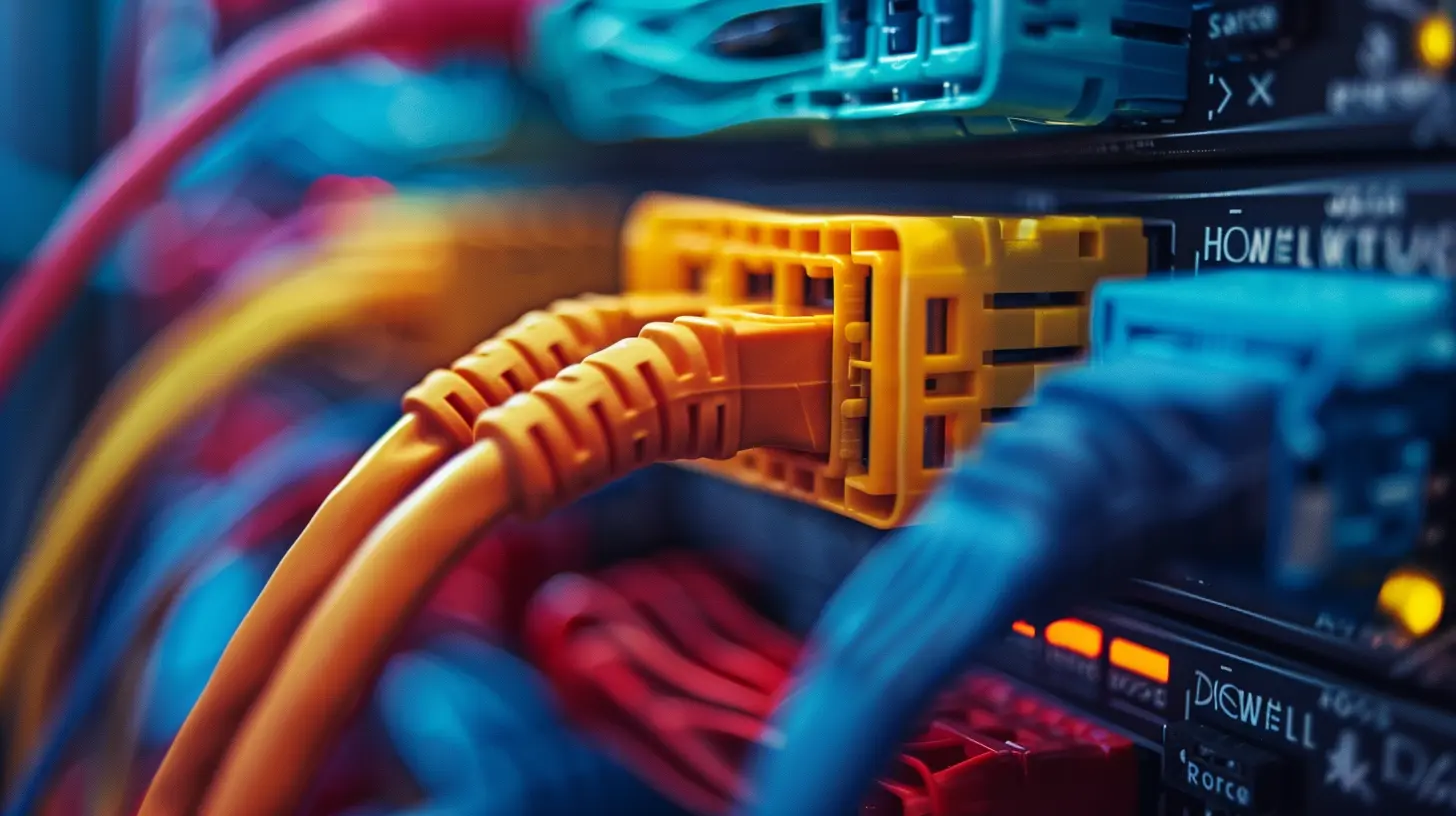
2. Use a Strong and Unique Wi-Fi Password
Think of your Wi-Fi password as the lock on your front door—it should be strong and hard to crack.Best Practices:
- Use a mix of uppercase and lowercase letters, numbers, and special characters.- Avoid common words or predictable phrases (e.g., `password123` or `homewifi`).
- Use a password manager to store your credentials securely.
A weak Wi-Fi password makes it easier for attackers to gain access to your network and compromise connected devices.
3. Enable WPA3 or At Least WPA2 Encryption
Your Wi-Fi encryption protocol determines how secure your wireless connection is. Older protocols like WEP and WPA are vulnerable to attacks.What to Do:
- Go to your router settings and enable WPA3 if available.- If WPA3 isn’t an option, WPA2 (AES) is the next best choice.
- Avoid using WPA2-TKIP or older encryption methods.
Encryption is like having a secure vault for your internet data—it keeps prying eyes from seeing or stealing valuable information.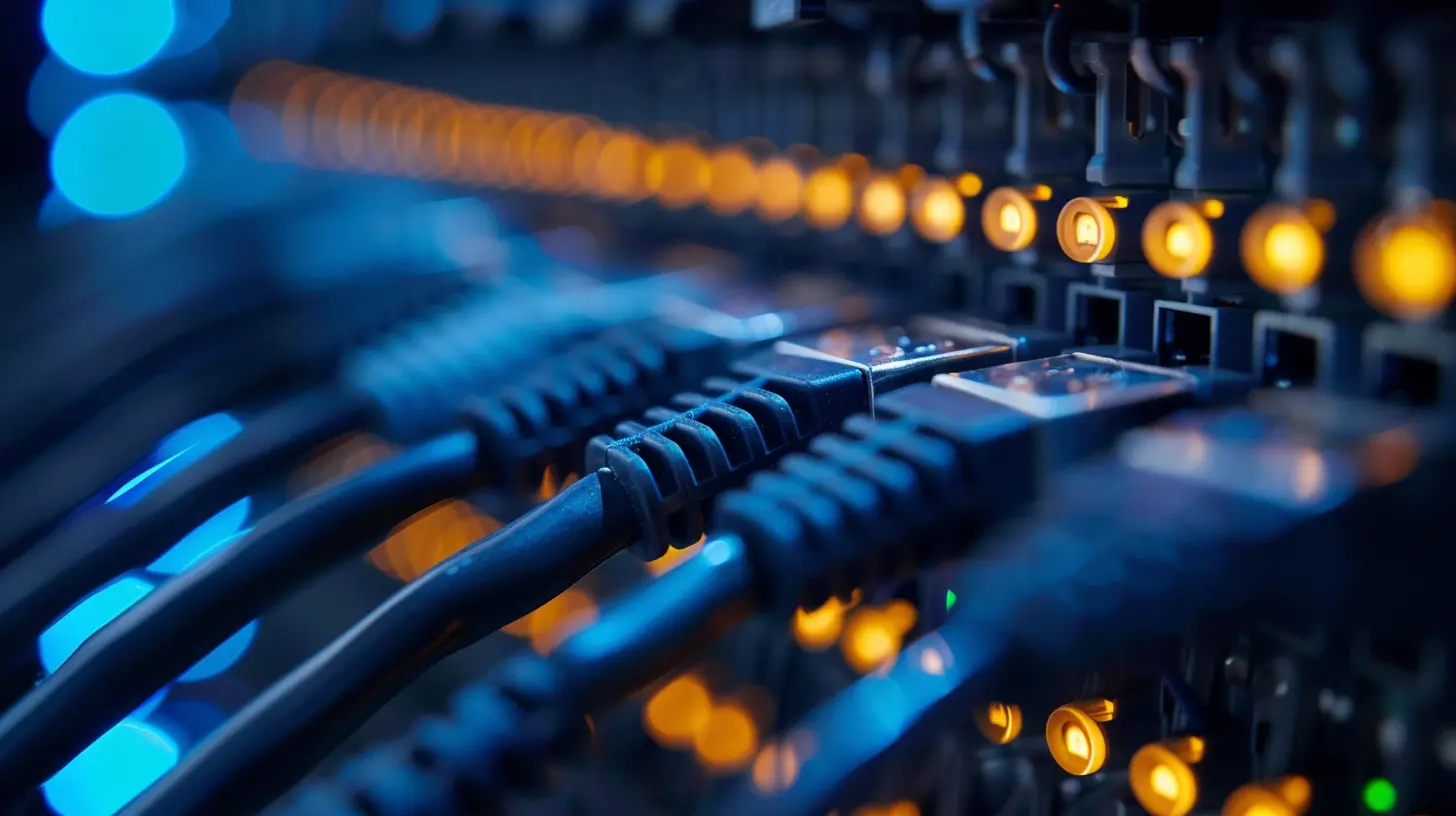
4. Keep Your Router Firmware Updated
Routers, like all software, have vulnerabilities that hackers can exploit. Manufacturers release firmware updates to fix security flaws, so ignoring them is like leaving your doors unlocked.How to Stay Updated:
- Log in to your router’s admin panel and check for firmware updates.- Many modern routers offer auto-update options—enable them if possible.
- If your router is too old and no longer receives updates, consider upgrading to a newer, more secure model.
Running outdated firmware is like driving a car with faulty brakes—you’re just one step away from disaster.
5. Disable Remote Management
Many routers come with a remote management feature that allows users to configure them from anywhere. While this sounds convenient, it also opens the door for hackers to take control.Action Steps:
- Log into your router settings and disable Remote Management or Remote Administration.- If remote access is necessary, use a Virtual Private Network (VPN) instead.
Allowing remote access without proper security measures is like leaving your keys hanging on your front door—it’s just a matter of time before someone lets themselves in.
6. Set Up a Guest Wi-Fi Network
Do you really want every guest in your home to have access to your main network? Probably not. That’s where a guest Wi-Fi network comes into play.Why It’s Important:
- Keeps guests from accessing sensitive devices (smart cameras, personal computers, etc.).- Limits the spread of malware if their device is infected.
- Prevents unauthorized snooping on your main network.
Most modern routers allow you to create a separate guest network with its own password. This way, you can be a great host without compromising security.
7. Disable WPS (Wi-Fi Protected Setup)
WPS was designed for convenience, allowing users to connect to Wi-Fi with the push of a button. The problem? It’s also a major security risk.Why You Should Disable It:
- WPS uses an 8-digit PIN that can be cracked in hours via brute-force attacks.- Most modern routers allow you to disable WPS—do it immediately.
Leaving WPS enabled is like having a high-tech alarm system but leaving a ground-floor window open.
8. Use a Firewall
A firewall acts as a security checkpoint for incoming and outgoing network traffic. Most routers have a built-in firewall—though many users don’t enable it.Steps to Secure Your Network:
- Log into your router settings and enable the firewall.- If your router doesn't have one, consider installing a software firewall on your devices.
Think of it as a security guard for your internet connection, blocking suspicious traffic before it can cause harm.
9. Enable MAC Address Filtering (Optional but Useful)
Every device has a unique MAC address, which you can use to control which devices connect to your network.How to Set It Up:
1. Log into your router’s settings.2. Locate MAC Filtering or Access Control.
3. Add the MAC addresses of trusted devices and block all others.
While not foolproof, MAC filtering adds an extra layer of security, making unauthorized access more difficult.
10. Turn Off Unused Network Features
Many routers come with various features enabled by default, including UPnP (Universal Plug and Play), which can be exploited by malware.Features to Disable:
- UPnP (unless required for gaming).- DMZ (Demilitarized Zone).
- Port Forwarding (if not in use).
If you’re not using these features, disable them—less exposure means fewer vulnerabilities.
11. Regularly Monitor Connected Devices
Would you notice if an unfamiliar device connected to your network? Most people wouldn’t, which is why regular monitoring is essential.How to Check:
- Log into your router’s admin panel.- Review the list of connected devices.
- If you see any unknown devices, kick them off and change your Wi-Fi password.
Think of it like checking your credit card statements—you want to catch any unauthorized activity before it causes major damage.
12. Use a VPN for Additional Security
A Virtual Private Network (VPN) encrypts your internet traffic, shielding your data from prying eyes.Benefits of Using a VPN:
- Prevents ISPs and hackers from tracking your online activity.- Adds an extra layer of encryption when using public Wi-Fi.
- Helps bypass geo-restrictions and censorship.
If security and privacy matter to you, investing in a reliable VPN service is a smart move.
Final Thoughts
Securing your home network isn’t just a one-time task—it’s an ongoing process. Hackers are constantly evolving their tactics, so staying informed and proactive is key. By following these best practices, you can significantly reduce the risk of cyber threats, keeping your data and devices safe.Remember, your home network is only as strong as its weakest link. Strengthen every aspect, stay vigilant, and keep cybercriminals out of your digital space.
all images in this post were generated using AI tools
Category:
NetworkingAuthor:

Gabriel Sullivan
Discussion
rate this article
2 comments
Nolan McQuillen
Prioritize regular updates and strong passwords; they are your first line of defense.
March 24, 2026 at 1:51 PM
Samantha Barnes
Great article! It’s essential to regularly update router firmware and use strong passwords. Consider enabling network encryption and employing a guest network for added security. Small steps make a big difference!
February 23, 2026 at 5:33 AM
Gabriel Sullivan
Thank you for your insightful comment! I completely agree—small steps like updating firmware and using strong passwords are key to enhancing home network security.