Exploring the Convergence of Wearables and Health Data Analytics
10 May 2026
Have you noticed how smartwatches, fitness bands, and even your smartphone are starting to behave more like personal health coaches? That’s not just another tech trend — it’s the future of personalized wellness, and it’s happening thanks to the powerful union between wearables and health data analytics. That might sound like a mouthful, but we’re going to break it down and look at how this dynamic duo is shaking up the healthcare landscape.
Let’s dive deep into the world where tech meets health — and trust me, it’s a fascinating ride.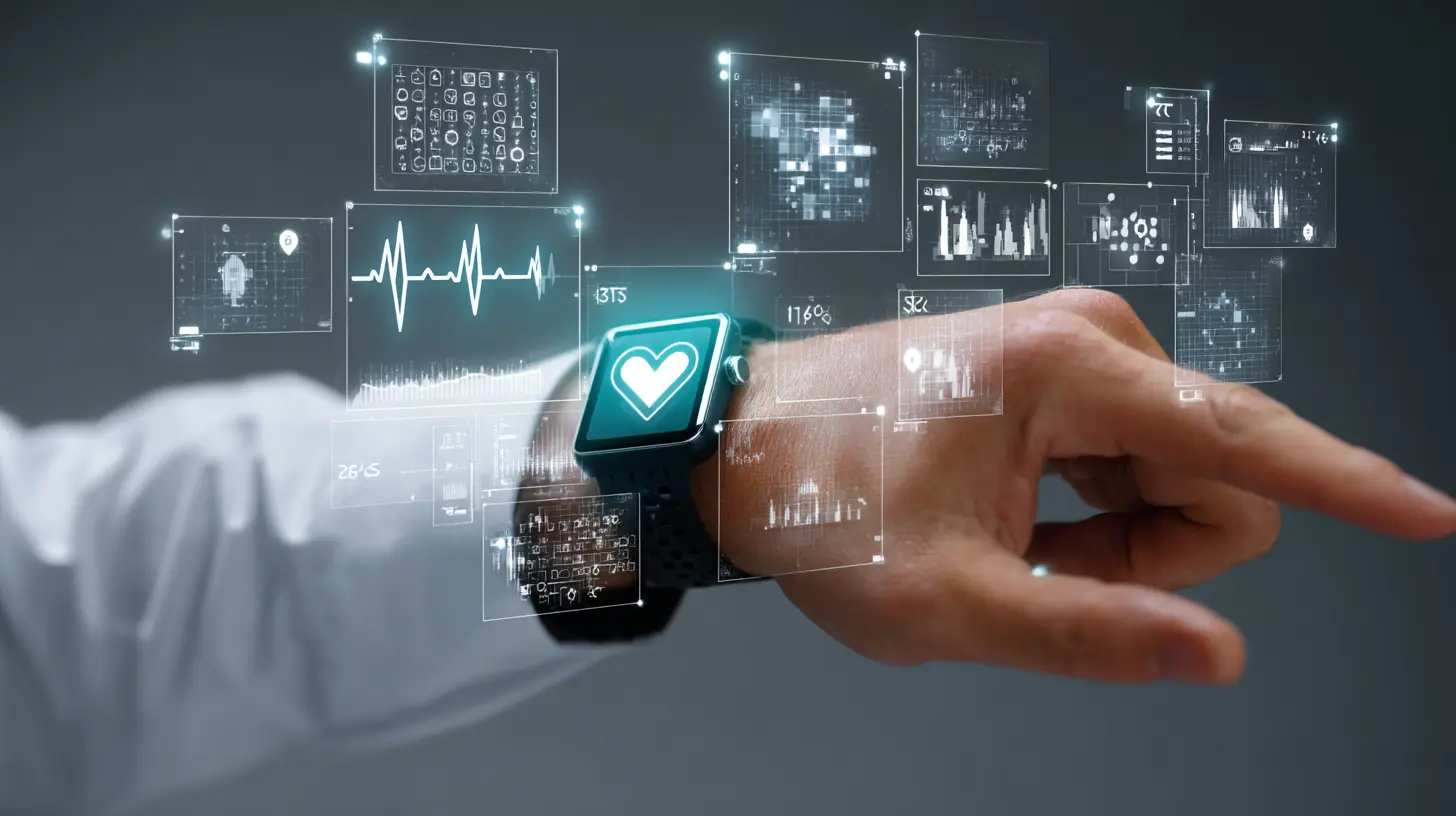
What Exactly Are Wearables?
Before we jump into the data side of things, let’s make sure we’re on the same page.Wearables are wearable technology devices — think smartwatches, fitness trackers, sleep monitors, and even smart rings. Anything you can wear that’s embedded with sensors to track different health-related metrics.
From counting your steps and tracking heart rate to analyzing your sleep quality and monitoring blood oxygen levels — these gadgets gather data 24/7. They’re like mini-labs strapped to your wrist (or finger or chest), quietly collecting your health info in real time.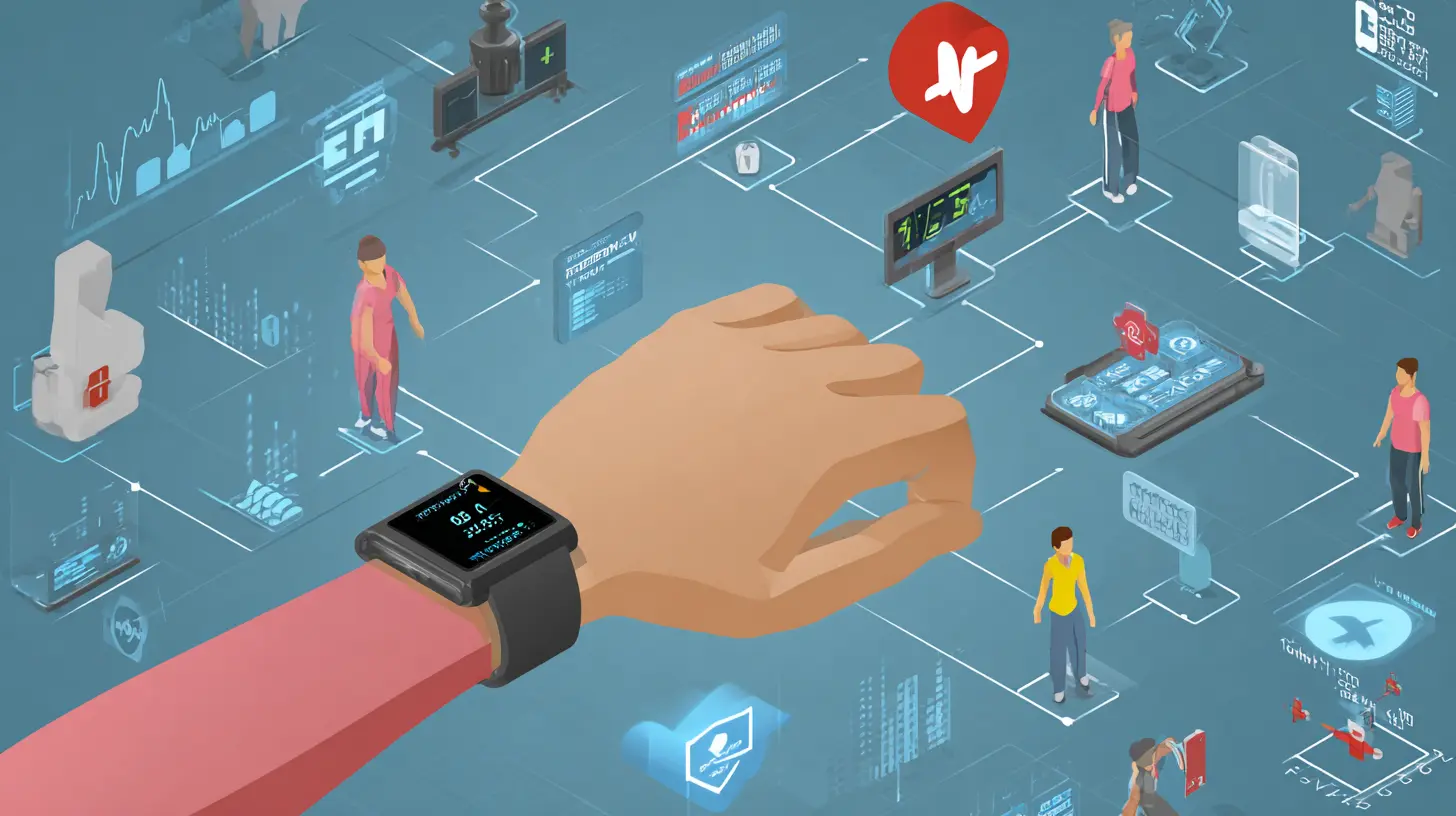
The Rise of Health Data Analytics
So, what do we actually do with all that data wearables capture?Enter health data analytics. This is the process of collecting, cleaning, analyzing, and interpreting all that information to uncover patterns and insights. When applied correctly, it helps users — and even healthcare professionals — make better decisions about wellness, fitness, and overall health.
Think of analytics as the brain to the wearable’s body. Wearables gather the raw info, and analytics makes sense of it all. Together? They're game-changers.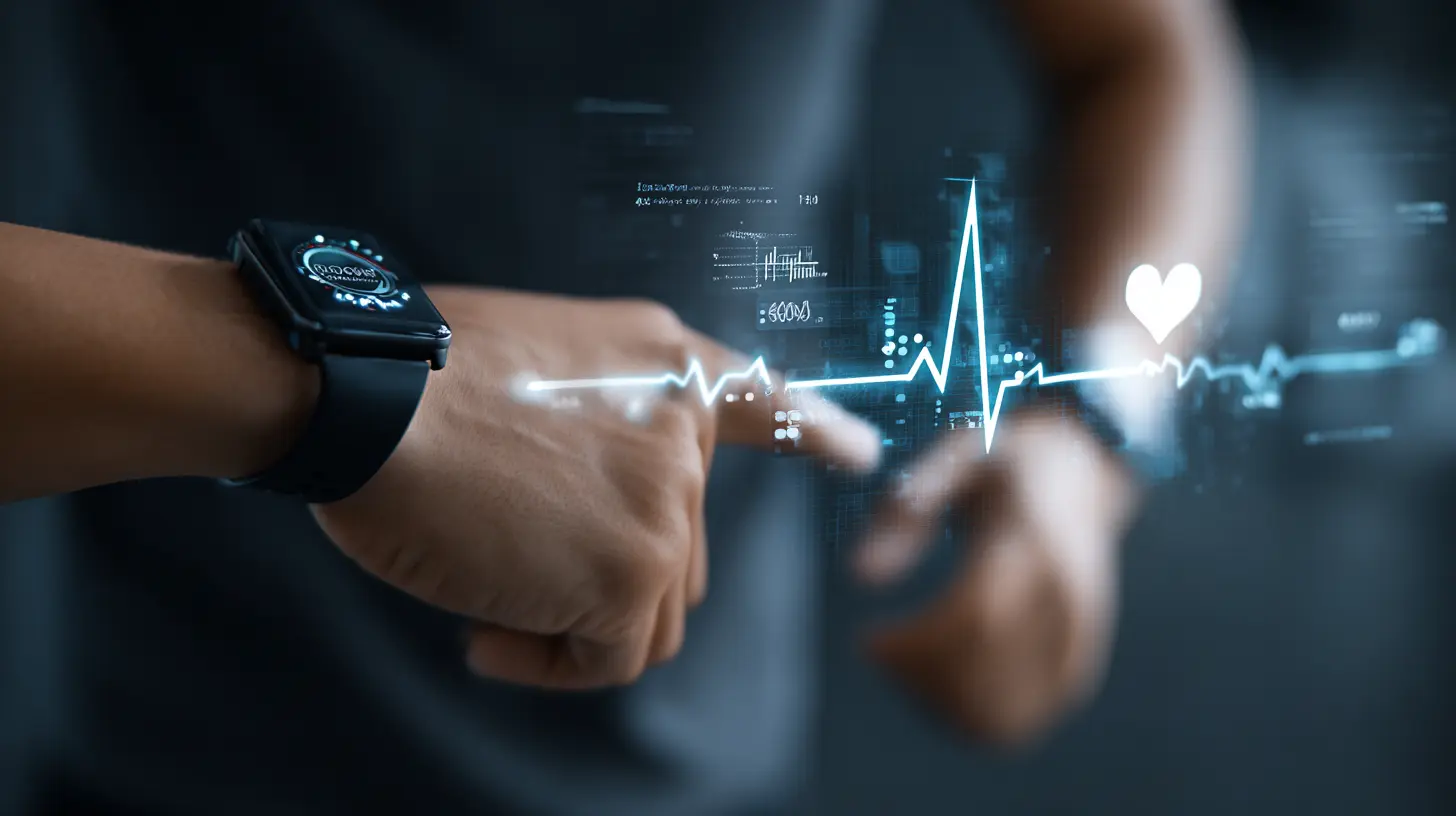
Why Is This Convergence So Important?
Let’s be real — data without insight is just a bunch of numbers. You might see that you’ve walked 10,000 steps, but what does that really tell you? Not much — unless you also know how your heart rate responded, how well you slept, and how you compare to your baseline or goals.Here’s where convergence makes magic happen.
When wearables and data analytics work together, they turn those scattered numbers into real-time feedback. Suddenly, you’re not just looking at steps or calories burned — you’re understanding how your lifestyle impacts your heart health, stress levels, and even chronic conditions.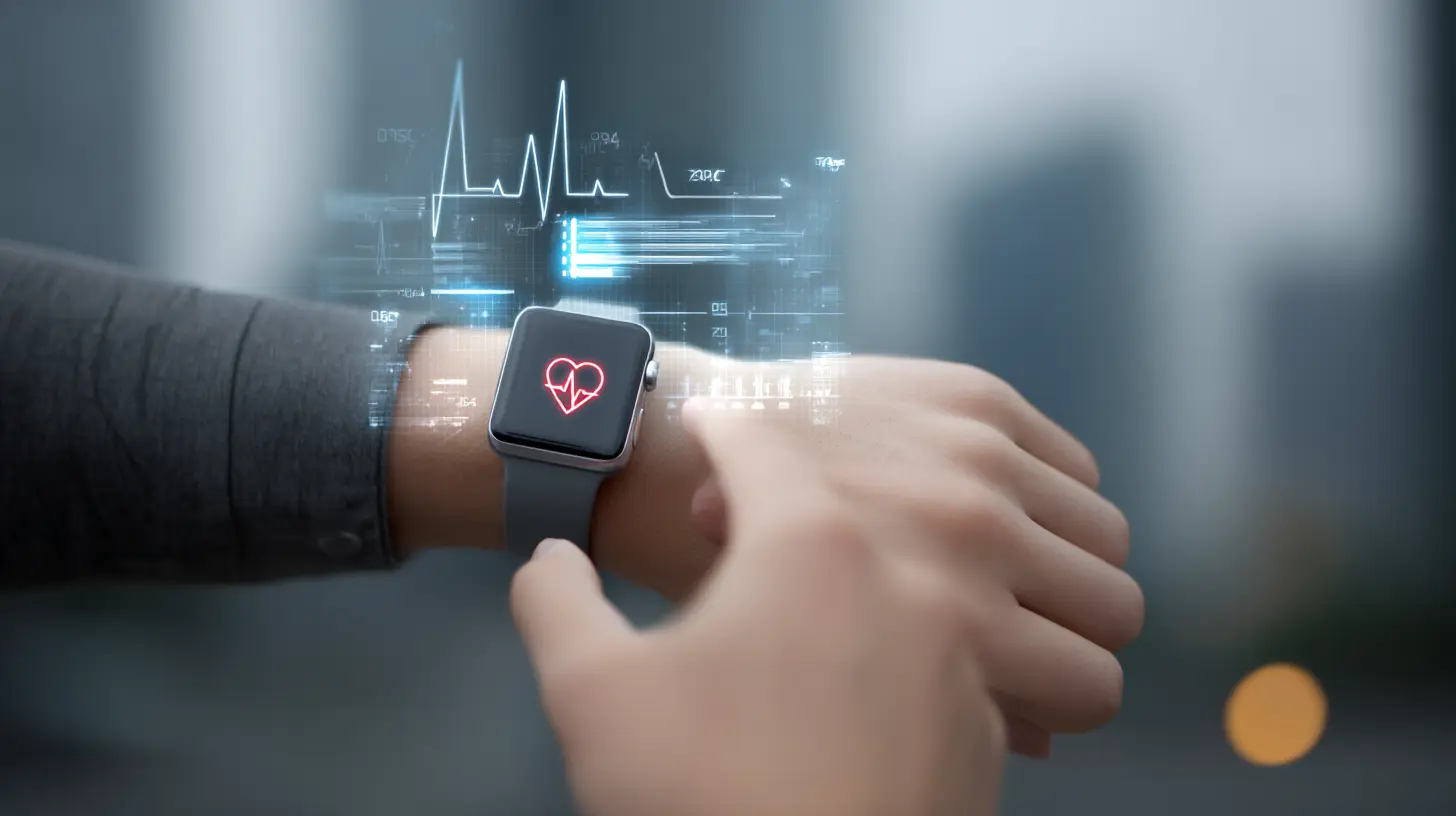
Use Cases That Are Changing the Game
Let’s look at some real-world examples where this convergence is improving lives — not just in theory, but in practice.1. Chronic Disease Management
For people dealing with conditions like diabetes, hypertension, or heart disease, wearables offer a way to keep tabs on health stats all day long. Through data analytics, patterns emerge. Dangerous spikes or unusual dips? You get alerts. Doctors can even use this data to tweak treatments in real time.That’s personalized healthcare — without always having to step into a clinic.
2. Fitness and Lifestyle Optimization
Who doesn’t want to sleep better, move more, and eat smarter? Wearables armed with analytics turn guesswork into science. You don’t just think you slept well — you know it. You don’t wonder how hard you should work out — your device tells you when to push and when to rest.It brings precision to your wellness journey.
3. Mental Health Monitoring
It’s not just physical health that benefits here. Some wearables now track signs of stress, anxiety, and even depression by analyzing heart rate variability, sleep disruptions, and activity levels. The system can recommend breathing exercises, notify you when stress spikes, or simply remind you to take a mindful moment.It’s like having a subtle mental health check-in on your wrist.
4. Remote Patient Monitoring
In the post-pandemic world, telehealth is booming. Patients can be miles away from a clinic but still get consistent, accurate health monitoring. Doctors can access real-time data on oxygen levels, ECG readings, and more — all thanks to wearables and analytics working together.No waiting rooms. No delays. Just better care.
Big Players Driving the Movement
Let’s give a shoutout to some tech giants and startups making this all possible.- Apple is leading the charge with its Apple Watch and HealthKit, integrating wearables seamlessly with iPhones and medical providers.
- Fitbit by Google is focused on accessible wellness data for the mainstream consumer.
- Garmin offers performance wearables for athletes but also leans into health tracking.
- Oura Ring has carved a niche in sleep science and is incredibly popular with biohackers.
- Whoop provides deep performance analytics for serious athletes and recovery optimization.
Behind these devices, there’s a software layer crunching the numbers, using AI and machine learning to bring valuable insights to light. That’s the real magic.
Challenges and Concerns to Watch For
Let’s pause and be honest — not everything’s sunshine and rainbows. This convergence comes with baggage.1. Privacy and Data Security
We’re talking about very personal health information. That makes people nervous — and rightfully so. The risk of data leaks, breaches, or unethical usage can’t be ignored. Companies need to double down on encryption, transparency, and user control.2. Data Overload
More data isn’t always better. Without proper filters and analysis, users (and doctors) can get overwhelmed. That’s why smart analytics matter — they distill the signal from the noise.3. Accessibility and Cost
Not everyone can afford high-end wearables, and not all users are tech-savvy. Bridging that digital divide is essential if we want this revolution to benefit everyone — not just the privileged few.The Future of This Health-Tech Duo
Here’s where the story gets even more exciting.We’re heading toward a future where your wearable knows you better than your best friend. With advances in AI, wearables will become more predictive. Imagine your smartwatch warning you of a potential arrhythmia days before symptoms appear. Or suggesting a mental health day based on early signs of burnout.
We’re talking disease prevention, not just management.
Plus, with 5G and IoT (Internet of Things), devices will communicate faster and more efficiently with medical networks and other gadgets. Think of your wearable syncing with your smart fridge to suggest groceries based on your dietary needs. Wild, right?
How You Can Make the Most of This Technology
You don’t need to be a tech wizard to ride this wave. Here are some practical tips:- Pick the right wearable that fits your goals — not everyone needs ECG sensors and VO2 max tracking.
- Check your privacy settings and read the fine print before syncing your health data with apps.
- Use the insights! Don’t just look at the numbers — act on them. Rest when you're advised, move when your stats dip, and talk to your doctor with that data in hand.
- Stay consistent. Wearable tech is most helpful when you wear it — regularly.
Closing Thoughts
The convergence of wearables and health data analytics is more than just a tech trend — it’s a lifestyle revolution. It's helping us connect the dots between our habits and our health, offering a personalized path to wellness that's data-driven and surprisingly intuitive.We’re not just tracking steps anymore. We’re unlocking a new level of health understanding that empowers us to live longer, happier, and healthier.
So next time your watch buzzes to remind you to stand up or breathe deeply, don’t brush it off. It’s not just tech — it’s your future self tapping you on the shoulder saying, “Take care of me.
all images in this post were generated using AI tools
Category:
Tech TrendsAuthor:

Gabriel Sullivan
Discussion
rate this article
2 comments
Alana Moore
Wearables are like that nosy friend who knows your every move. Sure, they track your health, but do we really need a gadget reminding us to breathe? Let's hope the convergence brings more insights than just another way to guilt-trip us into hitting the gym.
August 12, 2026 at 12:54 PM
Greta McPhail
This article highlights an exciting trend in health technology. The integration of wearables with data analytics opens new avenues for personalized health monitoring. It's fascinating to see how this convergence can improve outcomes and empower users to take charge of their well-being.
May 12, 2026 at 3:22 AM
Gabriel Sullivan
Thank you for your insight! The potential of wearables combined with data analytics truly is transformative for personal health management.