Exploring the Rise of Personal Robots in 2026
14 April 2026
The year 2026 is shaping up to be a pivotal moment for technology, especially in the realm of personal robotics. Remember the days when robots were confined to sci-fi movies and industrial factories? Well, hold onto your hats, because by 2026, personal robots are not only going to be reality but are also poised to become indispensable members of our households. Whether you envision a robotic maid that tidies up your living room or a digital companion that keeps you company, the rise of personal robots promises to revolutionize our daily lives. Let’s dive into this intriguing world and see what’s on the horizon!
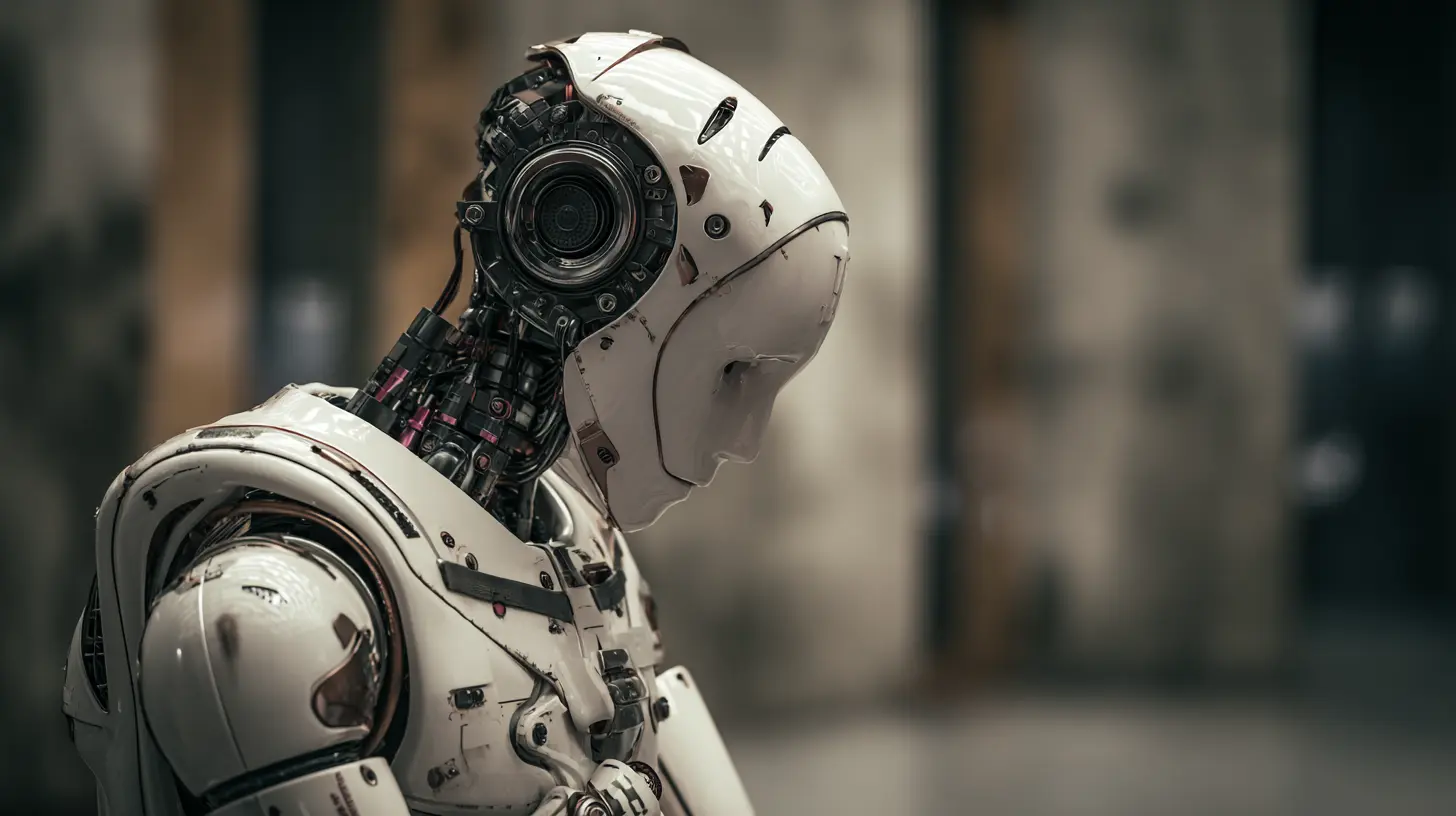
What Exactly Are Personal Robots?
Before we get too carried away, let’s clarify what we mean by "personal robots." Unlike the massive machines that assemble cars or the drones buzzing in the skies, personal robots are designed specifically for individual use. Think of them as your everyday helpers that can tackle chores, offer companionship, or even assist with health monitoring. They range from smart vacuum cleaners and lawnmowers to advanced AI companions that can carry on a conversation.In 2026, we’ll likely see a blend of these robots—some with physical capabilities and others purely digital, operating through smart devices. Just imagine a robot that can not only remind you of your appointments but also help you cook dinner while giving you the latest news updates!
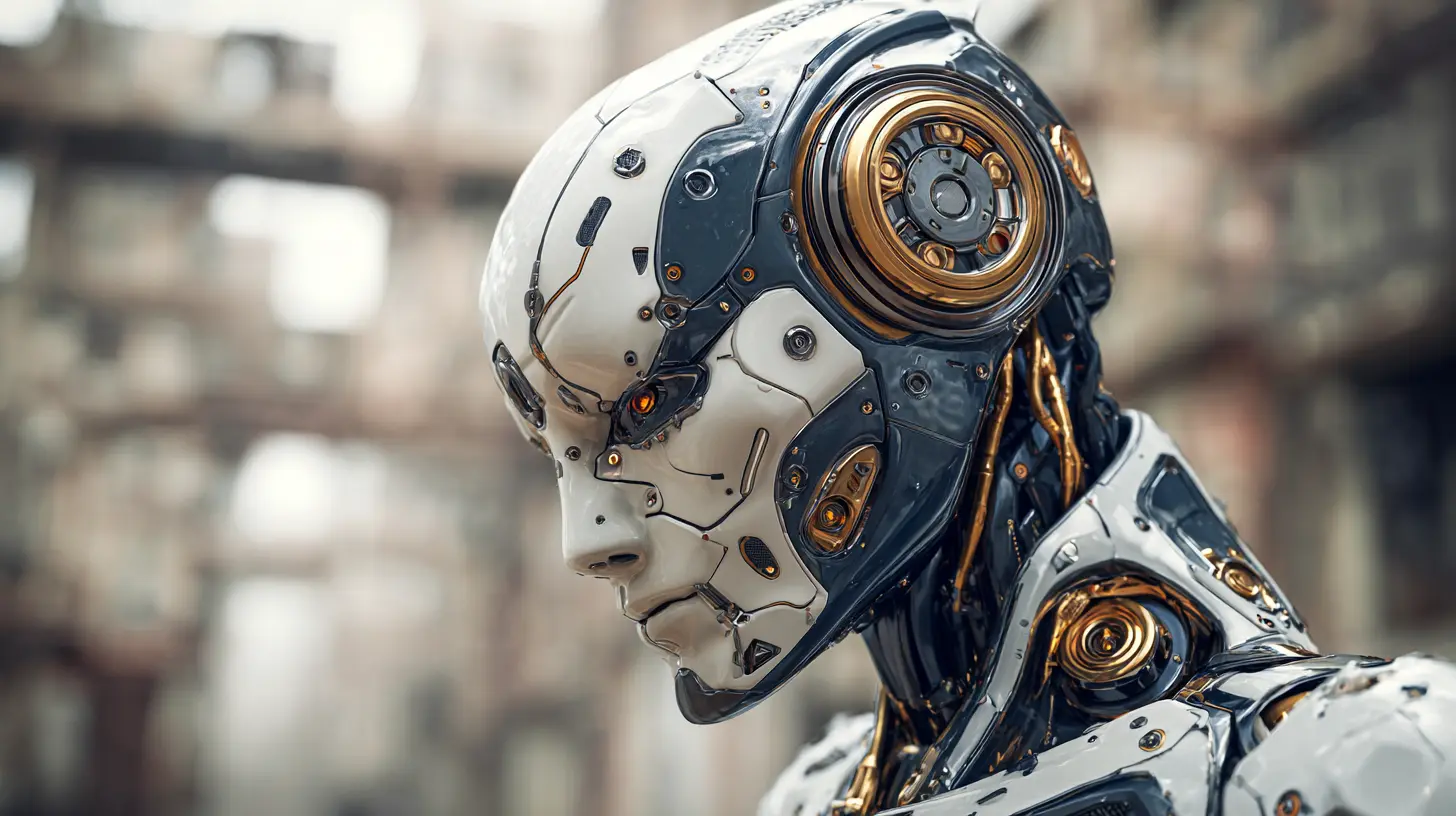
The Technological Backdrop: How Did We Get Here?
You might be wondering, “How did we even get to this point?” The rise of personal robots is rooted in several technological advancements that have unfolded over the past decade.1. AI and Machine Learning
Artificial intelligence (AI) has come a long way since its inception. With machine learning, robots can now learn from their environments and experiences. This means that by 2026, personal robots will possess the ability to adapt to your preferences, routines, and even your mood. Imagine a robot that knows when you’re feeling down and suggests your favorite comfort food recipe!2. IoT Integration
The Internet of Things (IoT) has made it possible for devices to communicate with each other. Your robot will seamlessly connect with other smart devices in your home—think of it as a digital orchestra where every instrument plays in harmony. Your robot could adjust the thermostat when you get home or dim the lights if it senses you’re winding down for the day.3. Robotics Engineering
Advancements in robotics engineering have led to the development of more compact, durable, and efficient robots. By 2026, we’ll witness robots that can navigate complex environments with ease. Whether it’s climbing stairs or avoiding obstacles, these little helpers will be equipped with enhanced mobility.4. User Interfaces
User interfaces are becoming increasingly intuitive. Voice commands and natural language processing are now standard in devices, making it easier for users to interact with their robots. By 2026, we’ll likely see personal robots that can understand and respond to emotional cues, making conversations feel more natural and engaging.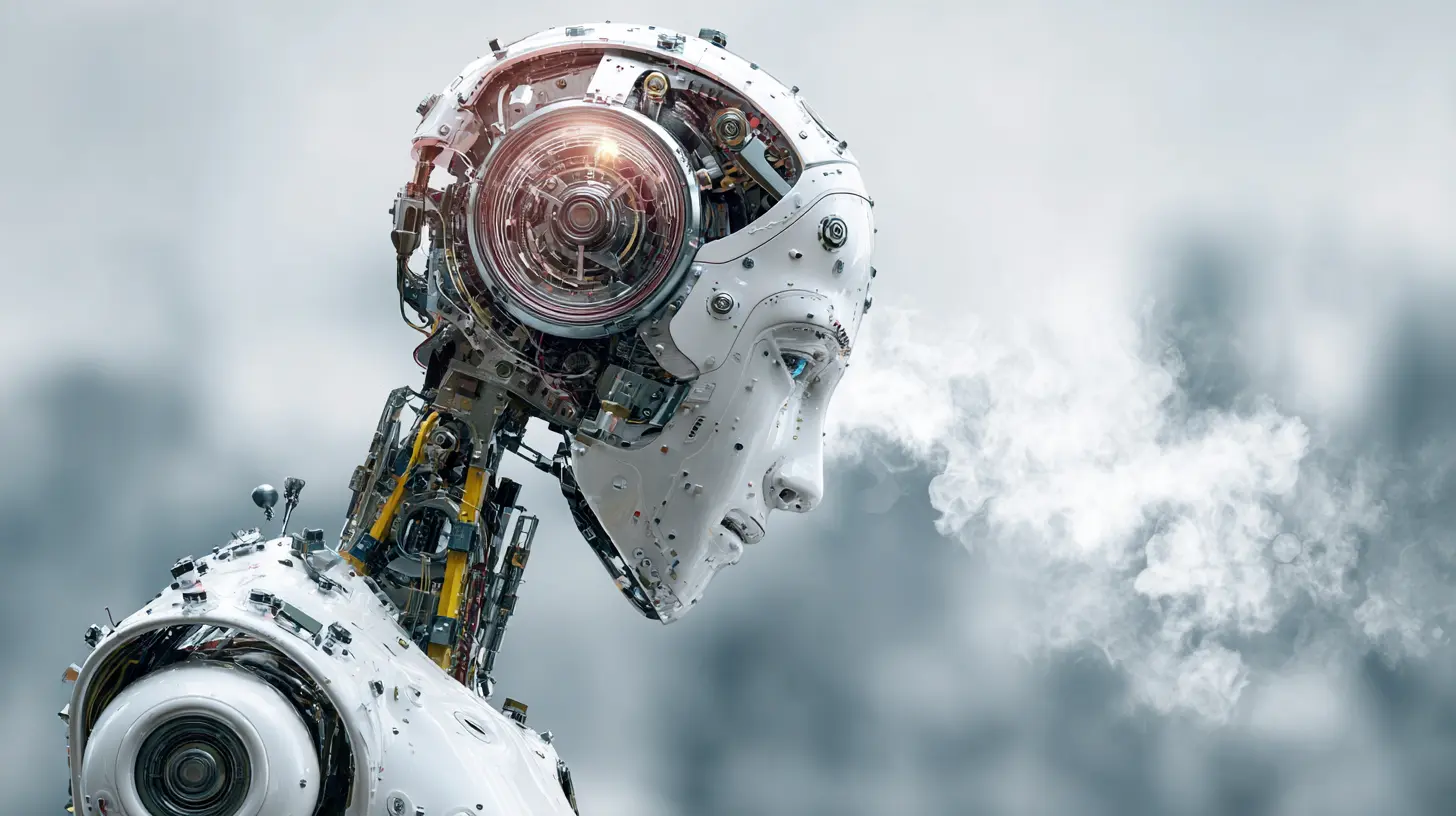
The Benefits of Personal Robots
Now that we have a clearer idea of what personal robots are and how we got here, let’s explore the myriad benefits they bring to our daily lives.Increased Efficiency
In our fast-paced world, time is money. Personal robots can handle mundane tasks, allowing us to focus on what really matters—be it work, family, or personal interests. Imagine coming home to a freshly vacuumed living room or a meal prepared just the way you like it. It’s like having your own personal assistant!Health and Well-being
Personal robots aren’t just about cleaning and tidying up; they can also play a significant role in health monitoring. Think about elderly family members who might benefit from a robot that reminds them to take their medication or tracks their daily activities. By 2026, we could see robots equipped with health sensors that alert caregivers or family members in case of emergencies.Companionship
Let’s face it: loneliness is a real issue, especially in an increasingly digital world. Personal robots can offer companionship, particularly for those who live alone. Whether it’s through conversation, playing games, or even just being there, these robots can enrich our lives in ways we never thought possible. Imagine having a robot that knows your hobbies and can engage in discussions about your favorite books or movies!Customization
What if you could have a robot that’s tailored specifically to your needs? In 2026, personal robots will offer a high degree of customization. From appearance to function, you’ll be able to create a robot that fits perfectly into your lifestyle. Want a robot that specializes in gardening? No problem! Prefer one that can assist with your tech-related questions? You got it!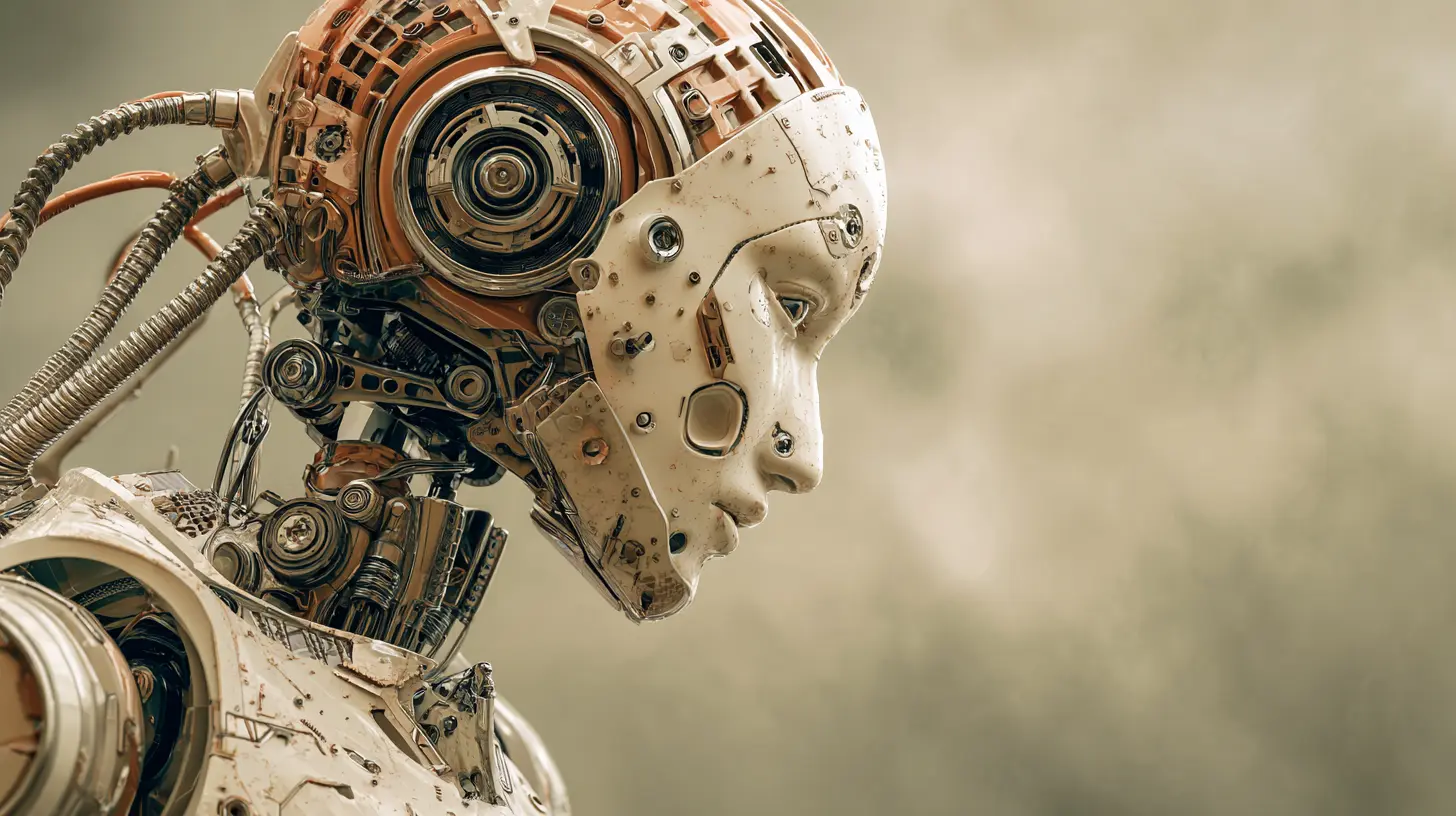
The Challenges Ahead
Of course, with great innovation comes great responsibility. As we look ahead to 2026, it’s important to consider the potential challenges that accompany the rise of personal robots.Ethical Considerations
With AI and robotics becoming more integrated into our lives, ethical questions arise. How do we ensure that these robots respect our privacy? What happens if they make a mistake or malfunction? These are crucial questions society will need to address as personal robots become commonplace.Job Displacement
While personal robots can increase efficiency, they also raise concerns about job displacement. If robots can handle household chores, what does that mean for jobs in cleaning, caregiving, and other service industries? Striking a balance between automation and employment will be a significant challenge moving forward.Dependence on Technology
With the rise of personal robots, there’s a risk of becoming overly dependent on technology. Will we lose essential life skills if we rely too heavily on our robotic companions? It’s vital to foster a healthy relationship with technology, ensuring that we use it as a tool rather than a crutch.The Future of Personal Robots: A Glimpse Ahead
So, what does the future hold for personal robots in 2026? Buckle up, because it’s going to be a wild ride!Smart Homes Become Smarter
By 2026, our homes will be smarter than ever, and personal robots will be at the helm of this transformation. From managing energy consumption to enhancing security, these robots will function as the central hub of our smart homes. Imagine a robot that not only controls your lights and thermostat but also communicates with your refrigerator, alerting you when you’re running low on groceries!Advanced Emotional Intelligence
As we mentioned earlier, personal robots will have the ability to adapt to our moods and preferences. By 2026, we can expect robots with advanced emotional intelligence, enabling them to engage in more meaningful interactions. Imagine a robot that can tell when you’re upset and offers comforting words or distractions when you need them most!Ecosystem of Services
Personal robots will not operate in isolation; instead, they’ll become part of a broader ecosystem of services. We could see robots that not only assist with household chores but also coordinate with other local services, such as grocery delivery or even home maintenance. It’s like having a personal concierge who knows your needs and preferences!Human-Robot Collaboration
The future is not about robots replacing humans; it’s about collaboration. By 2026, we may see an increase in human-robot partnerships, where robots augment our capabilities rather than replace them. Imagine teams of workers and robots working together to tackle complex projects—this could lead to unprecedented innovations across various industries.
Real-Life Examples of Personal Robots Today
While we might be talking about the future of personal robots in 2026, it’s worth taking a look at what’s already happening today.Robotic Vacuum Cleaners
These little guys have become household staples. Brands like Roomba and Roborock have paved the way for robots that can autonomously navigate your floors, vacuuming up dirt and debris. They’re a perfect example of how personal robots are already making our lives easier!Companion Robots
Robots like ElliQ and Jibo are entering the market as companions, offering conversation and engagement, especially for the elderly. They can remind users to take medications, provide entertainment, or even help connect them with family members through video calls.Smart Assistants
While not traditional robots, smart speakers like Amazon Echo and Google Home serve as digital assistants that can control smart devices, answer questions, and provide entertainment. They’re a stepping stone towards the more advanced personal robots we anticipate in 2026.Conclusion: Embracing the Robot Revolution
As we stand on the brink of 2026, the rise of personal robots holds immense potential. They promise to redefine our daily lives, making them more efficient, enjoyable, and connected. While we must navigate the challenges that come with this technological leap, the benefits far outweigh the drawbacks.Imagine a world where you have a personal robot that not only takes care of mundane tasks but also enriches your life through companionship and support. As we look forward to this exciting future, let’s embrace the robot revolution and welcome our new digital friends into our homes.
all images in this post were generated using AI tools
Category:
Robotics TechnologyAuthor:

Gabriel Sullivan
Discussion
rate this article
2 comments
Gavin McLemore
Exciting developments ahead! Can't wait to see personal robots.
May 8, 2026 at 2:37 AM
Gabriel Sullivan
I'm excited too! The future of personal robots is looking bright. Thanks for your interest!
Myles McCullough
The rise of personal robots by 2026 is both exciting and daunting. While advancements promise convenience and efficiency, we must also address ethical concerns and the potential for job displacement. Balancing innovation with responsible integration will be key to a harmonious coexistence with our future robotic companions.
April 17, 2026 at 3:26 AM
Gabriel Sullivan
Thank you for your thoughtful insights! Balancing innovation with ethical considerations will indeed be crucial as we embrace the rise of personal robots.