Fitness Trackers and Smart Shoes: The Future of Fitness Wearables
13 January 2026
Technology has completely transformed the way we approach fitness. Gone are the days when a simple stopwatch or pedometer was enough to track progress. Today, we have fitness trackers and smart shoes that provide real-time data, personalized insights, and even AI-driven coaching. But with so many advancements, what does the future hold for fitness wearables?
Let’s dive deep into the evolution, benefits, and future trends of these smart fitness tools that are revolutionizing the way we stay active.
The Rise of Fitness Trackers and Smart Shoes
From Basic Trackers to Smart Wearables
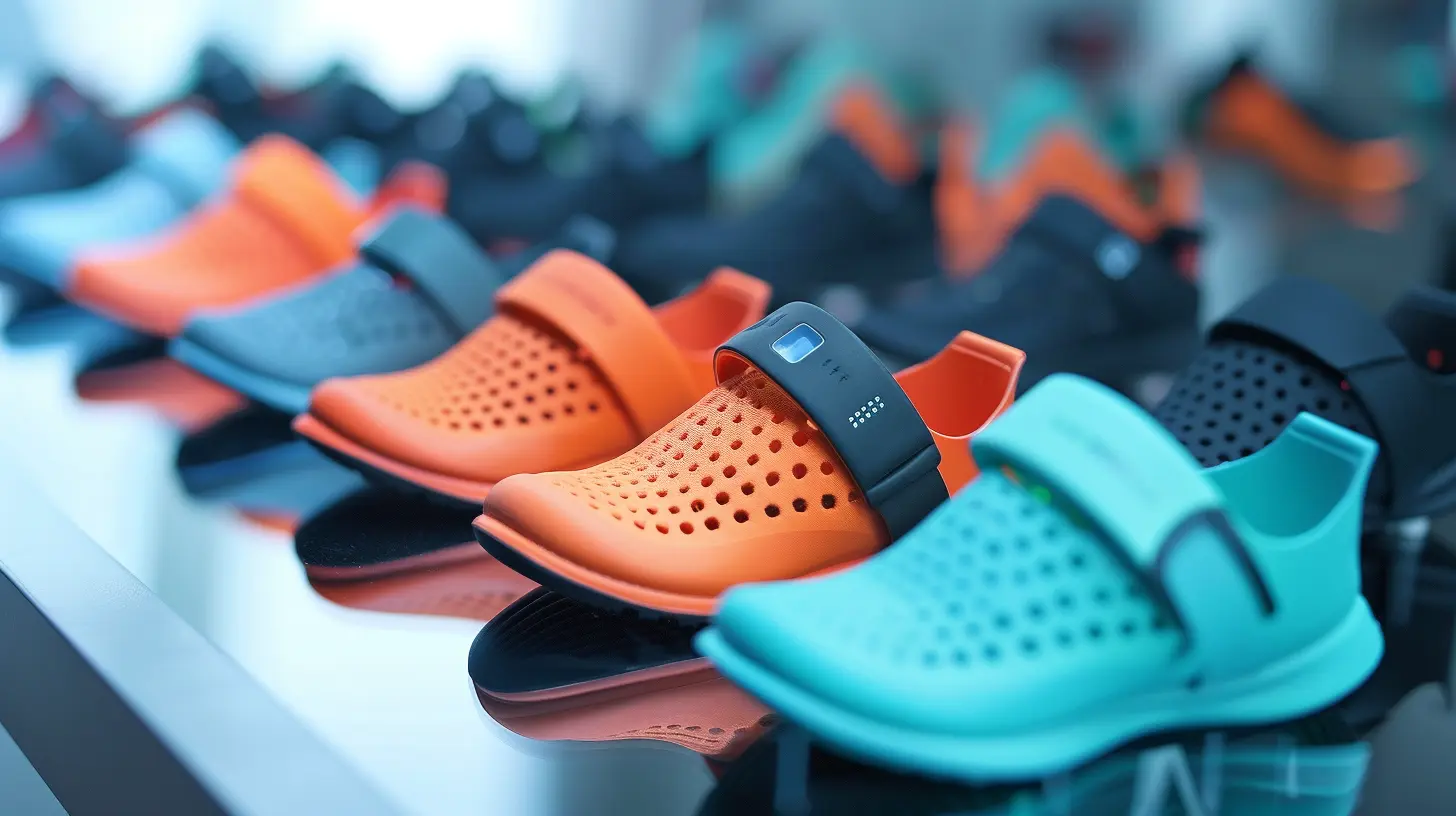
A few years ago, fitness tracking was limited to simple step counters and heart rate monitors. Fast forward to today—wearable technology has taken an exponential leap forward. Devices like Fitbit, Apple Watch, and Garmin not only track your daily steps but also monitor heart rate, measure sleep patterns, analyze oxygen levels, and even detect stress.On the other hand, smart shoes have entered the fitness game by integrating sensors directly into footwear. Whether it's Nike Adapt, Under Armour’s HOVR, or Xiaomi’s smart sneakers, these shoes track your movements, running patterns, and even correct your posture in real time.
Why Are These Wearables Game-Changers?
Fitness wearables aren’t just about counting steps anymore. They offer actionable insights that help users optimize their workouts, prevent injuries, and stay motivated. Here’s why they are more than just fancy gadgets:- Personalized Data Analysis – Get detailed reports on calories burned, heart rate zones, and VO2 max.
- AI-Driven Coaching – Some devices give real-time feedback, acting like a virtual trainer.
- Injury Prevention – Smart shoes analyze gait patterns and detect imbalances before they cause injuries.
- Seamless Connectivity – Sync with smartphones, smartwatches, and even fitness apps like Strava, MyFitnessPal, and Apple Health.
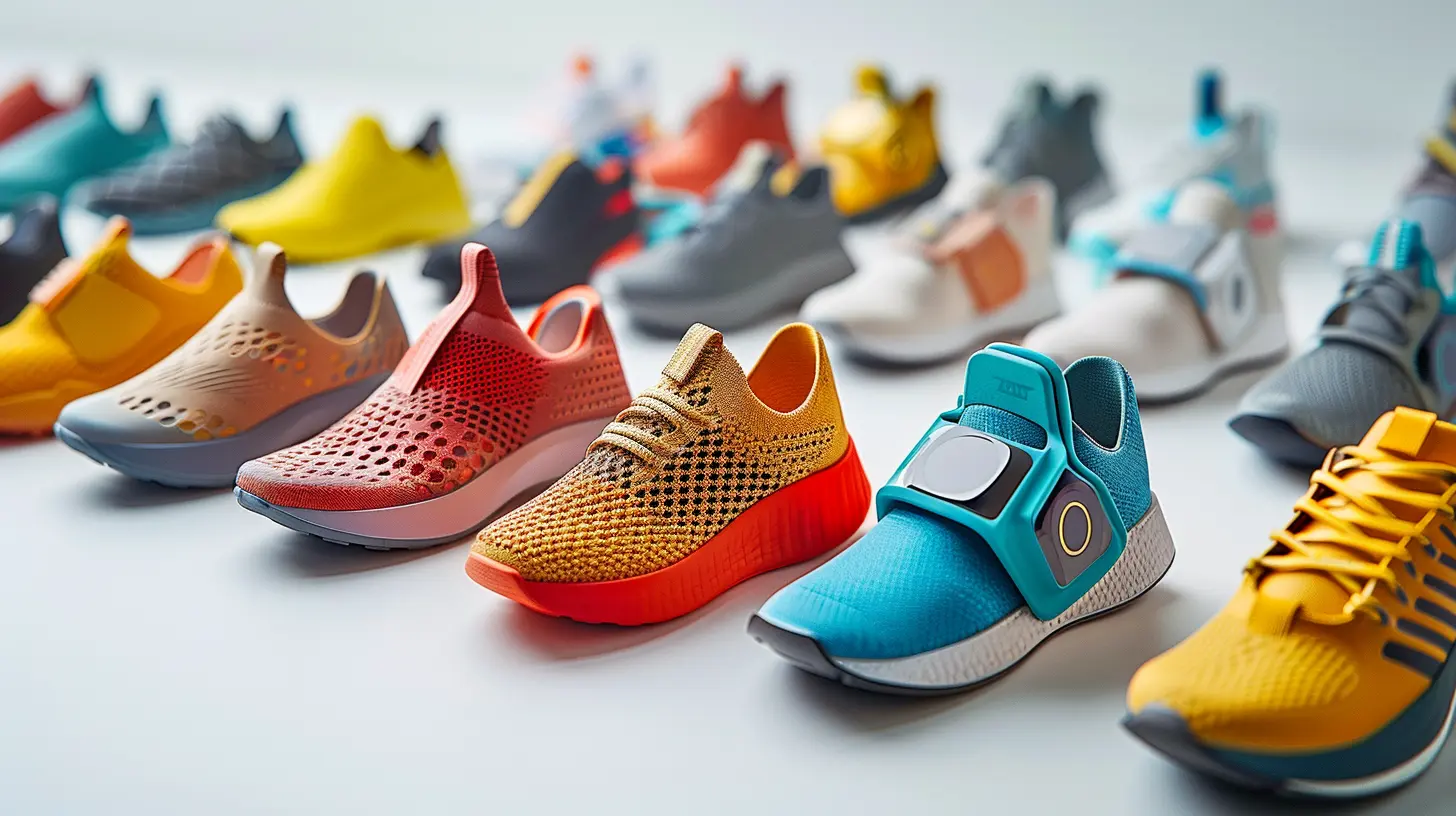
How Fitness Trackers Are Revolutionizing Workouts
1. Real-Time Health Monitoring
Fitness trackers are no longer limited to tracking your steps. Now, they monitor every aspect of your health, including:- Heart Rate Variability (HRV) – Helps track stress levels and recovery.
- Oxygen Saturation (SpO2) – Essential for athletes and those training at higher altitudes.
- ECG & Blood Pressure Monitoring – Some wearables, like the Apple Watch and Samsung Galaxy Watch, offer medical-grade health tracking.
2. Sleep Tracking – It’s More Important Than You Think
A good night’s sleep impacts fitness performance, and modern wearables make it easy to understand your sleep cycles. They provide insights into deep sleep, REM cycles, and overall sleep quality, helping you identify patterns that may be affecting your recovery and overall fitness.3. Motivation Through Gamification and Challenges
Many fitness trackers encourage users to stay active by introducing gamification elements like:- Daily/Weekly Challenges – Compete with friends and family.
- Achievement Badges – Celebrate fitness milestones.
- AI-Powered Coaching – Get virtual coaching and personalized workout plans.
4. Integration With Smart Apps and Wearables
Fitness trackers sync with other smart devices and apps, creating a fully integrated fitness ecosystem. You can:- Track your meals using AI-powered nutrition apps.
- Use connected smart scales to measure body composition.
- Pair with smart fitness gear like Bluetooth-enabled weights or VR fitness platforms.
Smart Shoes: The Next Big Thing in Fitness Tech
What Makes Smart Shoes Special?
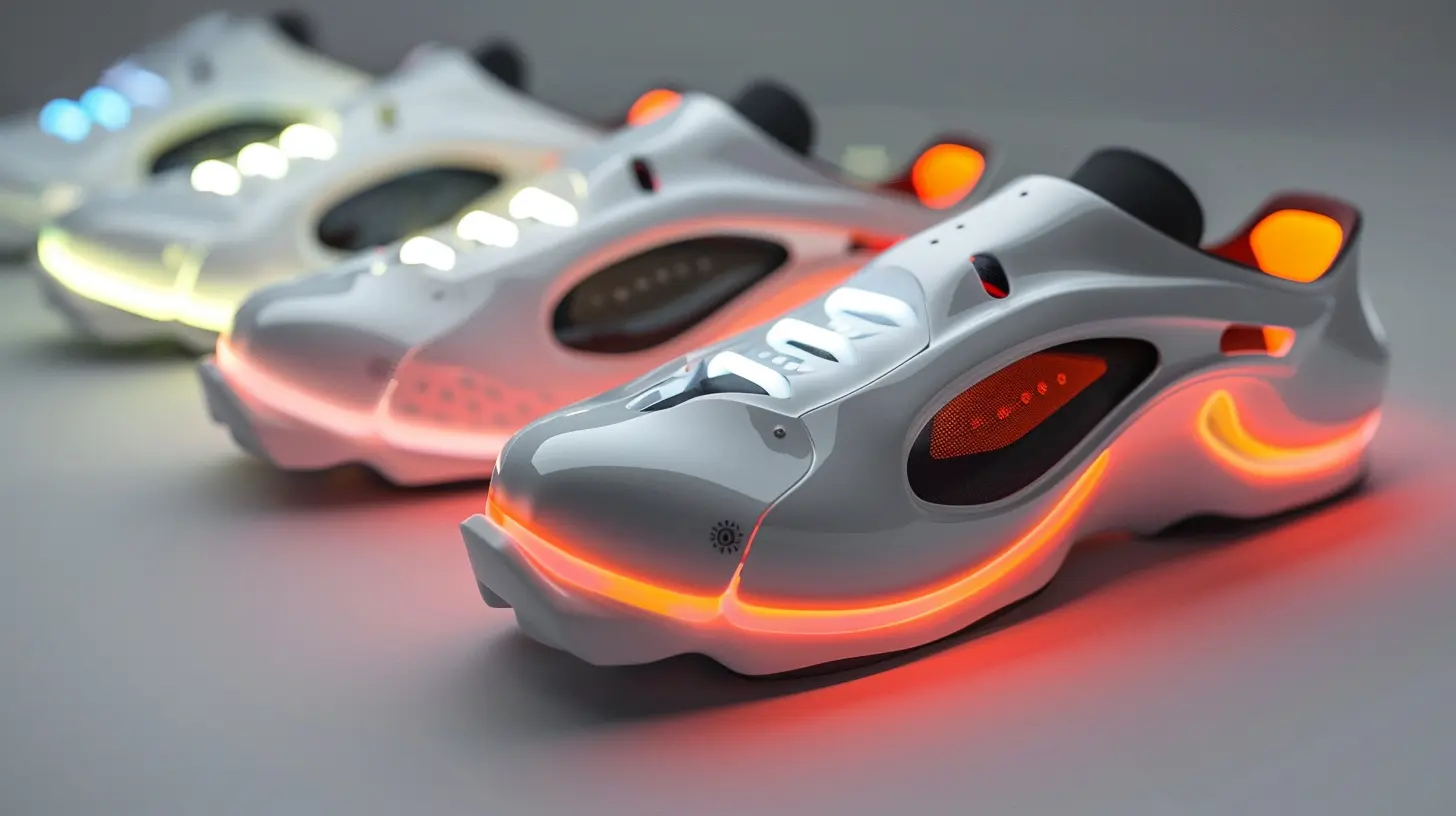
Smart shoes go beyond style and comfort by integrating cutting-edge sensors and real-time analytics. These futuristic shoes are loaded with technologies like:- Pressure Sensors – Detect foot pressure and adjust cushioning accordingly.
- GPS Tracking – Perfect for runners and hikers who want precise location data.
- AI-Powered Running Coach – Provides real-time feedback on cadence, stride length, and foot landing.
- Self-Lacing Technology – Inspired by sci-fi movies, self-lacing shoes (like Nike Adapt BB) automatically adjust to your foot’s comfort.
1. Injury Prevention and Performance Optimization
One of the game-changing features of smart shoes is their ability to prevent injuries. By analyzing running patterns, they help athletes:- Optimize running posture to reduce knee strain.
- Detect early signs of overuse injuries like shin splints.
- Offer real-time footstrike analysis to adjust gait mid-run.
2. Endurance and Energy Efficiency
Some smart shoes come with embedded propulsion systems or energy return technology, helping:- Runners maximize efficiency by reducing energy loss with every step.
- Athletes gain an edge by improving speed and endurance.
3. Connectivity with Smart Fitness Ecosystem
Smart shoes pair effortlessly with fitness trackers, smartwatches, and mobile apps, providing a holistic fitness experience. This means you can sync everything—your heart rate, steps, calories, and even real-time running form analysis—all in one place.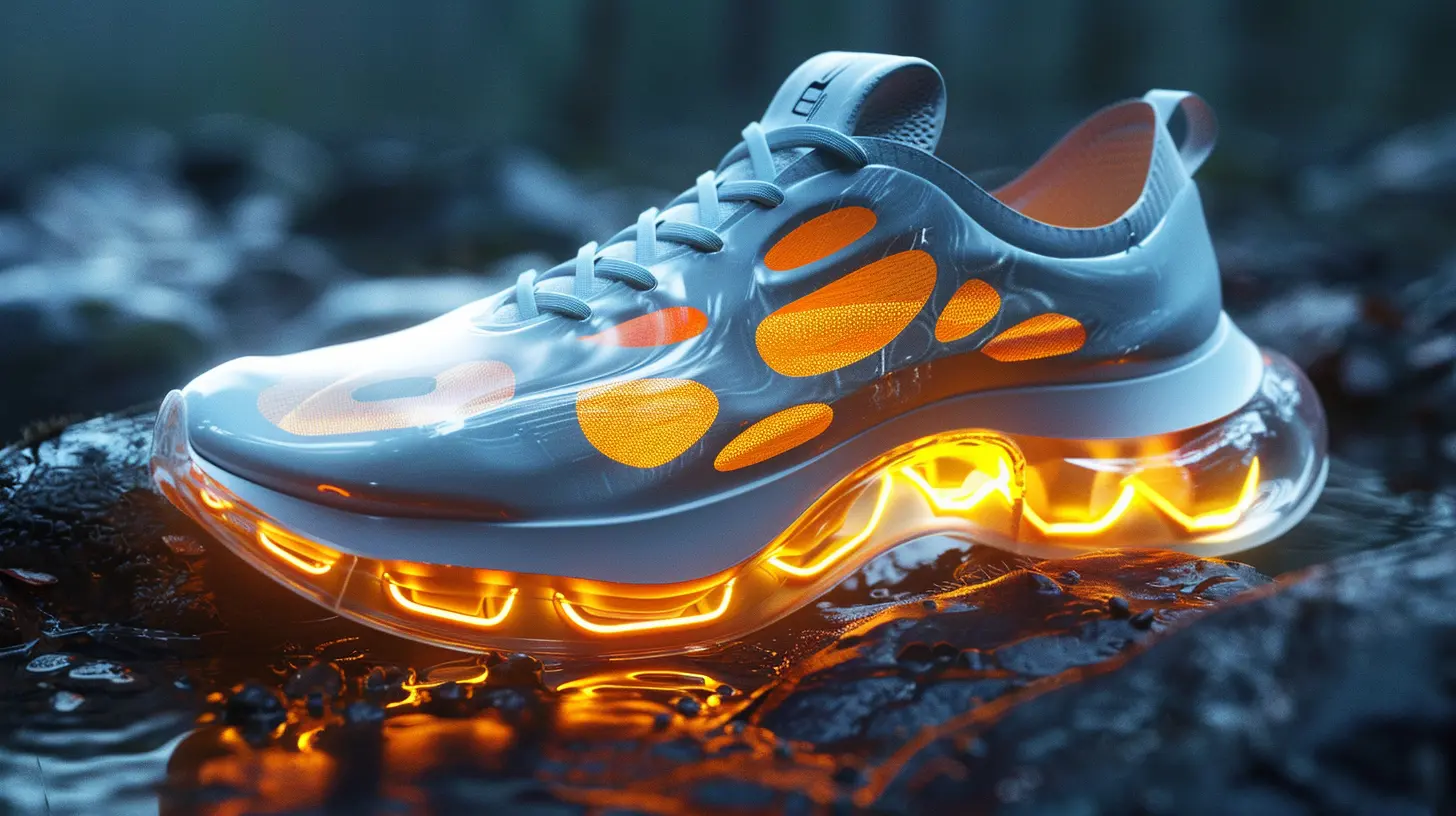
The Future of Fitness Wearables: What’s Next?
1. AI-Powered Virtual Coaching
Soon, AI-driven fitness trackers and smart shoes will act as full-fledged personal trainers. Imagine your wearable adjusting your workout based on your HRV, fatigue levels, and past performance—it’s like having a coach in your pocket!2. Biometric Authentication & Security
Wearables might soon replace passwords and ID cards with biometric security. Your heart rate and walking pattern could become your unique identification, making your devices more secure than ever.3. Smart Fabrics & Embedded Sensors
The future of wearables goes beyond wristbands and shoes. Smart fabrics will integrate fitness tracking sensors directly into clothing, offering seamless movement tracking and muscle recovery analysis.4. Health & Medical Integration
Tech companies are pushing hard to integrate medical-grade health tracking into wearables. Soon, fitness trackers and smart shoes could detect:- Early signs of heart disease.
- Diabetes-related foot discomfort.
- Blood pressure variations in real-time.
Should You Invest in Fitness Wearables?
If you’re serious about fitness, fitness trackers and smart shoes are worth every penny. They not only help track progress but also offer an extra layer of motivation and injury prevention. Whether you're a casual gym-goer, an aspiring athlete, or someone just looking to improve their health, these devices can be game-changers.However, keep in mind:
- Not all wearables are equally accurate – Choose reputable brands with good reviews.
- Privacy matters – Your health data is valuable, so ensure you use devices with strong data security.
- Don’t rely solely on wearables – No device can replace proper training, diet, and rest.
Final Thoughts
The way we approach fitness is evolving, and wearable technology is leading the charge. With fitness trackers getting smarter and smart shoes revolutionizing movement analysis, we are stepping into a futuristic world of hyper-personalized fitness.As technology continues to advance, one thing is clear—the future of fitness wearables is brighter than ever. Are you ready to step into the next era of fitness tracking?
all images in this post were generated using AI tools
Category:
Fitness TrackersAuthor:

Gabriel Sullivan
Discussion
rate this article
2 comments
Dean Rhodes
This article insightfully explores the evolution of fitness wearables, particularly the integration of fitness trackers and smart shoes. Highlighting real-time data collection and personalized feedback, it emphasizes how these innovations are set to revolutionize personal fitness, making workouts more efficient and engaging. A must-read!
March 5, 2026 at 11:26 AM
Gabriel Sullivan
Thank you for your thoughtful comment! I'm glad you found the article insightful and relevant to the future of fitness wearables. Your support is appreciated!
Holden McVeigh
Exciting innovations for a healthier future!
January 23, 2026 at 12:35 PM
Gabriel Sullivan
Thank you! We're thrilled about how these innovations can enhance our fitness journeys!