How AR Glasses Are Influencing Digital Marketing
11 May 2026
You’ve seen them in sci-fi movies, and now they’re walking down the street right next to you. Augmented Reality (AR) glasses are no longer just a futuristic fantasy — they’re here, and they’re changing the game, especially when it comes to digital marketing. Imagine a world where you don’t just scroll through an ad but actually experience it in 3D space, right in front of your eyes. Crazy? Sure. But it’s happening.
Let’s break down how AR glasses are influencing digital marketing — from reshaping consumer experiences to unlocking new creative opportunities for brands.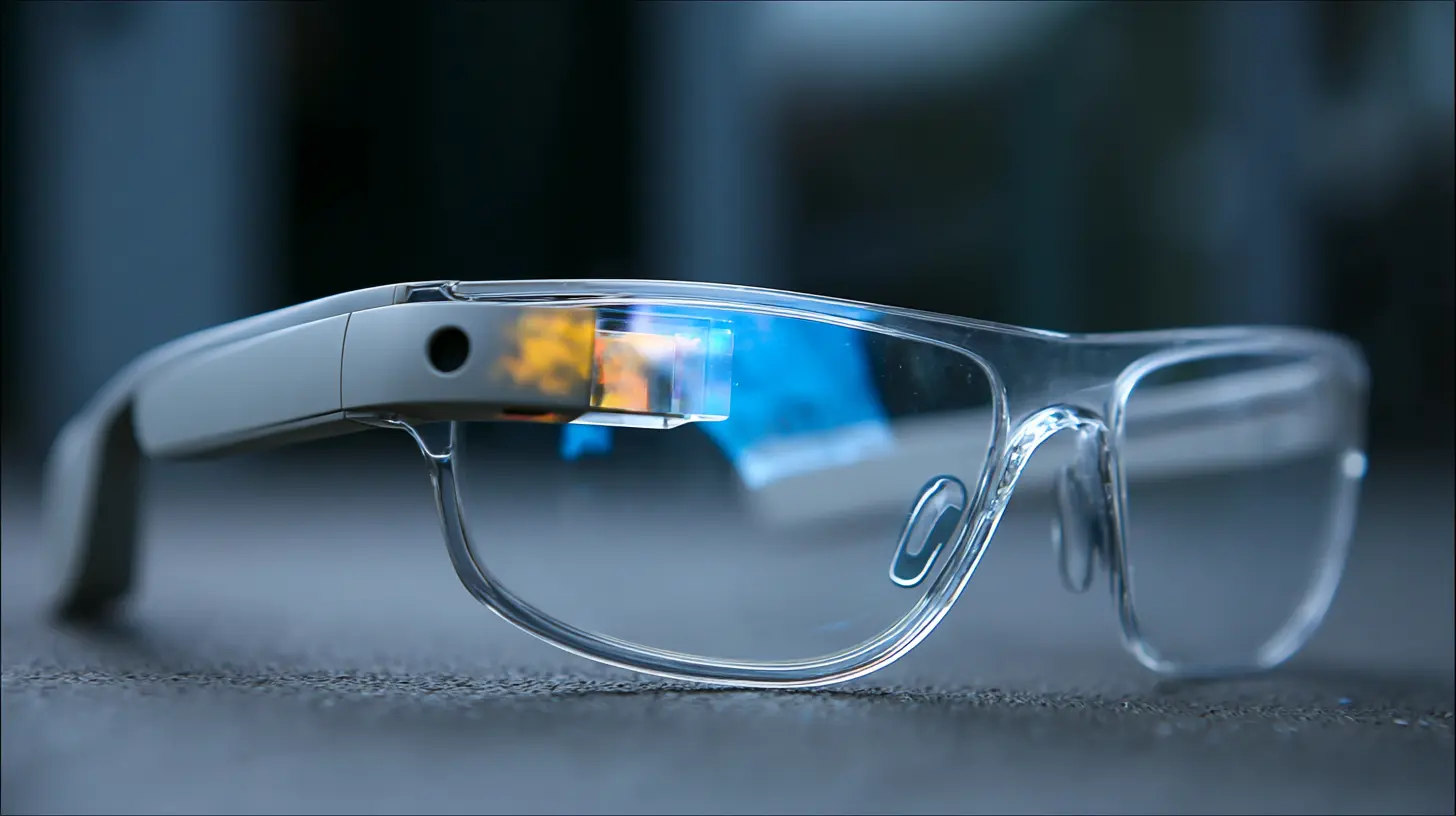
What Are AR Glasses Anyway?
Before we dive into the juicy stuff, let's get one thing clear: What exactly are AR glasses?AR glasses are wearable tech that overlays digital content onto the physical world. Think of them as your regular glasses, but smarter. They use sensors, displays, and connectivity to project 3D visuals or data into your line of sight. Unlike Virtual Reality (VR), which takes you out of the real world, AR enhances it. You’re still seeing your coffee cup, but now there’s a virtual cat sitting next to it.
Apple Vision Pro, Magic Leap, and Microsoft HoloLens are just a few examples of heavy-hitters in this space. And with tech giants investing billions into AR innovation, digital marketers are taking notice — and for good reason.
Why Digital Marketers Should Be Paying Attention
Let’s not sugarcoat it: consumer attention spans are shrinking. It’s getting harder and harder to break through the noise. That’s where AR glasses jump in like a superhero with a cape. They offer marketers a new, immersive way to engage people — not just tell them something, but show them.Instead of static ads or passive video content, users can now interact with branded digital content in real life. It’s not just “cool tech”; it’s a full-blown marketing revolution.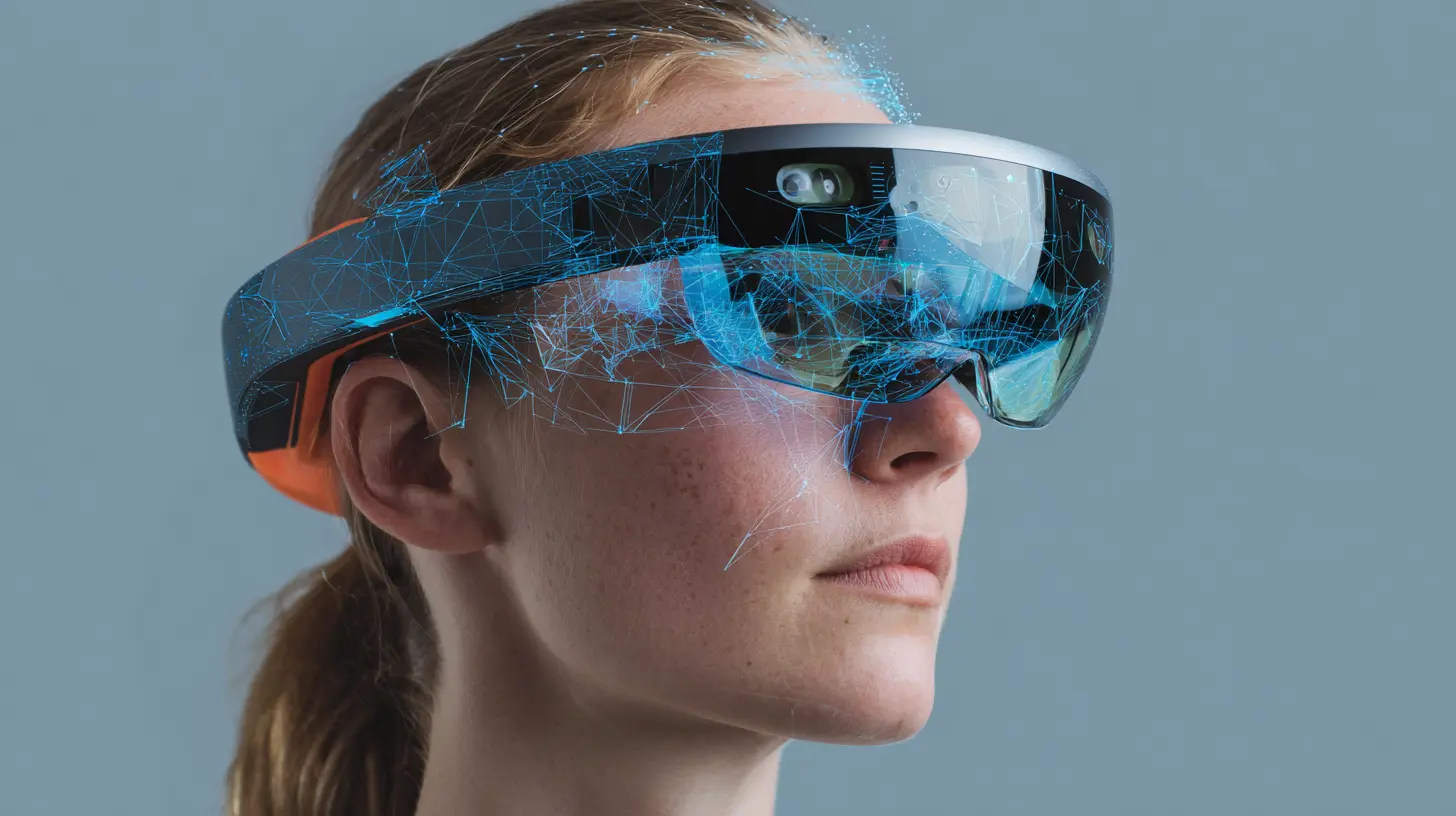
AR Glasses and the Evolution of Customer Experience
Marketing isn’t just about selling — it’s about experience. And AR glasses are leveling up the customer experience like never before.1. Product Visualization in Real Time
Let’s say you’re thinking about buying a new sofa. Instead of guessing how it’ll look in your living room, AR glasses let you drop a 3D model of it right into your space. You can walk around it, see it from every angle, and even change the color. This kind of real-time visualization builds confidence, reduces buyer hesitation, and increases conversion rates.2. Try Before You Buy 2.0
AR try-on experiences aren’t new — we’ve seen them on smartphones for makeup, glasses, and even shoes. But AR glasses take it to the next level. There’s no need to hold up your phone or pause what you’re doing. Want to try on that watch from your favorite brand while sipping coffee? Just look at your wrist. Retailers like Warby Parker and Gucci are already experimenting with virtual try-on experiences — and with AR glasses, it’s frictionless.3. Interactive Storytelling
Imagine walking into a store and being greeted by a digital assistant who guides you through the aisles, highlighting discounts and personalized offers. Or better yet, walking past a billboard and having the content leap out and engage you. That’s the kind of storytelling that sticks. It's immersive, interactive, and — most importantly — memorable.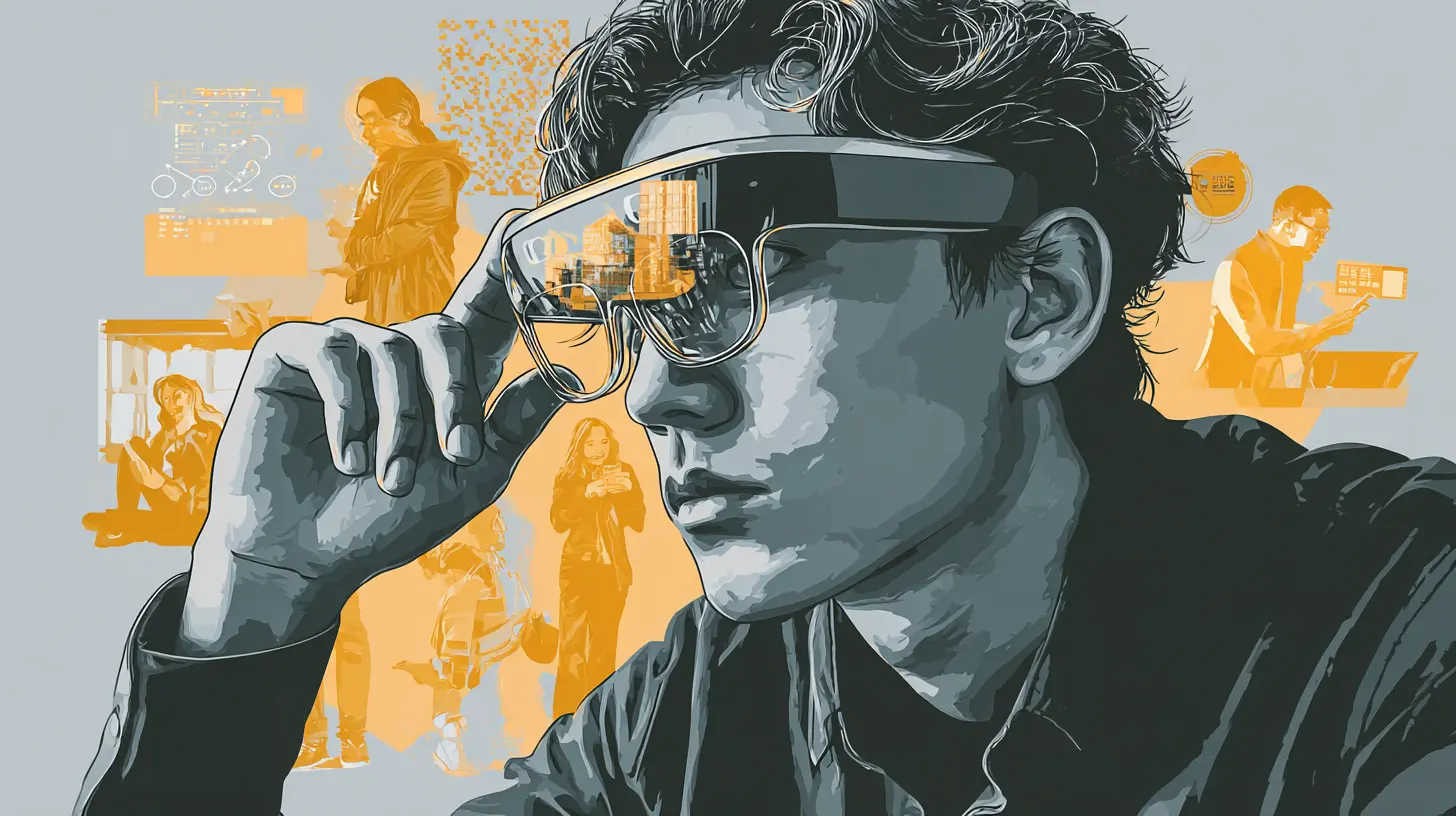
Brands Already Using AR Glasses in Their Marketing Strategy
Believe it or not, forward-thinking brands aren’t waiting around for AR glasses to hit the mainstream — they’re jumping in early.BMW: A New Kind of Test Drive
BMW has experimented with AR glasses that allow customers to experience the inside of a car without physically sitting in it. With AR glasses, potential buyers can examine features, interact with dashboards, and even simulate driving — all digitally. It’s not just cool; it’s cost-effective and scalable.IKEA: Furnishing the Future
IKEA has embraced AR through its app, but imagine when this experience becomes hands-free with glasses. Customers can walk through their home, glance around, and place items like bookshelves or chairs in real time using just eye movements and voice commands. The potential here? Massive.Nike & Adidas: Redefining In-Store Experiences
With AR glasses, walking into a Nike store could become an event. You could see holograms of athletes demonstrating gear performance or even get a personal AR stylist that helps you choose your next running shoe. The blend of entertainment and utility is what makes this so engaging.The Deep Integration with Data and Personalization
Here's where things get even more interesting: AR glasses don’t just show you cool visuals. They can collect a boatload of data — all in real time. Eye tracking, movement patterns, behavioral analytics — all of this gives marketers powerful insights into what users are focusing on and how they interact with products.With AI and machine learning added to the mix, we’re talking hyper-personalized experiences. Picture walking past a coffee shop and seeing a floating hologram of your favorite drink with a “Buy One, Get One Free” offer — just because the store knows you passed by yesterday but didn’t stop in.
Creepy? Maybe. Effective? Absolutely.
Social Media Meets AR: A Match Made in Marketing Heaven
Social media marketing is already a playground for AR, thanks to filters and lenses on platforms like Instagram and Snapchat. But with AR glasses, these interactions could go beyond selfies.Imagine hosting an AR live product launch where viewers see products “in their space” as the influencer talks about them in real time. Or creating location-based AR scavenger hunts that lead users to physical stores or pop-up events. The sky’s truly the limit for creativity.
Challenges and Barriers to AR Adoption
Alright, let's not get ahead of ourselves. As cool as AR glasses are, there are still challenges to tackle.1. Cost and Accessibility
These glasses ain't cheap — yet. For brands, the investment in content creation and tech integration can be steep. And until these devices become more affordable and widespread, major impacts will be limited to early adopters.2. Privacy Concerns
With a device capable of tracking eye movement, location, and interactions — privacy concerns are inevitable. Brands must tread carefully to avoid invading users' personal space, both literally and digitally.3. Tech Limitations
Battery life, display quality, and field of view are still being worked on. We’re not at Iron Man-level HUDs quite yet, but we’re getting there.Despite these challenges, progress is moving fast. As the tech evolves and becomes more accessible, expect AR glasses to be as normal as smartphones in the very near future.
What This Means for the Future of Digital Marketing
So, where do we go from here?AR glasses are reshaping how brands connect with consumers. They're not just changing the channel — they're changing the entire experience. The future marketer is less of a copywriter and more of an experience designer. To succeed, marketers will need to:
- Rethink storytelling to make it immersive.
- Embrace interactivity.
- Develop personalized, data-driven content.
- Collaborate with developers and 3D artists.
- Prioritize ethical data use and transparency.
The brands that adapt fastest? They’ll be the ones leading the next generation of digital marketing. Those who ignore AR’s potential risk being left behind like an abandoned MySpace page.
Final Thoughts
AR glasses are more than just a new gadget; they’re a gateway into a new kind of reality — one where brands and consumers meet eye to eye (literally).Digital marketing is moving from screens to spaces. It’s no longer about getting people to click; it’s about getting them to experience. Whether you're a marketer, brand strategist, or business owner, embracing AR in your marketing strategy isn't a maybe — it's a must. The sooner you start experimenting, the better your odds of staying ahead in this evolving digital landscape.
So, are you ready to see your brand through a new lens?
all images in this post were generated using AI tools
Category:
Ar GlassesAuthor:

Gabriel Sullivan
Discussion
rate this article
1 comments
Aiden Kline
In a world where vision entwines with code, AR glasses illuminate paths unseen. Brands dance in augmented realms, crafting stories that linger, inviting us to explore and engage in ways that spark the imagination...
May 14, 2026 at 3:43 AM
Gabriel Sullivan
Absolutely! AR glasses are reshaping how brands connect with consumers, making experiences more immersive and memorable. It's an exciting frontier for digital marketing.