How Augmented Reality is Shaping the Future of E-commerce
27 January 2026
Let’s face it—shopping online is super convenient. You’re just a few clicks away from ordering that fancy dress, a new couch, or your dream gadget. But there’s always been one big piece missing: the actual in-store experience. You can’t touch, try, or see a product in real life before buying it. Enter Augmented Reality (AR), the game-changing tech that’s blending the digital and physical world like peanut butter and jelly.
AR is not just a buzzword anymore. It’s transforming the e-commerce industry in ways we couldn't have imagined a few years ago. In this article, we’re diving deep into how Augmented Reality is shaping the future of e-commerce, making online shopping smarter, simpler, and way more interactive.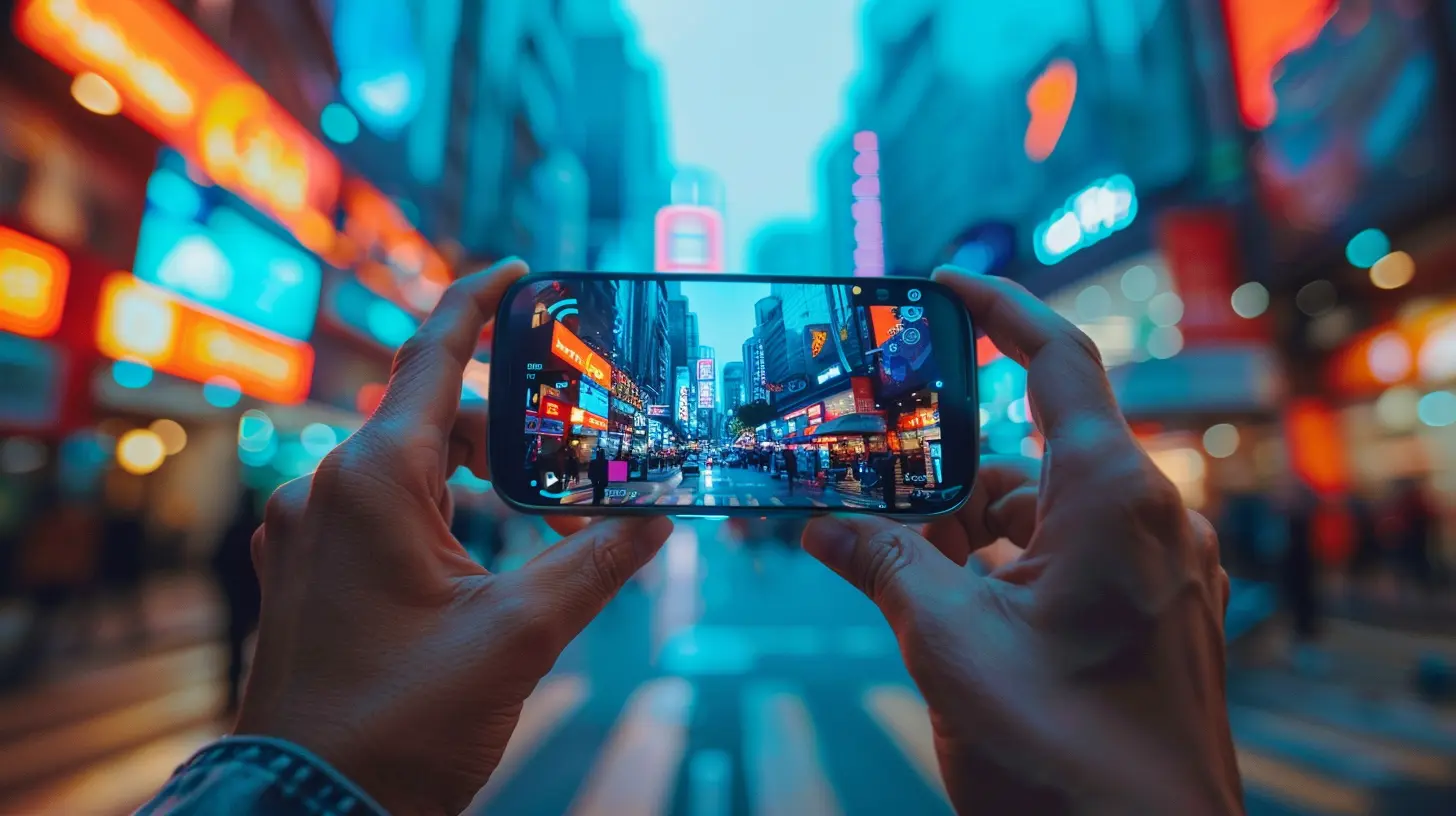
What is Augmented Reality (AR), Really?
Let’s break it down. Augmented Reality—or AR for short—is tech that overlays digital elements (like images, animations, or data) onto your real-world environment through your phone, tablet, or AR glasses. It's like putting a filter over reality that adds cool, interactive stuff.Unlike Virtual Reality (VR), which places you in a whole new digital world, AR enhances your current surroundings without replacing them. Think Pokémon GO, Snapchat filters, or trying on eyeglasses virtually—yep, that’s AR in action.
Now that we’ve got the basics out of the way, let’s unpack how this magical tech is flipping the e-commerce script.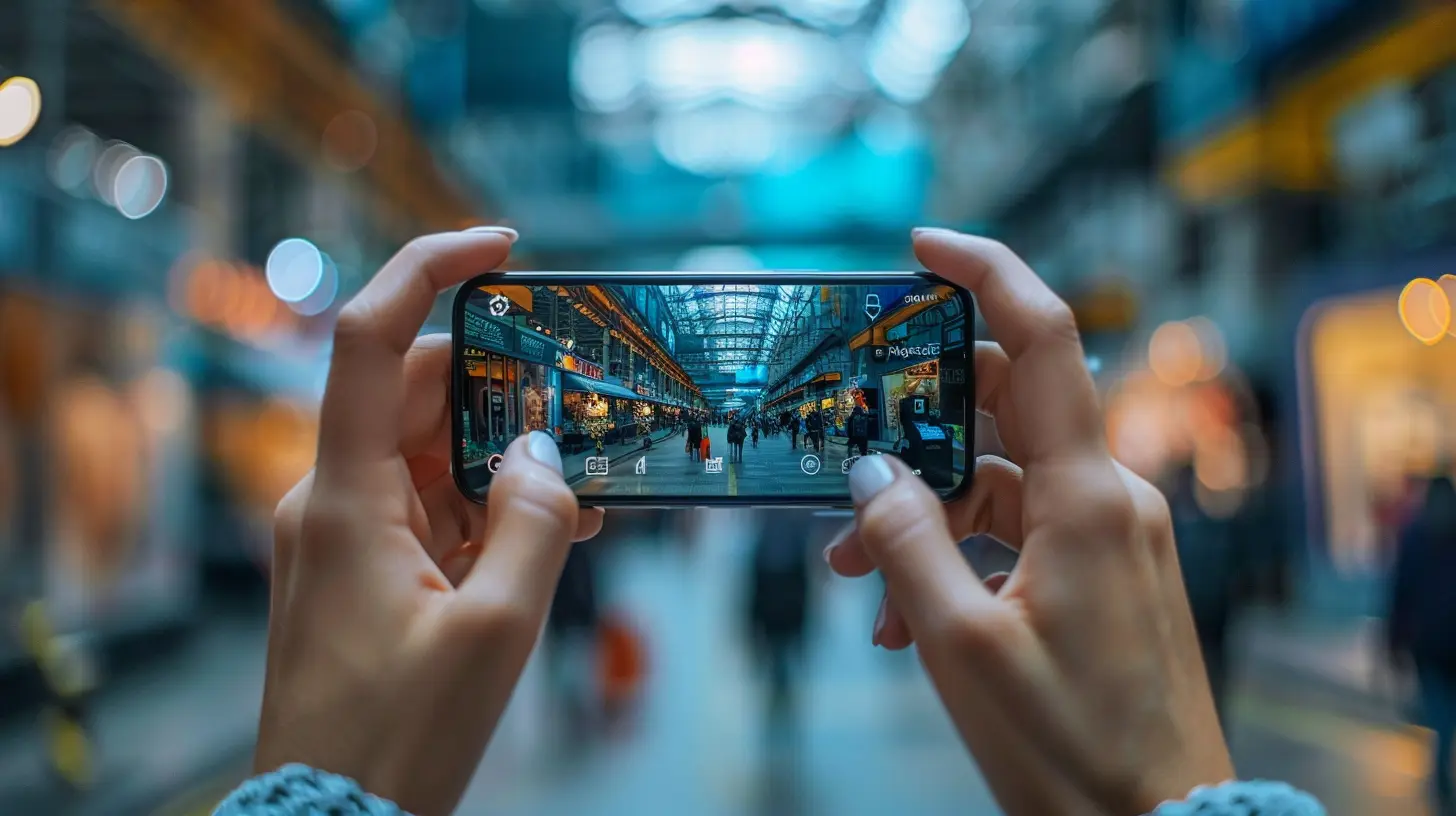
Bridging the Gap Between Online and Offline Shopping
Have you ever bought something online and thought, “This isn’t what I expected”? Yeah, same. That’s because traditional e-commerce lacks the physical experience. AR fills that void.Try Before You Buy—From Your Couch
One of AR’s biggest perks is enabling customers to try products virtually. Whether it's testing out how that red lipstick looks on your face or seeing if the new sofa fits your living room, AR lets you visualize the product in your space or on you before hitting that “Buy Now” button.Fashion brands like Gucci and Nike, beauty giants like Sephora and L’Oréal, and furniture retailers like IKEA are already ahead of the game. With AR, they’ve created immersive try-on experiences that mimic in-store shopping—only now, your phone is the dressing room.
Fewer Returns, Happier Customers
Returns are the bane of every online retailer’s existence. But here’s the thing—AR helps reduce that. When customers feel confident about their purchase thanks to a virtual preview, they’re less likely to return the product. Fewer returns = reduced costs + higher customer satisfaction. It’s a win-win for everyone.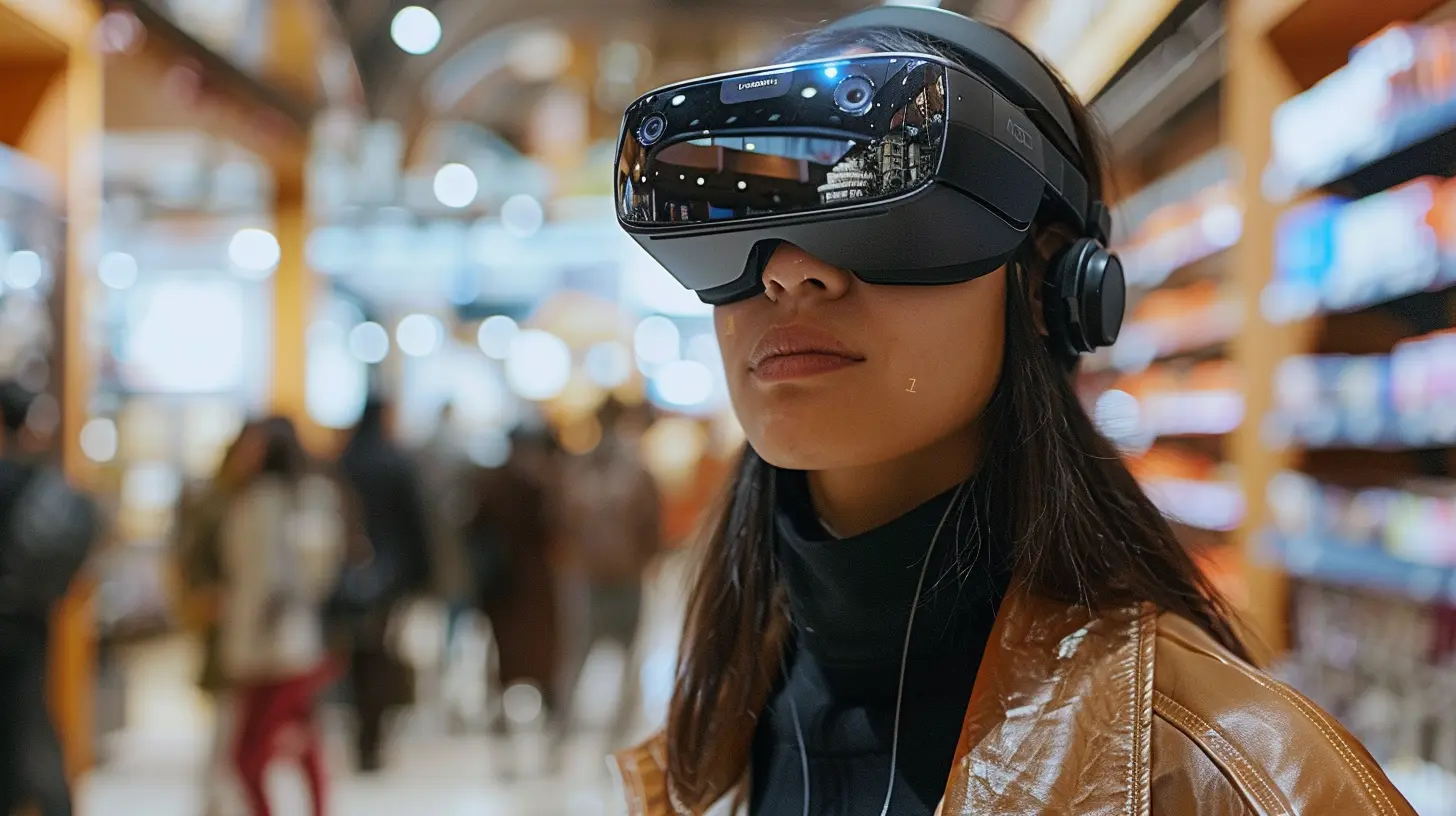
Boosting Buyer Confidence
Imagine trying on a pair of sunglasses virtually and realizing they actually suit your face shape before purchasing. Feels good, right?AR provides a sense of realism and interaction that passive product photos or even videos can’t match. Shoppers can examine items from every angle, zoom in, and see how they behave in real environments. That visual assurance builds trust and makes people feel good about spending their money.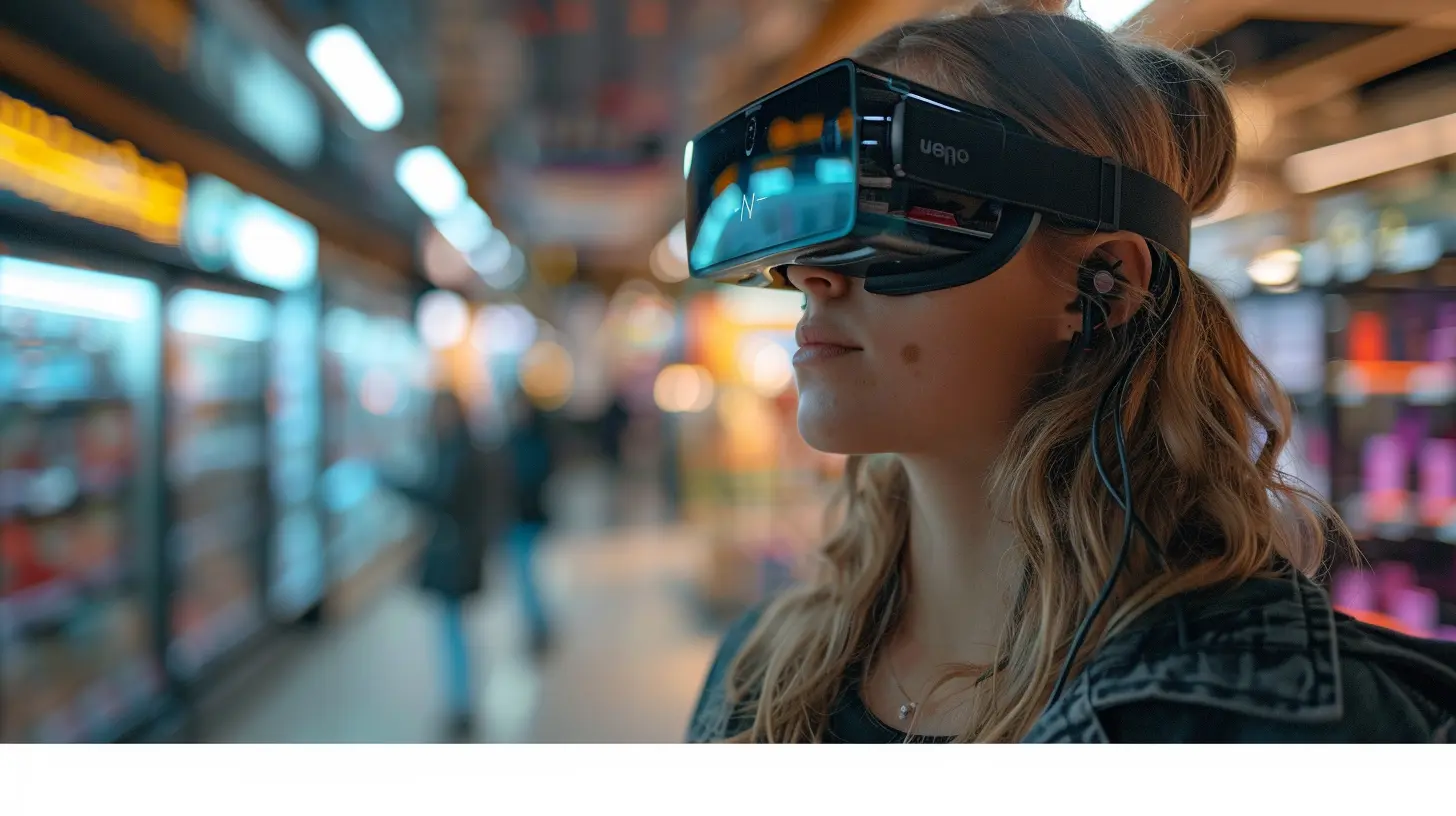
Personalization Like Never Before
Today’s customers crave personalization—one-size-fits-all just won’t cut it. AR delivers on this front in a major way.Virtual Fitting Rooms
Let’s say you’re shopping for clothes online. With AR-powered fitting rooms, you can “try on” outfits in real-time using your phone’s camera. The system adapts clothing to your body size and shape digitally. No awkward changing rooms, no hassle.Some apps even offer style suggestions based on your body type and purchase history. It’s like having a personal stylist, minus the awkward small talk.
Customized Products
AR takes personalization to the next level when it comes to customizing products. Want a custom sneaker with your initials stitched in? Or a sofa in a color that matches your curtains? AR-based tools let users personalize products and instantly see how their changes look before ordering.Driving Engagement Through Immersive Experiences
Plain old product descriptions just don’t cut it anymore. Customers want experiences—and AR delivers just that.Interactive Product Demos
Your customers don’t want to just read about what your product does—they want to see it in action. AR-powered demos let them interact with the product, explore its features, and even test how it works in their space.Tech brands like Apple and Samsung have been using this to let users unbox and explore their products virtually. It keeps potential buyers engaged longer and nudges them closer to purchase.
Gamified Shopping
Who doesn’t love a game? Some brands are turning e-commerce into a fun, game-like experience using AR. Think treasure hunts for discounts, AR filters unlocking hidden deals, or even earning points by “trying on” products.This keeps users coming back and spending more time on the app or website. The longer they're engaged, the higher the chances they’ll make a purchase.
Creating Shareable Content for Social Media
In today’s world, if it’s not on Instagram, did it even happen?AR features help generate social buzz. When users interact with fun AR tools—like trying on funky sunglasses or designing their dream sneaker—they’re more likely to share it on social platforms. This turns customers into brand ambassadors and gives companies a goldmine of free marketing.
Plus, platforms like Instagram and Snapchat have integrated AR shopping tools directly into their apps, making social commerce even more powerful.
Lowering Sales Barriers for Small Businesses
It’s easy to assume that only big players can afford this fancy AR tech. But guess what? AR has become more accessible than ever. Thanks to tools like Shopify AR, Adobe Aero, and Unity, even small businesses can integrate AR features into their e-commerce platforms.By allowing customers to try-before-they-buy, small retailers can compete with big names by offering a modern, confidence-boosting shopping experience—without needing a massive budget.
And let’s be honest—if you’re a small business standing shoulder-to-shoulder with big brands in terms of customer experience, that’s a huge win.
The Tech Behind AR in E-commerce
Now, you might be wondering: what makes all this AR magic possible?Let’s geek out for a sec. AR in e-commerce relies on:
- Computer Vision: The ability of a system to “see” and interpret the real world using a camera.
- 3D Mapping: Creating digital 3D models of objects, faces, or environments.
- Machine Learning: Helps personalize the AR experience by understanding user behavior and preferences.
- WebAR: This allows users to access AR features directly from their browser, no app downloads needed.
With 5G rolling out and phones getting smarter, AR technology is only going to get better, faster, and more seamless.
Challenges and Limitations
Okay, AR sounds awesome—but it's not without bumps in the road.- Device Compatibility: Not all smartphones support AR smoothly.
- High Development Costs: Creating high-quality AR experiences isn’t cheap (yet).
- User Adoption: Some shoppers are still hesitant or unaware of AR functionalities.
- Data Privacy: AR often needs access to camera and location data, which can raise privacy concerns.
Still, most of these challenges are tech-related and are likely to shrink over time as tools become more affordable and widespread.
What’s Next? The Future of AR in E-commerce
So, where is all this heading?Imagine walking through a virtual mall via your VR headset, browsing racks of clothes, and trying them on—all from your living room. Or pointing your phone at a restaurant menu and seeing 3D versions of dishes pop up before you order.
We’re heading towards a world where the boundaries between physical and digital shopping are totally blurred. AR is not just a cool add-on anymore. It’s rapidly becoming a must-have for e-commerce brands looking to stay relevant and ahead of the curve.
Retailers who adopt AR now are setting themselves up for long-term success; those who don’t? Well, they might find themselves left behind in a tech-savvy world.
Final Thoughts
Let’s be real—Augmented Reality isn’t just “nice to have” anymore in the world of online shopping. It’s the future. It’s solving real pain points and making the online shopping experience more transparent, enjoyable, and confidence-boosting.Whether you’re a customer who wants to try a product before you buy it or a business looking to reduce returns and increase engagement, AR has something for everyone. And the best part? We’re only scratching the surface.
So next time you browse through an online store and see an AR button... tap it. The future of shopping is literally at your fingertips.
all images in this post were generated using AI tools
Category:
Augmented RealityAuthor:

Gabriel Sullivan
Discussion
rate this article
2 comments
Callisto Monroe
Augmented Reality is revolutionizing e-commerce by enhancing customer experiences and bridging the gap between online and in-store shopping. Its ability to visualize products in real-world settings is a game-changer for retailers.
March 8, 2026 at 12:03 PM
Gabriel Sullivan
Thank you for your insightful comment! Indeed, augmented reality is transforming e-commerce by creating immersive experiences that enhance product visualization and customer engagement.
Pearl Kirkland
Great insights! Augmented reality is indeed revolutionizing e-commerce by enhancing customer experiences and bridging the gap between online and physical shopping. Excited to see its future impact!
January 30, 2026 at 4:30 AM
Gabriel Sullivan
Thank you! I share your excitement about the transformative potential of augmented reality in e-commerce. It's an exciting time for the industry!