How Fitness Trackers Are Changing the Way We Approach Marathon Training
21 January 2026
So, you've decided to conquer a marathon—or maybe you're just flirting with the idea. Either way, there's a silent coach strapped to almost every runner's wrist these days: the humble fitness tracker. These tiny gadgets have gone from cool accessories to full-blown game-changers in marathon training. But how exactly are they flipping the script on our approach? Let’s lace up and dive in.
The Rise of the Digital Running Buddy
Remember when training for a marathon meant scribbling down your runs in a paper journal, hoping your mileage added up? Fast-forward to today, and we’ve got data... loads of it. With fitness trackers, runners now have real-time access to stats like heart rate, cadence, pace, distance, and even sleep quality.It’s like having a personal coach that never sleeps. Except, this one doesn’t yell at you or make you do extra burpees (unless you want it to).
Real-Time Feedback Is a Game-Changer
One of the biggest perks of using a fitness tracker? Instant feedback. Imagine heading out for a training run and knowing within minutes if you’re pushing too hard—or not enough.These devices monitor:
- Heart rate zones: Helping you stay in those goldilocks zones where you burn fat, build endurance, and avoid burnout.
- Cadence: So you can adjust your stride and prevent injuries.
- Pacing: No more guesswork—you're either on pace or you're not, and your tracker keeps you honest.
Getting constant updates is like having your own pit crew mid-run. It keeps you tuned up and ticking over.
Personalized Training Plans? Yes, Please!
Fitness trackers like Garmin, Fitbit, Coros, and Apple Watch now offer personalized training programs tailored to your current fitness level and race goals. That’s a far cry from the cookie-cutter plans of the early 2000s you'd print off Runner’s World.These modern training plans adapt. If you crushed your last long run, your tracker knows—and it might nudge you to go a bit harder next time. If you had an off day (hey, it happens), it adjusts to give you recovery space.
In short? Your tracker’s not just along for the ride—it’s driving your training journey.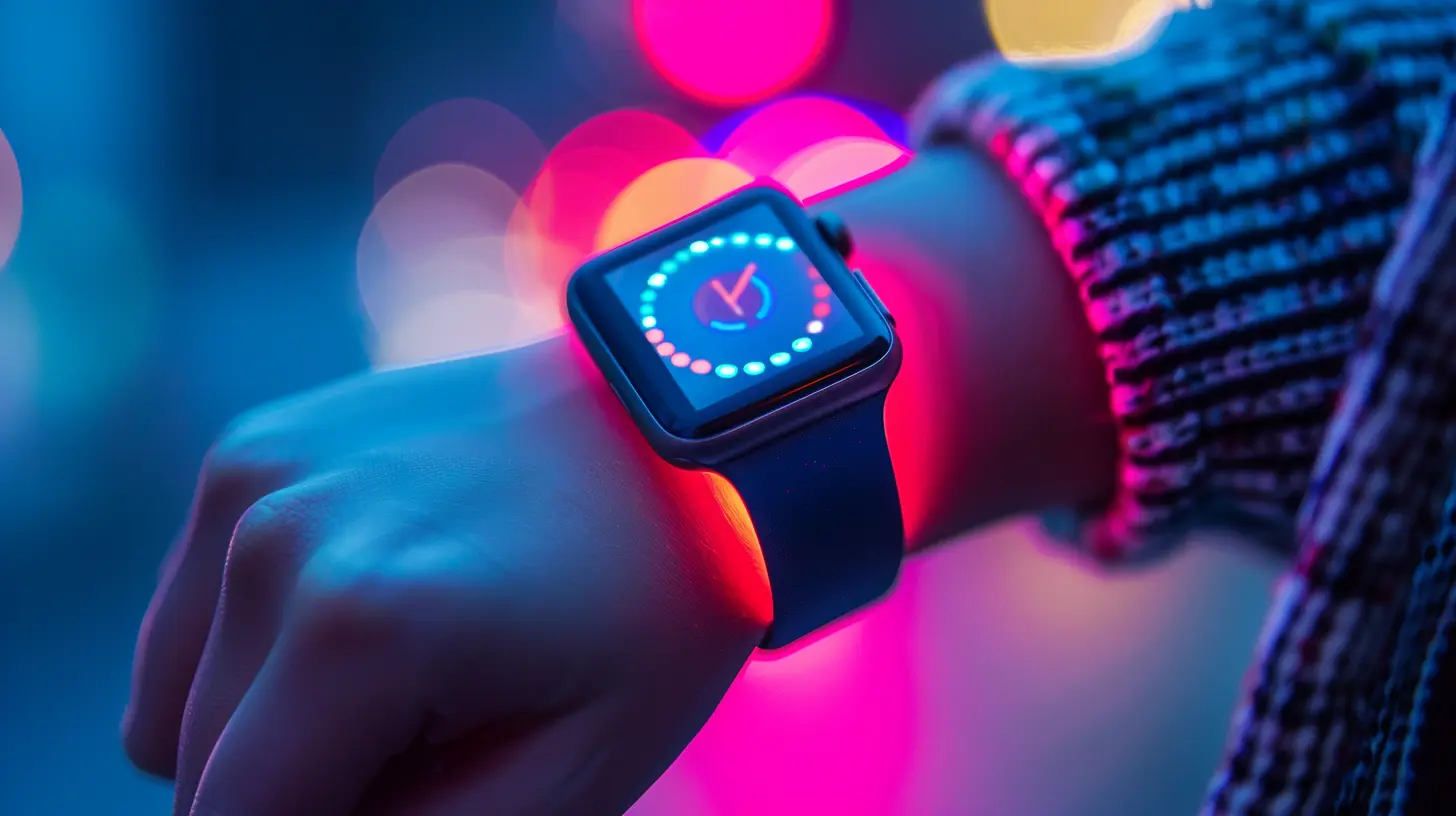
Tracking Sleep and Recovery: The Unsung Heroes
Ask any elite marathoner, and they'll tell you: recovery is as important—if not more—than the training itself. That’s where sleep-tracking steps in.Many fitness trackers now monitor your sleep cycles, heart rate variability (HRV), and even stress levels. When you’re not getting enough quality rest, these devices may suggest lighter activity or rest days.
Think of it like a friend who says, “Maybe skip today’s run and binge Netflix instead.” But, you know, in a constructive way.
Biofeedback = Smarter Training
There’s something magical about knowing what your body’s saying, even when it’s whispering. Biofeedback features like HRV, oxygen saturation, and even skin temperature help runners understand:- When they’re at risk of overtraining
- If they’re coming down with something
- How stress is impacting their performance
Instead of running through the pain or “toughing it out,” runners can now listen to their body—because their tracker is translating it for them.
Fueling and Hydration: Finally Getting the Attention It Deserves
Marathon training isn’t just about logging miles—it’s about keeping your engine running smoothly. And fitness trackers are starting to tackle this, too.Some advanced devices can:
- Prompt hydration reminders based on sweat loss estimates
- Track fueling strategies by syncing with nutrition apps
- Remind you to eat before long runs (because #runger is real)
It's like having a tiny version of your mom on your wrist, gently reminding you to “drink more water.”
Virtual Races and Community: A 21st Century Motivation Boost
One of the coolest outcomes of tech-savvy training? The rise of virtual races and online running communities.Today, platforms like Strava and Nike Run Club integrate with fitness trackers to let you:
- Compare your runs with friends or strangers across the world
- Join virtual marathons
- Compete in challenges that keep your motivation sky-high
It’s like turning your solo runs into a social event—even if you're training alone in the middle of nowhere.
Running Smarter, Not Just Harder
Here’s the truth: anyone can run until they’re blue in the face. But smart runners use data to run efficiently. Fitness trackers are teaching us to:- Listen to our performance trends
- Optimize rest days for real gains
- Tweak workouts to match our body’s readiness
In essence, they’re helping us break free from the “no pain, no gain” mentality. It’s more like: “Train better, not bitter.”
That’s a massive mindset shift, and it’s changing marathon training from brute-force grind to something far more balanced (and sustainable).
Injury Prevention: Your Tracker Has Your Back… and Knees
Overuse injuries are the Achilles’ heel (pun intended) of marathon runners. One wrong move or too much mileage too soon can sideline you for weeks.Fitness trackers are getting smarter about early warning signs:
- Sudden changes in heart rate trends
- Reduced sleep quality
- Decreased recovery scores
These red flags can warn you before you push yourself into an injury. It’s like having your own health alert system. Your watch won't pat you on the back, but it might vibrate and say, “Let’s not do hill repeats today.”
GPS and Route Optimization: Say Goodbye to Getting Lost
Remember printing out MapQuest directions to plan your long runs? (Okay, maybe that’s just me.) Now, with built-in GPS, fitness trackers let you map out routes, track elevation changes, and explore new trails with confidence.Features like route prediction, back-to-start navigation, and elevation gain estimates bring a whole new level of planning to marathon prep. It’s like Google Maps had a baby with a running coach.
Data Syncing and Multi-App Integration
Most modern fitness trackers don’t operate in a vacuum. They sync with everything from MyFitnessPal for diet tracking to TrainingPeaks and Strava for specific workout analysis.You end up with a 360-degree view of your training. You can spot patterns, analyze what’s working, and ditch what’s not.
It’s no longer about “running harder.” It’s about running smarter—and doing it in a way that fits into your lifestyle.
Mental Performance: The Final Frontier?
Here’s a curveball: fitness trackers are starting to nudge into the mental game, too. Think mindfulness reminders, stress tracking, breathing exercises, and even guided meditations on devices like the Apple Watch or Fitbit Sense.Considering how much of marathon running is mental, this is a big deal. These tools help calm the nerves, improve focus, and reduce anxiety before race day.
Think of it as mental squats for your brain—building endurance where it matters most.
The Downsides (Because Nothing’s Perfect)
Alright, let’s keep it real for a sec. Fitness trackers aren’t flawless:- Over-reliance on data: Some runners become obsessed with metrics and lose the joy of running.
- Battery life issues: Mid-run battery death = the stuff of nightmares.
- Pricey upgrades: Not all the cool stuff comes cheap.
Still, when used with balance and common sense, they enhance (not replace) your instinct and experience.
The Future of Marathon Training Looks Bright
Between AI-driven coaching, biometrics, and community features, fitness trackers show no signs of slowing down. We’re heading toward an era where ultra-personalized training, injury reduction, and peak performance become the new standard.Imagine your wearable saying, “Based on your HRV and stress levels, let’s swap today’s tempo run for a yoga session.” Wild, right? But completely plausible.
We're not just running marathons anymore. We're optimizing every step of the journey.
Final Thoughts: You're the Engine, the Tracker’s Just the Dashboard
At the end of the day, remember this: your fitness tracker’s not the star of the show—you are. It’s a tool, a dashboard, a co-pilot. You’re the engine that makes it all move.So, whether you're chasing a sub-3-hour marathon or just want to finish without crawling, tech like fitness trackers can be your secret weapon. Just don’t forget to look up, enjoy the run, and trust your gut every now and then.
Happy training—may your stats always trend upward and your blisters stay far away.
all images in this post were generated using AI tools
Category:
Fitness TrackersAuthor:

Gabriel Sullivan
Discussion
rate this article
2 comments
Bridget Reed
Great insights! Fitness trackers truly empower runners to personalize their training and enhance performance. Keep pushing forward!
March 4, 2026 at 5:37 AM
Gabriel Sullivan
Thank you! I'm glad you found the insights valuable. Fitness trackers indeed revolutionize training for runners. Keep striving for your goals!
Keira Pacheco
Fitness trackers empower runners to personalize training, monitor progress, and maintain motivation, revolutionizing marathon preparation and performance.
January 25, 2026 at 3:39 AM
Gabriel Sullivan
Thank you for your insightful comment! Fitness trackers indeed play a crucial role in enhancing runners' training experiences and outcomes.