How Robotics Is Transforming the Farming Industry
16 August 2026
There is a quiet revolution happening in agriculture, and it is not in a laboratory or a tech startup's office. It is out in the open fields, among the rows of corn, in the orchards, and inside the massive greenhouses that feed our cities. The farmworker of the future is increasingly a robot, and this shift is not a distant possibility. It is happening right now, and it is changing the economics, the environmental impact, and the very nature of what it means to grow food.
For decades, farming has been a battle against variables. Weather, soil quality, pests, and the relentless passage of time all conspire against the grower. The human response has always been to throw more labor at the problem. But labor is scarce, expensive, and physically demanding. Robotics offers a different path: precise, tireless, and data-driven intervention. This is not about replacing the farmer. It is about giving the farmer superpowers.
The Core Shift: From Automation to Autonomy
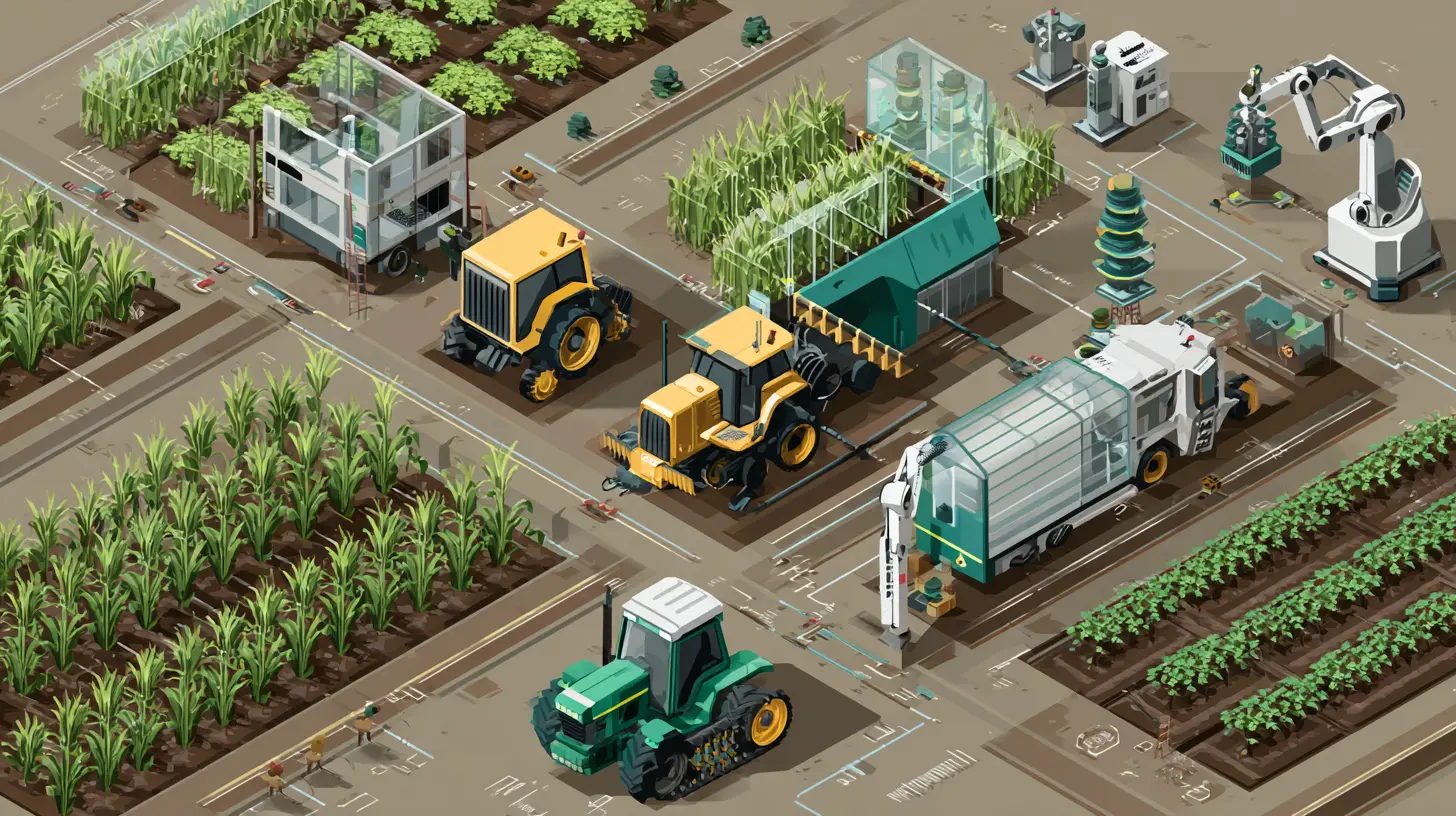
It is important to distinguish between automation and autonomy. Automation has been in farming for decades. A combine harvester with a GPS guidance system is automated. It follows a pre-programmed path, but a human sits in the cab, monitors the systems, and makes decisions. Autonomy is different. An autonomous robot perceives its environment, makes decisions in real-time, and acts without direct human control.This shift from automation to autonomy is the true transformation. A robot that can identify a ripe strawberry, assess its quality, and gently pick it without bruising is not just automating a task. It is performing a cognitive and physical task that previously required a skilled human eye and hand. This is where the value lies, and it is why the industry is seeing an explosion of specialized agricultural robots, often called agribots or agri-robots.
Precision Weeding: The End of the Spray-Everything Era
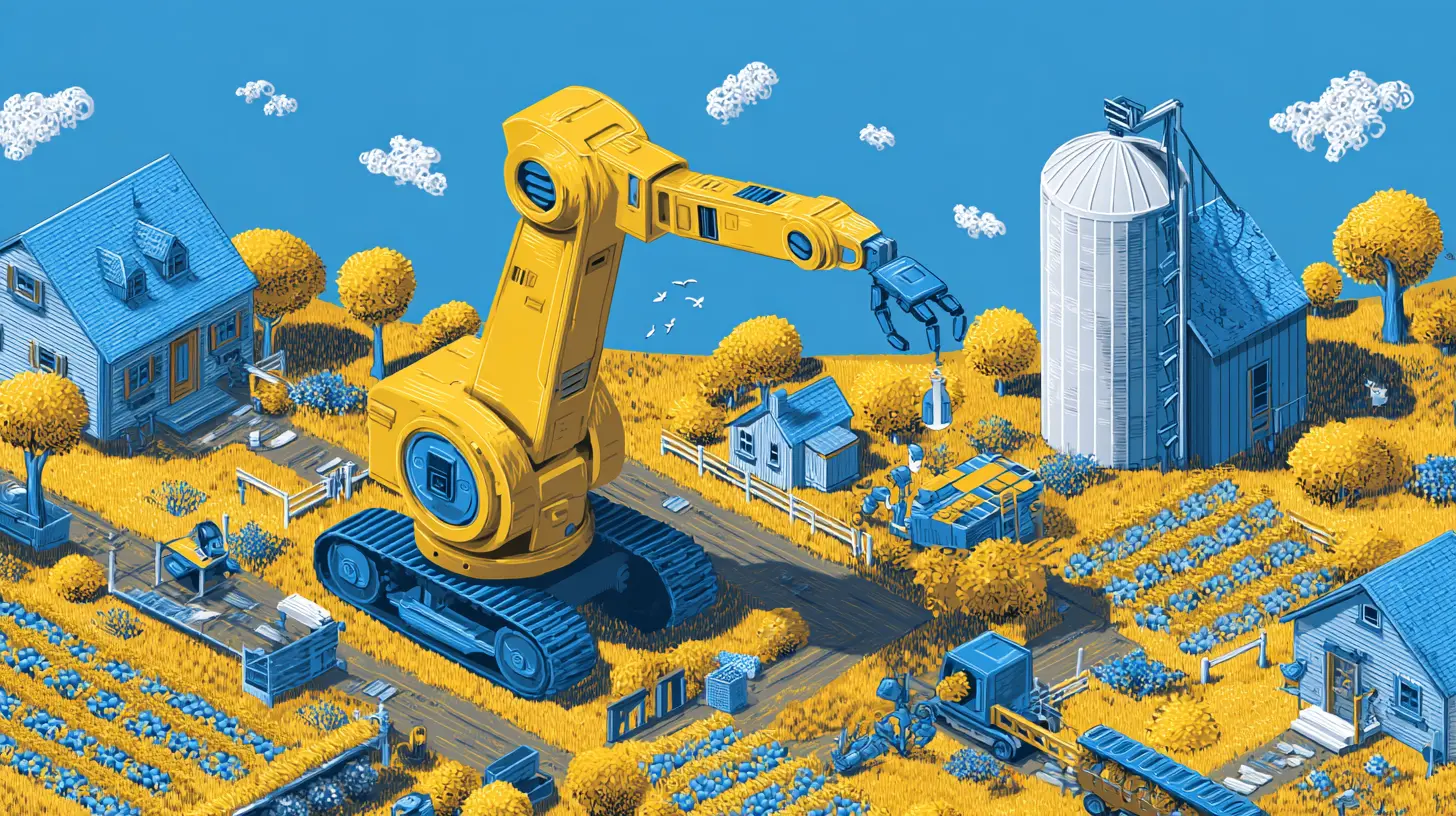
One of the most impactful and immediately practical applications of robotics is in weed control. For over a century, the standard practice has been broadcast spraying. You spray the entire field with a herbicide, hoping to kill the weeds without killing the crop. This is inefficient, expensive, and increasingly problematic due to herbicide-resistant weeds.Robotics changes this completely. Companies have developed robots that use computer vision to scan the ground in real-time. They can differentiate between a crop plant and a weed with remarkable accuracy. When a weed is detected, the robot can either spray a targeted micro-dose of herbicide directly onto the weed or, better yet, physically remove it with a mechanical arm or a high-voltage zap.
The implications are profound. First, you can reduce herbicide use by up to 90 percent or even eliminate it entirely in some cases. This is a massive environmental win, reducing chemical runoff into waterways and preserving beneficial insects. Second, it slows the development of herbicide-resistant weeds because you are not applying selection pressure across the entire field. Third, it saves money. Herbicides are expensive, and using less of them directly impacts the bottom line.
However, this technology is not a one-size-fits-all solution. These weeding robots are most effective in high-value crops like vegetables, where the cost of the robot is justified by the high cost of hand-weeding or the high value of the crop. For a field of commodity soybeans, the economics are tighter. The robot might be slower than a large sprayer, and speed matters when you have a narrow window to treat a field. The trade-off is between input cost savings and time efficiency. A farmer must consider their specific crop, field size, and weed pressure before investing in this technology.
Harvesting: The Final Frontier
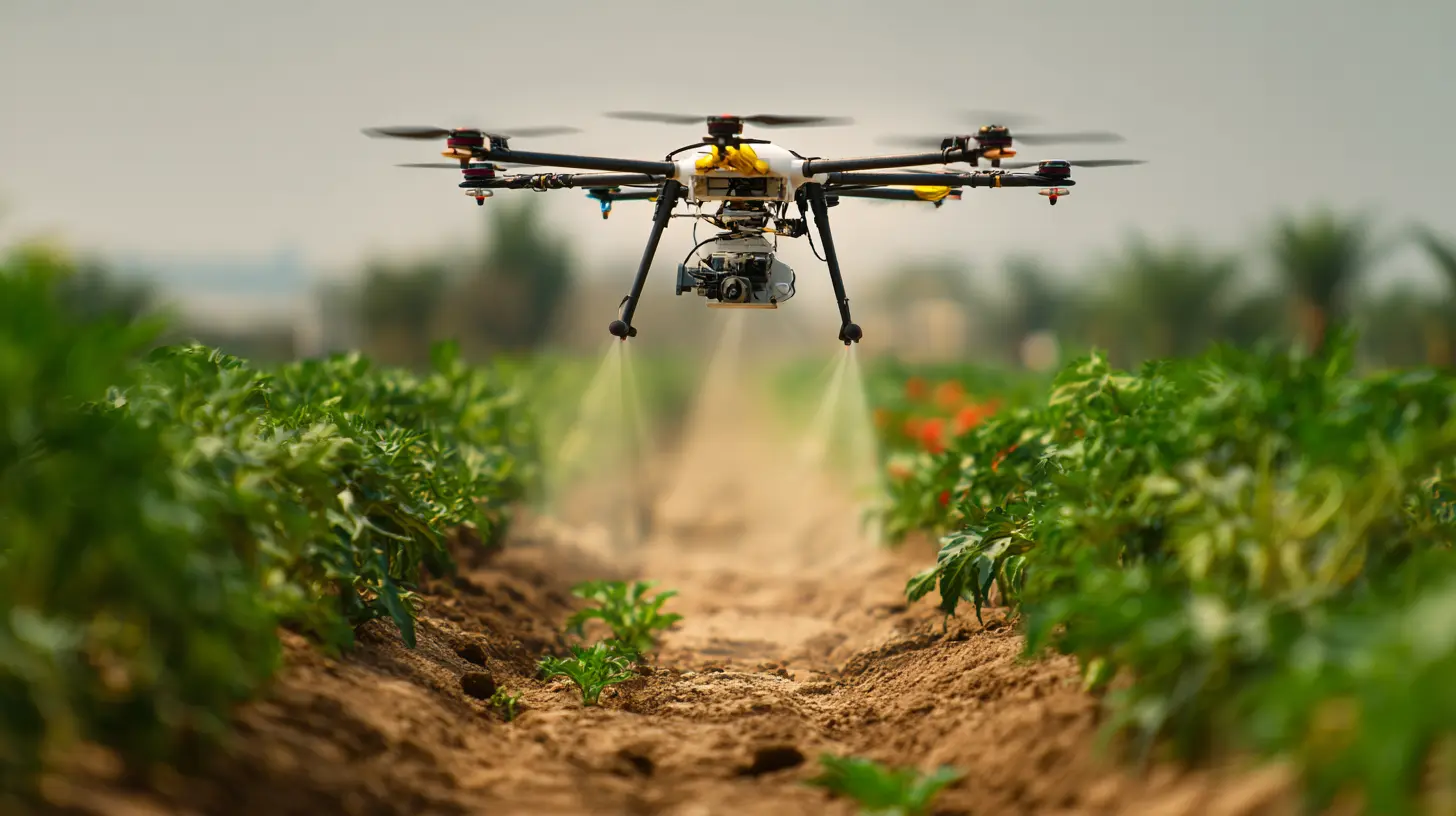
Picking fruit and vegetables is the most labor-intensive and delicate task in agriculture. It is also where robotics has struggled the most. You cannot just grab an apple with a robotic claw. You need to see it, judge its ripeness, understand its orientation, and apply just the right amount of force to detach it from the stem without damaging the fruit or the tree.Recent advances in soft robotics and machine vision are making this possible. Soft grippers, made from pliable materials that mimic the human hand, can grasp delicate produce like berries and tomatoes without crushing them. Vision systems can now assess color, size, and even sugar content using spectral analysis to determine ripeness.
The impact of harvesting robots is most significant in crops that rely on seasonal migrant labor. Strawberries, for example, are notoriously labor-intensive. A human picker can harvest a strawberry field multiple times a season as the berries ripen at different times. A robot that can do this around the clock, without fatigue, and without needing housing or visas, is a game-changer for growers in regions where labor is scarce.
But there are caveats. Current harvesting robots are often slower than their human counterparts. A skilled picker is incredibly fast. A robot might be more consistent and work longer hours, but it struggles with complex scenarios, such as crops that are partially hidden by leaves or fruits that grow in clusters. The technology is excellent in controlled environments like greenhouses, where the layout is predictable. In the open field, it is still catching up. The best approach right now is a hybrid model, where robots work alongside humans, handling the bulk of the repetitive picking while humans focus on the tricky cases and quality control.
The Rise of the Robot Fleet: Small, Nimble, and Connected
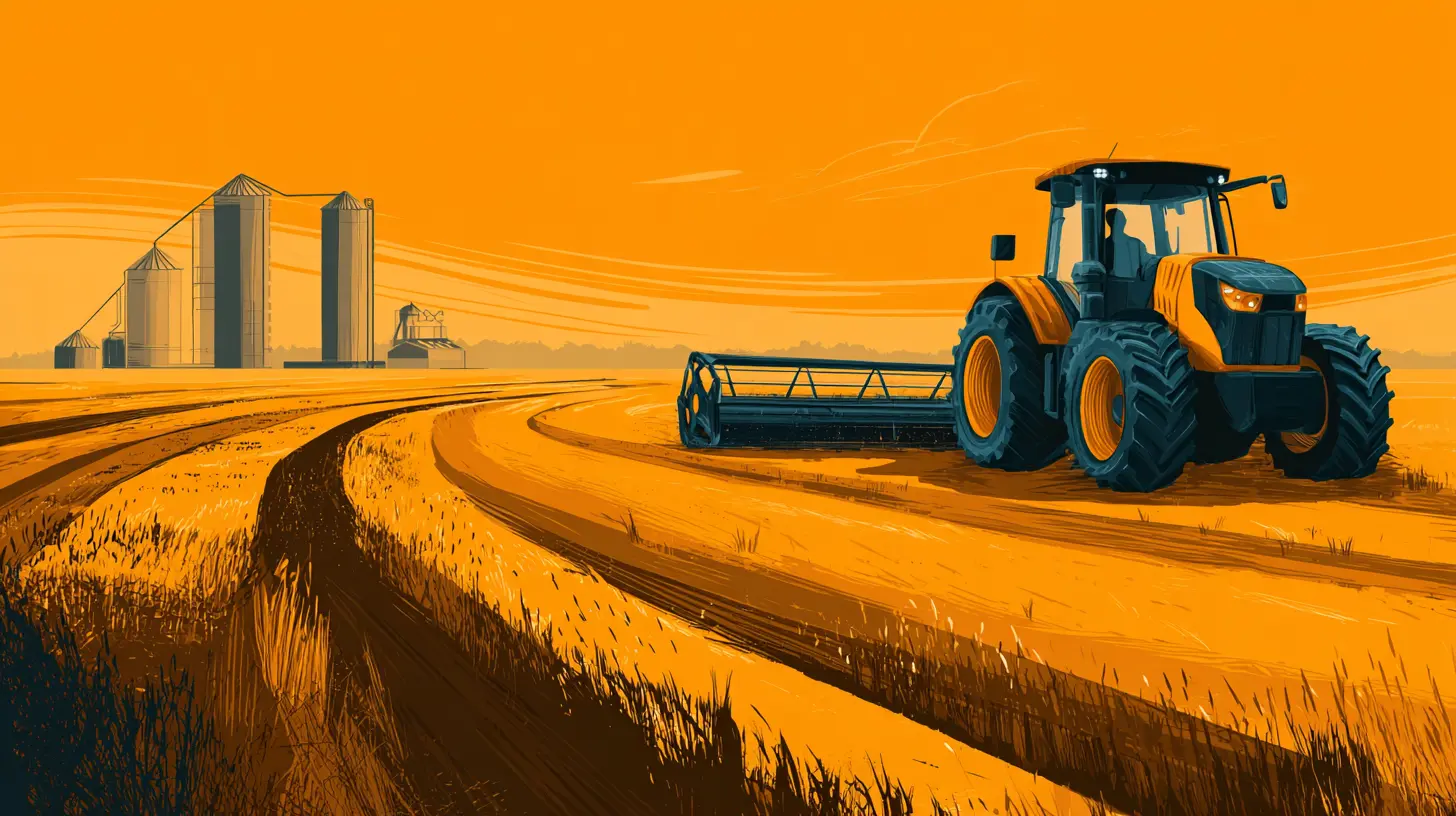
The traditional model of agriculture involves large, expensive machines. A tractor with a 120-foot boom sprayer is a marvel of engineering, but it is also a blunt instrument. It compacts the soil, is expensive to maintain, and can only operate when conditions are perfect.Robotics is enabling a shift toward smaller, lighter, and more numerous machines. Instead of one giant tractor, a farm might deploy a fleet of small, autonomous robots that work in coordination. These robots can be deployed at any time, even when the soil is slightly damp, because they are light enough not to cause significant compaction. They can be equipped with different tools for different tasks, making them versatile.
This "swarm" approach is not just about size. It is about data. Each robot is a sensor platform. As it moves through the field, it can collect data on soil moisture, nutrient levels, plant health, and pest pressure. This data is aggregated and analyzed to create a hyper-detailed map of the farm. This is the essence of precision agriculture, and robotics is the vehicle that delivers it.
The downside of the swarm model is complexity. Managing a fleet of 20 robots is more complicated than managing one tractor. You need software to coordinate their movements, monitor their battery levels, and ensure they do not collide. You also need a reliable charging and maintenance infrastructure. For a large-scale grain farmer, a single, massive autonomous combine might still be more efficient than a swarm of small harvesters. The swarm model is most applicable to specialty crops and high-value horticulture.
Soil Health and Regenerative Agriculture
Robotics is not just about doing the same tasks better. It is enabling entirely new farming practices that are better for the soil. Traditional tillage, which involves plowing the soil to prepare for planting, is destructive. It leads to soil erosion, destroys soil structure, and releases carbon into the atmosphere. No-till farming is a better practice, but it often requires heavy machinery and specific techniques.Robotics can help bridge this gap. Small, autonomous robots are light enough to work in no-till fields without compacting the soil. They can plant seeds at precise depths, apply fertilizers in targeted micro-doses, and manage cover crops more effectively. They can even perform "mechanical weeding" without disturbing the soil structure, which is a cornerstone of regenerative agriculture.
robots can assist in intercropping, which is the practice of growing two or more crops in the same field. This is a complex practice that is difficult to manage with large machinery. Robots, however, can be programmed to navigate between different crop rows and treat each one differently. This leads to more biodiversity, better pest control, and healthier soil. The ability to manage complexity is a key advantage of robotics that is often overlooked.
The Data Economy and the Connected Farm
The true value of robotics in farming may not be in the physical work they do, but in the data they generate. Every robot is collecting a constant stream of information. This data, when analyzed, provides insights that were previously impossible to obtain.For example, a robot scouting a field can identify a nutrient deficiency in a specific corner of the field days before it becomes visible to the human eye. The farmer can then deploy another robot to apply a targeted dose of that specific nutrient to that specific area. This is the ultimate form of precision agriculture, and it is only possible with robotics.
This data creates a new layer of decision-making. Farmers are no longer relying on gut feeling or broad regional averages. They are using real-time, field-specific data. This improves yield, reduces waste, and increases profitability. It also creates a digital record of the farm, which can be valuable for traceability and for meeting sustainability certification requirements.
However, this data-driven approach has a significant barrier: data ownership and interoperability. Farmers are increasingly worried about being locked into a single vendor's ecosystem. If you buy robots from one company and sensors from another, will the data integrate? Who owns the data? Can you take it with you if you switch brands? These are critical questions. The industry is moving toward open standards, but it is a slow process. Farmers should demand that their equipment supports common data formats and that they retain ownership of their own data.
Economic Considerations: The Real Cost of Robotics
The most common misconception about agricultural robotics is that it is only for large, wealthy farms. While it is true that the upfront cost is significant, the economics are changing faster than many realize.The cost of sensors, cameras, and computing power has plummeted. A robot that cost USD 100,000 a decade ago might cost USD 20,000 today. More importantly, the value proposition is not just about labor savings. It is about yield improvement, input reduction, and the ability to do tasks that are impossible for humans.
For a small-scale organic farmer, a weeding robot might pay for itself in two seasons by eliminating the need for a large crew of hand weeders. For a large-scale farmer, the value is in the data that optimizes every input. The decision should not be based on the sticker price alone but on the return on investment over the robot's lifespan.
There is also the question of maintenance and expertise. A farmer needs to be able to troubleshoot a robot. This is a new skill set. Some companies offer robot-as-a-service models, where you rent the robot and the company handles all maintenance. This lowers the barrier to entry. However, it also means you are dependent on the service provider. The best approach is to start small, with a single robot for a specific task, and scale up only after you have built the internal capacity to manage it.
Common Mistakes and How to Avoid Them
Many farms rush into robotics and fail because they treat it as a simple tool purchase. It is not. It is a system change. Here are some common mistakes:Mistake 1: Buying the Robot Before Defining the Problem. You do not buy a robot because it is cool. You buy it to solve a specific pain point. Is it labor scarcity? Is it herbicide resistance? Is it poor data visibility? Define the problem first, then look for the robot that addresses it.
Mistake 2: Ignoring the Software. The hardware is only half the story. The software that processes the data and controls the robot is where the intelligence lies. A robot with poor software is just a dumb machine. Evaluate the user interface, the reporting features, and the ease of integration with your existing farm management software.
Mistake 3: Expecting Perfection. Robots are not perfect. They will make mistakes. They will get stuck. They will need updates. A farm that is not prepared to iterate and troubleshoot will be disappointed. Start with a pilot project, not a full-scale deployment.
Mistake 4: Neglecting the Human Element. Introducing robotics is a change management challenge. Your existing workers may feel threatened. You need to communicate clearly that the robot is there to help them, not replace them. The most successful implementations are those where the farmworkers are involved in the rollout from the beginning and are trained to work alongside the robots.
The Future: A Symbiotic Relationship
The future of farming is not one where robots replace humans entirely. It is a symbiotic relationship. The human provides strategic oversight, complex problem-solving, and a deep understanding of the ecosystem. The robot provides tireless precision, data collection, and the ability to perform repetitive tasks without error.We are moving toward a concept known as "Farming as a Service," where a farmer might not own any robots at all. Instead, they subscribe to a service that sends a fleet of robots to their field at the right time to perform specific tasks. This model is particularly appealing for small and medium-sized farms that cannot afford to buy robots outright.
We will also see more integration with other technologies. Artificial intelligence will make robots smarter and more adaptable. 5G connectivity will enable real-time communication between robots and the cloud. Drones will work in tandem with ground robots, providing a bird's-eye view while the ground robots handle the details.
The environmental benefits are immense. We are looking at a future of farming that uses less water, fewer chemicals, and less energy. We are looking at a future where soil is healthier, and food is more nutritious. Robotics is not just a tool for efficiency. It is a tool for sustainability.
Practical Steps for Getting Started
If you are a farmer or a stakeholder in the agricultural industry, do not wait. Here is a practical roadmap.First, conduct a thorough assessment of your operations. Identify the top three bottlenecks in your workflow. Rank them by cost and impact.
Second, attend agricultural technology trade shows and conferences. See the robots in action. Talk to other farmers who have implemented them. Do not rely on marketing materials.
Third, start with a small, low-risk pilot. Choose a single task, such as scouting or weeding on a specific field. Measure the results against your baseline. Track not just the time saved, but the yield and input changes.
Fourth, invest in your own technical literacy. You do not need to become a software engineer, but you should understand the basics of data management and connectivity. This will help you make better purchasing decisions and negotiate better service contracts.
Finally, be patient. The technology is improving rapidly. A robot that is not suitable for your operation today might be perfect in two years. But the farms that will thrive are the ones that start building the knowledge and infrastructure now. The robots are coming, and they are bringing a new era of abundance and resilience to the fields that feed us.
all images in this post were generated using AI tools
Category:
Robotics TechnologyAuthor:

Gabriel Sullivan