How Robotics Will Impact Job Markets by 2027
17 April 2026
Let’s be honest: the word “robotics” in a headline about jobs can send a shiver down your spine. Visions of sleek, silent machines seamlessly taking over every task from welding cars to brewing coffee flood our collective imagination. It’s easy to picture a future of widespread unemployment, a dystopian landscape where human workers are obsolete. But is that the full picture? What if I told you that the story of robotics and jobs by 2027 is less about a hostile takeover and more about a profound, messy, and inevitable partnership? It’s a story of displacement, yes, but also of creation, transformation, and a fundamental reshaping of what “work” even means.
By 2027—that’s barely three years from now—the integration of robotics into our daily economic fabric will have moved from speculative fiction to tangible reality. This isn’t about far-off science fiction; it’s about the next business quarter, the next hiring cycle, the next career decision you or someone you know might make. So, let’s pull back the curtain and take a balanced, fair look at exactly how this robotic wave will crash upon the shores of the global job market.
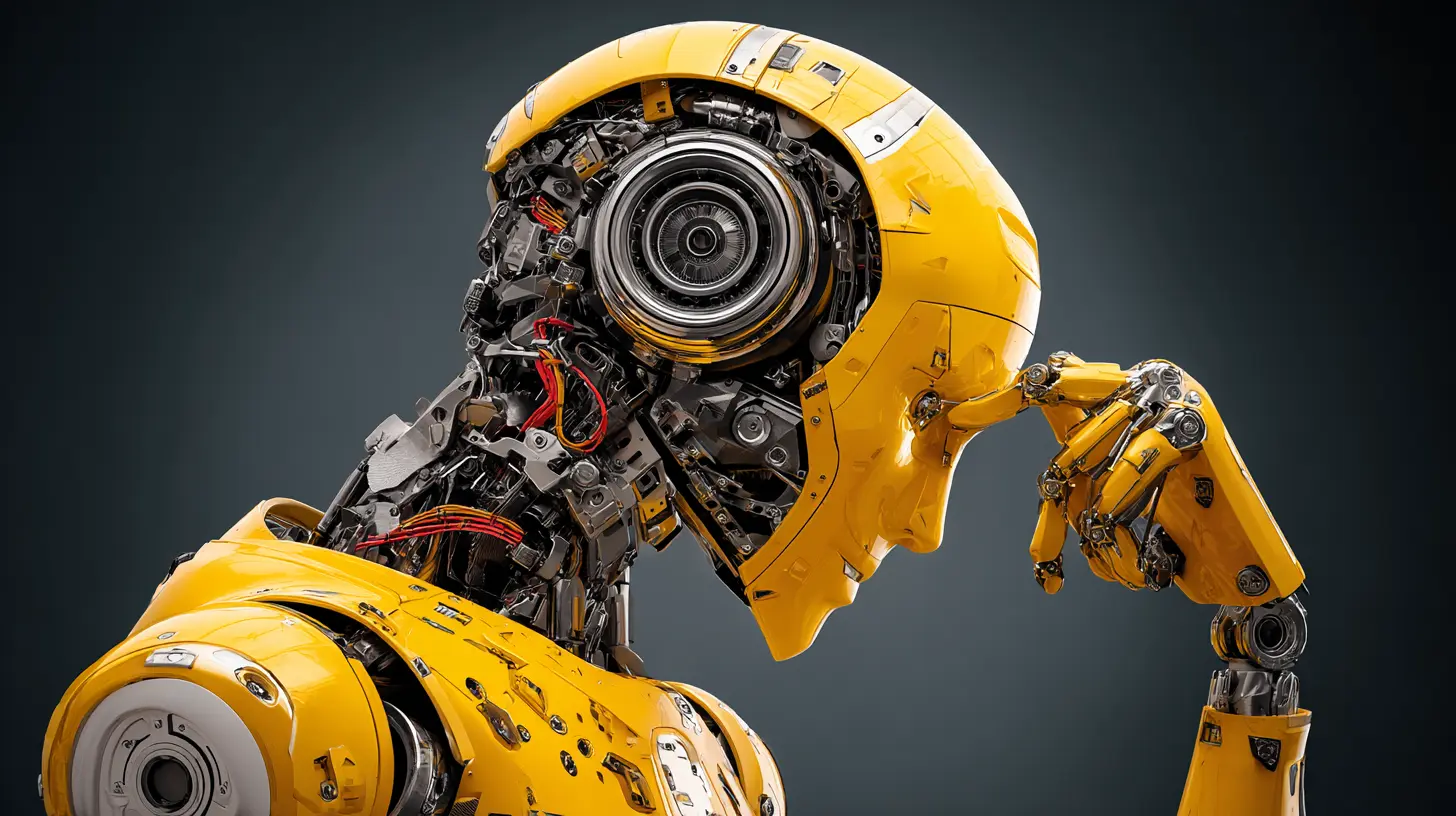
The Inevitable Shift: Understanding the Forces at Play
First, we need to understand what’s driving this acceleration. Why is 2027 a meaningful milestone? Several technological and economic currents are converging like tributaries into a powerful river.The Trifecta of Advancement: Robotics is no longer just about clunky, caged arms in factories. We’re seeing the rise of cobots (collaborative robots) that work safely alongside humans, autonomous mobile robots (AMRs) that navigate warehouses and hospitals, and AI-powered systems that give robots unprecedented decision-making abilities. Couple this with advances in sensor technology, machine vision, and cheaper, more powerful computing, and you have a recipe for rapid, scalable deployment.
The Economic Imperative: For businesses, the equation is becoming increasingly clear. In a world of supply chain uncertainties, aging populations in developed nations, and constant pressure on margins, robotics offers a path to resilience, consistency, and (eventually) cost-efficiency. The initial investment is high, but the long-term promise of 24/7 productivity, reduced errors, and handling of dangerous or mundane tasks is a powerful lure.
The Pandemic Catalyst: Let’s not forget the recent past. COVID-19 acted as a massive accelerator. It highlighted the vulnerabilities of human-centric supply chains and exposed workers to health risks in crowded environments. Suddenly, the idea of robots for warehouse logistics, sanitation, and even remote presence in factories went from “nice-to-have” to “critical-to-survive.”
So, the train has left the station. The question isn’t if robotics will impact jobs, but how. And that impact is a spectrum, not a single point.
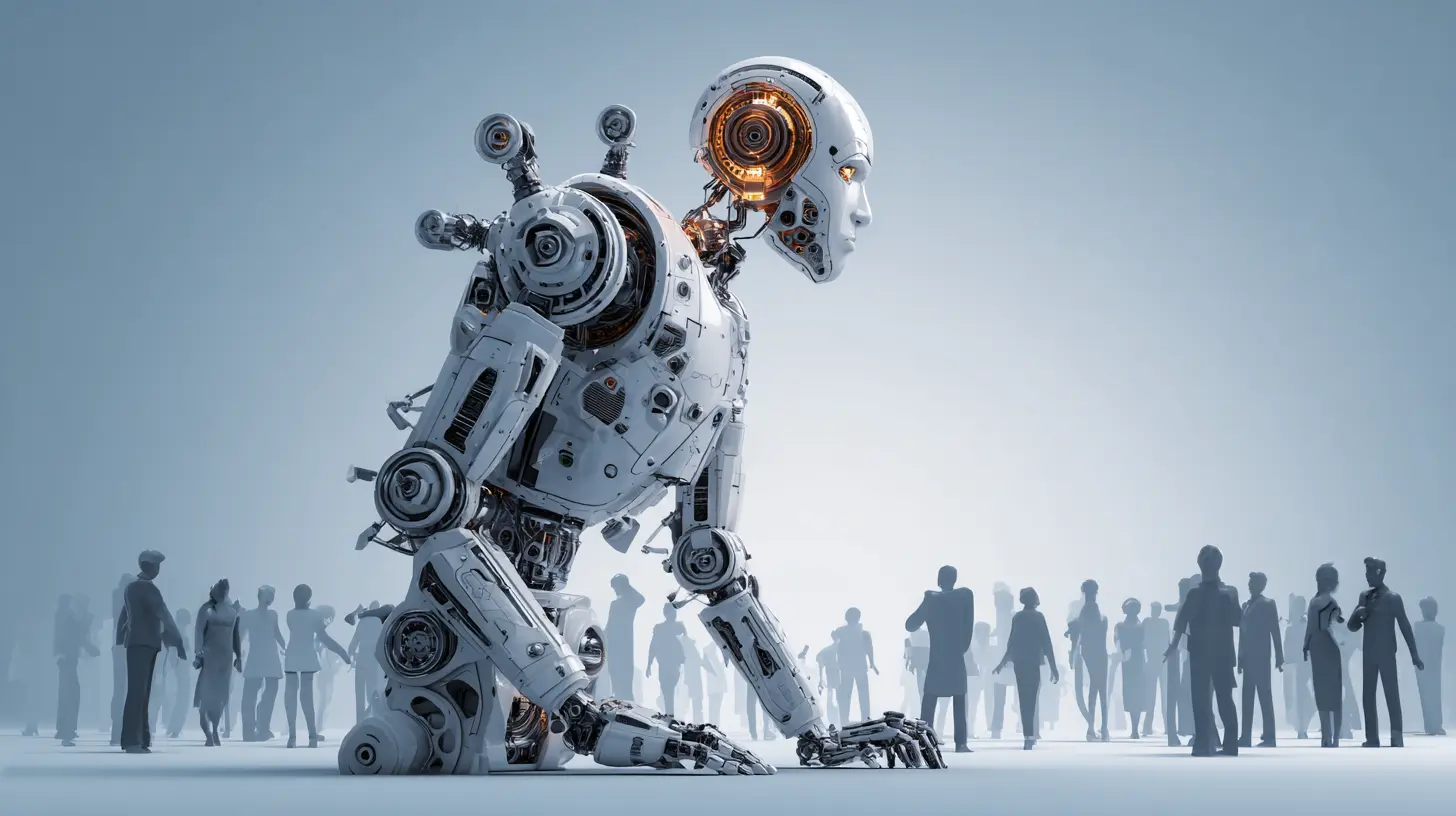
The Displacement Dilemma: Which Jobs Are Most at Risk?
We can’t have an honest conversation without addressing the elephant in the room: job loss. Certain roles are highly susceptible to automation by 2027. These aren’t necessarily "low-skill" jobs, but rather jobs built on highly repetitive, predictable physical tasks and structured data processing.* Manufacturing & Warehousing: This is the classic ground zero. Robotic arms for assembly, painting, and welding are already sophisticated. By 2027, we’ll see near-total automation in many production lines, alongside fleets of AMRs and automated guided vehicles (AGVs) managing entire logistics hubs. Picker-and-packer roles will diminish, shifting towards robot oversight and exception handling.
* Routine Office & Administrative Tasks: Think of software "robots" or Robotic Process Automation (RPA). These digital workers can already handle data entry, invoice processing, report generation, and standard customer communication. By 2027, RPA will be a standard office tool, absorbing the repetitive core of many back-office functions.
* Retail & Hospitality: Self-checkout kiosks are just the beginning. Inventory robots scanning shelves, robotic kitchen assistants for food prep, and even automated cleaning systems will reduce the need for certain stock, kitchen, and janitorial staff. The front-of-house experience may still be human, but the back-of-house will look very different.
* Transportation & Delivery: While fully autonomous long-haul trucks might still be on the horizon, confined environments like ports, mines, and large industrial campuses will see widespread adoption. Last-mile delivery robots and drones will begin making a tangible dent in urban delivery jobs.
The hard truth is that for workers in these roles who do not adapt or upskill, the transition will be painful. It’s a disruption that demands proactive policy, corporate responsibility, and personal initiative.

The Creation Counterweight: New Jobs We Can’t Yet Imagine
Now, here’s the hopeful flip side. History shows us that technological revolutions, while displacing some jobs, ultimately create new ones—often in categories we couldn’t have predicted. The rise of the internet didn’t just kill travel agents; it created SEO specialists, app developers, and social media managers.By 2027, we will see the solidification of entirely new career paths centered around the robotic ecosystem:
* Robot Mentors & Overseers: Someone needs to train, supervise, and maintain these machines. Roles like Robot Coordinators, Automation Technicians, and Cobot Safety Specialists will be crucial. These are hands-on, technical jobs that require a blend of mechanical, software, and problem-solving skills.
* The Human-Robot Interaction (HRI) Field: Designing interfaces and workflows so humans and robots can work together intuitively is a huge challenge. This will spawn jobs for HRI UX Designers, Collaboration Process Engineers, and even "Robot Trainers" who teach AI systems through demonstration.
* Ethics & Governance Architects: As robots make more decisions, who is accountable? We’ll need Robotics Ethicists, AI Compliance Officers, and Automation Policy Managers to navigate the murky waters of safety, bias, and legal liability.
* Specialized Technicians & Programmers: The demand for mechatronics engineers, robotics software developers (especially for ROS - Robot Operating System), and predictive maintenance analysts will skyrocket. These are high-skill, high-wage positions.
Think of it like the automotive industry. It didn’t just put horse-and-buggy drivers out of work; it created millions of jobs in manufacturing, road construction, traffic policing, auto repair, and gas station operation. The robotics industry will build its own analogous ecosystem.
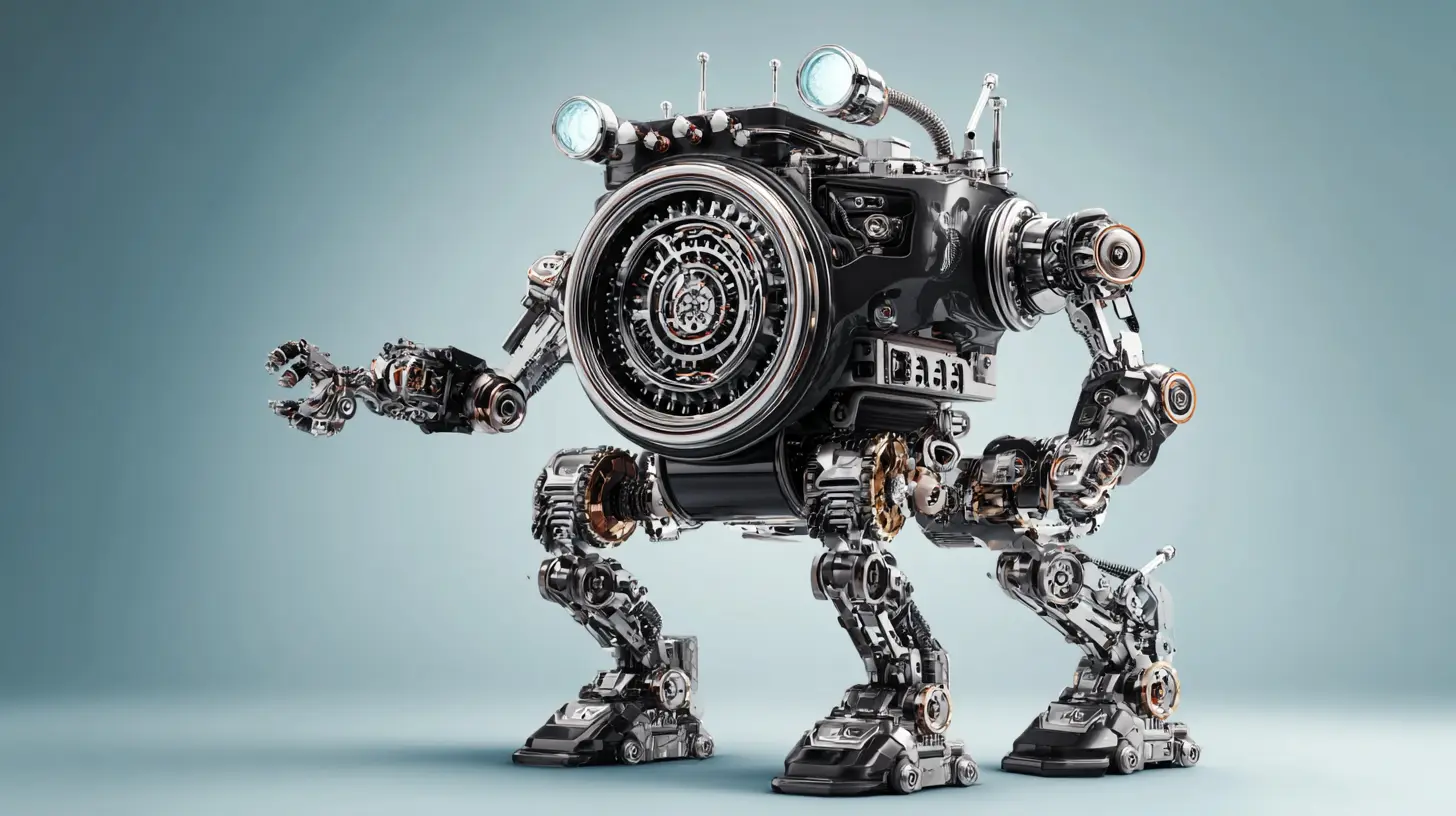
The Transformation Tide: Jobs That Won’t Disappear, But Will Evolve
This is perhaps the largest category of all. For most of us, robotics won’t mean unemployment or a brand-new career; it will mean a transformed toolkit. The robot becomes our co-pilot, not our replacement.* The Surgeon & the Surgical Robot: The surgeon’s skill isn’t replaced; it’s augmented with superhuman precision, smaller incisions, and better patient outcomes. The surgeon’s role evolves to master the technology.
* The Farmer & the Agribot: The farmer becomes a data-driven manager of a fleet of autonomous tractors, drones monitoring crop health, and robotic harvesters. The job shifts from manual labor to strategic oversight and tech management.
* The Accountant & RPA: Freed from the grind of data entry and reconciliation, the accountant can focus on complex financial strategy, advisory services, and forensic analysis—the truly human elements of judgment and insight.
The "Soft Skills" Supremacy: In nearly every field, the value of intrinsically human skills will soar. Critical thinking, creativity, emotional intelligence, complex problem-solving, and interpersonal communication will become the ultimate career armor. A mechanic who can diagnose both a mechanical fault and* the software glitch in a robot’s vision system will be invaluable.
Your job in 2027 might have the same title as it does today, but its daily reality will be profoundly different. The question will be: are you working with the robots, or are you working against them by clinging to outdated methods?
Navigating the Transition: A Call to Action for Everyone
So, how do we steer this ship to a prosperous destination for as many people as possible? It requires effort on all fronts.For Individuals: Embrace Lifelong Learning. The era of "learn once, work forever" is over. We must all adopt a mindset of continuous upskilling. This doesn’t always mean a four-year computer science degree. It could be a six-month certification in automation programming, a course in data literacy, or simply developing a deeper expertise in the human-centric aspects of your field. Your ability to learn will be your most marketable skill.
For Educators & Institutions: Our curricula need a revolution. STEM education is vital, but we must equally emphasize STEAM—integrating the Arts to foster creativity. Vocational training should pivot heavily towards mechatronics, automation maintenance, and digital fluency. We need to prepare people not just for their first job, but for their fifth.
For Businesses & Leaders: Automation for pure cost-cutting is a short-sighted and socially destructive strategy. The smart approach is augmentation. Invest in reskilling your workforce. Redesign jobs around human-robot collaboration. The companies that thrive will be those that see their employees as partners in technological adoption, not costs to be eliminated.
For Policymakers: We need smart, forward-thinking policies. This could include support for transition periods (like wage insurance), tax incentives for companies that invest in worker retraining, and a renewed focus on portable benefits that aren’t tied to a single employer. We must also have serious conversations about social safety nets in a potentially job-scarce future.
The 2027 Horizon: A Balanced Reality
So, what will the job market look like in 2027? It will be a bifurcated and dynamic landscape.On one hand, we will feel the sting of displacement in predictable, routine sectors. There will be real friction and hardship, demanding compassion and decisive action. On the other hand, we will witness the exciting birth of new industries and the elevation of human potential in roles that require judgment, empathy, and creativity.
The narrative of "robots stealing jobs" is too simplistic. A more accurate metaphor is that robots are changing the soil in which jobs grow. Some old plants will wither, but new, and often more interesting, species will emerge. The quality of the harvest—the health of our economies and societies—depends entirely on how well we prepare the ground, tend to the vulnerable, and learn to cultivate this new environment.
The future isn't something that happens to us. By 2027, it will be something we have actively built, one decision, one policy, and one learned skill at a time. The robots are coming. The real question is: are we ready to meet them as partners?
all images in this post were generated using AI tools
Category:
Robotics TechnologyAuthor:

Gabriel Sullivan
Discussion
rate this article
2 comments
Morrow White
This article raises important points about the future of work in an age of automation. The balance between technological advancement and job creation will be crucial. It will be interesting to see how industries adapt and how workers can reskill to thrive in this changing landscape.
May 29, 2026 at 12:05 PM
Gabriel Sullivan
Thanks for your thoughts! Balancing tech and jobs is key. I'm excited to see how industries evolve and workers adapt to these changes.
Isabella West
Robotics will undeniably reshape job markets by 2027, driving efficiency and innovation. While some jobs may vanish, new opportunities will emerge, demanding adaptability and a focus on reskilling our workforce.
April 17, 2026 at 12:26 PM
Gabriel Sullivan
Thank you for your insightful comment! You're absolutely right—adaptability and reskilling will be crucial as robotics transform job markets by 2027.