How Robotics Will Revolutionize Healthcare by 2027
21 April 2026
The world of healthcare is at a fascinating crossroads. With technology evolving at lightning speed, we're on the brink of a revolution—one where robotics plays a leading role. You might be wondering, “How can robots possibly transform healthcare?” Well, strap in, because in the next few years, we’re going to see some incredible advancements that will redefine how we think about medical care, patient interaction, and treatment methodologies.
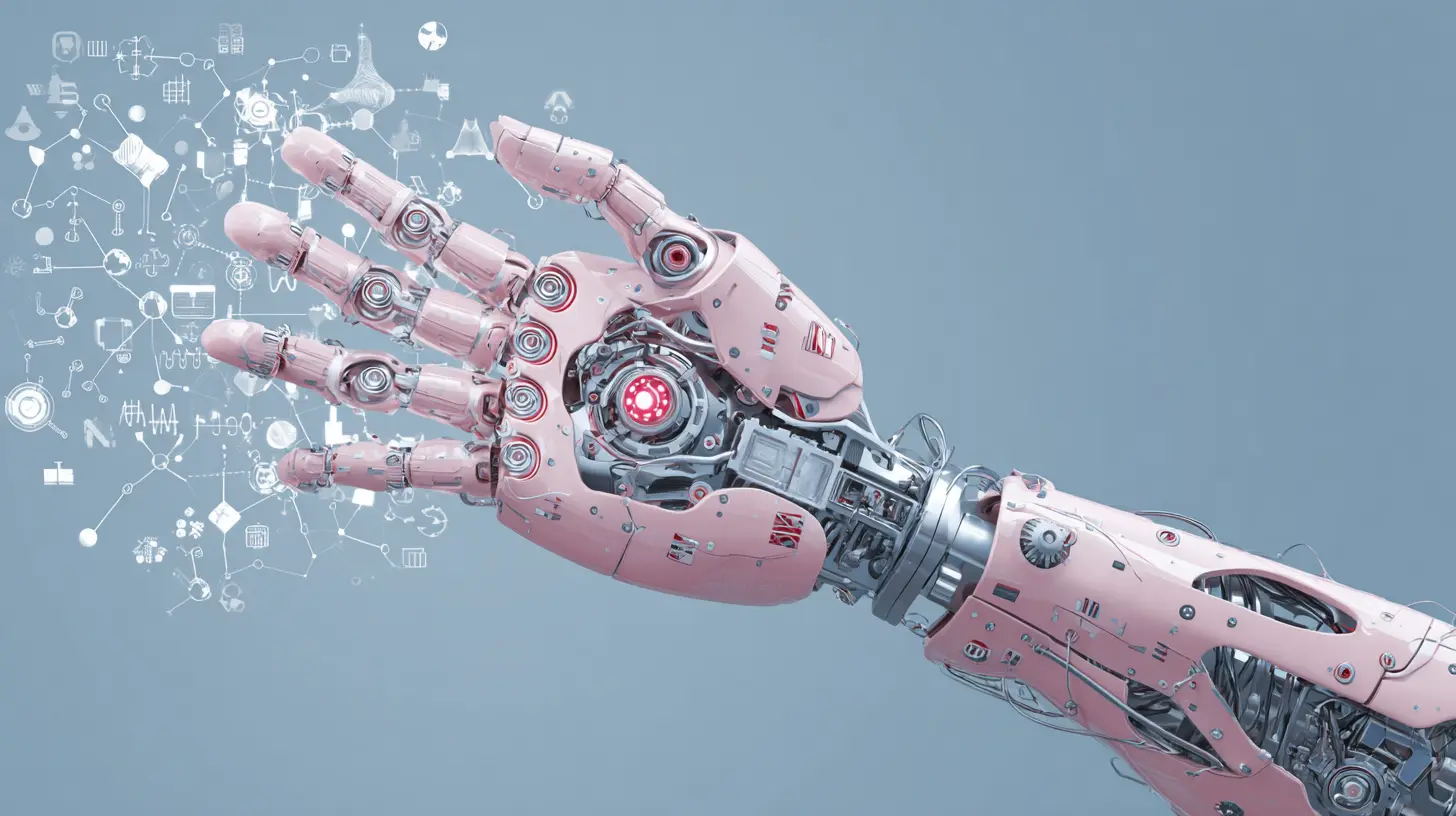
The Current State of Healthcare and Technology
Before diving into the robotic revolution, let’s take a step back and look at where we are now. The healthcare system, while incredibly advanced in many areas, still faces numerous challenges. Long wait times, high costs, and staffing shortages are just a few hurdles that both patients and healthcare providers deal with daily.But what if we could alleviate some of these issues? Picture a world where robots assist doctors in surgeries, manage patient care, and even help with administrative tasks. Sounds futuristic, right? Well, that future is closer than you think.

What Are Robotics in Healthcare?
When we talk about robotics in healthcare, we’re not just referring to a single kind of robot. We’re speaking about an entire ecosystem that includes surgical robots, robotic prosthetics, telepresence robots, and even artificial intelligence (AI) that supports clinical decisions. Each plays a unique role, but they all share a common goal: improving patient outcomes.Surgical Robots: Precision at Its Best
One of the most talked-about applications of robotics in healthcare is surgical robots. These advanced machines allow surgeons to perform minimally invasive procedures with unparalleled precision. Think about it: a robot can maneuver in ways that human hands simply can’t, improving accuracy and reducing recovery times.For instance, the da Vinci Surgical System is a prime example of how robotics is changing the game. Surgeons control this sophisticated robot from a console, giving them a 3D view of the surgical area while performing intricate tasks with robotic arms. By 2027, we can expect surgical robots to become even more advanced, potentially performing procedures with little to no human intervention.
Telepresence Robots: Bridging the Gap
Imagine being able to consult with your doctor without ever leaving your home. Telepresence robots make that possible. These robots can be controlled remotely, allowing doctors to communicate with patients in real-time, no matter where they are. With the rise of telemedicine, especially post-pandemic, these robots are set to become a staple in many healthcare settings.They not only enhance accessibility but also help reduce the burden on healthcare facilities. By 2027, expect to see more hospitals integrating telepresence robots into their systems, especially in rural areas where accessing healthcare can be a challenge.
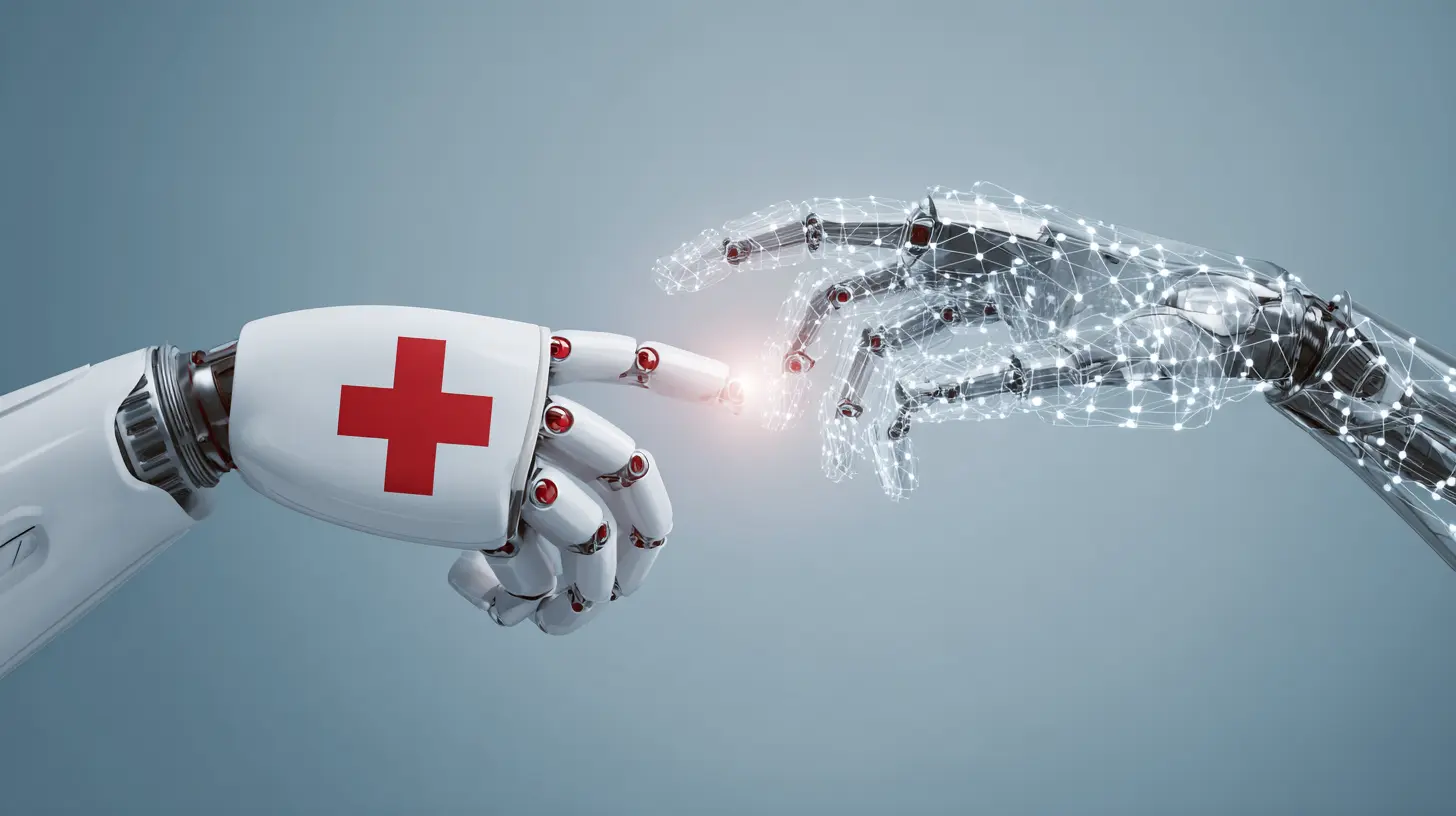
AI and Robotics: A Perfect Match
Artificial intelligence is a game-changer in the field of robotics. When combined, these technologies can analyze vast amounts of data in real-time, improving diagnostic accuracy and treatment plans.Predictive Analytics: Anticipating Patient Needs
Imagine a world where your healthcare provider knows your health needs before you even step into the clinic. With AI-driven analytics, that’s becoming a reality. By 2027, robotics equipped with AI will analyze patient data, medical history, and even genetic information to predict health issues before they arise.This proactive approach could significantly cut down on emergency visits and hospitalizations. Plus, it empowers patients to take charge of their own health, fostering a more engaged and proactive healthcare culture.
Enhanced Diagnostics: Spotting Issues Earlier
Robots powered by AI are also transforming diagnostics. With advanced imaging technologies and machine learning algorithms, these robots can analyze images—like X-rays or MRIs—more accurately than the human eye can. As a result, conditions like tumors or fractures can be identified earlier, leading to more effective treatments.By 2027, we might even see AI systems that can provide real-time feedback during examinations, assisting healthcare professionals in making quicker, more informed decisions.

Robotics in Rehabilitation: A Helping Hand
Rehabilitation is another area where robotics is set to make a significant impact. Robotic exoskeletons and assistive devices are already helping patients regain mobility after injuries or surgeries. By 2027, these technologies are expected to become more refined, making rehabilitation faster and more effective.Exoskeletons: Walking Again
Imagine being able to walk again after a debilitating injury. Robotic exoskeletons can help make this a reality. These wearable devices support a patient’s body, allowing them to stand and walk. With advancements in robotics, we can expect exoskeletons to become lighter, more affordable, and more accessible to those in need.Virtual Reality in Therapy
Did you know that virtual reality (VR) can be combined with robotics for rehabilitation? By immersing patients in a virtual environment, therapists can guide them through exercises that promote recovery. By 2027, we’ll likely see more programs that leverage VR and robotics for everything from physical therapy to mental health treatments.Automating Administrative Tasks: Less Paperwork, More Care
Healthcare professionals spend a significant amount of time on administrative tasks—think paperwork, scheduling, and data entry. This not only takes away from the time they could spend with patients but can also lead to burnout. Robotics can streamline these processes, allowing healthcare providers to focus on what they do best: caring for patients.Intelligent Chatbots: Your 24/7 Assistant
Imagine a chatbot that can answer your healthcare questions, schedule appointments, and even remind you to take your medication. Sounds like a dream, right? Well, chatbots are already being integrated into healthcare systems and by 2027, we can expect them to become even more sophisticated. With natural language processing, these intelligent systems will be able to understand and respond to queries more effectively.Robotic Process Automation (RPA): Efficiency Unleashed
Robotic process automation can take over repetitive tasks like billing and claims processing, reducing errors and speeding up the workflow. By 2027, hospitals and clinics that implement RPA will see a substantial increase in efficiency. This means faster service for patients and less stress for healthcare workers.
Ethical Considerations: The Human Touch
As we embrace robotics in healthcare, we must also consider the ethical implications. While robots can enhance efficiency and accuracy, they can’t replace the human touch that’s so vital in patient care.Balancing Technology and Compassion
Healthcare is fundamentally about people, and while technology can assist, it’s essential to maintain a balance. By 2027, as robots become more prevalent, we’ll need to establish guidelines to ensure that human interaction remains a core component of healthcare.Data Privacy: Keeping Information Safe
With the integration of robotics and AI comes the issue of data privacy. As patient information is collected and analyzed, ensuring that this data is secure will be crucial. By 2027, healthcare providers must prioritize cybersecurity measures to protect sensitive patient information from breaches.The Road Ahead: What to Expect
As we look towards 2027, the future of healthcare with robotics is bright and full of potential. We will see:- Increased Precision in Surgeries: Surgeons will rely more on robotic assistance for complex procedures, leading to better outcomes and less invasive options.
- Widespread Telemedicine Adoption: Remote consultations will become the norm, significantly improving access to healthcare.
- Holistic Patient Care: Robotics will help bridge gaps in patient care, from diagnostics to rehabilitation, creating a more cohesive healthcare experience.
- Enhanced Efficiency: Administrative burdens will decrease, allowing healthcare professionals to focus on direct patient care.
Conclusion
The integration of robotics into healthcare is not just a trend; it's a transformation that promises to reshape how we receive and deliver medical care. By 2027, expect to see a healthcare landscape radically changed by technological advancements, from enhanced surgical precision to the balance of compassion and efficiency.But remember, as we embrace this new era, it’s essential to keep the conversation going around ethics, data privacy, and, most importantly, the human element in healthcare. After all, while robots can assist, they can never replace the empathy and understanding that comes from human interaction.
Are you ready for this exciting future? The age of robotics in healthcare is just around the corner, and it's going to be one thrilling ride!
all images in this post were generated using AI tools
Category:
Robotics TechnologyAuthor:

Gabriel Sullivan
Discussion
rate this article
2 comments
Tamsin Willis
This article presents a fascinating look at the potential of robotics in healthcare. It would be great to see more examples of specific applications, like robotic surgery or patient care, and how they might improve outcomes and efficiency in real-world settings by 2027.
June 28, 2026 at 10:56 AM
Gabriel Sullivan
Thanks for your insight! I agree that specific applications like robotic surgery and patient care will be key to improving outcomes and efficiency in healthcare by 2027. I'll look into providing more examples in future articles.
Isolde Horne
Robotics will redefine healthcare—embrace the future or be left behind!
April 23, 2026 at 2:49 AM
Gabriel Sullivan
Absolutely! Embracing robotics is key to enhancing patient care and improving outcomes. The future is already here.