Immersive Storytelling: The Rise of Augmented Reality in Media
30 December 2025
We’ve all heard the phrase “content is king,” right? Well, let me ask you this—what if the king suddenly stepped out of your screen and started talking to you in your living room? Sounds wild, doesn’t it? But guess what—that’s exactly the kind of magic we’re seeing with augmented reality (AR).
AR isn’t just some shiny tech buzzword anymore. It's reshaping the media industry, one immersive experience at a time. From jaw-dropping news reports to interactive entertainment, it’s not just storytelling anymore—it’s story-living.
So, let’s dive into how augmented reality is flipping the script on traditional media and turning passive audiences into active participants. Grab a coffee, sit back, and let’s journey through this next-gen storytelling revolution.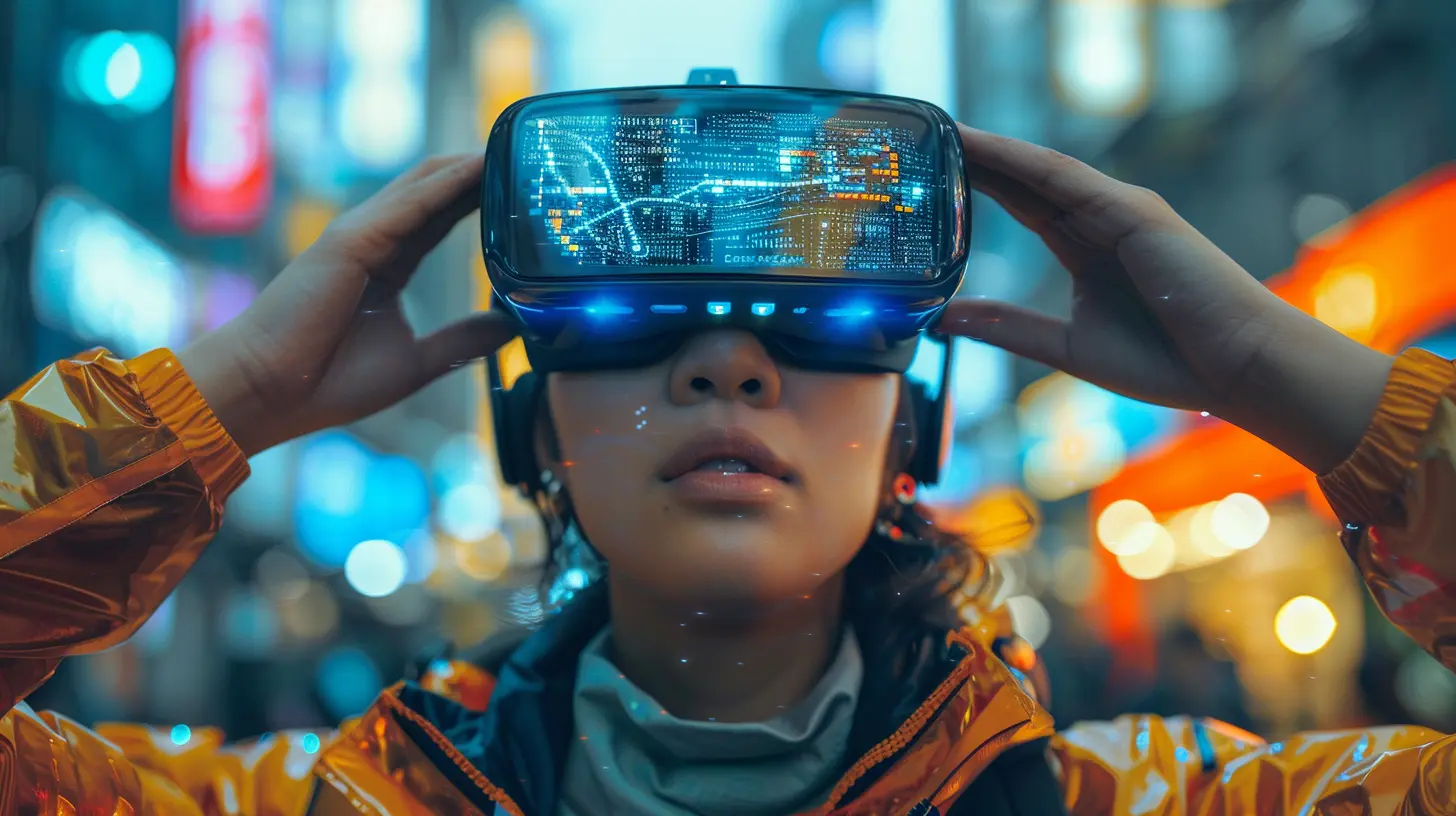
What Is Immersive Storytelling, Anyway?
Let’s break it down.Immersive storytelling is exactly what it sounds like—storytelling that surrounds you, involves you, pulls you right into the narrative. Think of it as the difference between watching a movie, and stepping straight into the scene with the characters. With AR in the mix, the line between fiction and reality starts to blur in all the best ways possible.
Using AR, creators can overlay digital content—like images, sounds, or animations—onto the real world. And it’s not just sci-fi stuff anymore. AR is now in our apps, our glasses, and even our social media filters.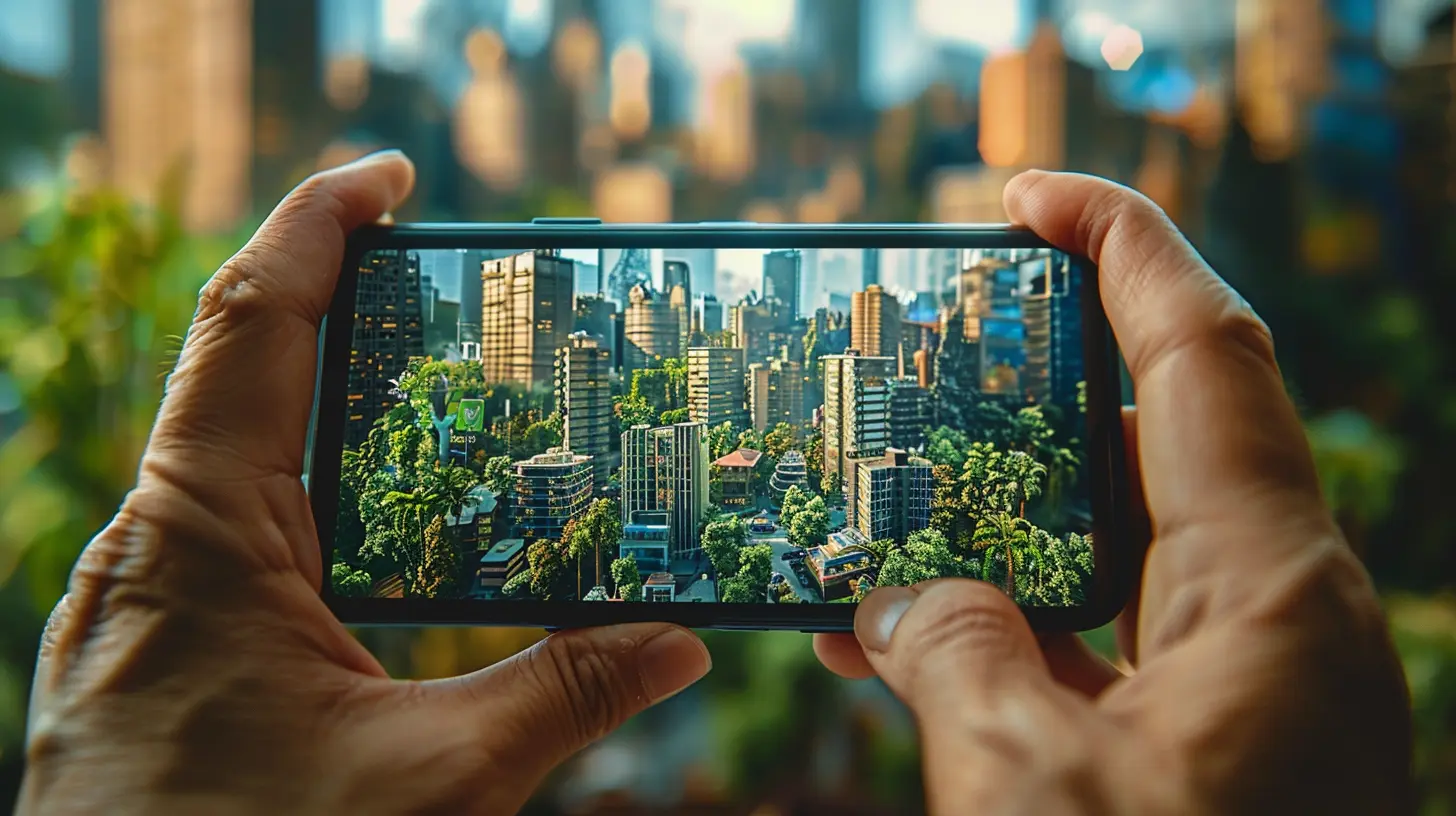
The Birth of AR in Media: From Gimmick to Game-Changer
Remember that time when Pokémon GO literally had people running through streets to catch Pikachu? That was one of the first massive hints that AR had the power to completely shake up how we engage with content. What started as a gaming phenomenon quickly snowballed into a lightbulb moment for media houses and content creators.All of a sudden, media outlets realized: “Hey, if people are willing to chase invisible creatures in real-world spaces, imagine what they’d do for interactive news stories, documentaries, or even branded content.”
And just like that, AR made its grand entrance into the media space.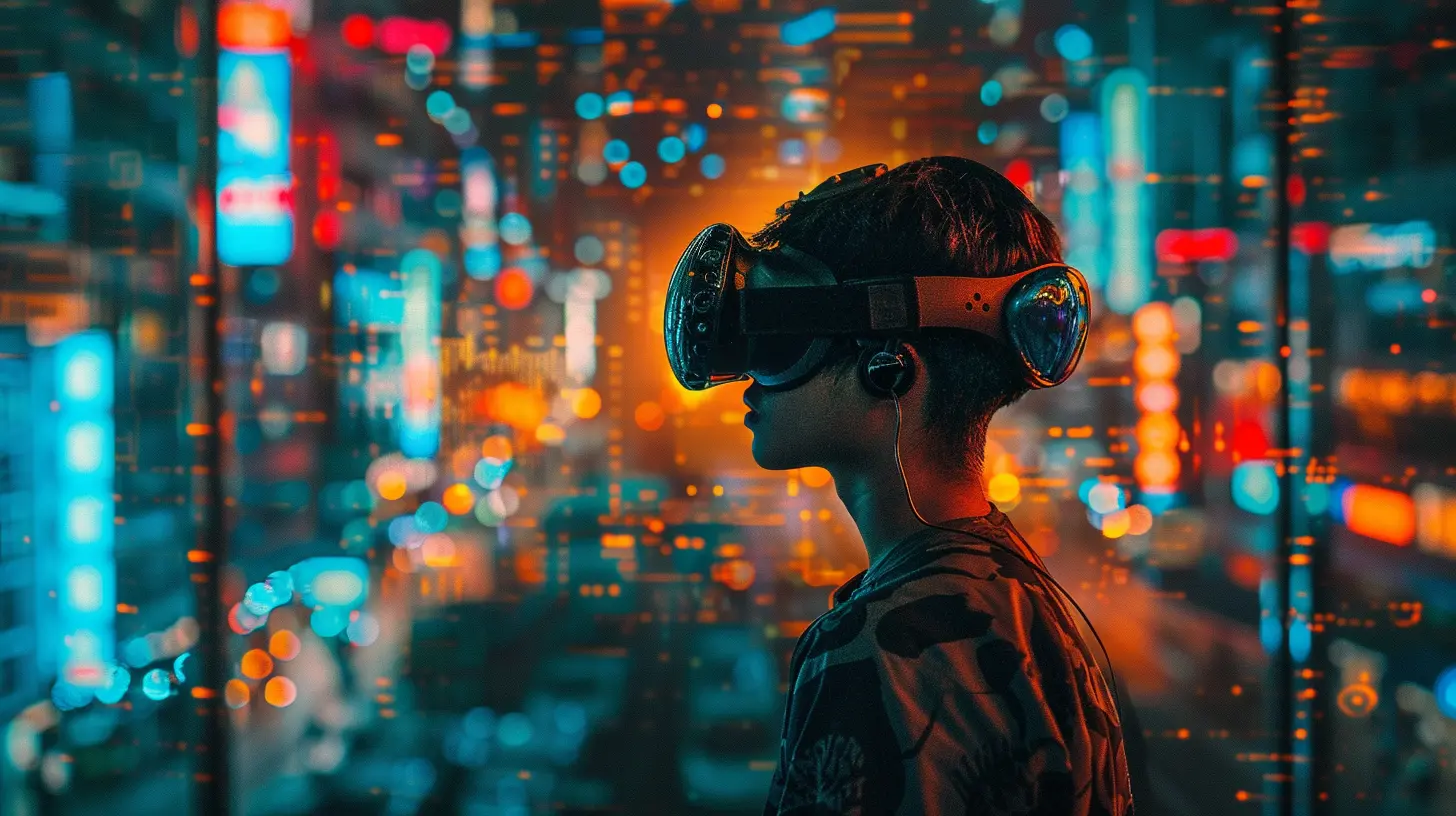
Why Are Media Companies Embracing AR?
Here’s the thing—media consumption habits have changed big time. We’re no longer satisfied just sitting back and watching. We scroll, swipe, tap, and interact... constantly. We crave experiences, not just stories.AR gives media outlets the power to:
- Boost engagement: People spend more time interacting with AR content.
- Make stories memorable: The brain processes spatial and immersive experiences better.
- Stand out: Let’s be honest—AR still has that “wow” factor.
- Bridge the digital and physical world: Perfect for location-based storytelling.
And from a business side of things? AR gives advertisers and storytellers the perfect playground to connect with audiences on a deeper level.
Real-World AR Examples in Media
Alright, let’s talk practical. Who’s doing it well?1. The New York Times
The NYT has been one of the early adopters of AR in journalism. They’ve used it to let readers inspect Olympic athletes’ training routines, view 3D models of historic artifacts, and even explore war-torn areas from within their own homes. That’s not reading the news—that’s experiencing it.2. National Geographic
Known for stunning visuals already, National Geographic took things up a notch by creating AR experiences that bring animals and landscapes right into your living room. Elephant in the living room? Yup, that’s a thing.3. Snapchat and Instagram Filters
Okay, hear me out—it may seem like fun and games, but those cute dog-face filters and branded AR lenses are next-level engagement tools. Media companies use them to promote shows, events, and even political campaigns.4. BBC's Civilizations AR App
This gem lets users hold history in their hands—literally. It brings ancient artifacts to life, with narrations, 3D models, and background stories. Who knew education could be this immersive and entertaining?Behind the Curtain: How AR Content Gets Created
So, you might be wondering—how do they make all this magic happen?Creating AR content involves a blend of creative storytelling and some serious tech wizardry. Here's a peek behind the scenes:
1. Storyboarding Your Experience
Much like in film, it starts with a storyboard. But instead of planning scenes for a flat screen, creators map how users will interact with the digital elements in real-world spaces.2. 3D Modeling and Animation
This is where artists bring characters, objects, and environments to life. These models need to be lightweight enough to run on mobile devices, but realistic enough to feel immersive.3. Coding and AR Platforms
Developers write the software using AR development kits like ARKit (Apple), ARCore (Google), or platforms like Unity and Unreal Engine.4. Testing the Experience
AR relies heavily on user interaction, so testing it in real-world conditions is key. Lighting, environment, movement—all need to be accounted for.Challenges That Still Need Solving
As dazzling as AR is, it’s not all rainbows and unicorns just yet. There are still a few bumps along the way:1. Hardware Limitations
Not everyone owns top-of-the-line smartphones or AR glasses. Widespread adoption means figuring out how to make these experiences accessible to all.2. Data & Privacy Issues
AR often gathers real-time data about environment and user location. That raises big questions around privacy and consent.3. Content Fatigue
Let’s face it—if everything becomes “AR,” the novelty could wear off. Striking that balance between innovative and overkill is crucial.4. Cost & Time-Intensive Production
Creating quality AR experiences isn’t cheap or fast. Smaller creators and indie media houses might struggle to keep up.What’s Next: The Future of Immersive Storytelling with AR
Guess what? We’re really just scratching the surface here.AR Glasses and Wearables
Forget holding up your phone—wearables like AR glasses (think Apple Vision Pro and Meta’s Ray-Ban Stories) will allow hands-free, seamless storytelling on the go.Personalized AR Content
Imagine an AR story that morphs based on your mood, behavior, or surroundings. Creepy? Maybe. Cool? Absolutely.Mixed Reality Newsrooms
Imagine journalists conducting interviews or news reports directly through AR platforms, adding layers of context right on screen as they speak. The future newsroom might look a lot like a sci-fi movie.AR for Social Good
From climate change awareness to mental health campaigns, AR can supercharge activism by making causes feel closer and more urgent.Tips for Content Creators: How to Start Telling Stories in AR
Thinking of dipping your toes into the AR world? Here are a few quick-start tips:- Keep it simple: Start with basic interactive elements before going full Matrix.
- Focus on the user: Think about how someone will experience your story, not just how it looks.
- Use the real world: AR is all about blending real and digital—use that strength.
- Test often: Always, always test your content in different environments.
- Tell a great story first: Tech is cool, but narrative is king. Always.
Closing Thoughts: From Viewers to Participants
We’re standing at the edge of a new era in media—and honestly, it’s thrilling.For creators, AR offers a brand-new canvas. For audiences, it offers a portal into unforgettable experiences. And for storytellers? It’s the ultimate superpower.
The rise of augmented reality in media isn’t just about flashy gimmicks—it’s about forging deeper connections, stirring emotions, and bringing stories to life in ways we never thought possible.
So whether you’re a journalist, filmmaker, marketer, or just someone who loves a good story, one thing is clear: the future of storytelling? It’s immersive, it’s interactive, and it’s powered by AR.
And you? You’re right on time to be a part of it.
all images in this post were generated using AI tools
Category:
Augmented RealityAuthor:

Gabriel Sullivan
Discussion
rate this article
2 comments
Wolf Schultz
Augmented Reality: where your living room becomes a dragon’s lair, and your cat is suddenly a fierce knight. Just don't step on the cat!
February 19, 2026 at 5:23 AM
Gabriel Sullivan
Absolutely! AR transforms our everyday spaces into fantastical worlds, blending imagination with reality. Just watch your step around those "knights!
Valentina McCool
This article captures the transformative potential of augmented reality in storytelling. As immersive experiences gain traction, it’s exciting to see how they can deepen connections between narratives and audiences. However, I wonder about the balance between innovation and accessibility—ensuring everyone can participate in this evolving medium.
January 17, 2026 at 5:30 AM
Gabriel Sullivan
Thank you for your insightful comment! Balancing innovation with accessibility is indeed crucial as we explore augmented reality in storytelling. It's essential to create inclusive experiences that invite everyone to engage with these immersive narratives.