IoT Devices for the Elderly: Enhancing Safety and Independence
26 December 2025
Aging gracefully is a goal for many, but let’s be honest—getting older comes with challenges. Whether it's mobility issues, memory lapses, or health concerns, elderly individuals often need extra support. That’s where IoT (Internet of Things) devices come in. These smart gadgets are making it easier for seniors to live independently while staying safe and connected with their loved ones.
But how exactly do IoT devices help the elderly? And which ones are game-changers? Let’s dive deep into how smart technology is revolutionizing senior care.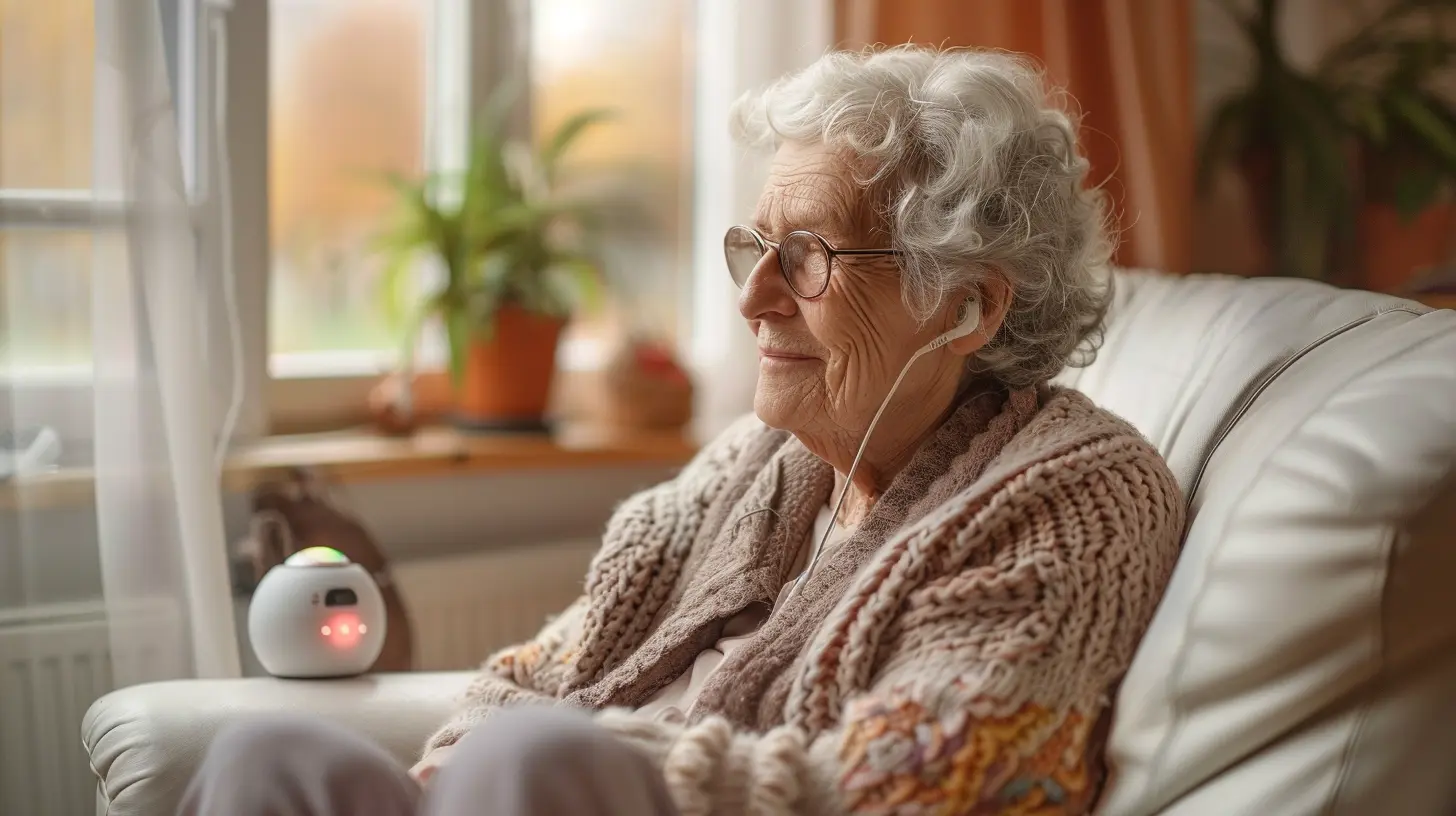
What Are IoT Devices?
Before we get into the specifics, let’s define what we mean by IoT devices. In simple terms, IoT refers to everyday objects that connect to the internet and communicate with each other. Think of smart thermostats, voice assistants, wearable health monitors, and even automated pill dispensers. These devices collect and share data to make life easier.For seniors, IoT technology isn't just a convenience—it’s a lifeline. From fall detection to medication reminders, these gadgets offer practical solutions for common aging concerns.
How IoT Devices Improve Safety for Seniors
One of the biggest worries for elderly individuals— and their families—is safety. Whether living alone or with caregivers, seniors face potential risks every day. Fortunately, IoT technology is helping reduce these risks with smart innovations.1. Fall Detection and Emergency Response
Falls are one of the leading causes of injuries among seniors. According to the CDC, one in four adults aged 65 and older falls each year. That’s where smart fall detection devices come into play.- Wearable Alert Systems – Devices like the Apple Watch and Medical Guardian detect falls and automatically alert emergency contacts or medical professionals.
- Smart Home Sensors – Motion sensors placed around the home can detect unusual activity and notify caregivers if something seems off.
- AI-Powered Cameras – These can monitor an individual’s movements and use machine learning to identify falls or irregular activity.
2. GPS Trackers for Seniors with Dementia
Wandering is a major concern for elderly individuals with Alzheimer's or dementia. IoT devices with GPS tracking can help families locate their loved ones quickly.- Wearable GPS Trackers – Smartwatches like AngelSense or Jiobit provide real-time location tracking, ensuring that families can find their loved ones if they wander off.
- Smart Shoes with GPS – Yes, these exist! Some companies have embedded GPS tracking in footwear to help monitor seniors discreetly.
3. Smart Smoke and Carbon Monoxide Detectors
Forgetfulness can be dangerous—especially when it comes to fire safety. Many seniors accidentally leave the stove on or fail to notice smoke buildup.Smart smoke detectors, like Google Nest Protect, can send alerts directly to a caregiver’s phone if smoke or gas levels become unsafe. Some advanced models can even shut off gas supplies automatically.
4. Smart Doorbells and Security Cameras
Elderly individuals, especially those living alone, are often targeted by scammers or burglars. Smart home security systems provide peace of mind.- Video Doorbells – Devices like Ring and Arlo allow seniors to see who’s at the door before answering. They can even speak to visitors remotely.
- Smart Locks – Forget about losing keys—smart locks like August Smart Lock let seniors unlock doors with their phone or voice commands. 
IoT Devices That Promote Independence
Beyond safety, IoT technology empowers seniors to maintain their independence. Here’s how:1. Voice Assistants for Everyday Tasks
Siri, Alexa, and Google Assistant aren’t just for tech-savvy millennials. Voice-activated assistants help seniors with daily activities like:- Setting reminders for medications
- Controlling smart home devices (lights, thermostats, door locks)
- Making hands-free phone calls to family
- Getting news, weather updates, and entertainment
2. Smart Medication Dispensers
Forgetting to take medication on time can lead to serious health issues. Automated pill dispensers, like Hero and MedMinder, ensure that seniors take the right medication at the right time by dispensing pills and sending reminders.Some models can even notify family members if a dose is missed!
3. Smart Home Automation for Convenience
Aging often comes with mobility challenges. Simple tasks like adjusting the thermostat or turning off lights can become cumbersome. Smart home automation solves this problem.- Smart Thermostats – Devices like Nest or Ecobee learn a senior’s temperature preferences and adjust settings accordingly.
- Automatic Lights – Motion-activated lights prevent nighttime falls by illuminating pathways when movement is detected.
- Robotic Vacuum Cleaners – Smart vacuums like Roomba can keep floors clean without requiring manual effort.
4. Wearable Health Monitors
Health management becomes crucial as we age. Smartwatches and wearable health monitors help track vital signs in real-time.- Heart Rate & ECG Monitors – Apple Watch and Fitbit Sense can monitor heart rate and even detect atrial fibrillation.
- Blood Pressure Monitors – Devices like Omron HeartGuide allow seniors to check their blood pressure anytime.
- Oxygen Level Sensors – Pulse oximeters track oxygen levels, which is especially important for seniors with respiratory issues. 
Challenges and Concerns of IoT for Seniors
Despite its benefits, IoT technology does come with some challenges. Here are a few concerns worth addressing:1. Privacy and Security Risks
With connected devices comes the risk of hacking and data breaches. Seniors may be unfamiliar with online security best practices, making them vulnerable to cyber threats. Using strong passwords and enabling two-factor authentication can help protect personal information.2. Technology Learning Curve
Not all seniors are tech-savvy. Some may struggle to navigate smartphone apps or voice assistants. Fortunately, many devices today focus on simplicity, and family members can assist in setting up and managing these tools.3. Cost Considerations
Many IoT devices come with a hefty price tag. While some healthcare providers might cover certain medical devices, other smart gadgets require an upfront investment. However, when compared to the cost of assisted living, many families find these devices to be cost-effective in the long run.The Future of IoT for Senior Care
IoT is constantly evolving, and the future looks promising. We’re seeing advancements in AI-driven health predictions, smart textiles for real-time health monitoring, and even robots designed to assist with elderly care.As technology becomes more affordable and user-friendly, we can expect even greater integration into senior living spaces, making independence and safety more accessible for all.
Final Thoughts
Aging doesn’t mean losing independence. Thanks to IoT devices, seniors can continue living safely and comfortably in their own homes while staying connected to caregivers and loved ones.From fall detection to smart medication dispensers, these gadgets are revolutionizing aging. While challenges like tech adoption and security need to be addressed, the benefits far outweigh the drawbacks.
If you have an elderly parent or loved one, investing in some of these IoT solutions could make all the difference. After all, peace of mind—for both seniors and their families—is priceless.
all images in this post were generated using AI tools
Category:
Iot DevicesAuthor:

Gabriel Sullivan
Discussion
rate this article
2 comments
Ember Mullen
This article insightfully highlights how IoT devices can significantly enhance the safety and independence of elderly individuals. By integrating smart technology into their daily lives, we can enable proactive health monitoring and emergency alerts, ultimately improving quality of life while fostering autonomy in their living environments.
February 16, 2026 at 3:45 AM
Gabriel Sullivan
Thank you for your thoughtful comment! I'm glad you found the article insightful. Enhancing the safety and independence of the elderly through IoT technology is indeed a vital topic.
Paul McGovern
This article beautifully highlights the vital role IoT devices play in enhancing the lives of the elderly. It's heartwarming to see technology fostering safety and independence, empowering seniors to live with dignity and confidence in their own homes.
December 28, 2025 at 5:50 AM
Gabriel Sullivan
Thank you for your thoughtful comment! I'm glad you found the article highlights the positive impact of IoT devices on the lives of seniors.