Sustainable Data Centers: Reducing Carbon Footprints in the Tech World
16 January 2026
Let’s face it — the internet isn’t just floating around in the cloud. It’s backed by a whole fleet of humming, energy-chugging data centers quietly doing the heavy lifting. Every time you binge a Netflix series, scroll endlessly on Instagram, or ask your smart speaker to play Taylor Swift, there's a data center somewhere making that happen.
But here's the kicker: those data centers consume a lot of energy. Like, ‘small-country’ levels of electricity. And with great power comes… well, great carbon emissions.
That’s why sustainable data centers are no longer just a nice-to-have; they’re a must-have if we want to keep Googling and streaming without cooking the planet.
So grab your favorite eco-friendly beverage and let’s deep-dive into the green revolution that’s reshaping the backbone of our digital world.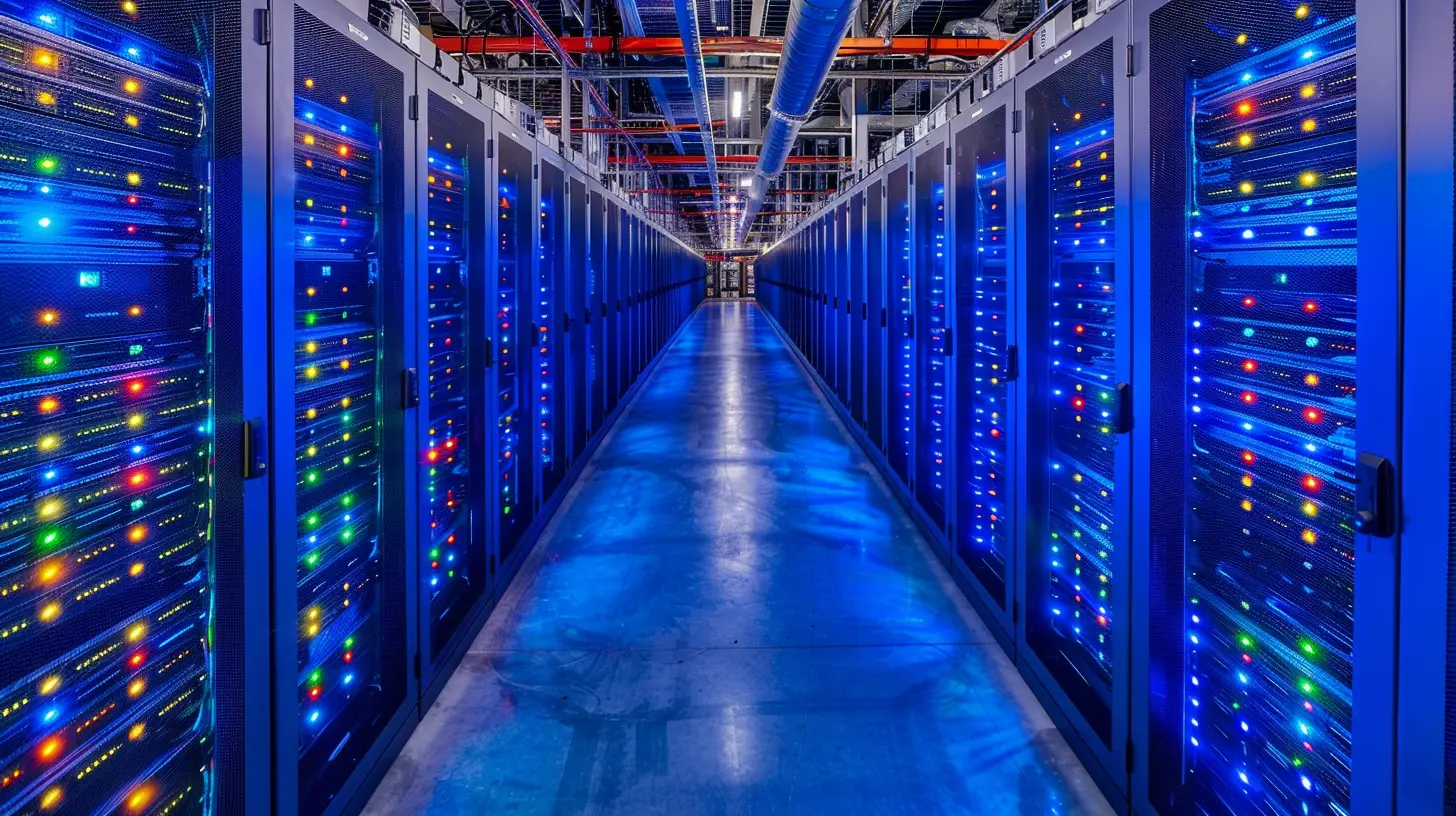
What Exactly Is a Data Center?
Think of a data center like a giant digital warehouse—but instead of shelves of cereal or power drills, it’s stacked with servers. These servers store and process everything from your cat memes to confidential business data.Now imagine thousands of these servers, stacked row upon row, buzzing 24/7, generating heat like a sauna on steroids. Keeping them cool and operational uses tremendous power. So, it’s no surprise that data centers account for roughly 1-2% of global electricity use.
In tech terms, they’re the unsung heroes. In eco terms, they’re... well, kind of the villains (for now).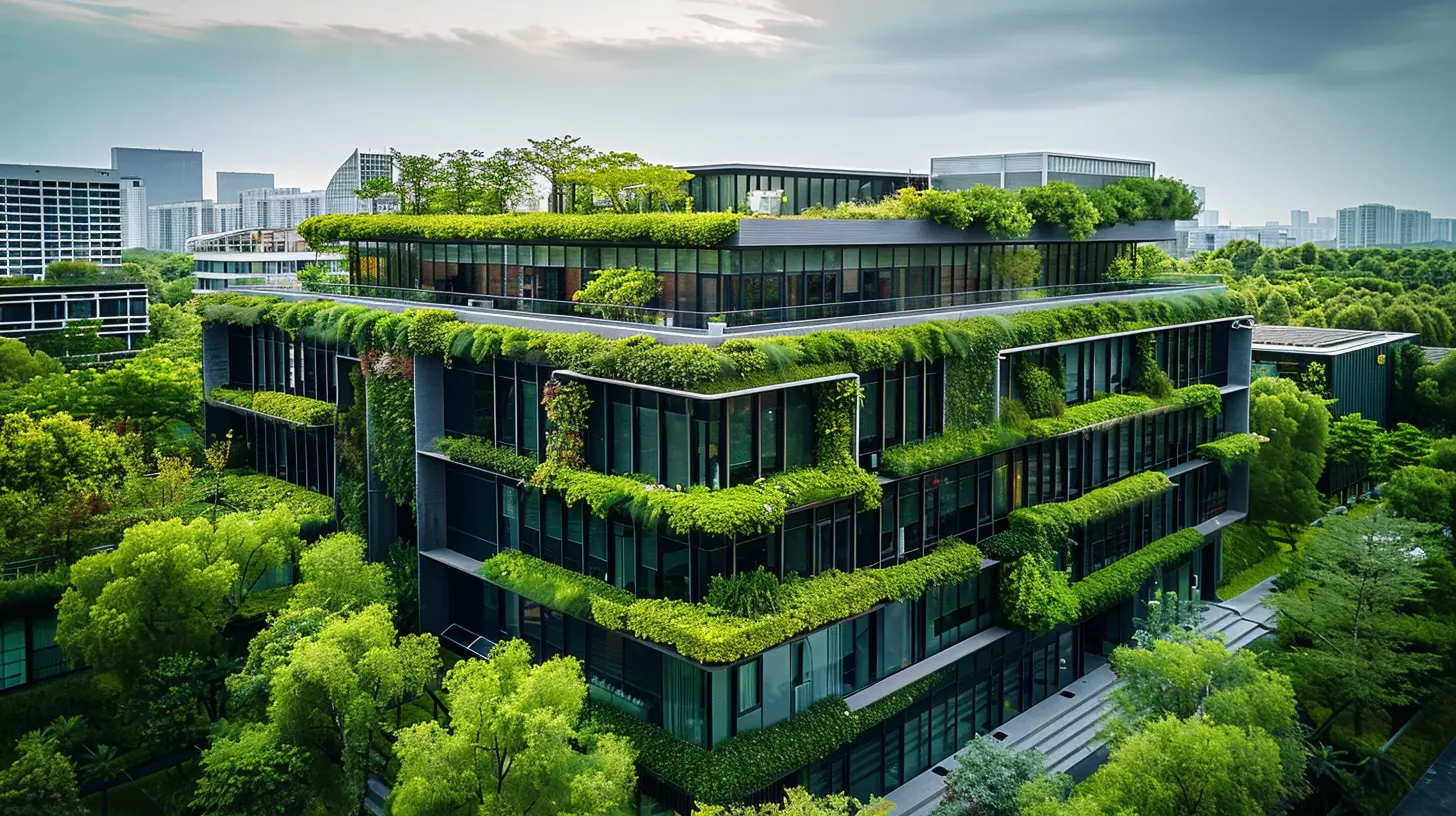
The Carbon Footprint: How Bad Is It?
You know it’s bad when even digital things leave carbon footprints. Data centers are notorious for consuming insane amounts of electricity—primarily used for powering servers and keeping them cool.In fact, some hyperscale data centers (we’re talking the big leagues—Amazon, Google, Microsoft) can consume as much energy as a mid-sized town. Yikes.
And if that electricity is coming from dirty sources like coal? Yeah, then we’re just uploading data with one hand and flipping off the environment with the other.
But… Why Should We Care?
Good question. Glad you asked.Well, our digital behavior isn’t slowing down. In fact, it’s doing the opposite. Every cat video, every Zoom meeting, every “What’s the weather like in Paris today?” voice command—adds to the data load.
By 2025, experts predict data centers could gobble up more than 8% of global energy demand. That's not just unsustainable — it's unsanely unsustainable.
If we don’t make changes now, we risk turning our digital progress into an environmental regression. Basically, it’s like driving a Tesla while outsourcing your electricity from a coal plant. Not exactly a win for Mother Earth.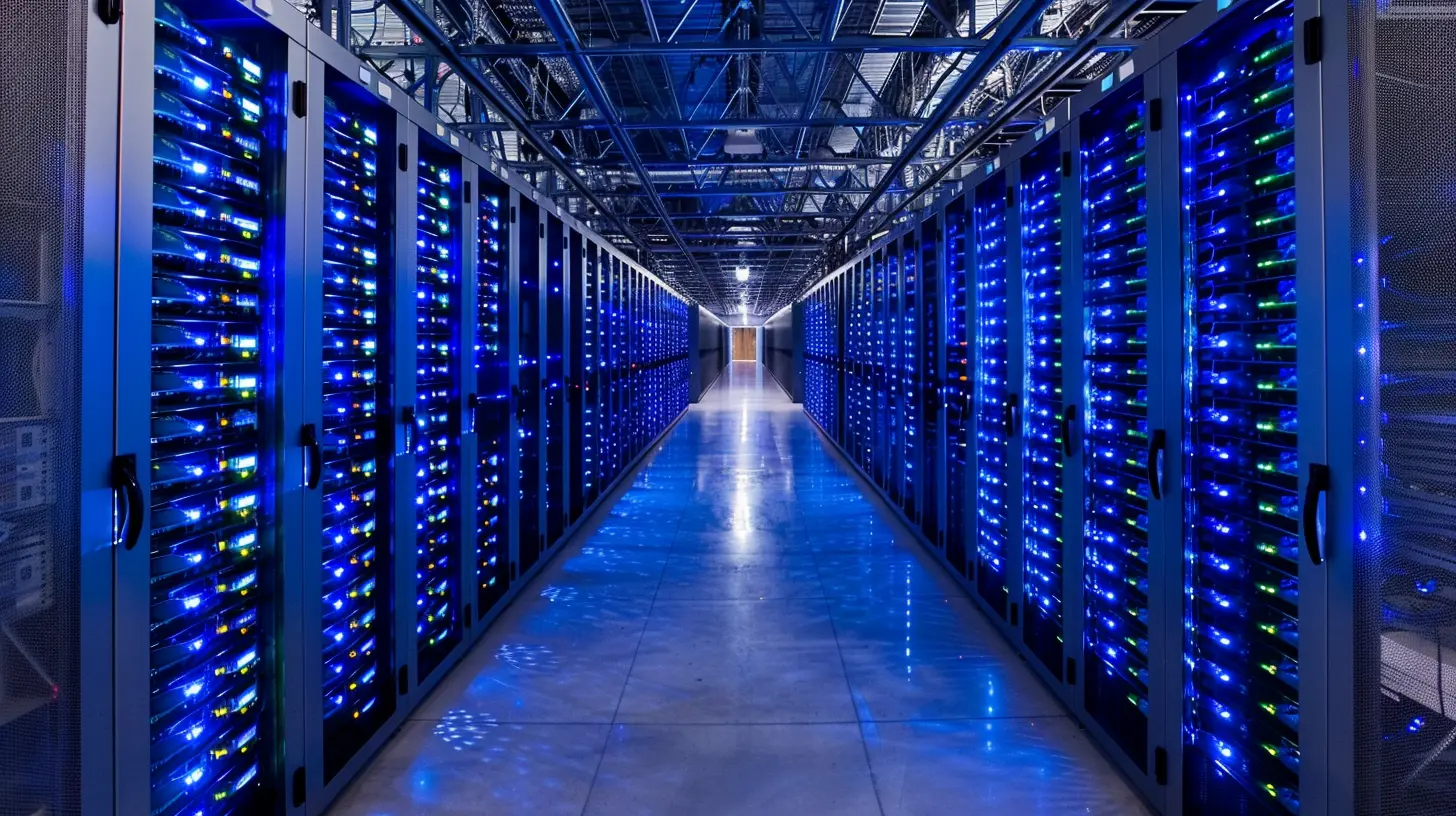
Green Is the New Black: Enter Sustainable Data Centers
The good news? Tech giants and startups alike are stepping up.Sustainable data centers are being designed to run leaner, cleaner, and greener. They're ditching fossil fuels, optimizing designs, and embracing renewable energy like it’s the last slice of vegan pizza at a startup party.
Let’s break down the sustainable strategies making waves.
1. Renewable Energy: Powering Pixels with Sunshine
One of the most direct routes to sustainability? Powering data centers with renewable energy sources like wind, solar, and hydro.Tech behemoths like Google and Apple have already gone all-in. Google boasts a carbon-neutral footprint (since 2007!) and aims to run all its data centers on carbon-free energy 24/7 by 2030.
That’s not just PR talk — they’re investing in wind farms and solar arrays big enough to power entire cities. It’s like giving your data a green smoothie every time it hits the server.
2. Innovative Cooling Systems: Chill, Literally
Remember that sauna-on-steroids analogy? Cooling is half the battle in a data center.Traditional systems guzzle water and electricity. But sustainable centers? They're getting creative:
- Free cooling: Using outside air when temperatures allow
- Liquid cooling: Immersing servers in special eco-safe coolant (yes, like a server spa day)
- AI-optimized cooling: Letting smart algorithms regulate temperatures for max efficiency
Meta (formerly Facebook) even built a data center in Sweden. Why? Because it’s cold. That’s right, they used location as a natural cooling strategy. Who needs air con when Mother Nature’s got your back?
3. Energy-Efficient Hardware: Less Juice, More Power
Newer server hardware is being tailored for efficiency. Think: lower-power CPUs, solid-state drives, and smarter networking gear.Some data centers even use custom chips optimized for specific workloads, reducing the need for brute-force processing. Less compute, same result. Kind of like swapping your gas-guzzler for a hybrid with a gym membership.
4. Modular Design: Lego, But for Servers
Gone are the days of sprawling, inflexible server farms. Enter modular data centers — customizable, scalable, and efficient from the ground up.They’re designed like digital Legos: easy to build, modify, and dismantle. This approach minimizes waste, cuts construction emissions, and optimizes space usage. Sustainability just got plug-and-play.
5. Recycling Heat: Turning Waste into Warmth
All that heat from servers? Guess what — we can use it!Some sustainable data centers are capturing waste heat and redirecting it to warm nearby homes, offices, and even public swimming pools. It’s the digital equivalent of high-fiving nature.
In Scandinavia, this tech is already in play, heating thousands of homes using what we used to just throw away. That’s hotter than a freshly baked Instagram reel.
6. Water Efficiency: Every Drop Counts
Cooling often involves lots of water. We're talking millions of gallons per year. That’s a problem in regions where water is as scarce as good Wi-Fi on a camping trip.Eco-forward data centers are now adopting closed-loop systems and waterless cooling, cutting usage drastically. They're essentially saying, “Let’s chill, but not waste rivers to do it.”
The Role of AI: Smarter Data Centers for a Smarter Planet
AI isn’t just here to suggest your next playlist—it’s helping optimize data centers too.By monitoring energy consumption, air flow, and temperature in real-time, AI can make tiny adjustments that lead to big energy savings. Think of it as a hyper-nerdy thermostat with world-saving potential.
With machine learning in the mix, data centers become almost self-regulating, like your favorite robot sidekick, but cooler. Literally.
Governments and Policies: The Rulebook Matters
Let’s not forget the grownups in the room: governments. Global regulations and data center laws are getting greener too.The European Union, for instance, has set ambitious emissions reduction targets. In the U.S., incentives and tax breaks are nudging companies toward sustainability. Even China is betting big on green CPUs and renewable-powered server farms.
Why? Because climate change doesn’t care about your location or your internet speed.
Your Role in All This (Yes, Yours)
You might be wondering, “Cool, but what can I actually do?”Well, a surprising amount, actually.
- Stream less? Not necessarily. Just stream smarter — opt for lower-res when HD isn’t critical.
- Use cloud providers that are committed to sustainability. (Hint: Microsoft Azure, Google Cloud, and AWS are all making promises. Hold them to it!)
- Delete old files, unsubscribe from spammy newsletters, and clean up your digital footprint. It all adds up.
Remember, every byte you store is a bite of energy used somewhere.
The Bottom Line: Data Doesn’t Have to Cost the Earth
We’re living in a golden age of tech — but it shouldn't come at a grim cost to the planet. Thankfully, the industry is waking up to the carbon crunch and making giant strides toward sustainability.From solar-powered server farms to zero-water cooling systems, the race is on to make data centers more efficient, environmentally friendly, and future-ready.
Yes, your TikToks, memes, and late-night Google searches have a carbon cost — but they don’t have to. With greener infrastructure, cleaner energy, and a bit of mindfulness, we can build a tech world that's as kind to the planet as it is to our browsers.
So the next time you upload a selfie or ask Alexa what day it is, take a second to appreciate the green heroes working silently behind the scenes.
all images in this post were generated using AI tools
Category:
Data CentersAuthor:

Gabriel Sullivan
Discussion
rate this article
2 comments
Kate Hensley
Great insights! It's inspiring to see the tech world stepping up to reduce its carbon footprint. Every little effort counts, and together we can power a greener future—one data center at a time. Keep it up! 🌍💚
March 2, 2026 at 5:17 AM
Gabriel Sullivan
Thank you! I completely agree—every effort matters in our journey towards a sustainable tech future. 🌱
Faith Coffey
Great insights on sustainable data centers! It’s inspiring to see the tech industry making strides toward reducing carbon footprints. Every step counts for our planet!
January 22, 2026 at 4:47 AM
Gabriel Sullivan
Thank you! I'm glad you found the insights inspiring. Every effort truly makes a difference in our journey toward a more sustainable future!