The Future of Electric Vehicles: Beyond Batteries
23 January 2026
We hear it all the time — "EVs are the future!" But what if I told you there's a lot more to electric vehicles (EVs) than just slapping in a bigger battery and calling it innovation? While batteries have been the poster child of EV evolution, we're now stepping into an era where the magic isn't just in the charge — it's in the whole system, the materials, the energy sources, and heck, even the roads we drive on.
So, buckle up. We're diving into what’s next for electric vehicles, and trust me — it goes way, way beyond batteries.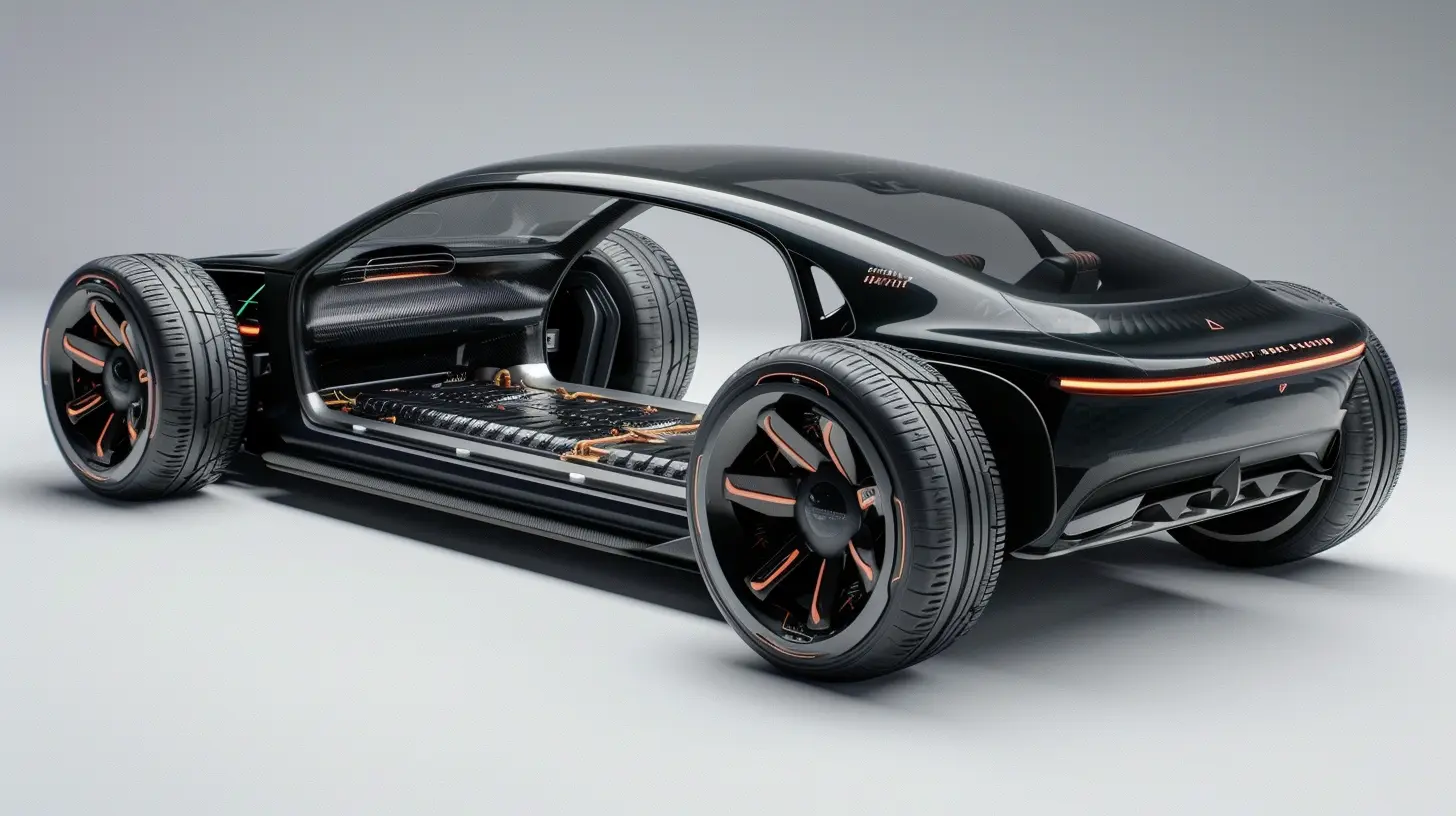
The Battery Obsession: Why It’s Not Enough Anymore
For years, the EV world has been laser-focused on battery capacity, charging speed, and range anxiety. And sure, lithium-ion batteries have come a long way. They’re lighter, more powerful, and charge faster than ever before. But let’s be real — they’re not perfect.Think about it: batteries are heavy, expensive, use rare materials like lithium and cobalt (which raise environmental and ethical concerns), and they degrade over time. Plus, there's still the issue of long charging times and the lack of fast-charger infrastructure in many areas.
So, what's next? If this EV revolution is going to truly scale, we need to zoom out and rethink the entire ecosystem, not just the batteries.
1. Solid-State Batteries: The Midstep to the Future?
Okay, I know I just said we’re looking beyond batteries, but let’s quickly touch on solid-state ones — because they're part of the bridge to our long-term future.Solid-state batteries replace the flammable liquid electrolyte in traditional lithium-ion batteries with a solid version. The result? Safer, more energy-dense, and potentially way faster charging. Companies like Toyota are betting big on this tech, hoping to crack commercial production soon.
But here’s the catch: they’re still expensive to make and devilishly tricky at scale. So while they’re promising, don’t expect them to dominate tomorrow.
2. Solar-Powered EVs: Let the Sun Do the Heavy Lifting
Imagine your car charging itself while parked in your driveway — no outlet, no charging station, just pure sunlight. Sounds like science fiction? Not really.Solar-powered EVs are inching closer to reality, and brands like Aptera and Lightyear are leading the charge (pun intended). Their vehicles use ultra-efficient solar panels built into the body of the car, allowing a decent boost in daily range just from sunlight.
Of course, solar EVs won't completely replace plug-in charging — sunlight is inconsistent, and cloudy days are still a thing. But pairing solar with EVs could drastically reduce our overall energy consumption and extend range without increasing battery size.
Think of it as getting free gas from the sky.
3. Wireless Charging Roads: Infrastructure That Powers You On the Go
Wouldn’t it be awesome if your EV charged while you drove it?That’s not just a pipe dream. Dynamic wireless charging technology is being tested in pilot projects across the globe. Think of it like a giant wireless phone charger built into the pavement. Special coils embedded in the road transmit electricity to receivers on the car’s underbody as it drives over.
Sounds wild, right? But this tech could eliminate range anxiety completely. No need to stop for a charge — the road’s got your back.
Of course, there are hurdles — high costs, infrastructure overhauls, and compatibility are big ones. But as cities move toward smart infrastructure, this could be a game changer.
4. Hydrogen Fuel Cells: The Underdog with Potential
Hydrogen’s been hanging around EV discussions for a while now, usually dismissed as "too inefficient" or "too expensive." But here's the thing — it's quietly making a comeback.Fuel cell electric vehicles (FCEVs) use hydrogen gas to generate electricity, emitting only water vapor in the process. What makes hydrogen appealing is its quick refueling time and long range — similar to gasoline vehicles. Plus, hydrogen has a much higher energy density than batteries.
Toyota's Mirai and Hyundai’s NEXO already use this tech, and heavy-duty industries are eyeing it for trucks, buses, and even trains.
The catch? Hydrogen production is currently energy-intensive and mostly derived from fossil fuels. But with green hydrogen (produced using renewable energy) gaining traction, FCEVs might finally break out of the niche.
5. Vehicle-to-Everything (V2X): Your Car as a Power Plant
Here’s a wild thought: what if your car could send power back into your home, or even the grid?That's what V2X (Vehicle-to-Everything) is all about. EVs with bidirectional charging capabilities can return electricity to power homes in emergencies, feed excess power back to the grid, or even help stabilize energy supply during demand spikes.
Imagine your future EV not just sitting idle in the garage, but playing an active role in your home’s energy management. Nissan and Ford are already rolling this out in some markets, and energy companies are keeping a close eye.
Your car might just pay your electric bill one day.
6. Smarter EV Software: Driving Efficiency Beyond Hardware
Let’s not forget — software is the unsung hero of EV innovation.Modern EVs are turning into smartphones on wheels, with software controlling everything from battery optimization to autonomous driving features. Over-the-air (OTA) updates mean manufacturers can improve performance, add features, or fix bugs — without you ever visiting a service center.
Tesla started the trend, but now everyone from Ford to BMW is riding the software wave. Smarter navigation systems that factor in real-time traffic, elevation, and charging stations are helping drivers get the most out of their electric miles.
So yes, the future of EVs isn't just electric — it's intelligent.
7. Eco-Friendly Materials: Rethinking the Car from the Inside Out
Batteries aren’t the only part of EVs being reimagined. Designers and engineers are getting creative with the materials used to build the cars themselves.From vegan leather interiors to recycled plastics and even biodegradable components, there’s a push toward sustainability in every part of EV manufacturing. BMW’s i Vision Circular concept takes it to the next level, showcasing an entire car made with 100% recycled and recyclable materials.
EVs of the future won’t just drive clean — they’ll be clean.
8. Autonomous Driving: Changing What It Means to Own a Car
Okay, we all know self-driving cars are coming. But what does that mean for electric vehicles?Autonomy and electrification go hand in hand. Most autonomous vehicle programs — from Waymo to Cruise — are built around electric platforms. Why? Because EVs are easier to control via software, cheaper to operate, and more eco-friendly for the massive fleets that autonomous tech envisions.
Once self-driving EVs become mainstream, we might see a whole new kind of mobility: car ownership could be obsolete, and transportation-as-a-service could rule the road.
You won’t just drive an EV — it might drive you instead.
9. The Circular EV Economy: From Cradle to Rebirth
What happens when an EV battery reaches the end of its life?Instead of tossing it, companies are creating a circular life cycle. Old EV batteries are being repurposed for stationary energy storage, like powering homes or stabilizing the grid. Once they truly can’t hold a charge, they’re recycled to recover precious materials.
This approach not only reduces waste and pollution, but also tackles the raw material shortage by reusing what already exists.
It’s like organ donation for batteries — keeping the energy flowing even after the car is gone.
10. Global Policy & Regulation: Driving Innovation Through Law
The future of EVs isn’t just in silicon valleys or car labs — it’s in congress halls, city councils, and international treaties.Governments around the world are drawing up strict emissions laws, banning gas cars, and throwing incentives at EV buyers like candy. This regulatory pressure is forcing automakers to innovate fast — much faster than the natural pace of tech evolution.
From Europe’s 2035 combustion engine ban to California’s zero-emission policies, the writing's on the wall: clean transportation is no longer optional.
So, What Does All This Mean?
The truth is, the future of electric vehicles is wildly exciting — not because of just one dazzling tech breakthrough, but because of hundreds of them working together. Batteries will keep evolving, sure — but the real magic is in the stuff happening around them.Think of the battery as the heart of the EV. It's important, yeah. But now we're seeing the brain (software), the veins (charging infrastructure), and even the skin (eco-materials) catching up.
We’re moving toward a smarter, cleaner, and more connected driving experience. And for once, that buzzword “revolution” might actually be justified.
Final Thoughts
Look, we’re not saying batteries are yesterday’s news — far from it. But if you're only thinking about battery range when you hear “EV,” you're missing the bigger picture. The real future of electric vehicles is about systems working in harmony, from solar roofs to AI brains to roads that literally power your ride.Pretty cool, huh?
So next time someone says "What's next for EVs?" — you can look them straight in the eye and say, "Everything.
all images in this post were generated using AI tools
Category:
Tech TrendsAuthor:

Gabriel Sullivan
Discussion
rate this article
2 comments
Megan Mahoney
This article provides valuable insights into the evolving landscape of electric vehicles. Exploring alternatives beyond batteries highlights the innovative approaches needed to enhance sustainability and efficiency in transportation. Great read!
March 5, 2026 at 3:22 AM
Gabriel Sullivan
Thank you for your thoughtful feedback! I'm glad you found the insights on innovative alternatives valuable.
Kairo Hudson
Exciting times lie ahead in the EV landscape! Embracing diverse technologies beyond batteries will drive innovation and sustainability, paving the way for a cleaner, greener future. Let's charge ahead together!
January 27, 2026 at 12:49 PM
Gabriel Sullivan
Thank you! I completely agree—diversifying technologies will be key to advancing the EV landscape and achieving a sustainable future. Let’s keep pushing forward!