The Future of Gesture-Based Interfaces in Consumer Tech
11 December 2025
Let’s face it—technology moves fast. One minute we’re blown away by touchscreens, and the next, we’re waving our hands in the air like Jedi, controlling gadgets without even laying a finger on them. Welcome to the world of gesture-based interfaces. It feels futuristic, almost magical, right? But here’s the real kicker—this tech isn’t just a pipe dream. It’s already here, and it's evolving fast.
In this article, let’s dive into what gesture-based interfaces are all about, why they matter, and how they’re going to shake up the future of consumer technology.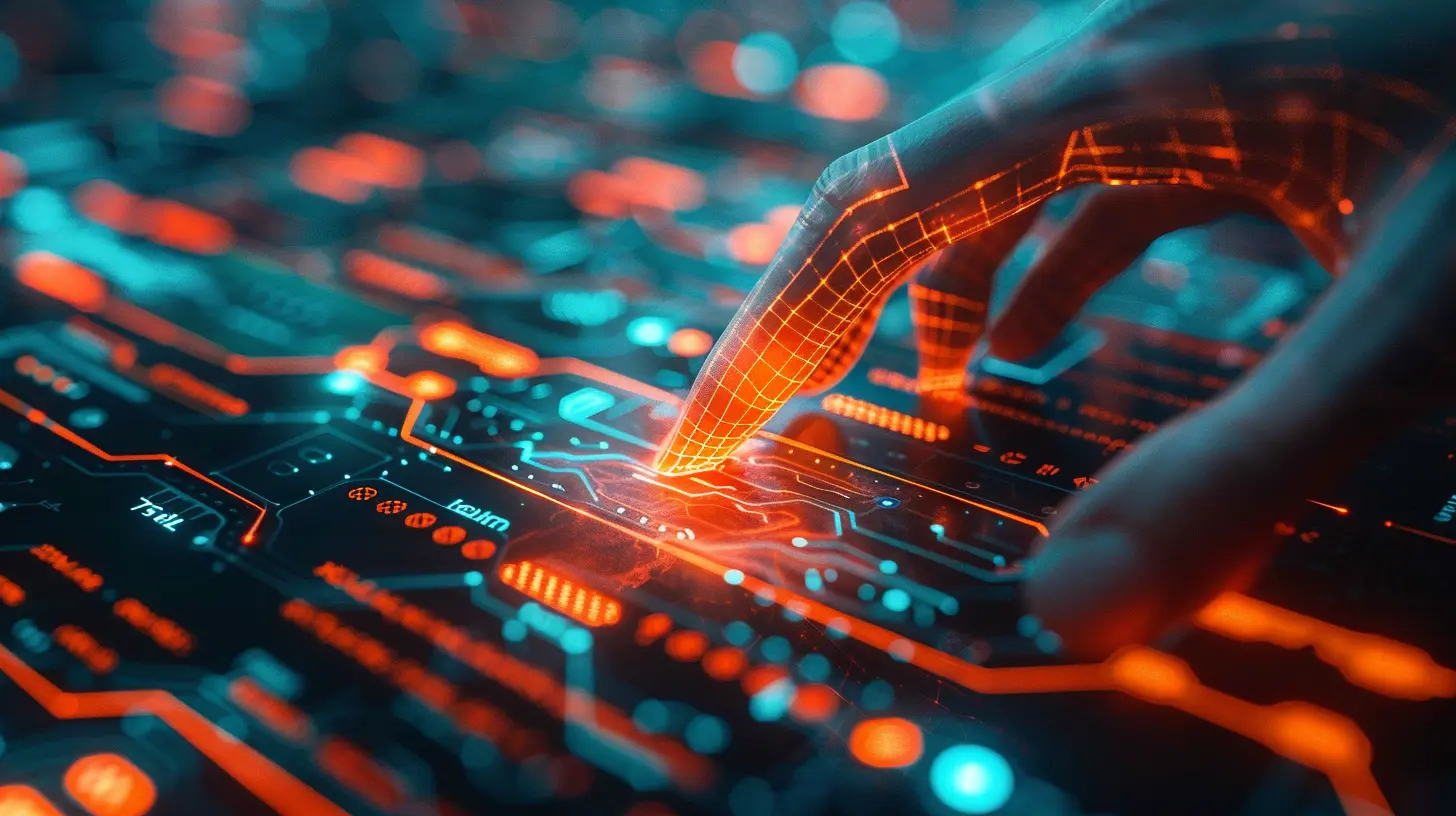
What Are Gesture-Based Interfaces?
Before we start dreaming big, let’s break it down. Gesture-based interfaces are systems that allow users to interact with devices through physical movements—like hand waves, nods, or even eye movements—instead of traditional inputs like keyboards or touchscreens.Think of it like playing charades with your smartphone, but it actually understands you. Cool, right?
These systems rely on sensors, cameras, and sometimes even radar to interpret your movements. And the goal? To make your tech feel like it gets you—intuitively and effortlessly.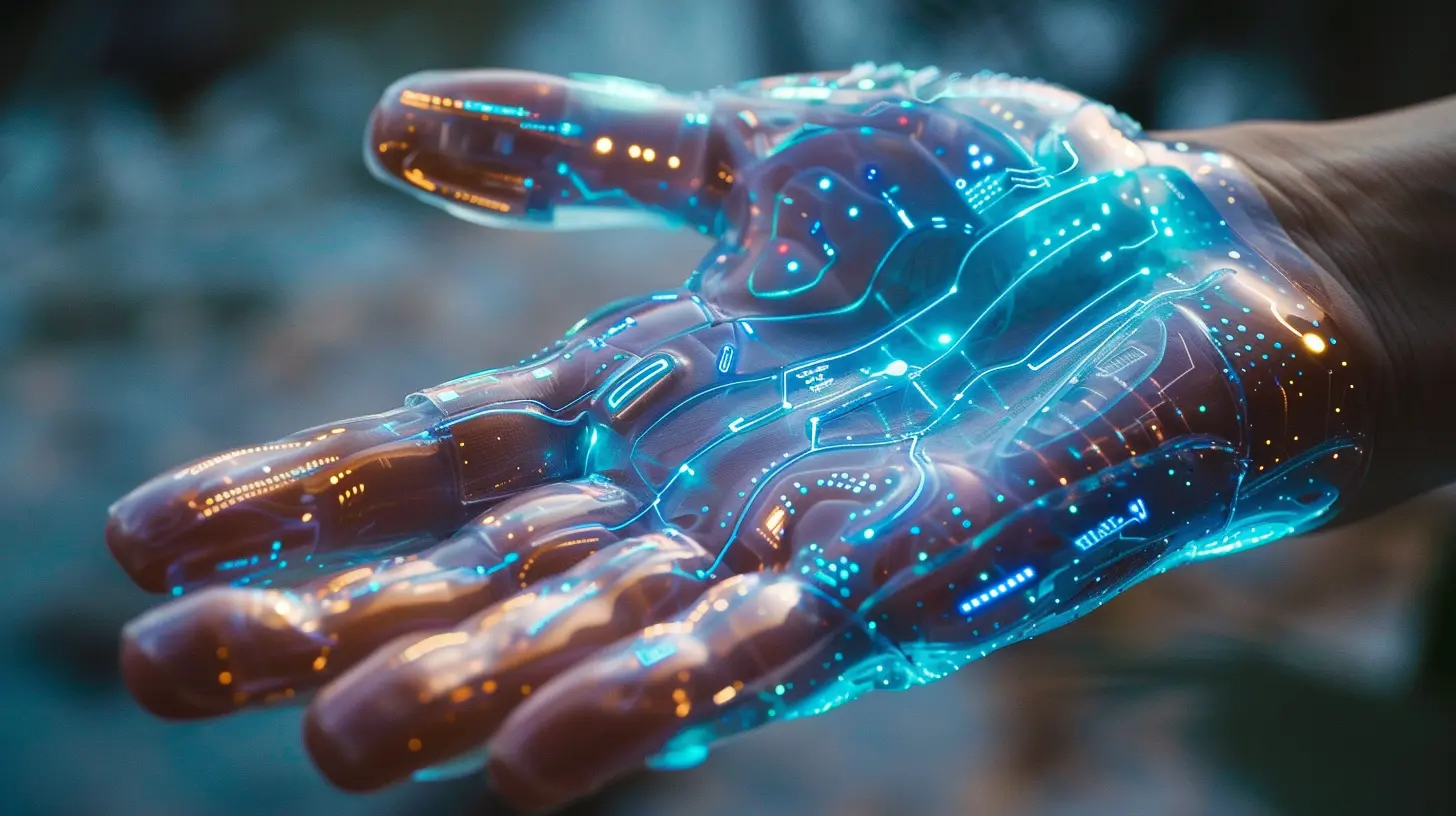
Why Are Gesture Interfaces Gaining Popularity?
So, why now? Well, there are a few big reasons gesture-based tech is starting to pop up everywhere:1. Touchless Is the New Norm
Let’s be real, the pandemic changed how we interact with our surroundings. Touchless tech went from a fancy feature to a necessity. Gesture controls offer a hygienic alternative. No smudging up your phone screen or touching greasy microwave buttons—just wave your hand, and boom, done.2. Natural User Experience
We’re wired to communicate through gestures. Babies do it before they talk. So using gestures to interact with devices feels, well, natural.It’s intuitive. You don’t need a manual to figure out that a swipe to the left means "next" or a wave means “go away.” When interfaces match human behavior, the whole experience feels smoother.
3. The Rise of AR, VR, and Smart Devices
Augmented reality (AR), virtual reality (VR), and mixed reality tech are exploding, and guess what? They’re not exactly ideal for keyboards or mouses. Gesture control is practically built for these immersive experiences. You can manipulate virtual objects as naturally as handling real-life ones.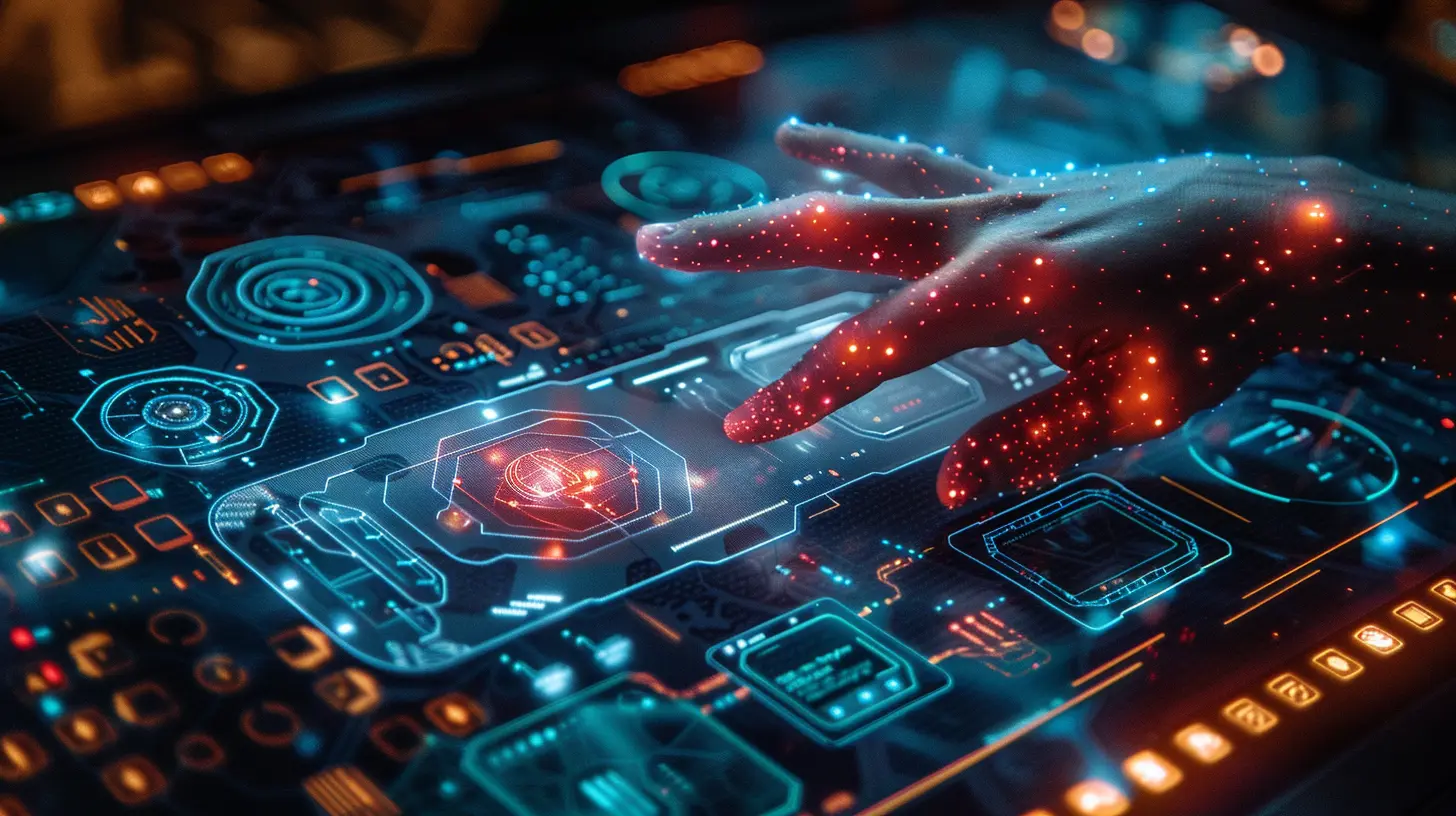
The Tech Behind Gesture-Based Interfaces
Now, let’s geek out for a sec. What’s making all this sci-fi magic possible?1. Cameras and Vision Sensors
Devices like Microsoft’s Kinect or the iPhone’s Face ID use depth-sensing cameras to pick up 3D gestures. These cameras track even small movements with crazy precision. It’s like the devices are watching… but in a helpful, non-creepy way.2. Infrared and Ultrasound Sensors
These types of sensors don’t need light to see what you're doing. They work in low-light environments and can be more energy-efficient than cameras.3. Radar Technology
This is where it gets mind-blowing. Google's Project Soli uses miniature radar to detect microgestures—tiny finger movements that can navigate devices invisibly. Imagine controlling your smartwatch by rubbing your fingers together. Yeah, we're talking mini superpowers here.4. AI and Machine Learning
All that gesture data? It needs to be processed and understood—and that’s where artificial intelligence and machine learning step in. These smarts help devices figure out the difference between a “wave goodbye” and a “change the song” command.
Real-Life Applications That Are Already Here
Okay, so we’ve seen the tech side. But how is this stuff actually being used in the real world?1. Smartphones and Tablets
Some Android phones already let you take selfies by flashing a peace sign or scroll by waving your hand. Handy when your hands are messy—or full of snacks.2. Smart TVs
Wave to change the channel or adjust the volume. No more hunting for the remote that’s always stuck in the couch cushions.3. Gaming Consoles
Who could forget the Nintendo Wii or Xbox Kinect? While they were early attempts, they laid the groundwork for motion-based gaming that’s still evolving today.4. Automotive Industry
Cars like those from BMW and Mercedes-Benz are using gesture controls to adjust volume, answer calls, or even navigate maps—all without taking your hands off the wheel.5. Smart Home Devices
Motion sensors already let you turn lights on and off with a wave. But we’re moving toward fully gesture-enabled kitchens and bathrooms. Imagine cooking without ever having to touch a switch or button.The Benefits: Why Consumers Should Be Excited
Still not convinced that gesture interfaces are the future? Let’s look at the perks:1. Hygiene and Convenience
Especially in shared or public environments, touchless interaction keeps things cleaner and safer. Plus, it just makes life easier.2. Accessibility
For people with physical limitations, gestures can offer alternative ways to interact with technology. It opens doors—sometimes literally.3. Multitasking Made Easy
Cooking, driving, working out—these are all times when your hands are busy. Gesture-control jumps in like a helpful sidekick, letting you operate your devices without stopping what you’re doing.4. Immersive Experiences
In gaming and virtual environments, gestures ramp up the realism. Instead of feeling like you’re controlling a character, you feel like you are the character.The Challenges: It’s Not All Smooth Sailing
Of course, no tech is perfect, and gesture-based interfaces have a few hurdles to clear.1. Misinterpretation and Accuracy
Devices sometimes struggle to read gestures correctly, especially in low lighting or if your movements aren't very clear. A wave could be misread as a command—or vice versa.2. Learning Curve
Even though gestures are natural, there’s still some learning needed. People need to remember which actions do what, and that can be inconsistent across devices.3. Privacy Concerns
Cameras and sensors watching your every move? Yeah, that raises a few eyebrows. Companies need to earn users' trust by securing data and being transparent.What the Future Could Look Like
So where are we heading with gesture-based interfaces? Buckle up, because the future looks pretty wild.1. Combined Interfaces
Gestures won’t replace touch or voice completely. Instead, we’re likely to see a combo of inputs—talk, tap, or wave—so users can choose whatever feels easiest in the moment.2. Invisible UIs
Get ready for interfaces that aren’t even visible. Think of smart mirrors, walls, or even clothing that reacts to your gestures. The interface disappears, and the experience becomes seamless.3. Personalized Gestures
AI will adapt to your natural gestures. Instead of forcing you to learn new movements, future devices could learn from your habits and preferences, giving totally personalized experiences.4. Healthcare and Rehabilitation
Gesture tracking could help in physical therapy, monitoring progress or even helping patients regain motor skills. It’s not just about convenience—it could change lives.Industries That’ll Be Transformed
It’s not just consumers who’ll benefit. Let’s touch on a few industries that will feel the ripple effects big time:- Healthcare: Surgeons could manipulate data mid-operation without touching anything.
- Retail: Try on virtual clothes by waving in front of a smart mirror.
- Education: Teachers could control digital blackboards or presentations through gesture.
- Manufacturing: Engineers and technicians could operate machines in hygienic, efficient ways.
- Hospitality: Hotel guests could control room settings with simple hand signs.
What Needs to Happen Next?
For gesture-based tech to really take off, these three changes are crucial:1. Standardization: Different devices need to speak the same gesture language.
2. Affordability: The tech must be cheap enough for widespread adoption.
3. Privacy & Ethics: Transparency and control over data collection will be non-negotiable for users.
Final Thoughts
Gesture-based interfaces are no longer just part of movie magic—they’re becoming a key player in the way we interact with technology. From gaming and smartphones to healthcare and smart homes, the possibilities are vast and exciting. Sure, there are challenges, but the road ahead looks promising.The tech is getting smarter, more refined, and—most importantly—more human. Before you know it, waving at your TV or flicking your wrist to change the thermostat will feel as normal as tapping on a screen.
Ready to wave hello to the future?
all images in this post were generated using AI tools
Category:
Tech TrendsAuthor:

Gabriel Sullivan
Discussion
rate this article
2 comments
Viva McQuillan
Gesture-based interfaces hold transformative potential for consumer tech, enhancing user experience through intuitive interactions. Their success hinges on precision, accessibility, and seamless integration into daily life.
December 31, 2025 at 3:22 AM
Gabriel Sullivan
Thank you for your insights! I completely agree—precision, accessibility, and seamless integration are indeed crucial for the future success of gesture-based interfaces in consumer tech.
Abigail King
Great insights! Gesture-based interfaces are revolutionizing consumer tech, offering intuitive experiences. Excited to see how this evolves in the future!
December 11, 2025 at 11:27 AM
Gabriel Sullivan
Thank you! I share your excitement about the potential of gesture-based interfaces to enhance user experiences in innovative ways. Stay tuned for more developments!