The Future of Hybrid Workspaces: Trends to Watch in 2027
12 May 2026
Remember when "going to work" meant stuffing yourself into a crowded train, sitting in the same cubicle for eight hours, and pretending to be busy when your boss walked by? That era is gone. By 2027, the hybrid workspace won't just be a compromise between remote and office life. It will be a completely reimagined ecosystem. We are talking about a shift so profound that the very definition of a "workplace" will feel almost nostalgic.
So, what does that future actually look like? It's not about ping-pong tables or free snacks. It's about friction, flow, and a strange new relationship with physical space. Let's dive into the trends that will define hybrid workspaces in 2027. No fluff. Just the real, gritty, and exciting stuff.
The Death of the "Office Day" and the Rise of the "Purpose Day"
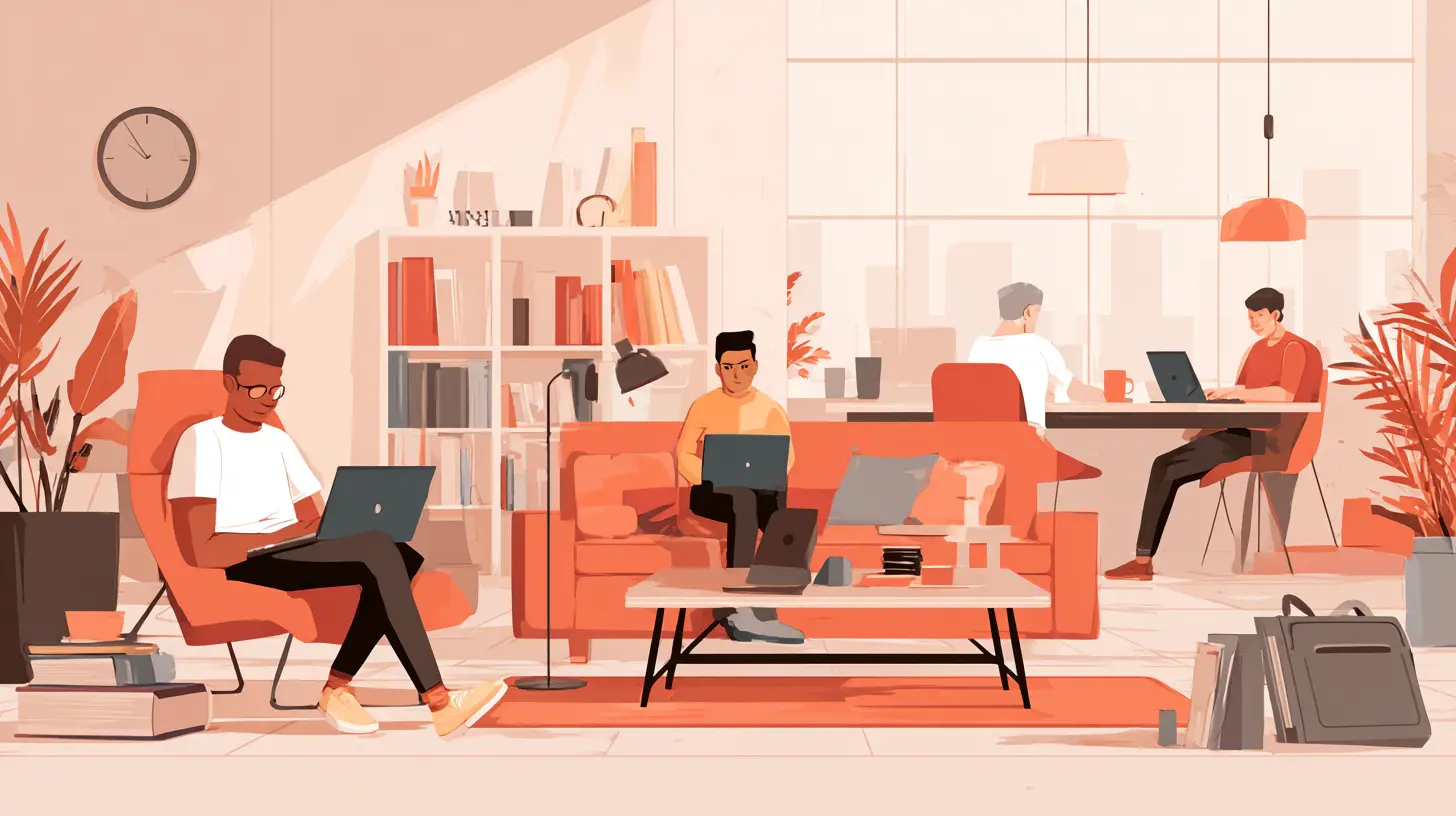
For years, companies forced a rigid schedule: come in on Tuesdays and Thursdays. Why? Because that's what everyone else did. By 2027, that arbitrary logic will seem as outdated as a fax machine. The trend is moving toward "purpose days." You don't go to the office because the calendar says so. You go because you need to do something that works better in person.Think about it. Brainstorming a new product? That's a purpose day. Doing a deep-focus coding session? That's a home day. Having a difficult performance review? That's a coffee shop conversation. The office becomes a tool, not a prison. This shift forces companies to design spaces for specific activities: silent zones for heads-down work, collaboration pods for noisy creativity, and social hubs for serendipitous connection. If the office can't justify why you should be there, you simply won't go.
The "Third Place" Goes Corporate
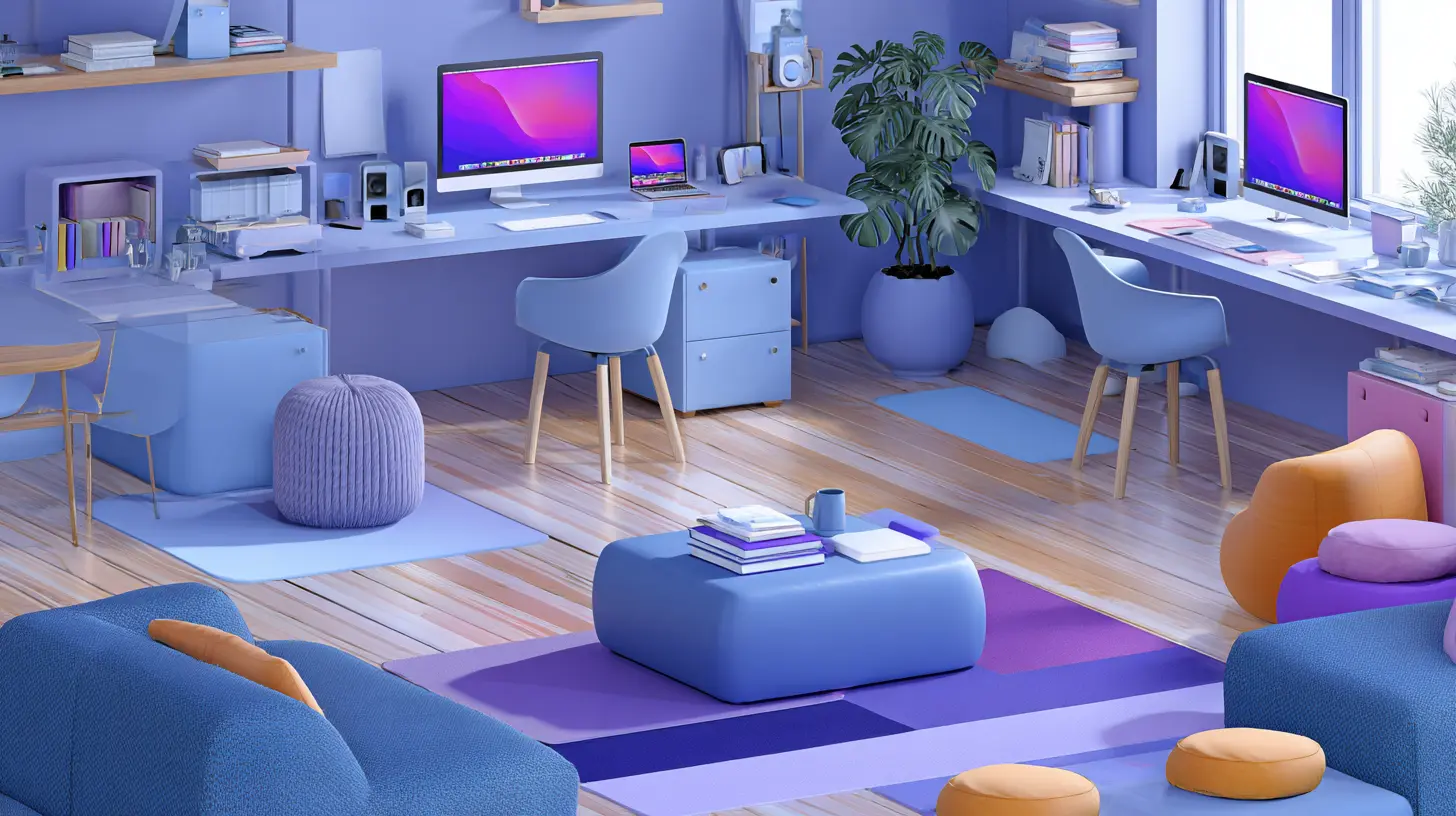
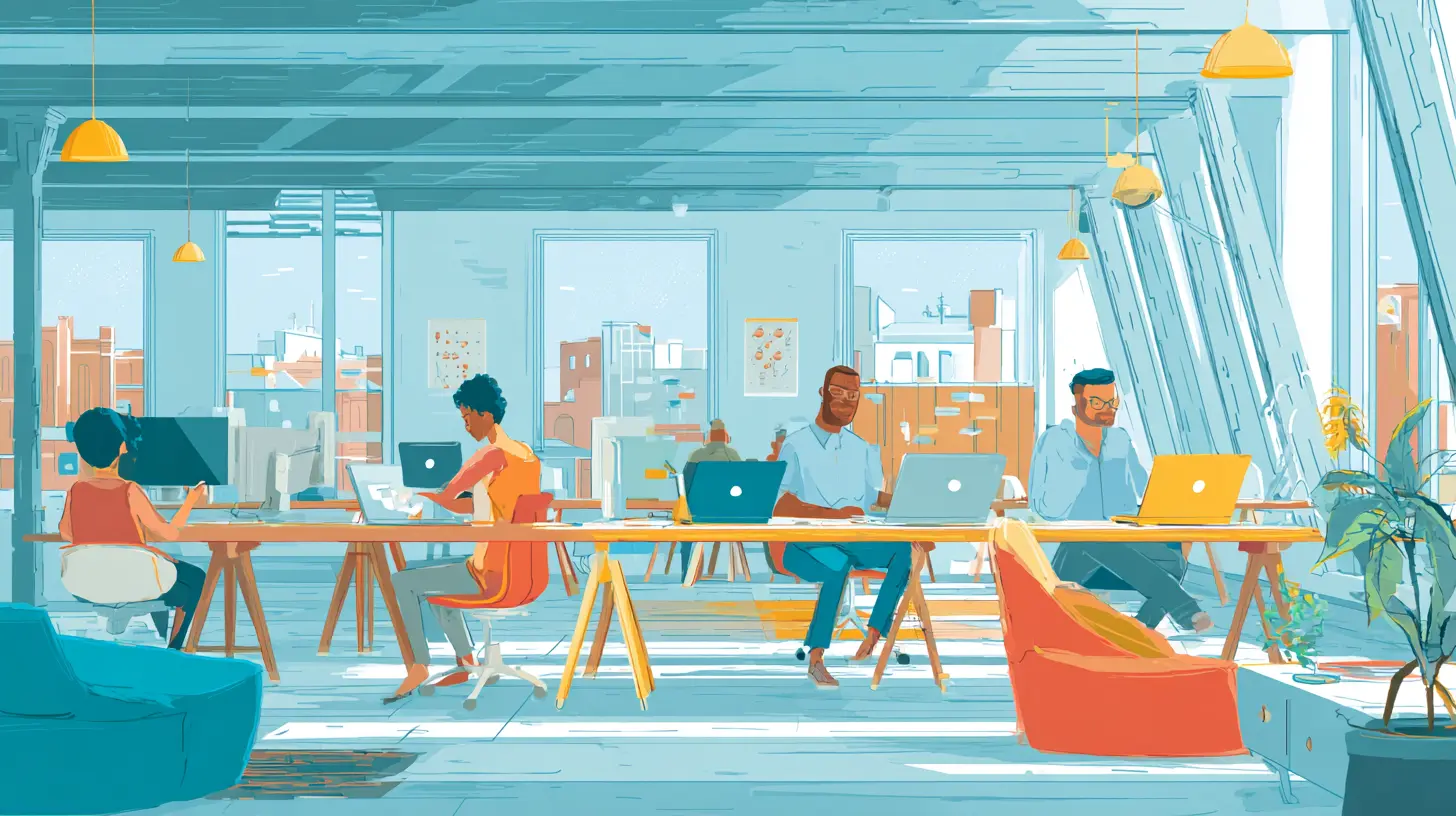
In 2027, the hybrid workspace will extend far beyond the home and the corporate HQ. We are seeing the rise of the "third place" - a curated, professional environment that is neither your living room nor your company's lobby. Think boutique co-working spaces that are hyper-local, offering childcare, gym access, and even short-term meeting rooms for a monthly fee.But here is the twist: companies will subsidize these spaces. Your employer might pay for your membership at a "third place" near your home, because they know it boosts productivity more than a lonely home office. This trend is driven by the simple math of real estate. Why lease a massive downtown tower when you can pay for a network of smaller, distributed hubs? It's like having a corporate office in every neighborhood, without the overhead. This also solves the loneliness problem. You get the community of an office without the commute of a nightmare.
AI as Your Invisible Office Manager
Let's be honest: the biggest pain point in hybrid work is coordination. "When is everyone free?" "Which desk is available?" "Did I miss the meeting recording?" By 2027, AI will handle all of this silently, like a helpful ghost in the machine.Imagine an AI that knows your energy patterns. It sees that you had a late night, so it automatically blocks your morning for deep work and suggests a later start. It knows the conference room is booked, but the AI also knows that the meeting is just a status update, so it suggests a quick async video instead. It even optimizes the office's HVAC and lighting based on who is actually in the building that day. No more fighting with a clunky app to book a desk. The AI just assigns you a spot near a window because you always work better there. This isn't sci-fi. The sensors and algorithms already exist. By 2027, they will be standard.
The "Digital Twin" Office
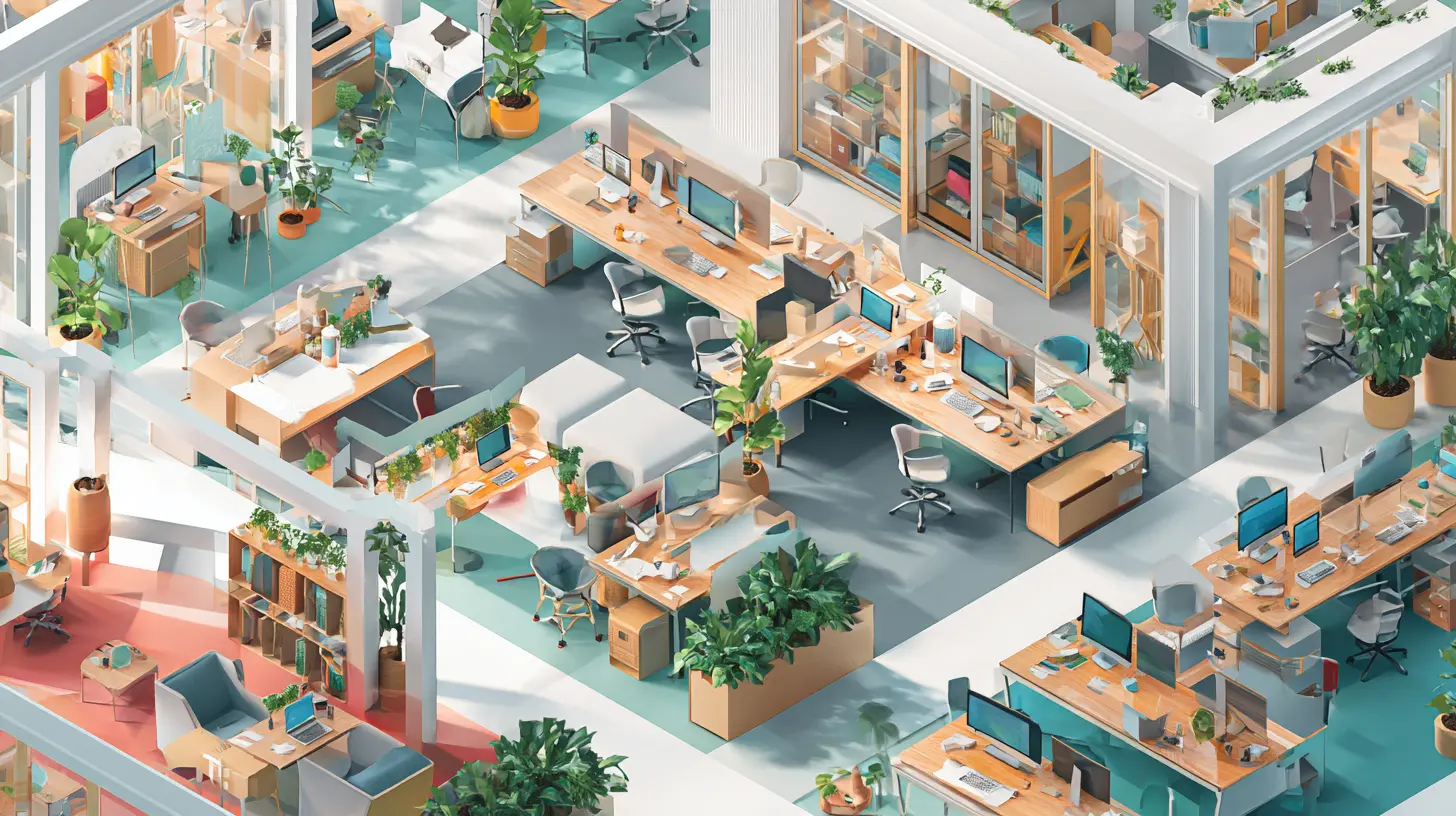
This one sounds fancy, but it's incredibly practical. A digital twin is a real-time, 3D virtual replica of your physical office. You can log in from home, walk through the virtual space, see where your colleagues are sitting, and even "drop in" on a conversation happening at the water cooler.Why does this matter? It solves the biggest problem of hybrid: visibility. When you are remote, you are out of sight and often out of mind. The digital twin gives remote workers a sense of presence. They can see that Sarah is at her desk, so they can send a quick message. They can see that the design team is gathered in the "blue room," so they know a big project is happening. It's like having a live map of your office's social energy. This technology will bridge the gap between being physically present and being virtually present, making the "second-class citizen" feeling a thing of the past.
The "Asynchronous First" Culture
Meetings are the kryptonite of productivity. In 2027, the most successful hybrid workspaces will operate on an "asynchronous first" principle. This means you don't schedule a meeting unless the work absolutely cannot be done via a written document, a recorded video, or a shared board.This trend is a cultural revolution. It requires discipline. You write a clear update. You record a short Loom video explaining a complex idea. You comment on a shared document. The default mode is "work on your own time." The result? Fewer interruptions, deeper focus, and a dramatic reduction in calendar chaos. But it only works if the company provides the right tools and, more importantly, the right culture. Leaders have to model this behavior. If the CEO schedules a meeting to discuss a one-sentence update, the whole system breaks.
The "Neighborhood" Model of Team Structure
Forget the old org chart with its rigid hierarchies. By 2027, hybrid workspaces will organize teams into "neighborhoods." A neighborhood is a small, cross-functional group of 8-12 people who share a physical zone in the office and a virtual channel online.These neighborhoods are self-organizing. They decide when to meet in person, how to communicate, and who does what. It's like having a small startup inside a larger company. This structure reduces the cognitive load of trying to coordinate with 50 people across different time zones. You have your tight-knit neighborhood, and then you have the broader company. This model fosters trust, accountability, and a sense of belonging that is often lost in large hybrid organizations. It also makes the office feel smaller and more human.
The Battle for Attention (and Energy)
In 2027, the most valuable currency in the hybrid workspace won't be time. It will be attention and energy. Companies will finally realize that asking someone to be "always on" is a recipe for burnout.Expect to see "focus hours" enforced by the entire company. No messages, no emails, no meetings for two hours in the morning. Expect to see "energy budgets" where employees track their mental state and adjust their schedules accordingly. The office itself will be designed to manage energy. There will be "recharge rooms" with dim lighting and plants, not because they look cool, but because science proves they help you recover. The hybrid workspace of 2027 will respect the fact that a tired, distracted brain produces terrible work.
The "Bleisure" Office
The line between business and leisure will blur even further. By 2027, many companies will offer "work from anywhere" policies, but with a twist. They will create "bleisure" hubs in desirable locations. Think a company-sponsored office in a beach town, a mountain resort, or a cultural city.You can work from that hub for a month. You bring your family. You get the productivity of an office (good internet, printers, meeting rooms) with the lifestyle of a vacation. This isn't just a perk. It's a retention strategy. In a tight labor market, the ability to work from a cabin in the Alps for a month is a powerful incentive. It also fosters cross-team bonding. You might never meet a colleague in the main office, but you'll bond with them over a hike after work at the bleisure hub.
Security Becomes Invisible (and Intense)
With everyone working from everywhere, security is a nightmare. But by 2027, the best hybrid workspaces will have security that is both invisible and incredibly robust. No more typing in complex passwords. Your face, your voice, or your fingerprint will be your key.Zero-trust architecture will be standard. The network will assume every device is compromised until proven otherwise. But the experience will feel seamless. You just sit down at a desk, the monitor recognizes you, and your entire desktop appears. You leave, and everything vanishes. This frictionless security is a major trend. It protects the company without annoying the employee. The worst thing a security system can do is make work harder. In 2027, it will make work easier.
The "Synchronous" Social Glue
If async is for work, sync is for culture. The final trend for 2027 is the deliberate design of synchronous social rituals. These are the moments that build trust and camaraderie.Think of it as "forced fun," but done right. It's a weekly 30-minute "coffee chat" where two random employees talk about anything but work. It's a monthly "demo day" where teams show off what they built. It's a quarterly in-person retreat that is 80% social and 20% strategy. These rituals are non-negotiable. They are the glue that holds a hybrid team together. Without them, the workspace becomes a collection of isolated individuals. With them, it becomes a community.
The Human Factor: What Stays the Same
Amid all this tech and change, one thing remains constant: people need connection. They need to feel seen, heard, and valued. The hybrid workspace of 2027 will be a success not because of the AI or the digital twins, but because it puts human needs first.The best companies will not try to control where you work. They will trust you. They will give you the tools to do your best work, whether that is in a silent library, a bustling cafe, or a home office with a barking dog. The future of hybrid workspaces is not about technology. It is about freedom. And freedom, as it turns out, is the ultimate productivity hack.
So, what does your 2027 workspace look like? It probably doesn't look like a single place. It looks like a network of possibilities. And that is a future worth building.
all images in this post were generated using AI tools
Category:
Home Office TechAuthor:

Gabriel Sullivan
Discussion
rate this article
1 comments
Maria Lozano
As we zoom into 2027, hybrid workspaces will be like a digital playground! Think of cozy corners, robot coffee makers, and virtual co-workers who actually remember your coffee order. Can't wait to see where this goes!
May 26, 2026 at 10:26 AM
Gabriel Sullivan
I love that vision! The blend of comfort and tech will definitely reshape how we work and connect. Exciting times ahead!