The Future of Smart Displays: What’s on the Horizon?
2 February 2026
Smart displays have come a long way in the last decade. What started as basic voice assistants with a screen has now evolved into a full-fledged smart home essential. From kitchen companions to home security hubs, these devices are getting smarter, sleeker, and more integrated than ever. But what does the future hold for smart displays? Buckle up because we’re about to dive into some exciting possibilities! 
Smarter AI, More Personalization
One of the biggest game-changers in smart displays is AI. Right now, devices like the Amazon Echo Show and Google Nest Hub are already using AI to recognize voices, recommend content, and adjust settings based on user preferences. But in the future? Expect them to be even more intuitive.Imagine waking up in the morning, and your smart display doesn’t just show you the weather but also suggests what to wear based on your calendar events. It could anticipate your needs before you even ask—like recommending a workout when you've been inactive for too long or reminding you to drink water on a hot day. The future of smart displays is all about customization at an almost scary level (but in a good way). 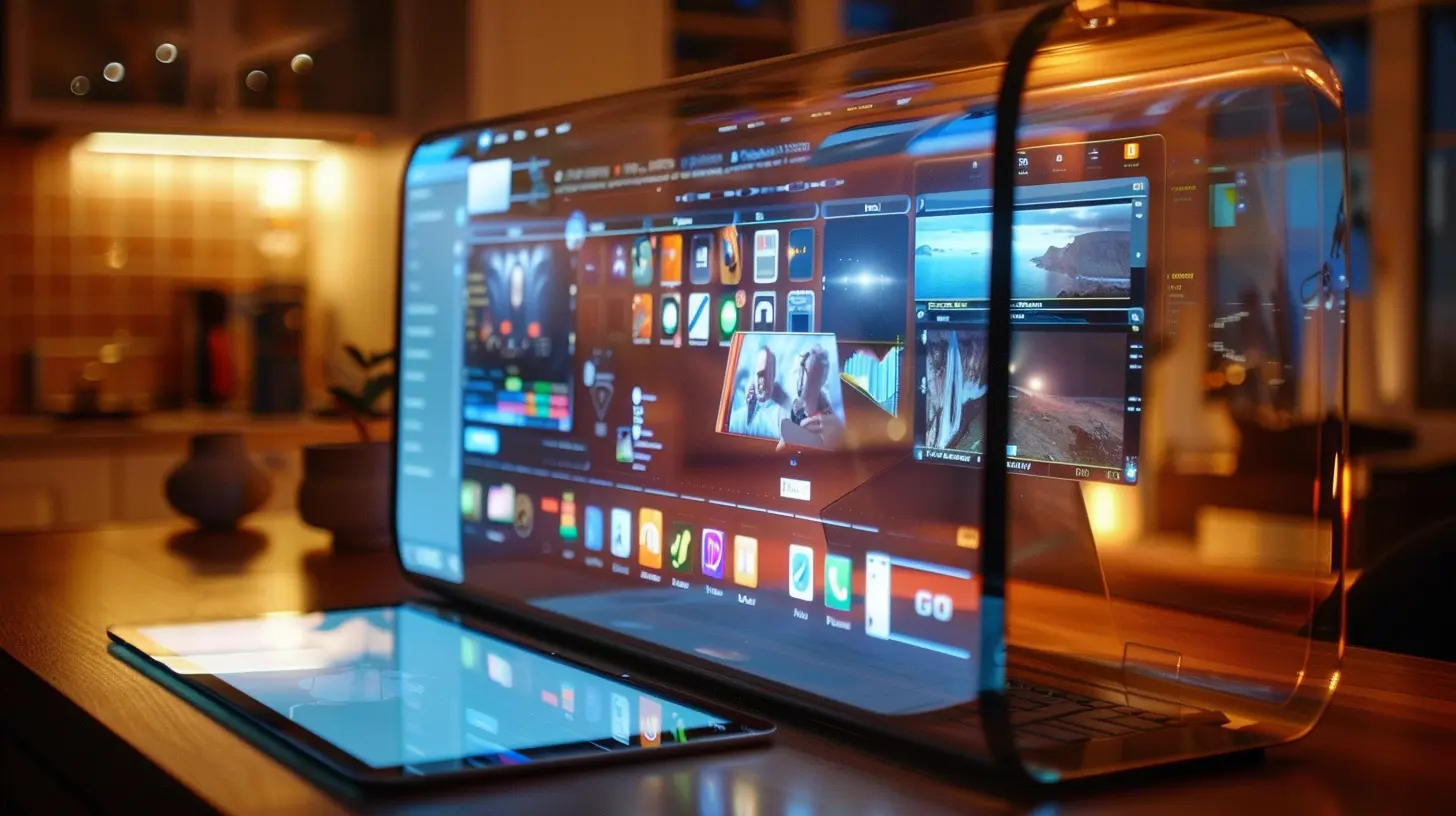
Seamless Smart Home Integration
Right now, smart displays are great at controlling smart lights, thermostats, and security cameras. But let's be honest—sometimes getting everything to work together feels like trying to solve a Rubik’s cube blindfolded. Future smart displays will offer even more seamless integration, eliminating the need for multiple apps or ecosystems.We’re talking about displays that can control every aspect of your home with ridiculously smooth automation. Imagine saying, “Goodnight,” and your smart display dims the lights, locks the doors, adjusts the thermostat, and plays your favorite sleep sounds—all in one go. That’s the level of integration we can expect. 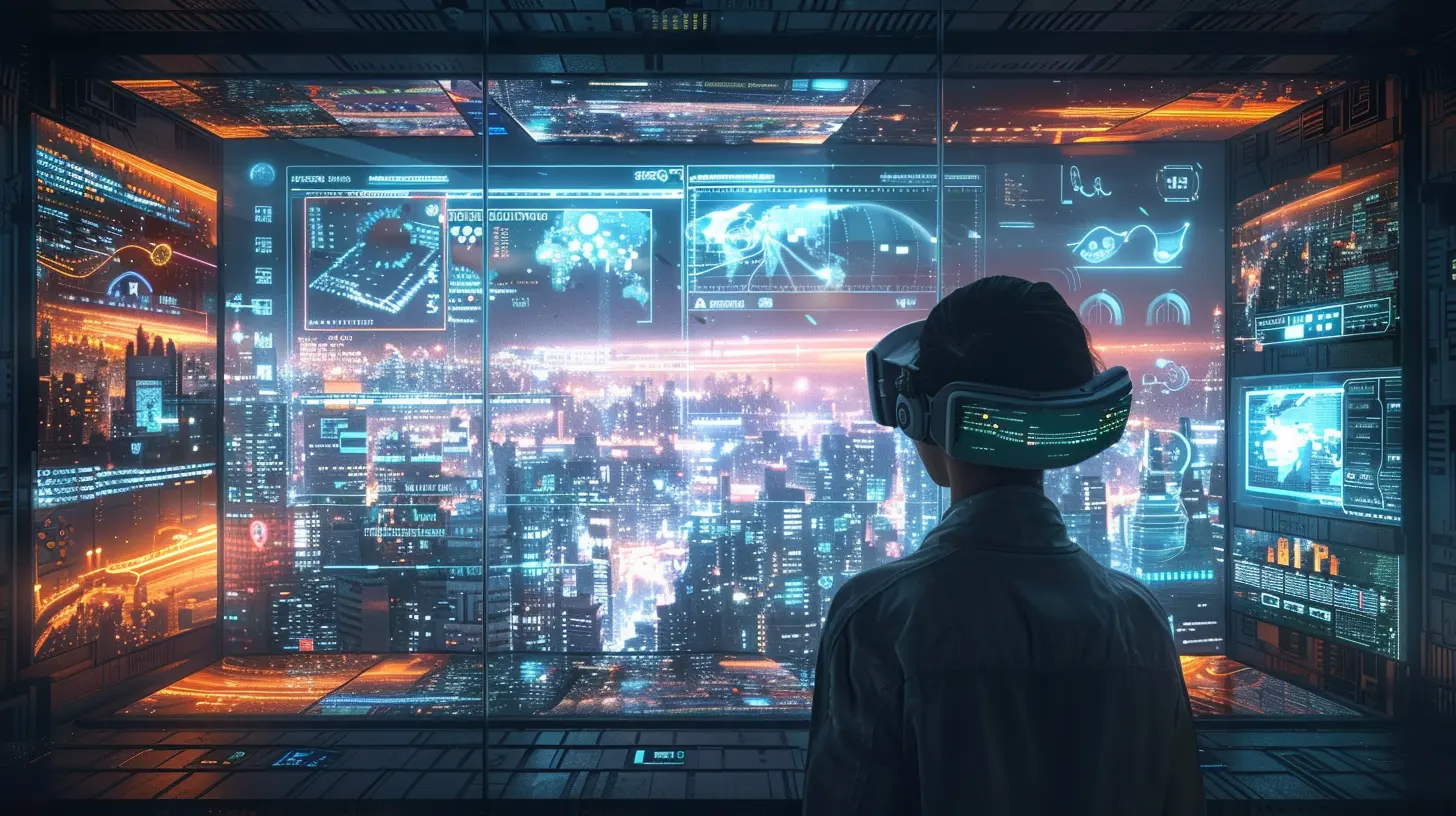
Augmented Reality (AR) Features
AR is no longer just something from sci-fi movies. With the rise of AR glasses and mobile apps, smart displays could become a major player in this space. Picture this: you're following a cooking tutorial on your smart display, and instead of just watching a video, an AR projection shows you step-by-step instructions right on your countertop.Or think about virtual shopping—where you can try on clothes, furniture, or even makeup using augmented reality directly from your smart display. The possibilities are endless, and the mix of AR with everyday tasks is something we’ll likely see very soon. 
Better Voice & Gesture Recognition
Voice assistants are already impressive, but let’s face it—sometimes they still misunderstand us in the most hilarious yet frustrating ways. The future of smart displays will feature refined speech recognition that can better understand natural language and even context.Even more exciting? Gesture recognition! Instead of yelling across the room to pause a video, you could just wave your hand. Need to snooze your alarm in the morning? A simple swipe in the air could do the trick. It’s like having a touch-free, futuristic control panel right in your home.
Enhanced Display Technology
The screens on today’s smart displays are decent, but imagine what’s coming next. We’re likely to see higher resolutions, OLED or even MicroLED displays for richer colors and deeper blacks.Beyond that, flexible or transparent displays could also become a reality. Picture a smart display that blends seamlessly into your furniture or walls when not in use, only becoming visible when you need it. That kind of seamless aesthetics could be a huge selling point for future devices.
Privacy and Security Upgrades
Let’s be real—privacy is a huge concern with any smart device. The future of smart displays will need to address these concerns head-on. Companies are already working on better encryption, local data processing, and even physical camera covers to ease security anxieties.We might soon see AI-driven security features, like a smart display that can recognize unauthorized users and lock itself automatically. Or better yet, voice authentication so that sensitive information is only accessible to the right person.
Multi-User Support and Collaboration
Right now, smart displays can recognize different voices and provide some degree of personalization. But what if they could take it a step further? Imagine a smart display that adapts to multiple people in a home at the same time.For example, if you're watching a movie, it could adjust volume levels based on who’s in the room. Or if you’re having a video call, the display could track multiple faces and shift focus accordingly. Collaboration in smart displays could also extend beyond the home—like better business integration for remote work, with seamless ways to share documents, brainstorm, and present ideas.
5G and Faster Internet Speeds
One of the biggest barriers to a smooth smart display experience is lag. The future, however, looks promising thanks to the rollout of 5G and improved WiFi technology.Imagine lag-free video calls, lightning-fast smart home controls, and real-time AI assistance without the annoying buffering pauses. With faster internet speeds, smart displays will run more efficiently, making them even more reliable as everyday companions.
Bigger Role in Healthcare and Wellness
Smart displays are already being used for guided workouts and video consultations with doctors. But in the future, they could become personal health monitors.Think about a display that checks your vitals, reminds you to take your medication, or even alerts emergency services if it detects something unusual. AI-driven smart displays could analyze your habits and suggest healthier routines tailored to your lifestyle.
Sustainable and Eco-Friendly Designs
Sustainability is becoming a priority for tech companies, and smart displays are no exception. Future devices will likely be made from recycled materials, consume less energy, and integrate eco-friendly features like solar charging or energy-efficient displays.As people become more conscious of their carbon footprint, companies that produce sustainable smart displays will have a competitive edge. After all, who doesn’t want cutting-edge tech that’s also kind to the planet?
Final Thoughts
The future of smart displays is looking brighter (and smarter) than ever. With AI advancements, deeper home integration, AR magic, and improved privacy, these devices are set to become even more essential in our daily lives.While we might not have holographic displays just yet (give it time!), what’s coming next is sure to make our lives more convenient, efficient, and entertaining. So, get ready—because the next generation of smart displays is going to be nothing short of amazing!
all images in this post were generated using AI tools
Category:
Tech TrendsAuthor:

Gabriel Sullivan
Discussion
rate this article
2 comments
Kristen Riley
Exciting innovations ahead! Smart displays will transform our interaction with technology and everyday life.
March 10, 2026 at 3:58 AM
Merida Fry
Thank you for this insightful article! The potential of smart displays is truly exciting, especially regarding their evolving integration into daily life. I look forward to seeing how these advancements will enhance user experiences and connectivity in the near future.
February 5, 2026 at 1:51 PM
Gabriel Sullivan
Thank you for your kind words! I’m glad you found the article insightful, and I share your excitement about the future of smart displays and their impact on our daily lives.