The Future of Smart Keyboards: Beyond Typing
26 January 2026
Let’s face it—keyboards haven’t changed much in decades. Sure, we've seen mechanical switches, RGB backlighting, ergonomic curves, and even virtual keyboards pop up, but at their core, they’ve remained... keyboards. Just a set of physical (or digital) keys laid out in the same QWERTY formation we’ve had since the 1800s.
But what if I told you the keyboard of the future isn't really about typing at all?
Crazy, right? Yet that's exactly where we’re headed. The future of smart keyboards is not just about punching in letters. It’s about blending artificial intelligence, adaptive interfaces, biometrics, and even health tracking into a tool that understands you—your habits, your workflow, your needs—before you even press a key.
So, buckle up. We're diving into a future where keyboards become more than just input devices. They're becoming personalized, intelligent companions. Let’s talk about it.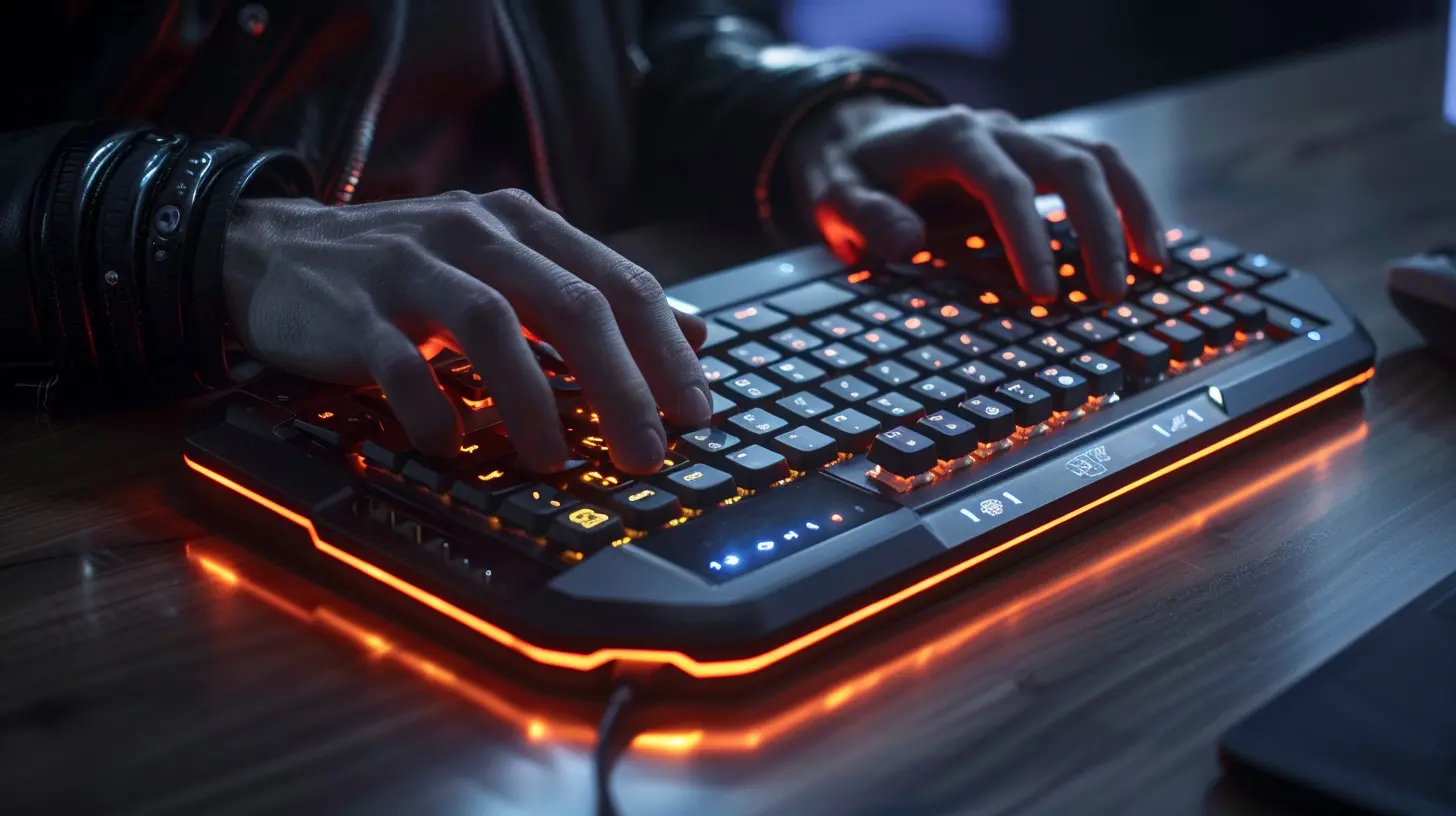
Typing Is Just the Beginning
Think about how much time we spend on keyboards—coding, chatting, emailing, gaming, writing, working. It's one of the most intimate parts of our digital life. But in the past, no matter how powerful our devices got, our interaction point—the keyboard—stayed pretty dumb.Smart keyboards are flipping the script. They're evolving from passive hardware into interactive platforms that do way more than just relay keystrokes. We're talking about keyboards that:
- Adapt to your typing habits
- Learn what you mean (not just what you type)
- Offer contextual shortcuts
- Provide real-time language translation
- Track your posture and vitals while you type
It’s not science fiction—it’s the next iteration of human-machine communication.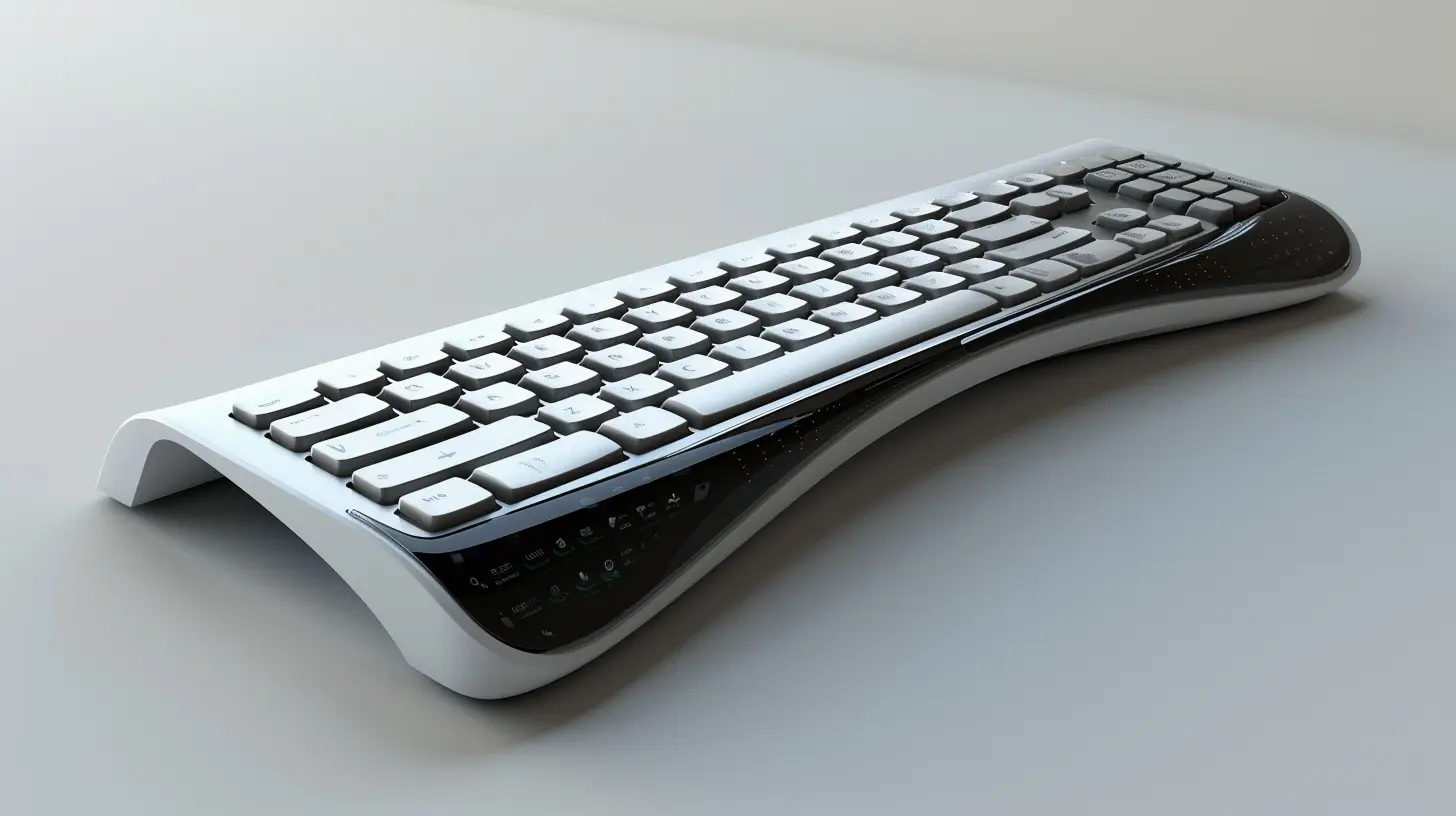
AI-Powered Assistance at Your Fingertips
Imagine typing an email and your keyboard suggests more than spellcheck—it offers tone suggestions, grammar improvements, and even predicts the entire sentence you’re about to write. Not just autocorrect. Not just autocomplete.We're talking about AI-enhanced keyboards that feel like having a digital writing coach built right in.
Think Grammarly but baked into your keyboard. AI could analyze the context of your writing—whether it’s professional, casual, or emotional—and offer real-time tweaks. For writers, marketers, students, or just busy people who email a lot, this is a game changer.
Plus, for those who write in more than one language? Smart keyboards equipped with AI can offer instant translation suggestions based on context, not just word-for-word conversion.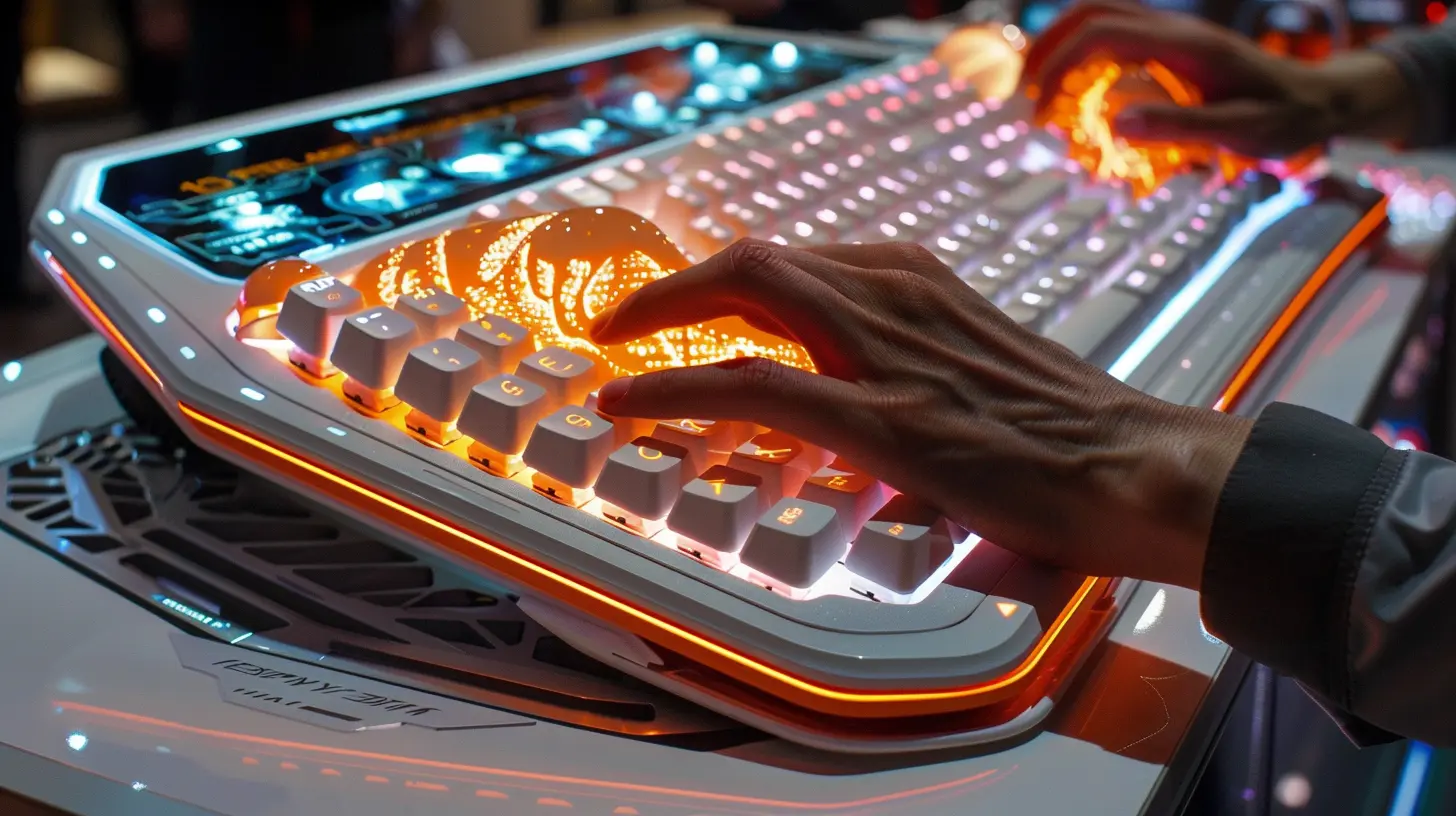
Smart Keyboards and Adaptive Interfaces
Have you ever wished your keyboard would change based on what you're doing? Smart keyboards of the future could do just that.We’re already seeing early signs of this with touch-based or screen-based keyboards on devices like the MacBook’s Touch Bar or on-screen keyboards on tablets and phones. But that’s just the tip of the iceberg.
Future keyboards will likely feature e-ink keys, mini-displays for each key, or dynamic LED displays that change based on software in use.
- Coding? Show common syntax shortcuts.
- Gaming? Light up WASD and show cooldown timers.
- Photoshop? Display tools and macro buttons.
It's like your keyboard becomes a shapeshifter, molding itself around your daily tasks to save you time and energy. You won't need to memorize 20 keyboard shortcuts—they’re right there, visually accessible at a glance.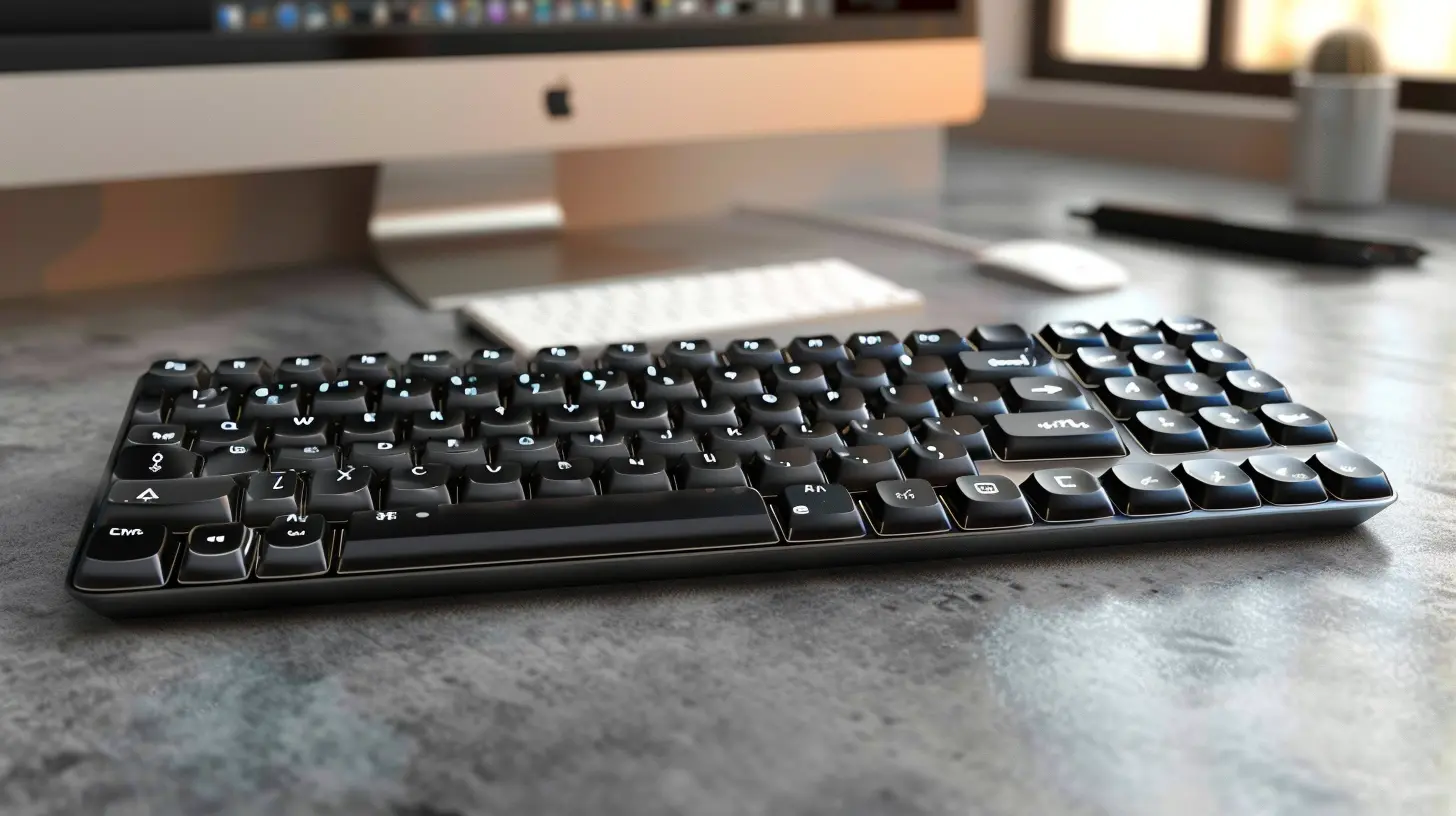
Health-Conscious Keyboards? Yes, Please.
Here's something most of us overlook: How is your posture while typing? How fast are your fingers moving? Are you straining your wrists?Smart keyboards of the future will likely come with sensors integrated right under your fingertips—tracking typing speed, pressure, hand positioning, and even heart rate.
Surprised? Think about it. Watches track your steps. Phones track your sleep. Why shouldn’t your keyboard track how your body reacts to your workload?
We could see keyboards reminding us, “Hey, your posture’s off,” or “You’ve been typing non-stop for 2 hours—time to stretch.” Airplane pilots get cockpit alerts. Well, the modern-day digital worker deserves the same care.
Even more, these keyboards could alert you to stress indicators, fatigue, or repetitive motion warning signs—helping prevent long-term injuries like carpal tunnel syndrome or RSI (Repetitive Strain Injury).
Voice Meets Touch: Multi-Modal Input
Typing is efficient. But speaking? Sometimes it's just faster.Smart keyboards of the future may integrate voice assistants directly into the hardware. Think of a combo—type half a sentence, speak the next phrase, and your keyboard processes it seamlessly.
Need to operate devices around you? Say, “Turn down the lights” while you continue typing. These voice-enabled keyboards could become hubs for managing not just your computer, but your entire smart home or office setup.
We're talking about a hybrid input future—voice, gesture, and touch—all working in harmony.
Biometric Security: Type Like You Mean It
What if your keyboard knew who you were... just by how you typed?Crazy as it sounds, biometric analysis through typing patterns (called "keystroke dynamics") is already being tested in cybersecurity applications. Everyone has a unique typing “signature”—your speed, your rhythm, how hard you press certain keys.
Smart keyboards of the future could use this to grant secure access to your devices or accounts.
No more PINs. No more endless two-factor logins.
Just you, typing naturally, and your keyboard saying, “Yup, it’s them.”
Cloud Connectivity and Personalized Profiles
Ever get a new device and have to spend an hour remapping keyboard shortcuts, reconfiguring macros, and reinstalling everything? Yeah, it’s kinda outdated.Future keyboards might link to cloud profiles. Wherever you go—office, home, co-working space—plug your keyboard in and boom! Your settings, your preferences, your shortcuts, all loaded instantly.
It’s like carrying your workspace in your backpack.
Gaming Keyboards: Leveling Up
Gamers already get the fanciest keyboards—RGB lighting, programmable keys, mechanical switches.But we’re going beyond that.
Imagine a gaming keyboard that learns your playstyle and suggests refinements. Or one that responds dynamically to what's happening in-game—lighting up keys for the next power move or flashing red when your health’s low.
Some prototypes even track finger temperature and fatigue. That’s next-level immersion.
The line between hardware and gameplay blurs. Your keyboard doesn’t just react—it participates.
Accessibility Like Never Before
Here's something super close to my heart: making tech more inclusive.Smart keyboards have a huge role to play in improving accessibility. For individuals with limited mobility, impaired vision, or neurodivergent needs, customizable and adaptive keyboards mean the digital world becomes more reachable.
Features like:
- Haptic feedback for blind or partially sighted users
- Voice prompts for guidance
- Custom key layouts for easier input
- Predictive typing for reduced strain
The future keyboard isn’t just smart—it’s kind. It adjusts to you rather than forcing you to adjust to it.
Energy Efficiency and Sustainability
Let’s get real—most electronics aren’t exactly eco-friendly. But the next-gen smart keyboards are being designed with sustainability in mind.Energy-efficient components, solar charging capability, recycled materials, and modular designs that allow easy repairs or upgrades.
Because the future isn’t just smart—it’s green, too.
So, Are We Saying Goodbye to Typing?
Not quite.Typing will still be a huge part of how we interact with machines—but it won’t be the only way. Smart keyboards are about evolution, not replacement.
Typing becomes part of a broader symphony—a harmony of gesture, voice, biometrics, touch, and AI. The keyboard becomes a collaborator, not just a tool.
Wrapping It All Up: The Keyboard Reinvented
The keyboard, one of the earliest human-computer interfaces, is finally catching up with the tech around it. We're moving from static slabs of plastic to intelligent, responsive devices that know us better than we know ourselves (well, almost).Smart keyboards are poised to transform how we work, create, play, and live online. They’ll make us more productive, more comfortable, more secure—and yes, maybe even a little healthier.
So, what does the future look like? It looks like a keyboard that listens, learns, adapts, and evolves with you.
And honestly, I can’t wait to type on it.
all images in this post were generated using AI tools
Category:
Tech TrendsAuthor:

Gabriel Sullivan
Discussion
rate this article
2 comments
Galina Conrad
Exciting times ahead for smart keyboards! They're evolving beyond just typing—think creativity, productivity, and fun! Can't wait to see what's next!
March 6, 2026 at 4:42 AM
Gabriel Sullivan
Absolutely! The evolution of smart keyboards promises to transform our interactions, blending creativity and productivity in innovative ways. Exciting times indeed!
Cody McCune
Exciting times ahead for smart keyboards! 🚀 It’s thrilling to think about how they’ll blend typing with new tech like gesture control and AI. The future of our fingertips is bright—let’s embrace the journey to smarter, more intuitive typing experiences! 💡✨
February 7, 2026 at 4:06 AM
Gabriel Sullivan
Absolutely! The fusion of gesture control and AI will revolutionize our typing experiences and unlock new possibilities. Exciting times indeed! 🚀