The Growing Trend of IoT in Wearable Technology
12 December 2025
We’re living in the age of smart everything — smart homes, smart cars, and now, smart wearables. That little band on your wrist? It’s not just a fashion statement anymore. It’s a powerhouse of data, connectivity, and real-time insights. Welcome to the world of wearable tech powered by the Internet of Things (IoT). It’s growing — fast — and it’s transforming the way we live, work, and even sleep.
So, let’s dive into this fascinating synergy between IoT and wearable tech. Why is it exploding in popularity? What's fueling it? And where is it heading?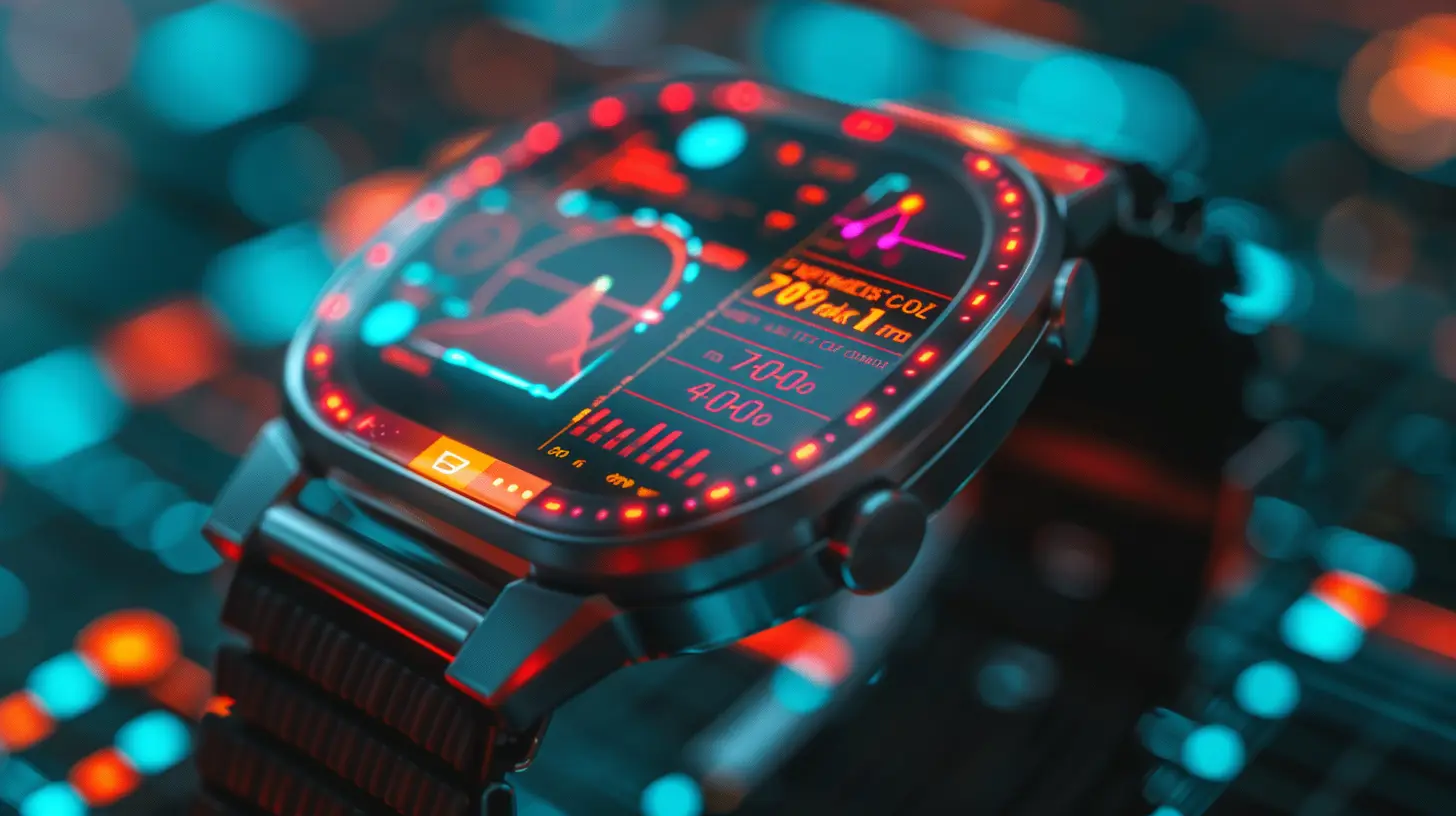
What is IoT and How Does It Power Wearables?
Let’s start with the basics: IoT, short for the Internet of Things, is the concept of connecting everyday physical devices to the internet. These smart devices collect, send, and even receive data — all without much human intervention.Now, combine that with wearable technology — think smartwatches, fitness bands, smart glasses, even smart clothing — and you’ve got a recipe for innovation like never before.
Imagine your wearable as a mini data robot strapped to your body. It monitors your steps, heart rate, sleep cycles, and more. Thanks to IoT, it sends all that data to your phone or the cloud, providing real-time feedback. That’s where the magic happens.
The Rise of Wearable Technology: Why Now?
You’ve probably noticed — wearables are everywhere. From the guy jogging with a Fitbit to your coworker checking messages on their Apple Watch. But why the sudden surge?Here are a few reasons:
- Health Awareness Is Booming – People are more health-conscious than ever and want to track everything from steps to stress levels.
- Tech Is Smaller and Smarter – Sensors are tiny, batteries last longer, and chips are more powerful. Wearables are no longer clunky.
- 5G and Connectivity – Faster networks mean wearables stay connected in real time, making features like live health monitoring possible.
- Pandemic Push – COVID-19 made personal health a priority. Wearables helped track symptoms, oxygen levels, and more — right from home.
It's like wearables went from gadgets to life partners.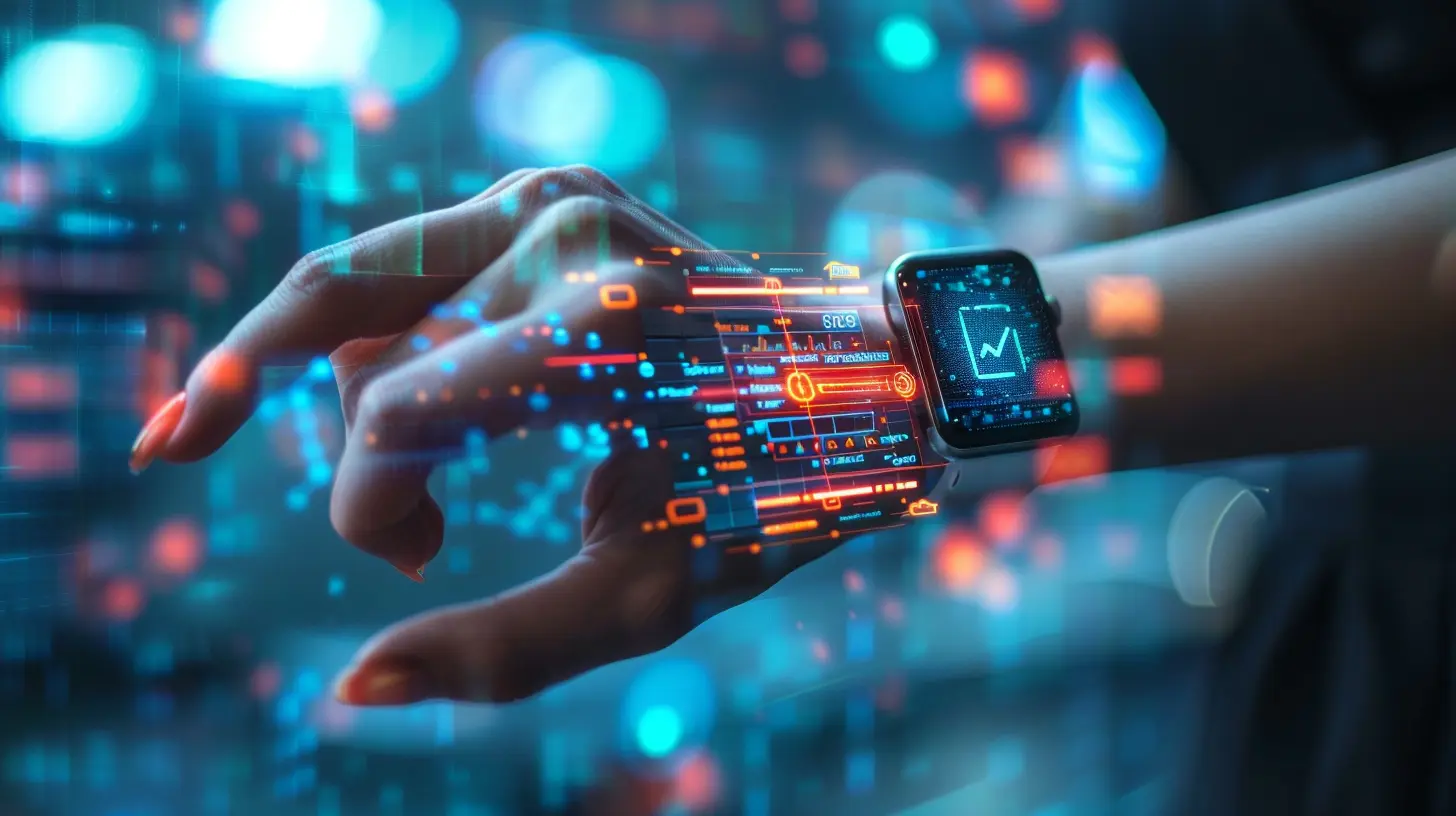
Real-World Applications: More Than Just Step Counters
Let’s be honest, the first wave of wearables were glorified pedometers. But today? They’re game-changers.1. Healthcare and Medical Monitoring
Imagine a smartwatch that not only tells time but alerts you to abnormal heart rhythms. Doctors receive real-time data on patients, post-surgery recovery is tracked remotely, and chronic conditions are monitored without hospital visits.Devices like:
- Fitbit and Apple Watch – Measure heart rate, blood oxygen, and even detect falls.
- Biobeat and Withings – Used in hospitals for clinical-grade monitoring.
Even diabetic patients now use non-invasive glucose monitors that sync their data directly to apps. Life-saving, literally.
2. Fitness and Lifestyle
This is where wearable tech really flexes its muscles (pun intended).- Track workouts in real time.
- Monitor calorie burns and sleep quality.
- Receive coaching via AI-driven apps.
IoT takes raw data and transforms it into personalized insights. It’s like having a personal trainer on your wrist.
3. Workplace Safety
Here’s a lesser-known use: employee safety. In high-risk jobs like construction or oil rigs, smart helmets and vests can detect fatigue, exposure to harmful gases, or even falls.Companies are using wearables not just for performance but for protection.
4. Smart Clothing and Accessories
Yes, clothes are getting smart too.We’ve got jackets that control your music, shoes that track your posture, and shirts that monitor your breathing. IoT makes it all possible by embedding tiny sensors that speak to your phone or smart devices.
How IoT Supercharges Wearables
Okay, but how exactly does IoT make a difference? It’s not just about data collection — it’s about what that data can do when properly connected.Real-time Monitoring
IoT enables wearables to track your body data instantly. Instead of reviewing your sleep hours the next morning, you get nudged to breathe better or stand up when you’ve been idle too long.Cloud Connectivity
Raw data is useless unless it goes somewhere. With IoT, everything syncs to the cloud, where machine learning algorithms crunch it into insights. Think: real-time dashboards, trend detection, and even predictions.Automation and Alerts
IoT wearables can trigger alerts automatically. Low heart rate? The device vibrates. Sudden fall? It contacts emergency services. That’s not just smart — it’s potentially life-saving.Personalized Feedback
Each user gets a unique experience. Fitness suggestions, medical warnings, even sleep advice are tailored to your data — not some average person’s.Challenges with Wearable IoT Devices
Of course, it’s not all rainbows and six-pack abs. There are hurdles.1. Battery Life
More sensors mean more power consumption. Users hate charging devices daily. Innovations in low-power chips and energy harvesting are helping, but we’ve got a way to go.2. Privacy and Security
With great data comes great responsibility.Wearables collect extremely personal data — health, location, habits. A breach here is more than just embarrassing; it can be dangerous. Encryption, anonymization, and strict data policies are essential.
3. Interoperability
Tech giants love their walled gardens. Getting your Fitbit to talk to your iPhone and sync with Google Fit? It’s not always smooth. We need open protocols and better integration.4. Accuracy
A wearable telling you your heart rate is 65 bpm when it’s really 100? That’s not just annoying — it can be harmful. Improving sensor accuracy is a major focus area.The Future of IoT in Wearables: What’s Next?
So, what does the crystal ball say?1. More Advanced Health Monitoring
Soon, wearables may track hydration, blood sugar, even detect infections early. Think of it as a mini clinic on your wrist.2. Smarter AI Integration
Machine learning will make wearables more intuitive. Instead of just tracking data, they’ll offer meaningful suggestions. “Based on your recent patterns, you might be headed for burnout. Take a break.”3. Wearables as Diagnostic Tools
Expect devices to detect issues like arrhythmia or sleep apnea before symptoms even show up. Early detection = better outcomes.4. Augmented Reality and Gesture Control
Smart glasses that overlay directions or translate languages in real time? Already happening. Gesture-based controls, driven by wearable sensors, will redefine human-computer interaction.5. Better Battery and Processing Tech
Imagine wearables that last months on a single charge or are powered by your own body heat. Sound sci-fi? It’s closer than you think.Why the IoT-Wearable Combo is Just Getting Started
Here's the deal — IoT and wearable tech are a match made in digital heaven. One gathers data, the other makes sense of it. Together, they help us make better decisions about our health, performance, comfort, and even safety.We’re moving toward a future where wearables will not just react to our actions but anticipate them. Picture this: your smartwatch senses elevated stress, dims the lights in your room, plays calming music, and alerts you to take a deep breath. All thanks to IoT.
Final Thoughts
In a world growing more connected by the second, wearable technology driven by IoT isn't just a passing trend — it's a transformational change. From fitness buffs to patients managing chronic illness, from office workers to athletes, there’s a device out there improving someone’s life today.The future of wearables is bright — and it’s right on your wrist.
all images in this post were generated using AI tools
Category:
Iot DevicesAuthor:

Gabriel Sullivan
Discussion
rate this article
2 comments
Zarenith Maddox
Great insights! The integration of IoT in wearables is shaping our future, improving health and convenience in everyday life. Exciting times ahead!
January 31, 2026 at 3:43 AM
Gabriel Sullivan
Thank you! I completely agree—IoT in wearables is truly transformative, enhancing both health and daily convenience. Exciting times indeed!
Theodora Whitley
Exciting times ahead! Wearable tech makes life so much easier. Can't wait to see what innovative features come next!
December 16, 2025 at 5:06 AM
Gabriel Sullivan
Thank you! The future of wearable tech is indeed promising, and we can't wait to explore the innovations ahead!