The Role of Augmented Reality in Event Planning and Management
19 February 2026
Let’s face it—event planning is no walk in the park. From juggling logistics to managing attendee expectations, it's an intricate labyrinth of moving parts. But guess what? Augmented Reality (AR) is stepping in to simplify that maze and transform how we create, manage, and experience events. Whether you're organizing a corporate conference, music festival, wedding, or product launch, AR is becoming the secret sauce that makes everything pop!
In this article, we’re diving deep into how AR is shaking up the event planning and management game. We’re talking immersive experiences, smarter logistics, better engagement, and a whole new level of wow-factor that's elevating events from plain to phenomenal.
Let’s break it down.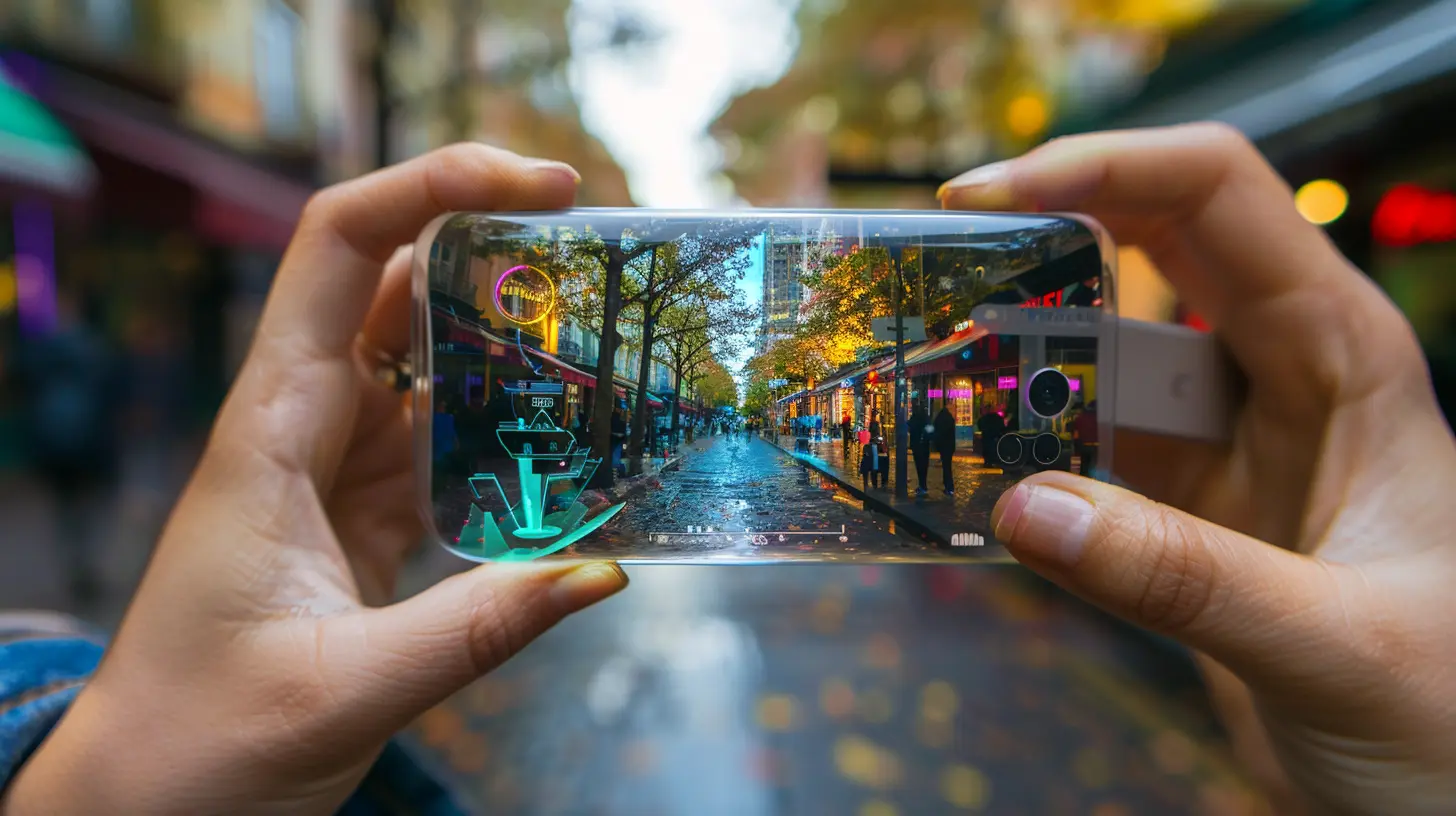
What is Augmented Reality, and Why Should Event Planners Care?
Before we dive into the nitty-gritty, let’s clear up what AR actually is. Unlike Virtual Reality (VR), which creates an entirely virtual world, AR blends digital content with the real world. Think of it as a digital overlay—images, sounds, or data superimposed on your physical surroundings through your phone, tablet, or AR glasses.So why should event planners give a hoot? Because AR has the power to bridge the gap between imagination and reality. It doesn’t just add bells and whistles—it enhances the entire event experience, from pre-event marketing to post-event engagement.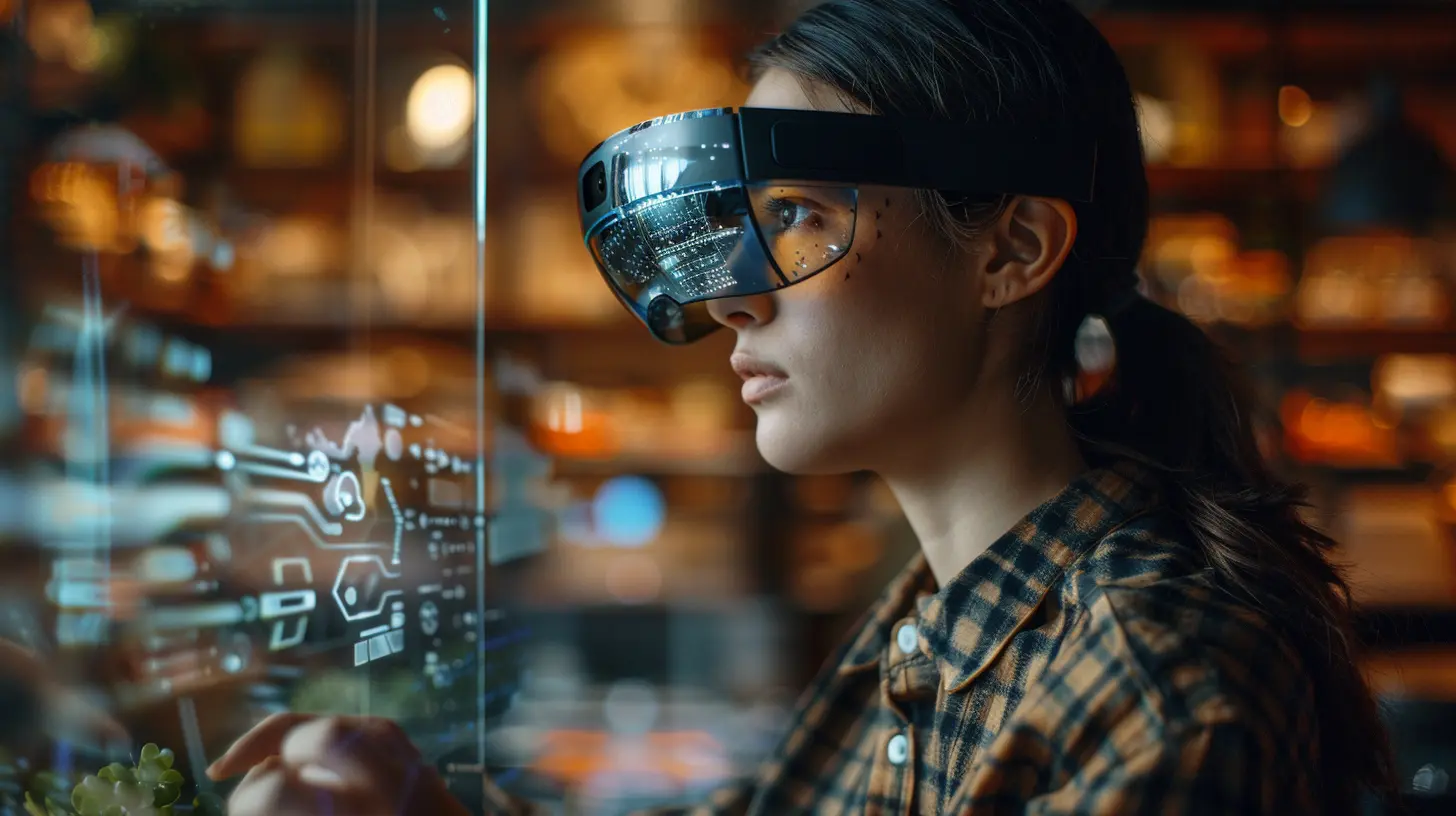
The AR-Enhanced Event Planning Process
Planning an event isn’t just about the day-of magic. There's a ton of groundwork involved, and AR is now a big part of the toolkit. Let’s look at how.1. Visualizing Venue Layouts with AR
Choosing a venue is one of the toughest parts of planning. It’s hard to get a sense of scale and flow just by looking at floor plans. That’s where AR steps in. Using AR apps, planners can walk through a virtual venue using their smartphone or tablet—examining how seating arrangements, booths, or stages would actually look in the space.This makes it easier to:
- Optimize layout and furniture placement
- Visualize crowd flow and navigation
- Pitch to clients with virtual previews
Imagine showing your client a 3D model of their gala setup right there in their office. It’s not just cool—it’s effective!
2. Streamlining Collaboration and Decision-Making
Event planning usually involves lots of back-and-forth with vendors, decorators, sponsors, and clients. With AR, everyone can see the same vision in real-time. Want to try out a different stage backdrop? Boom—just switch it in the app and preview it live.This reduces miscommunication, shortens decision cycles, and helps everyone get on the same page quickly.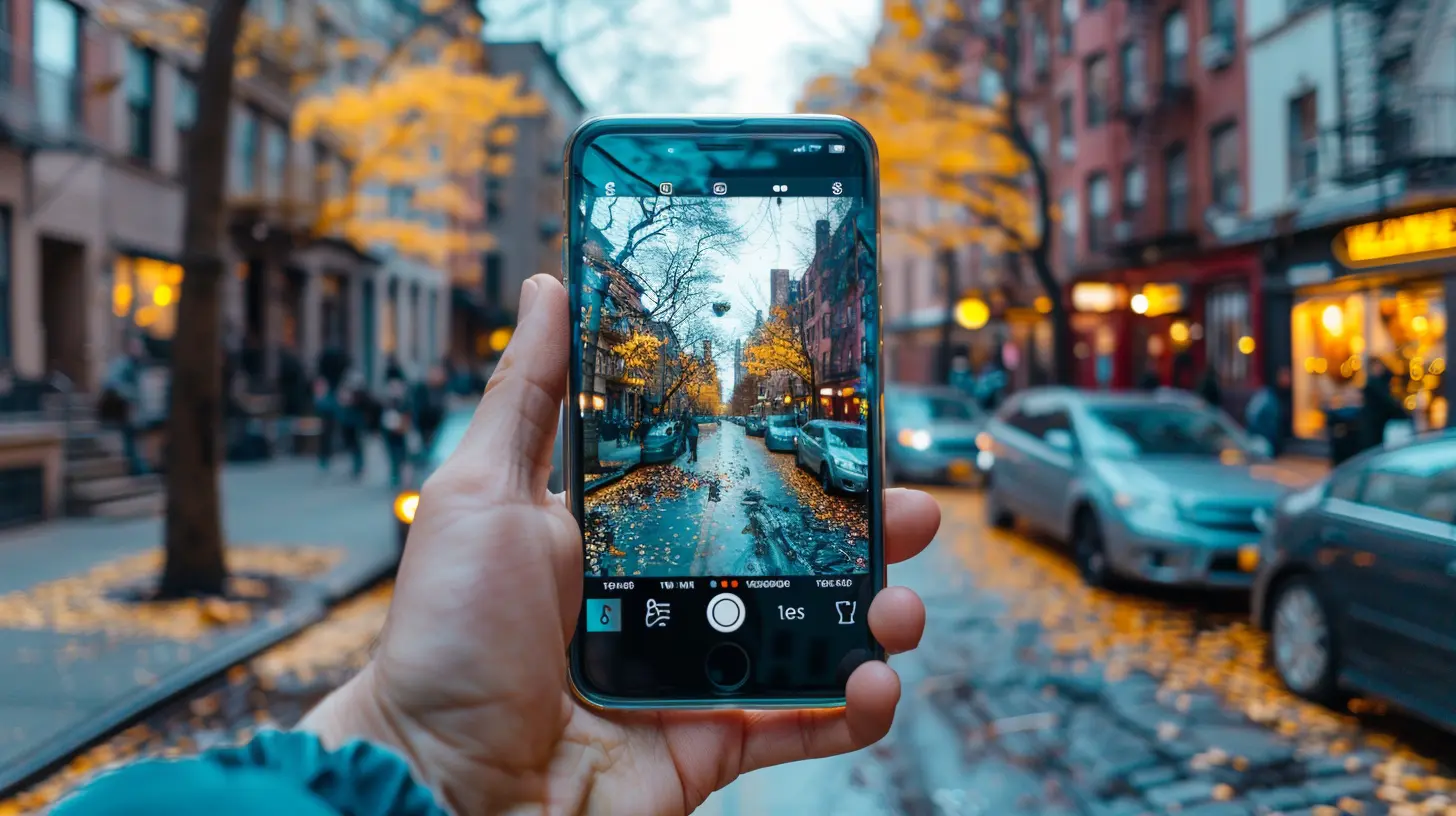
AR Applications During the Event
Alright, the big day has arrived. How does AR make the event itself smoother, more engaging, and fun for everyone involved? Let’s break it down.1. Interactive Venue Navigation
One of the most frustrating bits of attending an event is getting lost in a sea of people and stalls. AR-based navigation tools can provide real-time directions, event maps, and even pop-up info about stalls or speakers. Think Google Maps, but for your event space.Just point your phone camera, follow digital arrows, and boom—you’re at the keynote session or that taco truck you heard so much about.
2. Gamification and Audience Engagement
Want to boost attendee interaction? AR is your secret weapon. Events can integrate scavenger hunts, quizzes, AR treasure hunts, or virtual badges that attendees collect as they explore the venue.This works like magic for trade shows and expos too. Exhibitors can draw in crowds with AR-enabled games, 3D product demos, or interactive catalogs. It’s not just a booth—it’s an experience.
3. Live Translation and Accessibility Features
Let’s not forget inclusivity. AR can help break down language and ability barriers. With real-time subtitles or sign language avatars, events become more accessible. That means participants from all backgrounds can feel included and engaged, and that’s a win for everyone.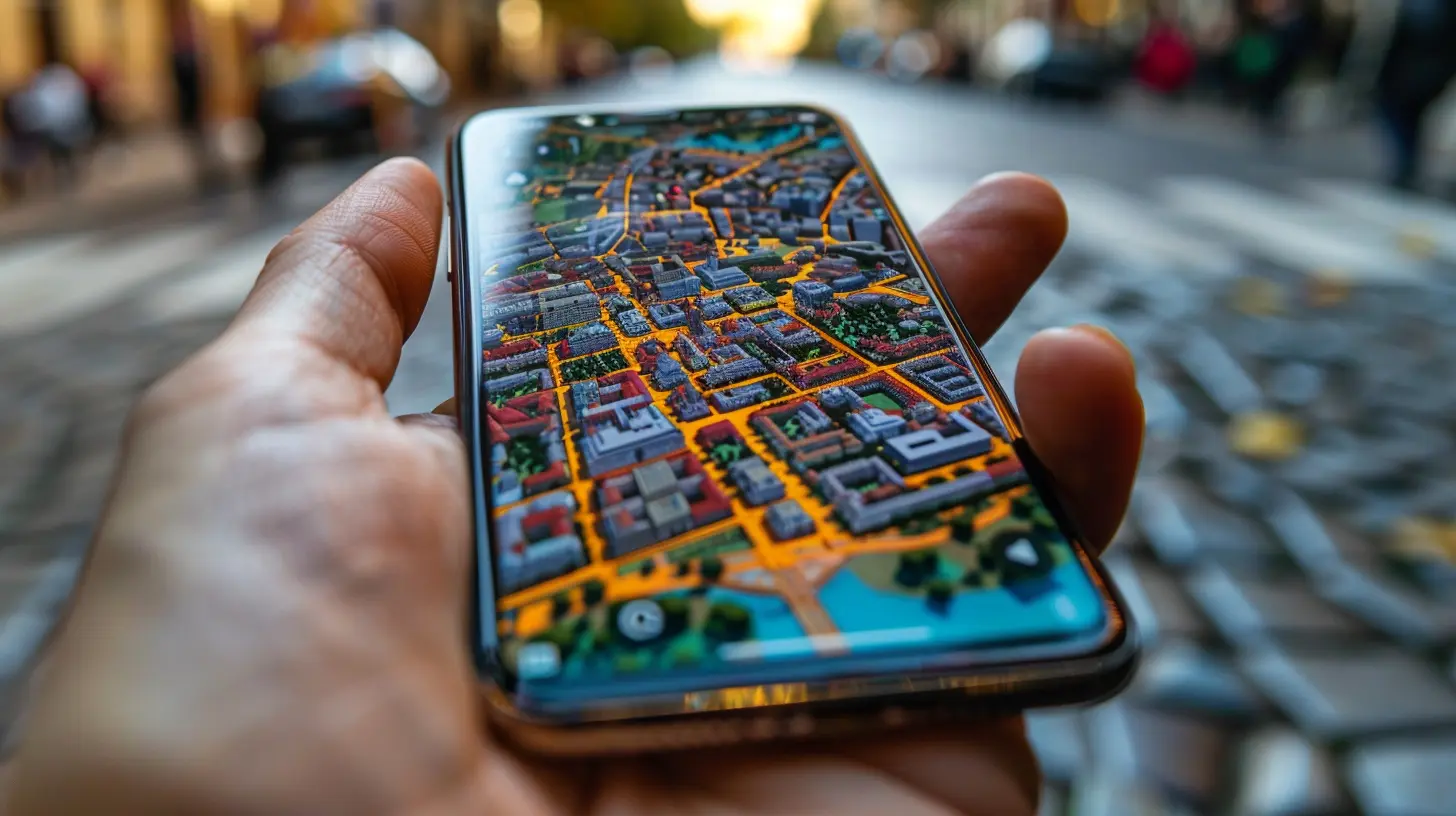
AR in Event Marketing: Before and After the Event
Marketing matters. You could have the most jaw-dropping event ever, but if no one hears about it or remembers it, what’s the point? AR amps up your event marketing in a way traditional tools simply can’t.1. Immersive Pre-Event Content
Imagine holding your phone up to a poster and watching a 3D animation of the event unfold right there in front of you. Or opening an invitation and seeing a hologram of the host telling you why you should attend.These kinds of pre-event teasers generate buzz and create emotional investment even before the event begins.
2. AR Merchandise and Souvenirs
Think about branded t-shirts or mugs that, when scanned, display a highlight reel of the event. Or a photo booth that lets people take pictures with AR filters or virtual avatars of celebrities or performers.This turns ordinary swag into digital keepsakes—and your audience into brand ambassadors.
3. Post-Event Engagement with AR Highlights
Just because the event’s over doesn’t mean your job is done. AR can help long after the last confetti cannon fires.Highlights reels, attendee testimonials, and 360° replays can be shared via AR-enriched content. Planners can also collect feedback through interactive surveys embedded in AR stories.
It’s about keeping the excitement alive and preparing your audience for what’s coming next.
Backstage Magic: AR for Event Staff and Operations
Behind every successful event is an army of staff making everything run like a well-oiled machine. AR helps them too.1. Training and Onboarding
New staff? No problem. AR-driven tutorials and simulations can provide real-time guidance on everything from setting up sound systems to directing guests. It’s way more engaging than reading a manual, and it cuts down training time like crazy.2. Real-Time Problem Solving
Need to fix a cable? AR can guide your tech team through the process with step-by-step visuals. Lost a crate of brochures? Scan the space with AR and find tagged boxes in seconds.It’s like giving your team superpowers without flying them to Hogwarts.
Overcoming the Challenges of AR Integration
Let’s be real—tech is never perfect. As amazing as AR sounds, there are hurdles too.1. Cost and Accessibility
High-end AR setups can get pricey, especially if you're using AR glasses or custom apps. But as smartphones get more powerful and AR development gets cheaper, this barrier is slowly coming down.2. Technical Glitches
The last thing you want during your keynote is a frozen app screen. That’s why having backup plans and reliable tech support is key.3. User Adoption
Not everyone is tech-savvy. Some attendees might shy away from using AR features. That’s where clear instructions and intuitive UX design come in. Make it easy, make it fun, and they’ll follow along.Real-World Examples: AR at Work in Events
Let’s look at some cool examples of AR in action.- Coachella Music Festival used AR to overlay 3D art installations for a futuristic vibe during their 2019 lineup.
- BMW hosted an event where guests could use AR to explore the inner workings of their latest vehicles.
- Weddings and private events now use AR filters, livestreaming avatars, and virtual guest books.
From glitzy concerts to intimate gatherings, AR is weaving its magic everywhere.
The Future of AR in Events: What’s Next?
We’re only scratching the surface here. As AR continues to evolve, we might soon see:- Real-time holographic performances
- AI-driven AR assistants offering personalized schedules and recommendations
- Fully interactive event simulations for remote attendees
It’s a brave new world, and AR is lighting the path forward.
Final Thoughts: Bringing It All Together
So, what’s the bottom line? Augmented Reality in event planning and management isn’t just a trend—it’s a game-changer. It transforms static experiences into immersive stories. It solves headaches for planners and adds delight for attendees. It bridges the gap between digital convenience and human connection.Whether you’re planning your first event or managing your hundredth, it's time to think beyond traditional tools. Get creative. Go immersive. Let AR help you build events that people won’t just attend—they’ll remember.
Events of the future? They’re not just organized. They’re augmented.
all images in this post were generated using AI tools
Category:
Augmented RealityAuthor:

Gabriel Sullivan
Discussion
rate this article
2 comments
Kenzie McLaury
In the realm where dreams take flight, Augmented reality shines so bright. Events transform with a virtual embrace, Crafting moments, enhancing space. From planning to magic, tech’s gentle hand, Guiding visions, where memories expand. A new age of gatherings, ever grand.
April 1, 2026 at 2:54 AM
Gabriel Sullivan
Thank you for capturing the essence of augmented reality in event planning. It's exciting to see how it can transform experiences and create lasting memories.
Drake Bailey
Augmented Reality revolutionizes event planning by enhancing attendee engagement and streamlining logistics. By creating immersive experiences, it enables planners to visualize layouts, improve interactivity, and ultimately elevate the overall event experience for both organizers and participants.
February 28, 2026 at 5:29 AM
Gabriel Sullivan
Thank you for your insightful comment! I completely agree that augmented reality significantly enhances engagement and logistics in event planning, creating immersive experiences that benefit both organizers and attendees.