The Role of Augmented Reality in Interior Design and Home Renovation
9 February 2026
Interior design and home renovation have always been exciting yet challenging ventures. From choosing the right color palettes to selecting furniture that complements the available space, every detail matters. But let’s be real—making these decisions without visualizing the final outcome can be overwhelming. Imagine spending thousands of dollars on a sofa that looks perfect in your mind but turns out to be a disaster in your living room.
This is where Augmented Reality (AR) steps in, revolutionizing the home improvement industry. AR allows homeowners, designers, and contractors to visualize changes in real time, making the renovation process smoother and more precise. So, how exactly is AR transforming the way we design and renovate our homes? Let’s dive in.
What Is Augmented Reality?
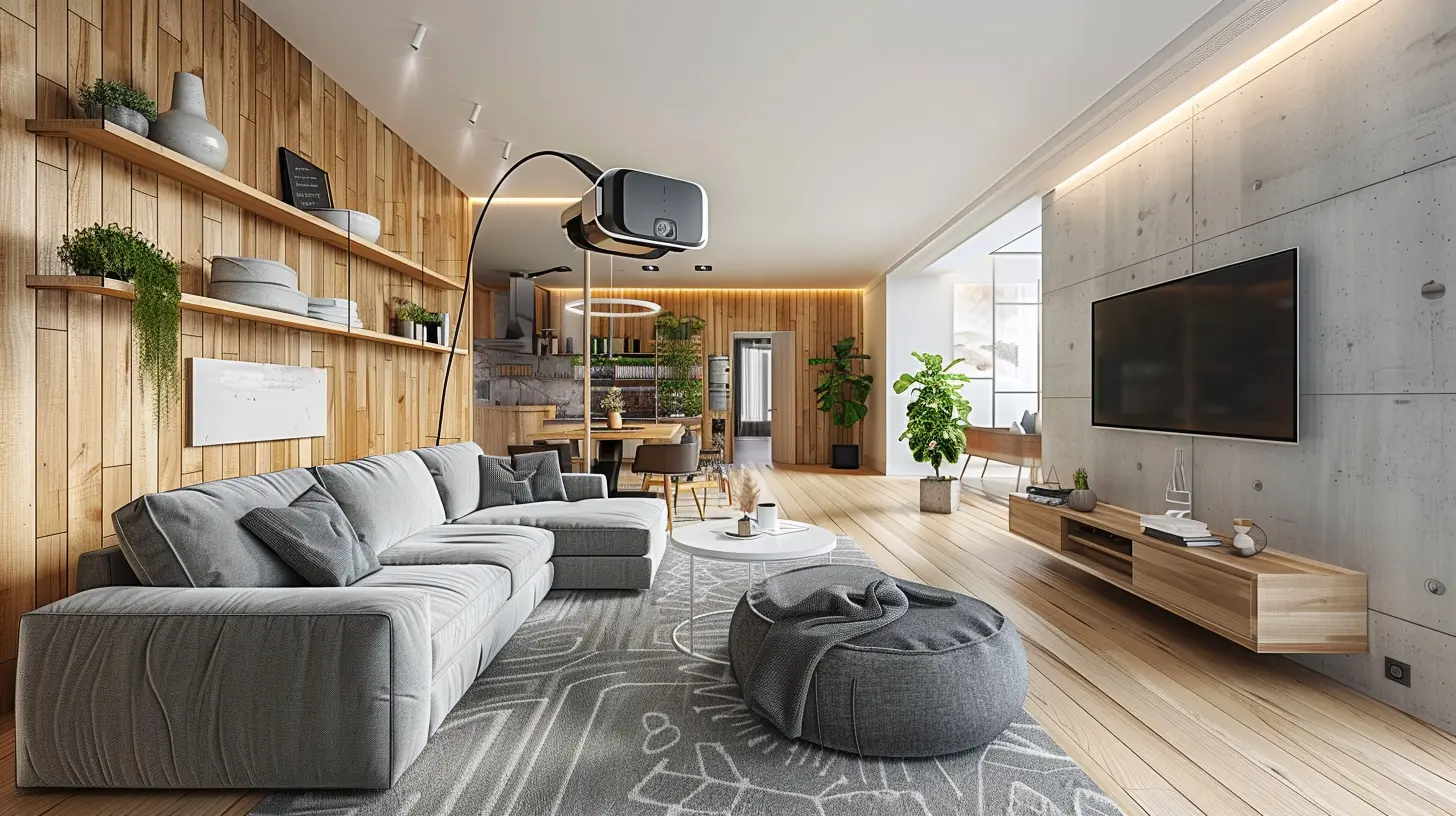
Before we get into the nitty-gritty of AR’s role in home renovation, let’s quickly break down what Augmented Reality actually is.Augmented Reality overlays digital content—such as images, objects, or information—onto the real world using devices like smartphones, tablets, or AR glasses. Unlike Virtual Reality (VR), which immerses users in a completely artificial environment, AR enhances the real world by adding interactive, computer-generated elements.
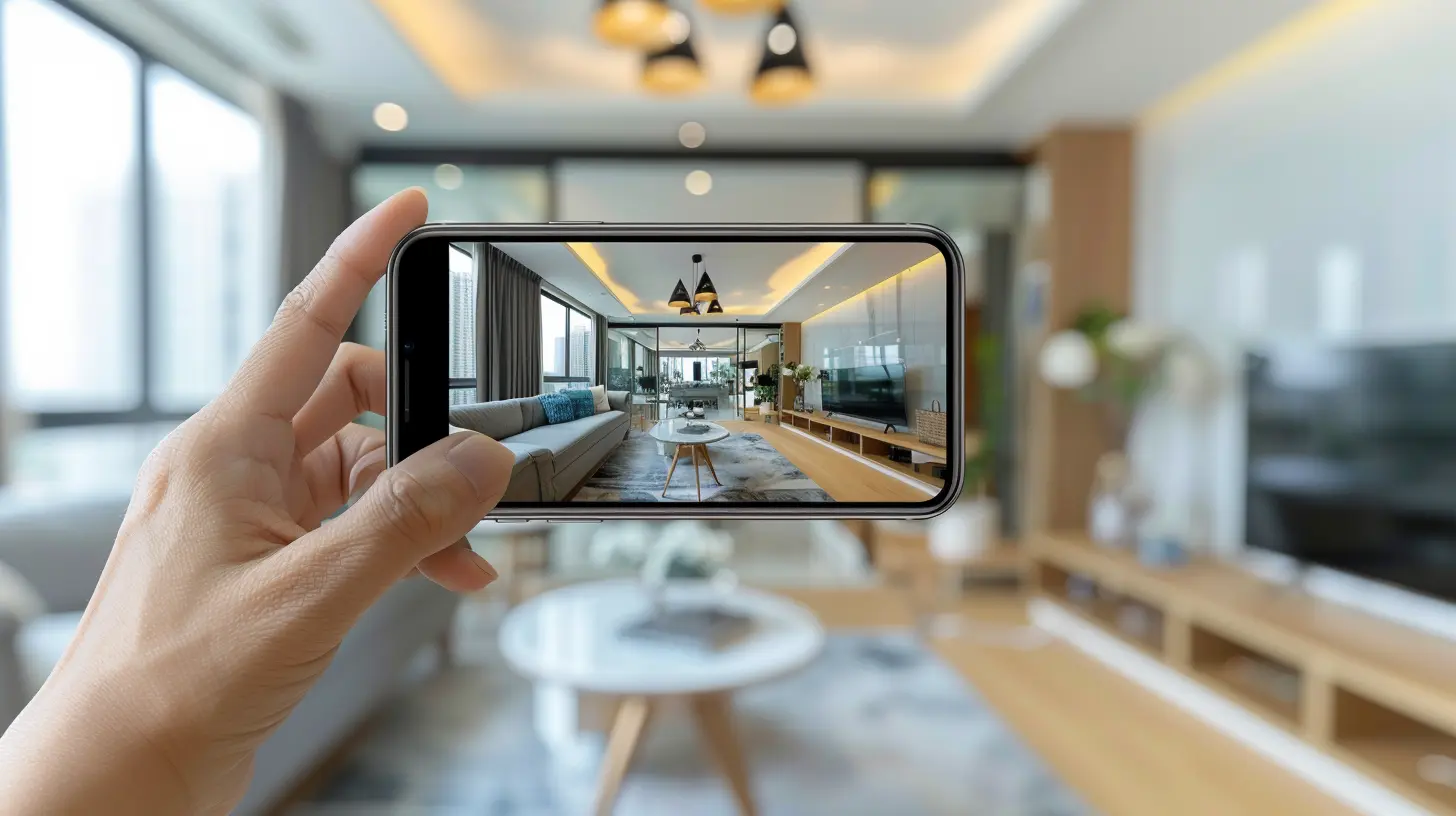
Think of it like this: you're standing in your empty living room, holding your phone up, and suddenly, you can see a virtual sofa perfectly placed against your wall. That’s AR in action!
How AR is Changing Interior Design and Home Renovation
1. Visualizing Design Concepts in Real-Time
One of the biggest challenges in interior design is imagining how different elements will come together. Will the artwork fit well on the wall? Will the new dining table match the flooring? AR eliminates guesswork by allowing you to see a digital version of your space before making any purchases.Apps like IKEA Place, Houzz, and Homestyler let users place virtual furniture and decor in their homes using just their smartphones. This means you can test different styles, colors, and layouts without lifting a finger—or moving heavy furniture!
2. Reducing Costly Mistakes
Home renovations often come with unexpected surprises and costly do-overs. Maybe that wallpaper looked great in-store but turned out to be too overwhelming once applied to your walls. Or perhaps the kitchen island you installed is too big, blocking movement in the space.AR helps mitigate these risks by giving you a virtual preview before committing to any changes. By seeing your choices in advance, you can avoid costly errors and unnecessary expenses.
3. Enhancing Collaboration Between Designers and Clients
In traditional interior design, professionals rely on sketches, mood boards, and 2D blueprints to communicate ideas. But these methods don’t always translate well for clients who struggle to visualize the final design.With AR, designers can present interactive, 3D models of their concepts, making it easier for clients to understand and approve designs. This leads to fewer misunderstandings, quicker decision-making, and a smoother overall experience.
4. Simplifying the Home Improvement Shopping Experience
Ever found yourself wandering through a furniture store, unsure whether a piece will fit or match your home’s aesthetic? AR-enabled shopping apps have made this dilemma a thing of the past.Retail giants like IKEA, Wayfair, and Amazon now offer AR-based preview tools that allow customers to place virtual furniture in their homes before purchasing. This ensures that the size, color, and style align perfectly with their existing decor.
5. Helping DIY Enthusiasts with Step-by-Step Guidance
Not everyone can afford a professional interior designer, and that’s okay! AR is also a game-changer for DIY home renovators.AR-powered apps can provide guided instructions, offering step-by-step visuals and interactive elements to help users complete tasks like installing shelves, painting walls, or assembling furniture.
For example, Lowe’s Holoroom How-To teaches homeowners how to complete DIY projects through AR-powered simulations, making home improvement more accessible to everyone.
6. Accurate Measurements and Space Planning
Measuring tape? Who needs it when you have AR? Many AR apps allow users to measure spaces instantly using their phone’s camera.Apps like Measure (by Apple) and ARuler use AR technology to take precise measurements, helping homeowners and professionals plan layouts down to the last inch. This ensures that furniture, appliances, and other elements fit perfectly within a space before any purchase is made.
7. Smart AR-Based Paint Visualizers
Choosing the right paint color can be tricky. A shade that looks perfect on a sample card may appear completely different once applied to your walls due to lighting and surroundings.AR-powered paint visualizers, such as Dulux Visualizer and Sherwin-Williams ColorSnap, allow users to see how different colors will look on their walls in real time. This makes it easier to experiment with various shades and find the perfect match before buying gallons of paint.
8. Virtual Staging for Real Estate
Selling a home? AR can make it look more appealing to potential buyers.Virtual staging allows real estate agents to furnish an empty home digitally, making it easier for buyers to imagine its full potential. This is especially useful for online listings, where photos play a crucial role in attracting interest.
9. AR for Smart Home Integration
Smart homes are the future, and AR is making it easier to visualize how these technologies fit within a space.Apps that support AR can show users how smart devices—like thermostats, security cameras, and lighting systems—can be installed and operated within their homes. This helps homeowners make informed decisions about where to place devices for optimal efficiency and aesthetics.

The Future of AR in Interior Design and Home Renovation
The use of AR in home improvement is still evolving, but its potential is limitless. As technology advances, we can expect even more immersive experiences, such as:- AR-powered home renovation consultations—where professionals can assess a home remotely and provide design recommendations in real-time.
- Enhanced AR furniture customization—allowing users to modify fabric, color, and design elements before ordering custom pieces.
- Integration with AI—for more personalized interior design recommendations based on user preferences and space constraints.
As AR continues to merge with artificial intelligence (AI) and other emerging technologies, homeowners and interior designers will have even more powerful tools at their fingertips.
Final Thoughts
Gone are the days of guesswork in interior design and home renovation. Augmented Reality is redefining the way we visualize, plan, and execute our home improvement projects. Whether you're a homeowner trying to decide on a new couch, a designer bringing concepts to life, or a DIY enthusiast tackling a fun weekend project, AR is here to make the process easier and more exciting.So, the next time you're thinking about upgrading your space, don't leave things to chance—let AR be your creative assistant!
all images in this post were generated using AI tools
Category:
Augmented RealityAuthor:

Gabriel Sullivan
Discussion
rate this article
2 comments
Katherine Curry
How will AR transform spaces?
March 17, 2026 at 5:11 AM
Gabriel Sullivan
AR will transform spaces by allowing homeowners to visualize design changes in real-time, enabling interactive customization, and enhancing decision-making during renovations.
Solenne Hensley
Augmented reality is revolutionizing interior design and home renovation, allowing homeowners to visualize changes before committing. This tech enhances decision-making and creativity, making renovations more manageable and enjoyable.
February 25, 2026 at 12:27 PM
Gabriel Sullivan
Thank you for your insight! Indeed, augmented reality is transforming the way homeowners approach design and renovation by making visualization and decision-making more intuitive and engaging.