Top Data Center Certifications: Ensuring Compliance and Security
12 February 2026
Let’s be honest—data centers are the beating heart of our digital world. Whether you're streaming your favorite show, shopping online, or running enterprise-grade AI models, a data center somewhere is working overtime to make it all happen. But with so much responsibility on their shoulders, how do we know these data centers are up to the task?
Enter data center certifications.
These aren’t just fancy badges or fluff for marketing brochures. Certifications are the gold standard that ensures a data center meets industry benchmarks for performance, security, and operational integrity. In other words, they’re your assurance that the data center isn’t cutting corners. And in today’s hyper-digital, compliance-driven world, this is more important than ever.
So, grab a coffee and stick around—we’re diving deep into the top data center certifications. We'll break down what they mean, why they matter, and how they impact everything from data security to uptime reliability.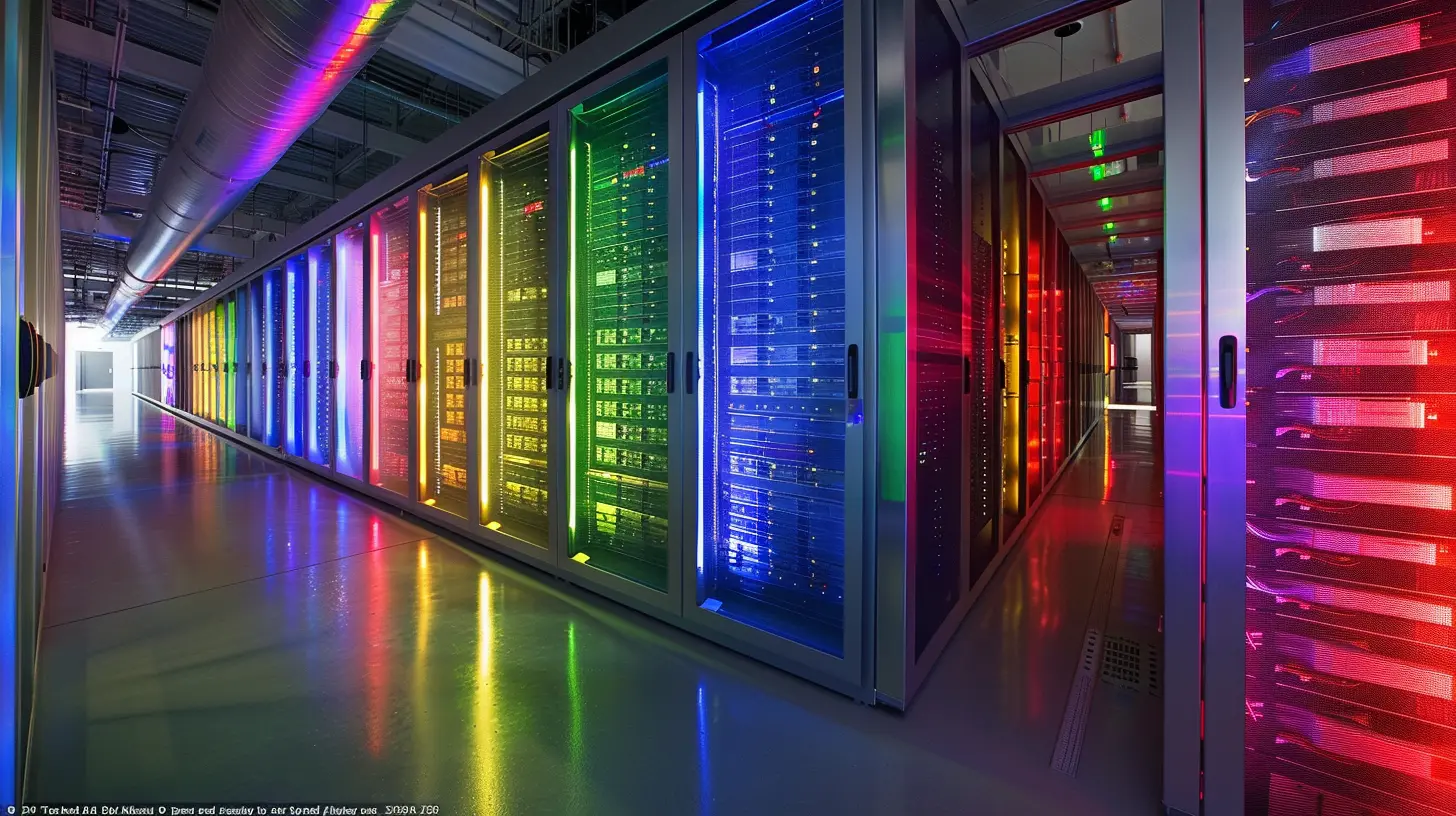
Why Certifications Matter in the First Place
Think of certifications like a driver’s license for your data center. Sure, anyone can build a facility with servers, racks, and power supplies, but not every facility can prove it knows how to operate safely, efficiently, and securely.Certifications give clients peace of mind. They show that a data center adheres to established best practices and regulations—whether that's protecting sensitive customer data, ensuring reliable power uptime, or meeting international compliance laws.
They also make your life easier if you’re a business leader, CIO, or IT manager. When picking a data center, wouldn’t you want one that’s already been vetted by experts?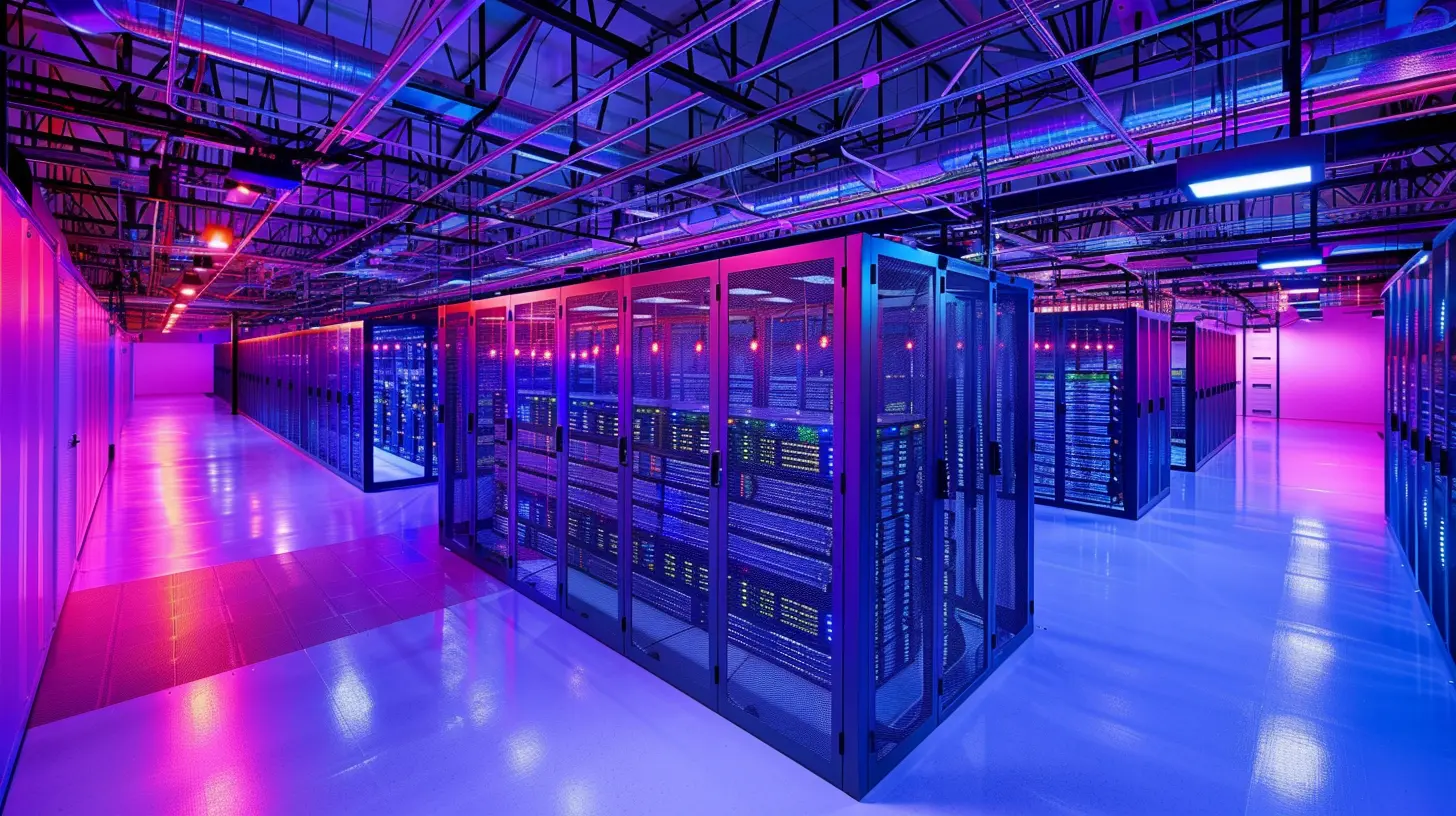
1. Uptime Institute Tier Certification
What is it?
If data center certifications had a Hall of Fame, the Uptime Institute Tier Certification would be front and center. It’s probably the most well-known and widely respected framework for evaluating data center performance.The Tiers Explained:
- Tier I: Basic infrastructure. Think of it like a single-lane road—functional but no room for error.- Tier II: Redundant capacity components. There’s a backup lane, but it’s still tight.
- Tier III: Concurrently maintainable. Can deal with maintenance without crashing operations.
- Tier IV: Fault-tolerant. This is the Rolls Royce—fully redundant and can handle failures without breaking a sweat.
Why It’s Important
This certification focuses on availability and fault tolerance. If uptime is mission-critical for your business (and really, when is it not?), then this is the certification you need to look for.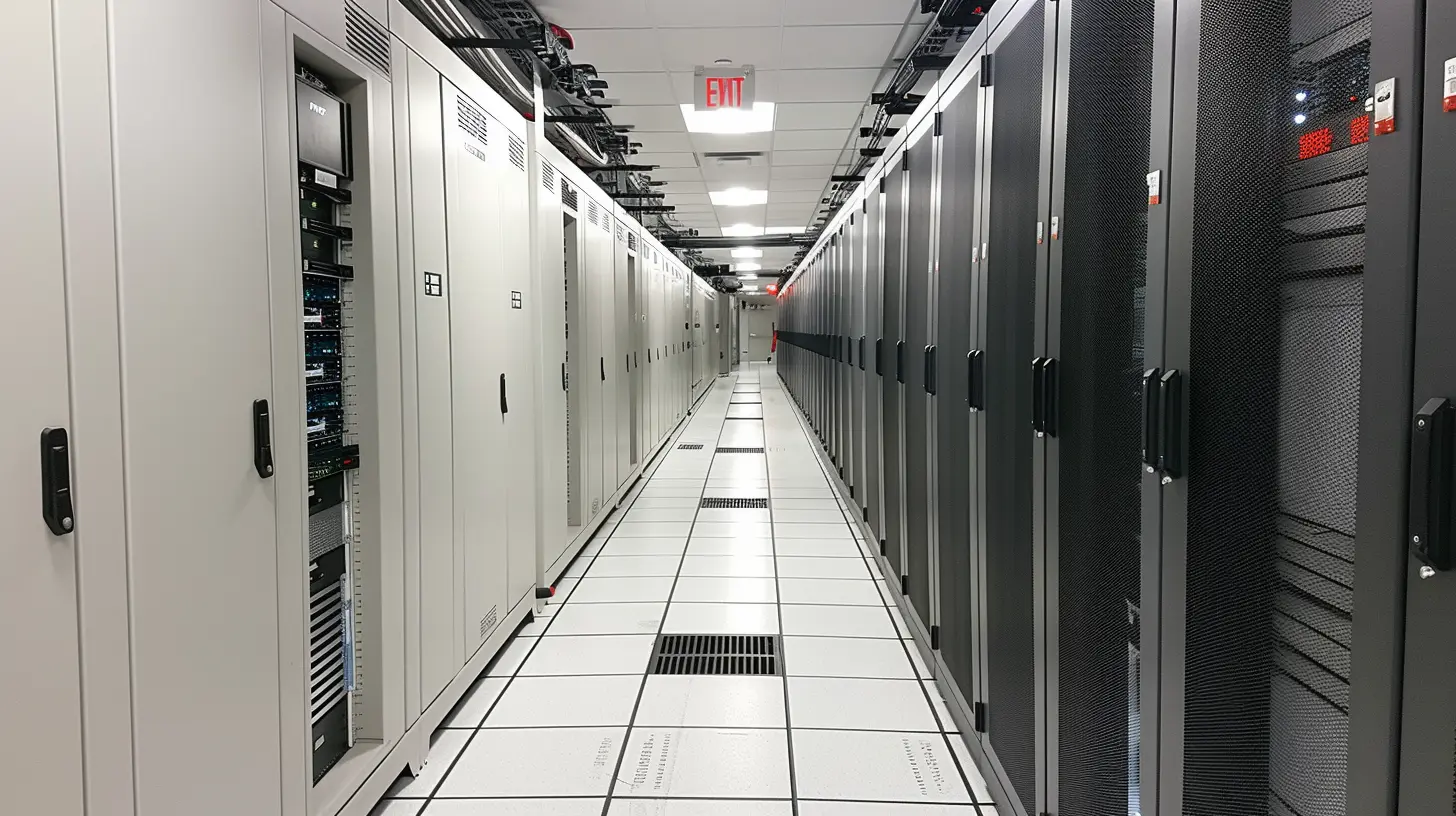
2. ISO/IEC 27001 – Information Security Management
What is it?
Security, folks! ISO/IEC 27001 is the international gold standard for information security management systems (ISMS). It’s like the cybersecurity blueprint for data centers.What It Covers:
- Risk assessment and treatment- Data confidentiality
- Access control
- Incident management
Why It’s a Big Deal
ISO 27001 proves a data center takes information security seriously. In a world where breaches make headlines, and regulatory fines make accountants cry, you’ll want your data hosted somewhere with this badge on the wall.
3. SOC 1, SOC 2, and SOC 3 (System and Organization Controls)
What are they?
The SOC reports come from the American Institute of CPAs (AICPA) and are tailored specifically for service organizations, like—you guessed it—data centers.Here’s the quick breakdown:
- SOC 1: Focuses on financial reporting controls.
- SOC 2: Evaluates security, availability, processing integrity, confidentiality, and privacy.
- SOC 3: Similar to SOC 2, but meant for public distribution.
Why It Matters
SOC certifications are all about transparency and trust. They demonstrate that data centers use strict controls and undergo regular, independent audits.Pro tip: SOC 2 Type II (which includes monitoring over time) is more robust than Type I (which is a snapshot audit).
4. PCI DSS – Payment Card Industry Data Security Standard
What is it?
If your business touches credit card data in any way, shape, or form, PCI DSS (short for Payment Card Industry Data Security Standard) is non-negotiable.What It Covers:
- Encryption of cardholder data- Secure network architecture
- Access control measures
- Regular monitoring and testing
Why Choose PCI DSS-Certified Data Centers?
Handling credit card info is like carrying nitroglycerin—you need extreme care. A PCI DSS-certified data center ensures safe handling of payment data, helping businesses meet compliance while drastically reducing the risk of fraud or breaches.5. HIPAA Compliance
What is it?
HIPAA (Health Insurance Portability and Accountability Act) is U.S legislation that safeguards medical information. That’s right—if your data center handles patient records or any kind of protected health information (PHI), this certification is crucial.Key Safeguards:
- Administrative: Policies and procedures- Physical: Facility access controls
- Technical: Data encryption and access logging
Why It Matters
For healthcare providers and health-tech companies, HIPAA compliance in a data center is just as essential as having a heartbeat. It ensures full legal compliance and, more importantly, that patient data is treated with the respect it deserves.6. ISO/IEC 20000 – IT Service Management
What is it?
Ever been frustrated with terrible IT support? ISO 20000 is designed to eliminate that. It’s a globally recognized standard for IT service management (ITSM), ensuring your data center offers top-notch support and service.Key Components:
- Service delivery processes- Service continuity and availability
- Information security and incident response
Why Businesses Care
This certification proves your data center can deliver consistent, high-quality services, which is vital for long-term operations and customer satisfaction.7. TIA-942 – Telecommunications Infrastructure Standard
What is it?
Developed by the Telecommunications Industry Association, TIA-942 provides guidelines for the physical and architectural layout of a data center.What It Includes:
- Cabling systems- Redundant power and cooling
- Fire detection/suppression
- Network topology
Why It’s Important
You wouldn’t build a skyscraper without blueprints, right? This certification ensures the physical infrastructure is up to global standards, reducing risks of hardware failure and maximizing operational efficiency.8. ISO/IEC 22301 – Business Continuity Management
What is it?
Stuff happens. Fires. Floods. Pandemics. ISO 22301 is your disaster recovery plan’s best friend. It focuses on business continuity management (BCM), ensuring a data center can bounce back from unexpected events.Why It Makes Sense
You don't need this until you really need it—but when that moment comes, you’ll be glad your data center planned for the worst. This certification gives clients confidence that their data won't disappear into the digital abyss during a crisis.9. FedRAMP – Federal Risk and Authorization Management Program
What is it?
For those of you working with the U.S. federal government, FedRAMP is the seal of approval you need. It ensures that cloud service providers meet rigorous security assessment, authorization, and continuous monitoring standards.Who Needs It?
If your data center supports federal agencies or government clients, FedRAMP is a must. It’s a badge of trust that shows you’re playing on the government’s security level.Choosing the Right Certification for Your Needs
So, how do you decide which certification matters most?Well, it depends on your business model. Here's a quick cheat sheet:
| Your Industry | Must-Have Certification |
|---------------|--------------------------|
| Finance | SOC 1, PCI DSS |
| E-commerce | PCI DSS, ISO 27001 |
| Healthcare | HIPAA, ISO 27001 |
| Government | FedRAMP, ISO 22301 |
| Global Business| ISO 27001, SOC 2 |
Still unsure? Ask this: "What’s the worst that could happen if this data wasn't protected or service went down?" Now pick the cert that helps prevent that.
Final Thoughts: Certifications Are a Trust Signal
At the end of the day, data center certifications are about trust. They tell clients: “We’ve done the hard work. We’ve passed the tests. You’re safe here.”Sure, getting certified isn’t cheap or easy. But neither is recovering from a data breach or a compliance fine.
The digital world runs on trust. And trust is something you build with consistency, transparency—and yes, a wall full of certifications.
So next time you're evaluating a data center, don’t just ask about their tech stack. Ask about their certifications. Because when your data is on the line, proof beats promises every time.
all images in this post were generated using AI tools
Category:
Data CentersAuthor:

Gabriel Sullivan
Discussion
rate this article
2 comments
Rachael Thompson
Great insights! These certifications are crucial for maintaining data center integrity and trust.
March 21, 2026 at 12:35 PM
Gabriel Sullivan
Thank you! I'm glad you found the insights valuable. Maintaining data center integrity is indeed essential for trust and security.
Desiree McKellar
Exploring certifications highlights their critical role in enhancing data center security and compliance.
February 12, 2026 at 5:58 AM
Gabriel Sullivan
Thank you for your comment! Certifications indeed play a vital role in strengthening data center security and ensuring compliance.