Voice Assistants in 2027: Smarter, Faster, and More Helpful
27 April 2026
Remember when asking your phone to set a timer felt like living in the future? Yeah, that was cute. By 2027, voice assistants have shed their gimmicky skin and evolved into something we actually need—like a co-pilot for your brain. We’re not just talking about Siri cracking a bad joke or Alexa playing your favorite song two rooms away. We’re talking about a fundamental shift in how we interact with technology: less typing, more talking, and way less frustration.
But here’s the kicker: are they finally living up to the hype, or are we just getting better at forgiving their quirks? Let’s pull back the curtain on voice assistants in 2027 and see if they’ve truly become the genius sidekicks we were promised.
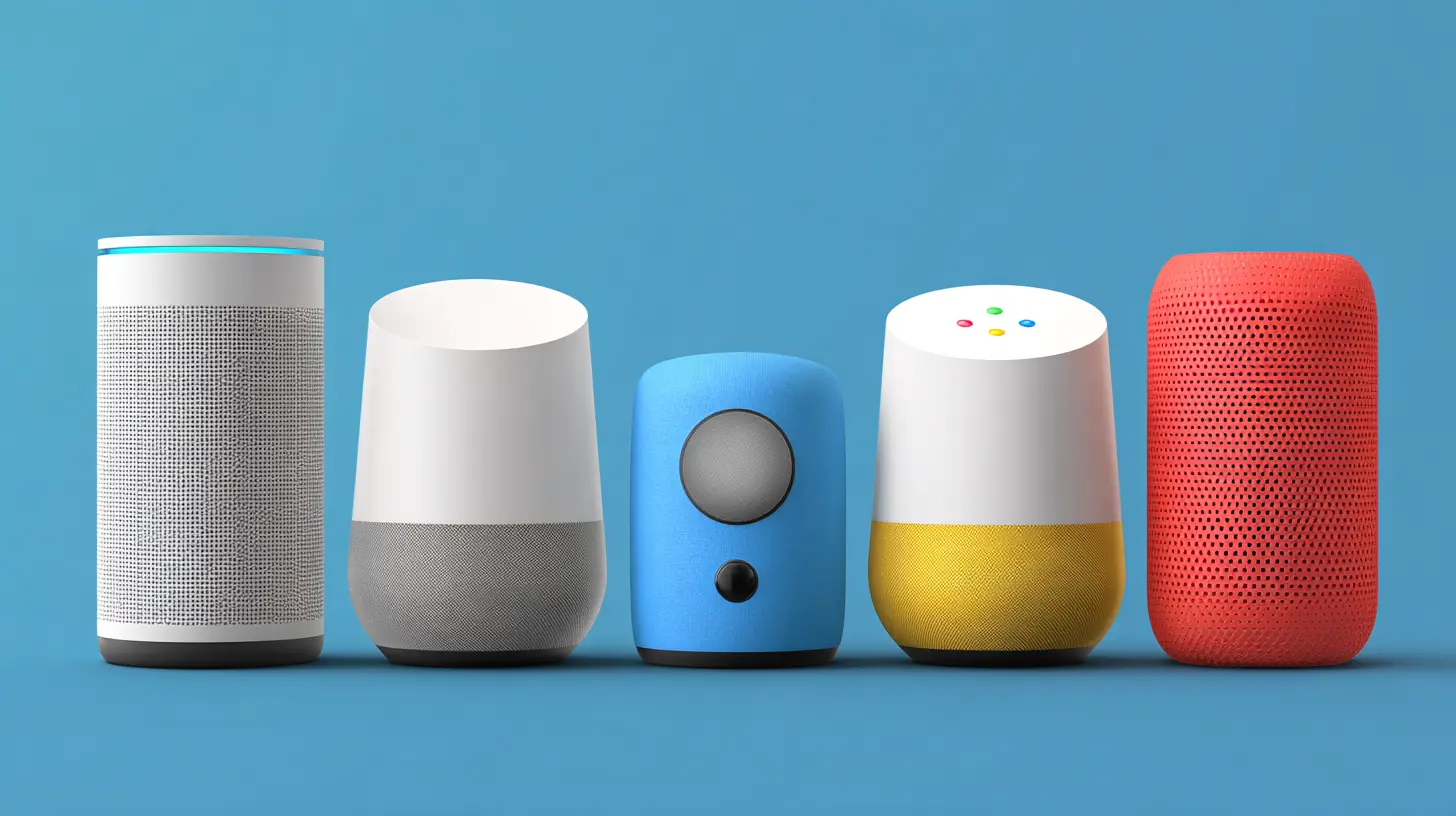
The Death of the "Wake Word" (And Why That Matters)
For years, voice assistants were like that friend who only listens when you say their name three times. “Hey Siri,” “Alexa,” “Okay Google”—it was a ritual. In 2027, that’s largely dead. Modern assistants use passive ambient listening that doesn’t require a keyword. Instead, they analyze context, tone, and even your physical proximity to the device.Imagine this: you’re cooking, your hands are covered in flour, and you mutter, “I need to preheat the oven to 350.” The assistant in your kitchen hears it, processes the intent (not just the words), and fires up the oven without you ever saying a wake word. It’s not creepy—it’s intuitive. The tech uses on-device AI that filters out noise and only activates when it detects a clear need. No more shouting across the room. No more awkward pauses waiting for a beep.
This shift has massive implications. It means voice assistants are no longer reactive—they’re proactive. They anticipate your needs based on your routines, your calendar, and even your mood (detected via voice stress analysis). If you sound rushed, they skip the pleasantries. If you sound tired, they dim the lights and suggest a playlist. It’s like having a house that cares.
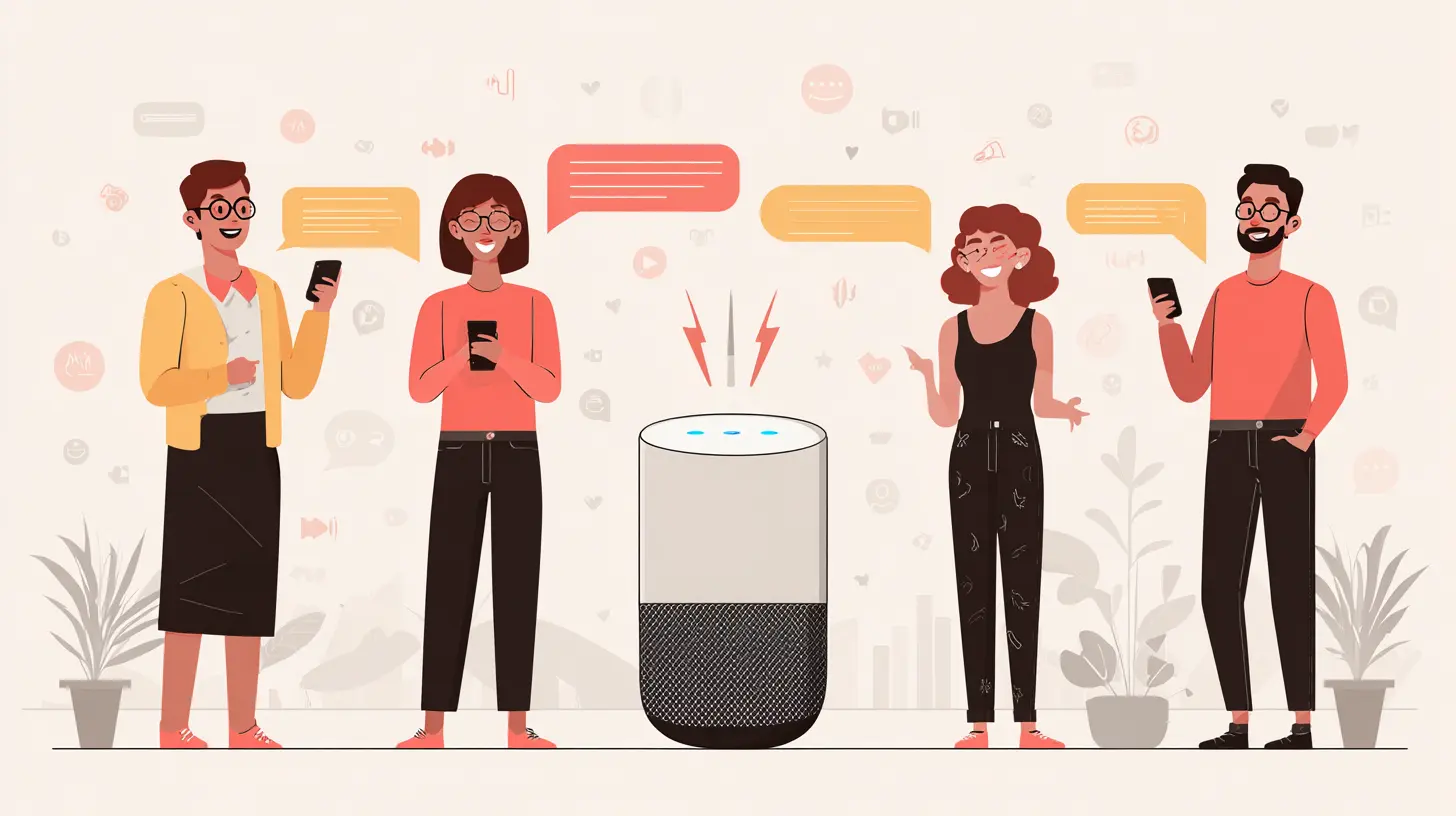
Contextual Memory: The Assistant That Actually Remembers
The single biggest complaint about early voice assistants was their goldfish-like memory. You’d ask, “What’s the weather in Tokyo?” Then you’d ask, “How about tomorrow?” And it would forget Tokyo entirely. Infuriating, right? In 2027, that’s a relic of the past.Modern voice assistants now have long-term contextual memory. They remember the last five topics you discussed, your preferences, and even your relationships. For example, you might say, “Book a dinner reservation for mom’s birthday next Friday.” The assistant knows your mom’s name, your typical restaurant preferences, and your schedule. It suggests three options, checks your calendar for conflicts, and even texts your mom to confirm the time—all in one fluid conversation.
How does this work? It’s a blend of large language models (think GPT-5 or its successors) running locally on your device and a cloud-based personal knowledge graph. The assistant builds a model of your life: your contacts, your favorite coffee shop, your allergies, your pet’s name. It doesn’t just answer questions; it connects dots. You no longer have to repeat yourself. It’s the difference between a waiter who takes your order and a butler who knows you take your coffee black with a side of sass.
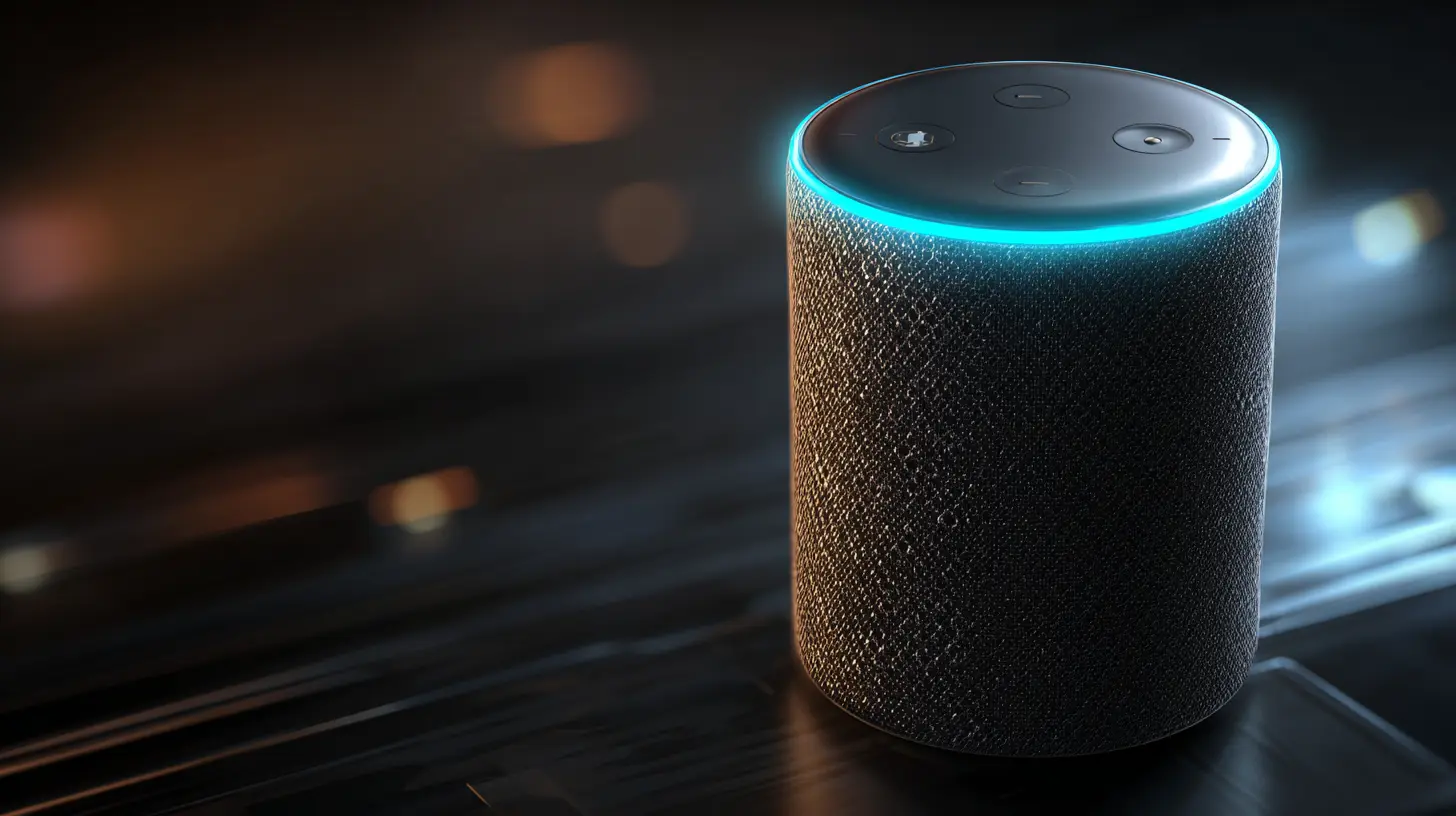
Multimodal Interaction: Talk, Tap, and Glance
Voice-only is out. Multimodal is the new black. In 2027, your voice assistant isn’t just a speaker in a cylinder—it’s embedded in your glasses, your car dashboard, your refrigerator door, and even your earbuds. And it doesn’t just listen; it sees.Picture this: you’re in your living room, and you say, “Show me the recipe I saved last week.” Your smart display shows the recipe, but you can also point at a step and ask, “What does ‘fold in’ mean?” The assistant uses its camera to see what you’re pointing at, then plays a short video demonstration. It’s not just voice; it’s a fusion of speech, gesture, and visual feedback.
This multimodal capability is a game-changer for accessibility. For someone with a motor impairment, pointing is easier than typing. For a visual learner, watching is better than reading. And for the rest of us, it means we can multitask without losing context. You’re on a call, and you whisper, “Send that file to Sarah.” The assistant sees you’re looking at a document on your screen, grabs it, and sends it—no interruption.

The Rise of Specialized Assistants (Not Just One to Rule Them All)
We’ve been force-fed the idea that one assistant should do everything—from playing music to controlling your thermostat to ordering pizza. But in 2027, the market has fragmented into specialized assistants that are hyper-competent in specific domains.- Health Assistant: Tracks your sleep, medication, and exercise. It notices you’ve been coughing for three days and suggests a telehealth appointment. It doesn’t try to play your music.
- Work Assistant: Integrated into your calendar, email, and project management tools. It can summarize a meeting you missed, draft a follow-up email, and even negotiate meeting times with your colleagues’ assistants.
- Home Assistant: Focused on energy efficiency, security, and appliance control. It knows when your water heater is about to fail and schedules a repair.
Why this shift? Because generalist assistants were jack of all trades, master of none. By 2027, you can mix and match. Your health assistant talks to your home assistant, but they don’t step on each other’s toes. It’s like having a team of experts rather than one overwhelmed intern.
Privacy: The Elephant in the Room (Finally Addressed)
Let’s be real: for years, voice assistants were basically microphones with a side of data collection. The trade-off was convenience for privacy, and most of us shrugged. But by 2027, that equation has shifted dramatically. On-device AI processing is now the norm, not the exception.Your voice commands are processed locally on your phone, smart speaker, or laptop. The cloud only gets anonymized, encrypted snippets when absolutely necessary—like when you ask for a search result. Even then, the assistant uses federated learning to improve without storing your actual voice data. Think of it like this: the assistant learns from millions of interactions, but it doesn’t remember your specific conversation about that embarrassing medical query.
Regulations like the EU’s AI Act and California’s privacy laws forced companies to be transparent. You can now ask, “What data do you have on me?” and the assistant will show you a plain-language summary. You can delete specific interactions with a voice command. It’s not perfect—no system is—but it’s a far cry from the wild west of 2022.
The "Helpful" Threshold: When Assistants Stop Being Annoying
Here’s the honest truth: voice assistants in 2027 are still learning. They’re not flawless. But they’ve crossed a critical threshold: they’re more helpful than annoying. That’s a big deal.In the early days, the failure rate was around 30-40%. You’d ask for a song, and it would play the wrong one. You’d ask for directions, and it would start a timer. By 2027, the failure rate for common tasks is below 5%. That’s thanks to continuous learning from user corrections. When you say, “No, I meant the other one,” the assistant logs that correction and improves for next time.
But the real magic is in error recovery. If the assistant misunderstands you, it doesn’t just say, “Sorry, I didn’t get that.” It says, “Did you mean the Thai restaurant on Elm Street or the one on Main?” It gives you options. It asks clarifying questions. It’s polite without being robotic. It’s the difference between a waitress who brings you the wrong dish and one who asks, “Would you like the vegetarian option instead?”
Real-World Use Cases That Actually Matter
Let’s get concrete. What does a day look like with a 2027 voice assistant?Morning: You wake up, and your health assistant notes your sleep quality was poor. It suggests a lighter breakfast and reschedules your morning meeting to 10 AM (after getting approval from your work assistant). Your home assistant adjusts the thermostat to a warmer temperature because it knows you slept cold.
Commute: In your car, your assistant reads your emails aloud but skips the spam. It notices a traffic jam on your usual route and reroutes you. You ask, “What’s the news on the AI chip shortage?” and it summarizes three articles in 30 seconds.
Work: During a video call, your work assistant transcribes in real-time and highlights action items. After the call, it drafts a summary and sends it to attendees. You ask, “Find the budget spreadsheet from last quarter,” and it appears on your screen in two seconds.
Evening: You’re cooking, and your home assistant notices the smoke detector in the kitchen is offline. It schedules a battery replacement. You say, “Play something relaxing,” and it picks a playlist based on your heart rate (tracked via your smartwatch).
None of these tasks are sci-fi. They’re all happening today, in 2027, because the assistants have become context-aware and proactive rather than just reactive tools.
The Hidden Cost: Are We Losing Our Own Skills?
Here’s the critical angle we can’t ignore: as assistants get smarter, are we getting dumber? There’s a real risk of cognitive offloading. Why memorize a phone number when you can just ask? Why learn to navigate when the assistant handles it? Why even remember your mom’s birthday when the assistant texts her for you?In 2027, we’re starting to see backlash. Some users deliberately disable proactive features because they feel like they’re losing control. There’s a growing movement of digital minimalists who use voice assistants only for specific tasks, like timers and alarms, and refuse to let them manage their lives.
The best assistants in 2027 strike a balance. They offer help but don’t take over. They suggest but don’t decide. They remember but don’t nag. It’s a fine line, and not every company walks it well. The ones that succeed treat you like a capable adult who occasionally needs a hand, not a helpless child who needs a nanny.
The Future Beyond 2027: What’s Next?
We’re not done evolving. The next frontier is emotional intelligence. Voice assistants in 2027 can detect frustration in your tone, but they’re still terrible at empathy. By 2030, expect assistants that can say, “I hear you’re stressed. Want me to play a calming sound or reschedule your next appointment?” without sounding fake.Also, watch for cross-platform interoperability. Right now, your Apple assistant doesn’t talk to your Google assistant. That’s absurd. Industry standards like the Matter protocol for smart home devices are pushing toward a unified language, but it’s slow. In 2027, you still need to pick a “primary” assistant. But by 2028, you might be able to ask your car’s assistant to talk to your kitchen’s assistant, regardless of brand.
Final Verdict: Are They Worth It?
So, are voice assistants in 2027 smarter, faster, and more helpful? Unequivocally, yes. They’ve evolved from novelty to utility. They’re not perfect—they still struggle with strong accents, complex multi-step requests, and privacy concerns—but they’ve crossed the Rubicon. You no longer feel like you’re talking to a machine; you feel like you’re talking to a service.The real test? Ask yourself: would you go back to life without one? For most of us in 2027, the answer is a resounding no. We’ve gotten used to the convenience, the speed, the memory. We’ve gotten used to being understood.
But here’s my final question to you: are you okay with that? Because the smarter they get, the more we rely on them. And that’s a trade-off we’re all making, whether we realize it or not.
all images in this post were generated using AI tools
Category:
Technology ReviewsAuthor:

Gabriel Sullivan
Discussion
rate this article
2 comments
Makayla Johnson
In 2027, voice assistants will probably know us better than our best friends. I can already hear my smart speaker judging my snack choices. Just wait until it starts recommending kale instead of cookies... now that's when things will get interesting!
July 18, 2026 at 4:30 AM
Gabriel Sullivan
That would be quite the twist! Imagine a smart speaker pulling a health coach routine. Who knew cookies would face such tough competition?
Adam McKee
Exciting times ahead! The evolution of voice assistants promises to revolutionize how we interact with technology. Embrace the future with open arms—innovation is shaping a world of endless possibilities for us all!
April 29, 2026 at 11:13 AM
Gabriel Sullivan
Absolutely! The future of voice assistants is thrilling. They will make our lives easier and more connected than ever.