Which Smartwatches Are Set to Dominate Fitness Tracking in 2027
29 April 2026
Let’s be honest: if you’re still rocking a fitness tracker from 2023, you’re basically using a flip phone in an era of foldable screens. The wearable tech world is evolving faster than a sprinter on the final lap, and by 2027, the game will look radically different. We’re not just talking about step counts and heart rate zones anymore. We’re talking about AI that predicts your fatigue before you feel it, sensors that analyze your sweat for electrolyte imbalances, and battery life that makes your current smartwatch look like a toddler’s toy.
So, which smartwatches are poised to rule the fitness tracking roost in 2027? I’ve dug into the trends, the leaks, and the patent filings to give you a forward-looking, no-BS breakdown. Grab your water bottle, and let’s dive in.
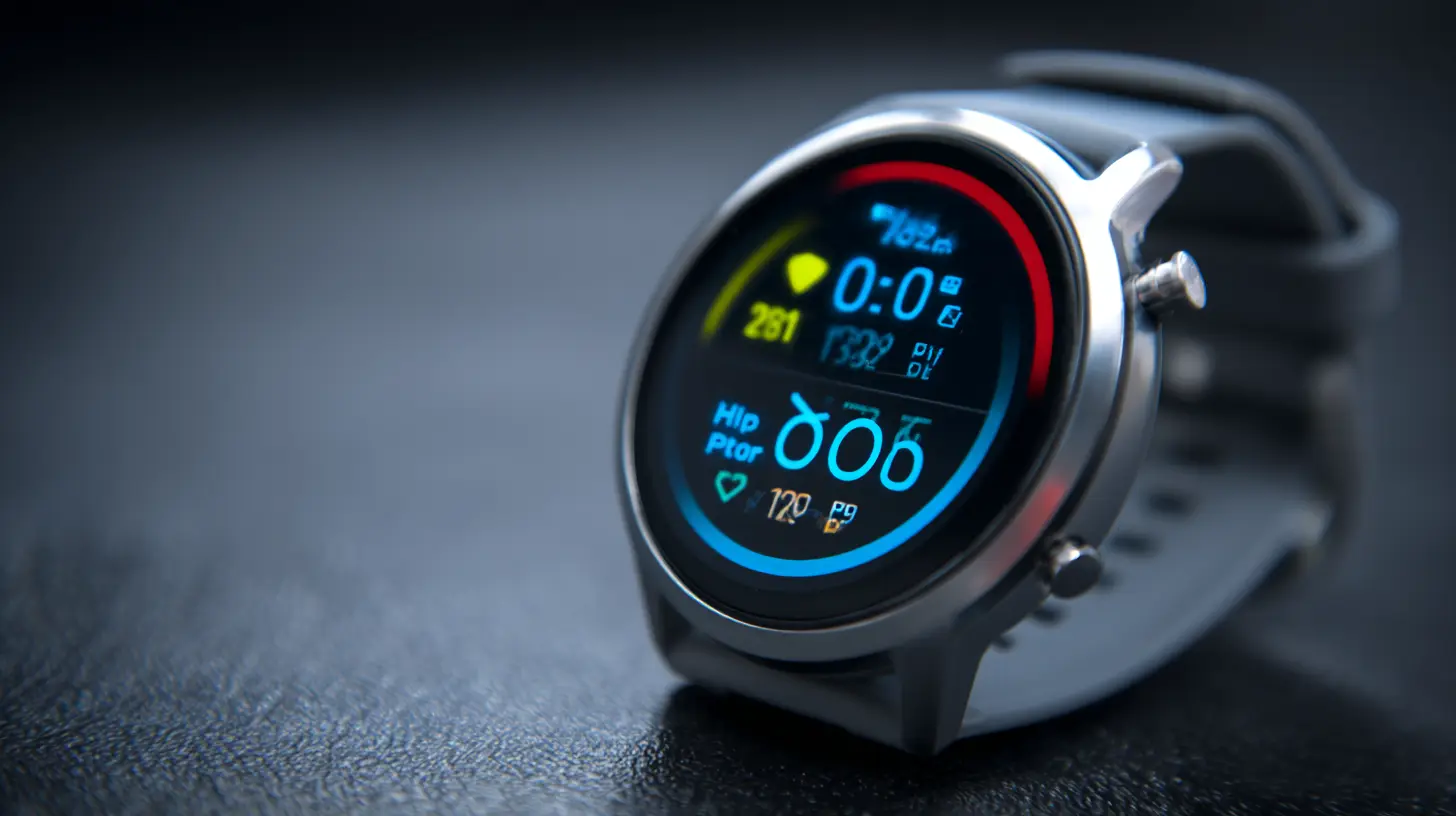
The Fitness Tracking Landscape in 2027: More Than Just a Wrist Computer
Before we name names, we need to set the stage. By 2027, fitness tracking won’t be a side feature—it will be the primary reason people buy a smartwatch. Think of it like this: today’s watches are Swiss Army knives with a fitness mode. Tomorrow’s watches will be fitness-first devices that also happen to check your email.Why the shift? Three major forces are converging:
1. Sensor Miniaturization: Labs are shrinking lab-grade sensors (like continuous glucose monitors and blood pressure cuffs) into chips smaller than a fingernail.
2. Edge AI: Processing happens on the watch, not the cloud. That means real-time coaching without lag or privacy concerns.
3. Battery Breakthroughs: Solid-state batteries and low-power displays will let you track 24/7 without charging every night.
In this environment, the winners won’t be the brands with the flashiest screens—they’ll be the ones who nail accuracy, personalization, and actionable insights. Let’s meet the contenders.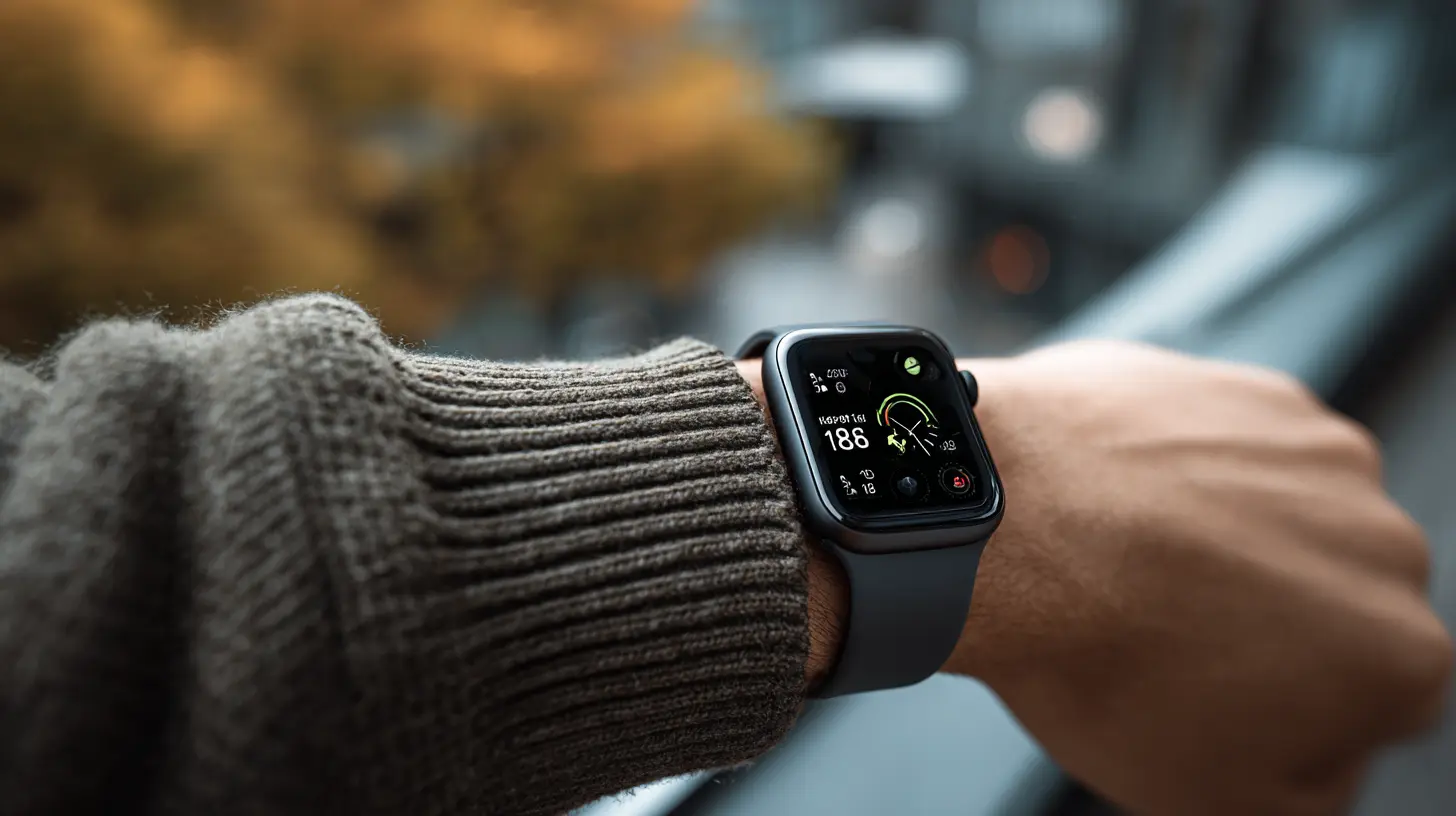
1. Apple Watch Ultra 4: The Refined Titan
Apple’s Ultra line has already carved a niche for extreme athletes, but by 2027, the Ultra 4 will be the default choice for serious fitness enthusiasts who also want a polished ecosystem.What Will Make It Dominate?
- Next-Gen Biometrics: Rumors suggest Apple is integrating a non-invasive glucose monitor via optical sensors. Coupled with existing ECG, SpO2, and temperature sensing, the Ultra 4 could offer a “health dashboard” that updates in real-time. Imagine your watch warning you, “Hey, your blood sugar is dropping—time for a snack,” before you even feel shaky.- AI Coach (Siri 2.0): Apple’s machine learning has been quietly improving. By 2027, expect an AI coach that learns your recovery patterns, sleep quality, and workout history. It won’t just log your run; it will tell you, “You’re 15% more fatigued than usual. Consider a recovery walk instead of intervals today.” That’s not a notification—that’s a conversation.
- Battery Life That Finally Competes: Apple has been notoriously stingy with battery, but the Ultra 4 is tipped to use a hybrid display (always-on with minimal power) and a larger solid-state cell. Think 4-5 days of heavy use, or 10 days in low-power fitness mode. That’s still not Garmin territory, but it’s enough to stop the daily charging anxiety.
The Catch: You’re still locked into the Apple ecosystem. If you’re an Android user, this watch is a beautiful brick.
Why It Wins: For the person who wants a “do-it-all” device that prioritizes fitness without sacrificing smart features, the Ultra 4 will be the gold standard. It’s like having a personal trainer, nutritionist, and doctor living on your wrist—all while letting you reply to texts with a flick of your finger.
2. Garmin Fenix 8 Pro: The Unkillable Beast
Garmin has been the king of outdoor and endurance tracking for years, and the Fenix 8 Pro will solidify that throne. If the Apple Watch is a sports car, the Fenix is a battle-tested Jeep.What Will Make It Dominate?
- Solar Charging 2.0: Garmin already has solar charging, but by 2027, expect panels that are 40% more efficient. In direct sunlight, you could get indefinite battery life in GPS mode. Imagine running a 100-mile ultra marathon without ever plugging in. That’s not a feature—that’s a superpower.- Advanced Mapping and Navigation: The Fenix 8 Pro will likely include real-time terrain mapping with AI route suggestions. It’ll know if a trail is muddy, if elevation gain will spike your heart rate, and can even suggest alternate paths based on your fitness level. It’s like having a guide who’s run every trail a thousand times.
- Physiological Metrics That Actually Work: Garmin’s “Training Readiness” and “Body Battery” metrics are already industry-leading. The 8 Pro will add muscle oxygen saturation and lactate threshold estimation without a chest strap. For triathletes and cyclists, this is the holy grail.
The Catch: The interface can feel like a 1990s GPS device. It’s functional but not pretty. And the price? Expect $900+.
Why It Wins: For the ultramarathoner, the mountaineer, or the person who trains in the wilderness for weeks at a time, no other watch comes close. The Fenix 8 Pro is not a lifestyle accessory—it’s a tool. And tools don’t need to be pretty; they need to work.
3. Samsung Galaxy Watch 8 Pro: The Android Standard
Samsung has been playing catch-up, but by 2027, the Galaxy Watch 8 Pro could be the best fitness tracker for Android users—period.What Will Make It Dominate?
- Wear OS 5.0 and Google Fit Deep Integration: Google’s acquisition of Fitbit has finally paid off. The Galaxy Watch 8 Pro will likely have native integration with Fitbit’s algorithm for sleep tracking and stress management, plus Google’s AI for workout analysis. It’s the best of both worlds: Samsung hardware, Google software.- BioActive Sensor 3.0: Samsung’s BioActive sensor already combines heart rate, ECG, and bioelectrical impedance. The 2027 version will add hydration monitoring (via skin conductance) and continuous blood pressure (cuffless, calibrated once a month). That’s a game-changer for runners who need to track hydration during long workouts.
- Rotating Bezel Returns (Maybe): Rumors suggest Samsung is bringing back the physical bezel for the Pro model. For fitness tracking, tactile controls are a godsend when your fingers are sweaty or gloved.
The Catch: Samsung’s software updates are notoriously slow. If you buy the Watch 8 Pro, you might wait months for the latest features.
Why It Wins: For the average Android user who wants accurate fitness tracking without buying an Apple Watch, this is the no-brainer choice. It’s like the Toyota Camry of smartwatches—reliable, affordable (relatively), and does everything well without being flashy.
4. Whoop 5.0: The Subscription Sensor
Whoop isn’t a smartwatch—it’s a fitness band with a cult following. But by 2027, the Whoop 5.0 could redefine how we think about tracking.What Will Make It Dominate?
- No Screen, All Data: Whoop’s philosophy is that a screen distracts you from recovery. The 5.0 will have a minimalist e-ink display that only shows your strain, recovery, and sleep scores. No notifications. No apps. Just pure data.- Menstrual and Hormonal Tracking: Whoop is already leading in female physiology tracking. The 5.0 will likely add real-time hormone fluctuation monitoring via skin temperature and heart rate variability. For athletes who train around their cycle, this is like having a cheat code for performance.
- AI-Powered Strain Coach: The 5.0 will analyze your daily stress, sleep, and workouts to recommend the perfect workout intensity. It’s like having a coach who knows you’re tired before you do.
The Catch: It requires a subscription ($30/month). Over three years, that’s over $1,000. And without a screen, you can’t check the time or control music.
Why It Wins: For the data-obsessed athlete who cares more about recovery than notifications, Whoop is unbeatable. It’s the ultimate “no distractions” device—a pure performance tool for the mind-body connection.
5. Amazfit T-Rex 3 Ultra: The Budget King
Amazfit has been quietly crushing the mid-range market. The T-Rex 3 Ultra will be the best fitness tracker under $300 by 2027.What Will Make It Dominate?
- Military-Grade Durability: It’s built to survive drops, water (100m depth), and extreme temperatures. For hikers and casual runners, this is overkill—but that’s the point. You never have to worry about breaking it.- Zepp OS 3.0 with AI: Amazfit’s Zepp OS is surprisingly mature. The 2027 version will include AI form analysis (using the watch’s accelerometer to detect running inefficiencies) and virtual coaching for strength training.
- 30-Day Battery Life: With typical use, the T-Rex 3 Ultra will last a month. In GPS mode, you’ll get 80 hours. That’s insane for the price.
The Catch: The app ecosystem is weak. You won’t get Spotify offline or third-party watch faces that work well.
Why It Wins: For the budget-conscious athlete who wants 90% of the features of a $900 Garmin, the T-Rex is the answer. It’s like buying a Casio G-Shock that suddenly learned to track your VO2 max.
6. Polar Vantage V4: The Purist’s Choice
Polar has always been the underdog, but their heart rate accuracy is legendary. The Vantage V4 will cater to serious runners and cyclists who prioritize precision over bells and whistles.What Will Make It Dominate?
- Polar Precision Prime 2.0: This optical sensor is already one of the best. The V4 will add dual-wavelength LEDs for accurate readings even during high-intensity intervals. It’s so good that you might not need a chest strap.- Running Power from the Wrist: Polar was the first to offer running power natively. The V4 will refine this with form analysis (cadence, ground contact time, vertical oscillation) that rivals Garmin.
- Team and Social Features: Polar’s ecosystem is built for coaches and teams. The V4 will let you create custom training plans, share them with a coach, and get real-time feedback during group workouts.
The Catch: The smartwatch features are barebones. No music storage, no payment options, and the screen is dim.
Why It Wins: For the runner who wants raw, accurate data without paying for a smartwatch they don’t need, Polar is the purist’s choice. It’s like a manual transmission car—fewer features, but more control.
The Dark Horses: Who Might Surprise Us?
Google Pixel Watch 3 (with Fitbit DNA)
Google finally got the Pixel Watch right with the Pixel Watch 2. By 2027, the Pixel Watch 3 could integrate Fitbit’s best algorithms (like Sleep Score and Readiness) with Google’s AI and Tensor chip. If they nail battery life (currently the biggest weakness), this could be a top contender.Oura Ring 4 (Not a Watch, But Close)
Oura is moving beyond sleep tracking. The Ring 4 will likely include activity tracking with a focus on “activity balance” rather than step counts. It’s not a watch, but for people who hate wearing watches to bed, it’s a compelling companion.Huawei Watch GT 5 Pro (If It Comes to the US)
Huawei’s watches have incredible battery life and health sensors, but they’re hamstrung by US sanctions. If restrictions ease, the GT 5 Pro could challenge Garmin with its TruSeen 5.5+ sensor and 14-day battery life.The Verdict: Which Smartwatch Will Actually Dominate?
Here’s the honest truth: No single smartwatch will dominate fitness tracking in 2027. The market is fragmenting into niches.- For the Apple loyalist: Apple Watch Ultra 4.
- For the endurance athlete: Garmin Fenix 8 Pro.
- For the budget hunter: Amazfit T-Rex 3 Ultra.
- For the data geek: Whoop 5.0.
- For the Android user: Samsung Galaxy Watch 8 Pro.
But if I had to pick one that will shift the paradigm, it’s the Apple Watch Ultra 4. Why? Because Apple has the resources to integrate non-invasive glucose monitoring first. That single feature—tracking your blood sugar without needles—will change fitness tracking forever. It will turn your watch from a passive logger into an active metabolic coach.
Imagine this: You’re mid-run, and your watch buzzes. “Your glucose is dropping faster than expected. You have 10 minutes before performance declines. Eat a gel now.” That’s not science fiction—that’s 2027.
Final Thoughts: The Future Is on Your Wrist
Fitness tracking in 2027 will be less about counting and more about understanding. Your watch won’t just tell you how many steps you took; it will tell you why you feel tired, when to eat, and how to optimize your next workout.The brands that dominate will be the ones that make you feel like you have a coach, a doctor, and a nutritionist—all in a device that’s comfortable enough to wear while you sleep. So, which watch will you choose? The answer depends on what you value most: accuracy, battery life, ecosystem, or price.
But one thing is certain: by 2027, if your smartwatch isn’t actively coaching you, it’s just a fancy digital clock.
all images in this post were generated using AI tools
Category:
Technology ReviewsAuthor:

Gabriel Sullivan
Discussion
rate this article
2 comments
Gabrielle Jones
It's exciting to see how smartwatches are evolving for fitness tracking. As technology advances, I hope they genuinely support users in their health journeys, making fitness more accessible and enjoyable for everyone.
July 19, 2026 at 11:24 AM
Gabriel Sullivan
I completely agree. The future of fitness tracking in smartwatches looks promising, and these advancements can really enhance how we approach health and fitness.
Mia Jones
Oh great, more futuristic wristbands...
May 6, 2026 at 2:37 AM
Gabriel Sullivan
I get your point! It seems like the wristband trend is here to stay, but these new features might surprise us.