Why Heart Rate Monitoring on Your Fitness Tracker Matters
11 February 2026
Ever strapped on that fancy fitness tracker of yours and wondered, “Why is this thing so obsessed with my heartbeat?” Well, you're not alone. Heart rate monitoring might look like just another flashy feature, but trust me—it's got some serious benefits.
Whether you're a couch potato trying to shed the quarantine weight (we've all been there) or a gym rat who takes their workouts way too seriously, heart rate tracking can make a world of difference in your fitness journey. So, let’s break it down, have some laughs, and figure out why your wearable is paying so much attention to your ticker.
What Exactly Is Heart Rate Monitoring?
Alright, let’s start with the basics—heart rate monitoring is exactly what it sounds like. Your fitness tracker keeps an eye on how fast your heart is beating, measured in beats per minute (BPM).But here’s the kicker: it’s not just about knowing your heart is still ticking (though that’s also reassuring). This data gives crucial insights into your health, fitness levels, and even stress levels.
Fitness trackers use either optical sensors (aka shiny green lights) or electrical sensors (more advanced, like those in ECG-equipped wearables) to get the job done. And while it might seem a little too futuristic, this technology has been helping athletes, doctors, and everyday folks like you and me for years.
Why Should You Care About Heart Rate Monitoring?
Okay, I get it. You just bought the tracker for the step count and maybe to remind you to drink more water. But listen, your heart rate data is golden for multiple reasons. Let’s dive into why it actually matters.1. Optimizing Workouts Like a Pro
Ever felt like you were working out way too hard or maybe slacking off without even realizing it? That’s where heart rate monitoring steps in.By tracking your BPM, you can train in the right heart rate zone—not too easy, not too intense. Think of it as a GPS for your fitness goals. Whether you’re aiming to burn fat, boost endurance, or improve cardiovascular health, knowing your heart rate helps you dial in your workout intensity like a pro.
No more guessing. No more “Am I dying, or is this normal?” moments. Just pure, optimized training.
2. Preventing Overtraining (Or Undertraining, Let’s Be Honest)
We all have that one friend who always pushes too hard at the gym. (And if you don’t, you might be that friend.) Overtraining is real, and it can lead to fatigue, injury, and even burnout.By keeping an eye on your heart rate both during and after workouts, you can tell if your body is actually recovering or if you're pushing it to unhealthy limits. Similarly, if your tracker shows that your heart rate barely changed during that so-called workout, maybe it's time to crank things up.
Nothing like cold, hard data to call you out on your treadmill strolls.
3. Monitoring Stress Levels Like a Jedi Master
Did you know your heart rate can reveal when you’re stressed? Yep, it turns out your boss-induced anxiety and Monday morning blues show up in your BPM.Many fitness trackers now include heart rate variability (HRV) tracking, which tells you how much time passes between each heartbeat. A lower HRV can indicate stress, fatigue, or that you probably shouldn’t have stayed up binge-watching Netflix last night.
By monitoring this data, you can take steps to manage stress—whether that’s through breathing exercises, meditation, or finally taking that vacation you keep postponing.
4. Keeping an Eye on Your Resting Heart Rate (Because It Says A LOT)
Your resting heart rate (RHR) is the number of beats your heart makes per minute when you’re just chilling—no workout, no stress, just full Zen mode.A lower RHR generally means better heart health, while a higher-than-normal RHR could indicate underlying health issues or even dehydration. By tracking it over time, you can notice trends and even get an early warning if something seems off.
So yeah, your fitness tracker kind of turns into a mini personal health assistant—without the expensive consultation fees.
5. Improving Overall Heart Health (Because We Kinda Need That Organ)
Your heart isn’t just there for dramatic moments in rom-coms—it’s literally what keeps you alive. Keeping it in check should be a top priority.Regularly tracking your heart rate helps you notice patterns, recognize potential health risks, and—most importantly—make better lifestyle choices. You’ll notice how certain habits (like too much caffeine, too little sleep, or “just one more” cookie) affect your heart.
Think of it like having a tiny, judgmental doctor on your wrist, constantly nudging you toward healthier habits. 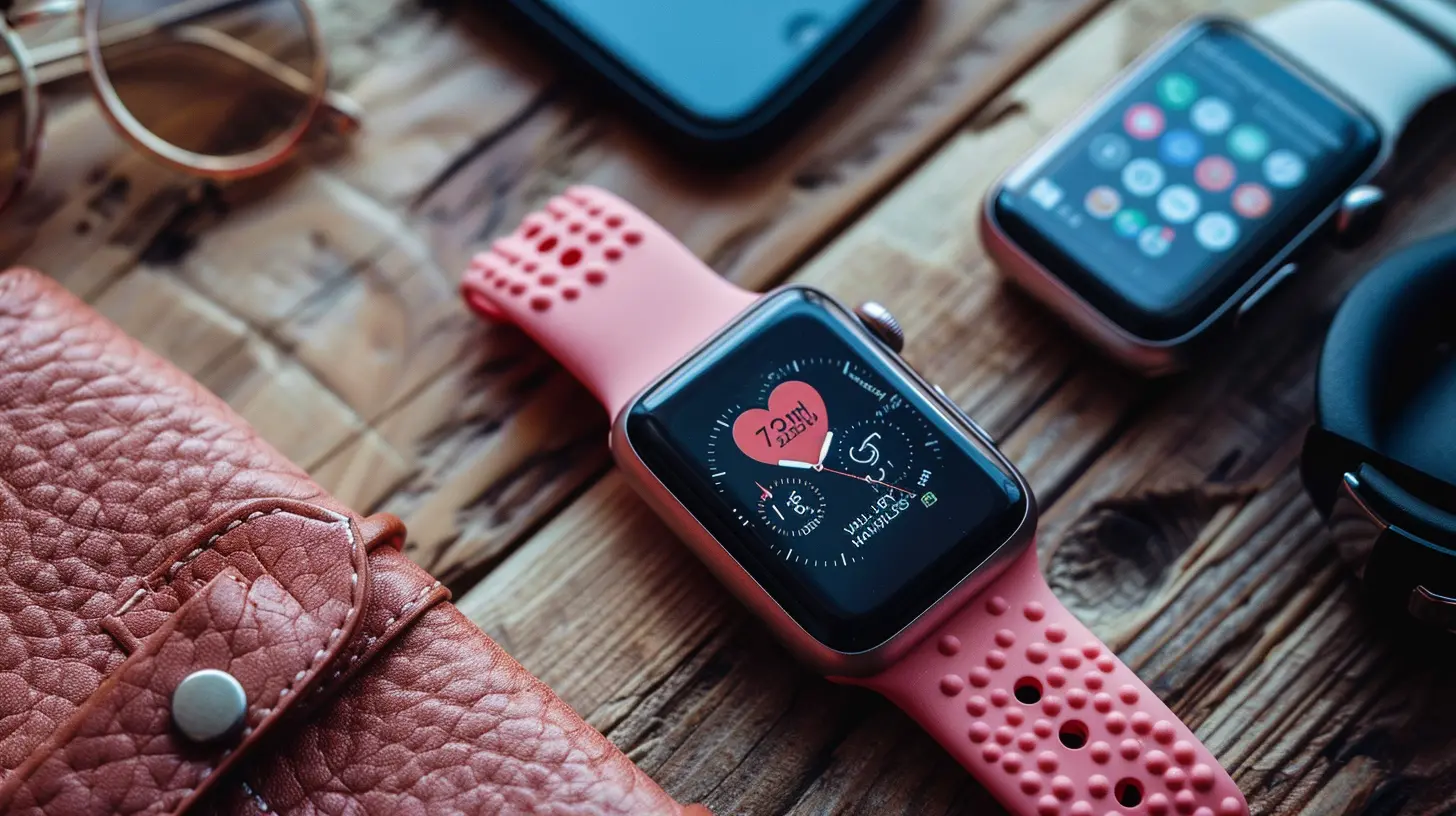
How Accurate Is Heart Rate Monitoring on Fitness Trackers?
Now, before you start relying on your tracker for full-on medical advice, let’s clear something up—fitness trackers aren’t perfect.Most wrist-based trackers are fairly accurate for everyday use, but things like motion, sweat, and even skin tone can sometimes mess with the readings. Chest strap monitors tend to be more precise, especially for intense workouts.
So, should you trust your fitness tracker’s heart rate reading? For general fitness tracking—absolutely. For serious medical conditions? Maybe consult an actual doctor instead of your smartwatch.
Tips for Getting the Most Accurate Heart Rate Readings
Want to make sure your tracker isn’t feeding you lies? Here’s how to get the best possible readings:- Wear it snug but not too tight – If it’s sliding around, it won’t track correctly.
- Keep the sensor clean – Sweat and dirt can interfere with accuracy.
- Stay still for resting heart rate checks – Moving around skews the data.
- If in doubt, use a chest strap – They tend to be more reliable, especially for workouts.
Follow these tips, and you’ll get readings that are pretty darn close to the real deal.
The Bottom Line
Heart rate monitoring on your fitness tracker isn’t just another gimmick—it’s one of the most valuable tools you have for optimizing workouts, preventing overtraining, tracking stress, and improving heart health.Your body is constantly giving you signals, and your heart rate is one of the most important ones. So, the next time you glance at your fitness tracker and see that BPM number, don’t ignore it—it’s basically your body’s way of whispering, "Hey, take care of me!"
Now go forth, track that heart rate, and crush those fitness goals like the champion you are.
all images in this post were generated using AI tools
Category:
Fitness TrackersAuthor:

Gabriel Sullivan
Discussion
rate this article
2 comments
Spike Larsen
Heart rate monitoring is crucial for optimizing fitness routines, enhancing performance, and ensuring safety during workouts. By providing real-time feedback, it empowers users to tailor their intensity and recovery, ultimately leading to improved health outcomes and a deeper understanding of personal fitness levels.
March 20, 2026 at 5:42 AM
Gabriel Sullivan
Thank you for your insightful comment! Heart rate monitoring indeed plays a vital role in maximizing workout efficiency and ensuring safety, making it an essential tool for anyone looking to improve their fitness journey.
Candace Stewart
Heart rate monitoring is a powerful tool for understanding your body’s needs. It empowers us to prioritize health and make informed wellness choices.
February 11, 2026 at 5:38 AM
Gabriel Sullivan
Absolutely! Heart rate monitoring is essential for personalizing your fitness journey and enhancing overall health.