Why USB-C Is the New Universal Standard
6 December 2025
If you’ve ever fumbled around with multiple cables trying to charge your phone, laptop, or even connect a device to your TV, you’re not alone. It feels like every gadget we own comes with its own special cord, leading to a tangled mess of cables that all seem to serve slightly different purposes. But there's a light at the end of this cable chaos tunnel: USB-C.
USB-C is quickly becoming the universal standard for charging, data transfer, and connecting peripherals. If you’ve been paying attention, you might've noticed how it’s popping up everywhere—from smartphones to laptops, tablets, and even gaming consoles. But why is USB-C suddenly everywhere, and what makes it so special? Let’s break it down.
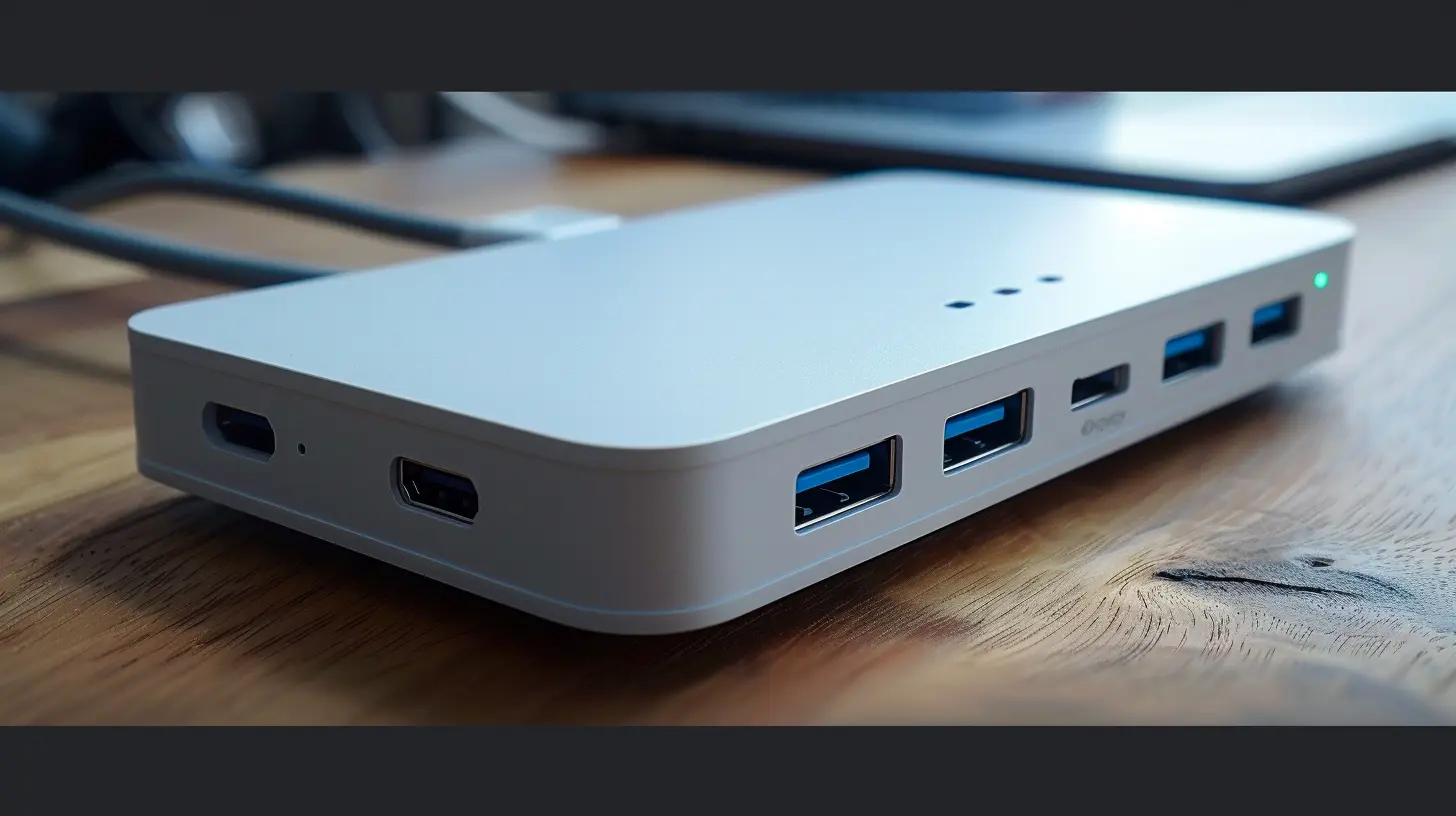
Understanding USB-C: What Is It?
Before diving into the reasons it’s taking over the tech world, let’s first clarify what USB-C actually is.USB-C (short for Universal Serial Bus Type-C) is a relatively new type of connector and cable standard designed to replace older USB types like USB-A, USB-B, and even specialized connectors like Micro USB and Thunderbolt. Unlike its predecessors, USB-C is small, reversible (meaning no more struggling to figure out which way to plug it in), and incredibly versatile.
But it's not just about the physical shape of the connector. USB-C comes with a host of technical improvements, such as faster data transfer speeds, higher power delivery, and the ability to support multiple functions (charging, data transfer, and video output) all through one cable.
A Reversible Design
Let’s face it: trying to plug in a USB-A cable (the older one) was like trying to solve a Rubik’s cube. You’d fumble to get it in the right way, flip it, flip it again, and eventually go "Ah, there it is!" With USB-C, that frustration is a thing of the past. Its reversible design means you can plug it in either way, and it’ll work. In a world where convenience is king, this small change feels monumental.One Cable to Rule Them All
Ever had a suitcase full of different cables for your various devices? USB-C is here to fix that problem. This cable can handle a wide variety of tasks, including charging, transferring data, and even connecting displays. You can charge your laptop, transfer files to an external hard drive, and connect a 4K monitor—all with the same USB-C cable. It’s like the Swiss Army knife of cables, and who doesn’t love a good multitasker?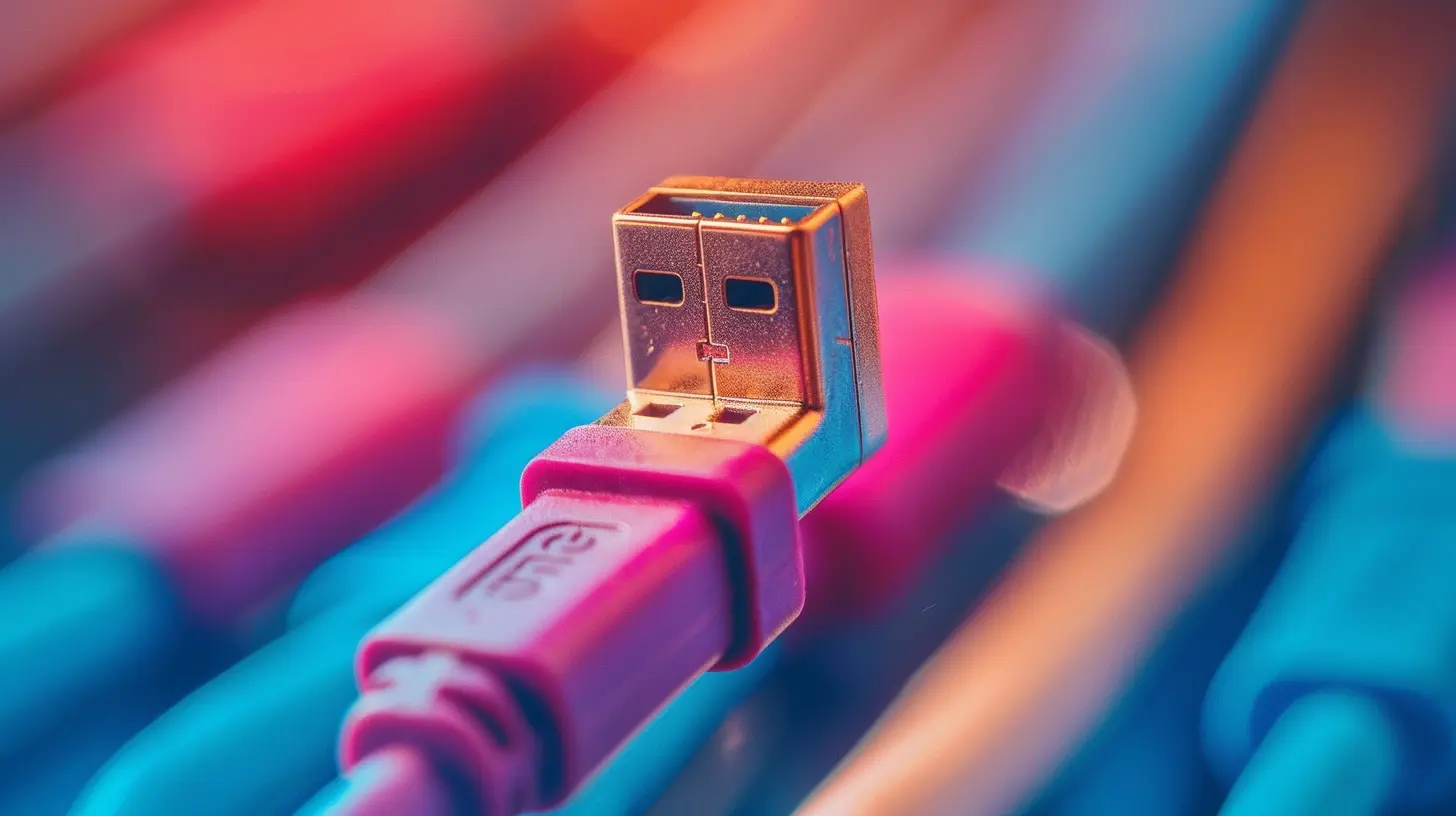
Why USB-C Is Becoming the New Universal Standard
So, why is USB-C set to become the new universal standard? There are several key reasons:1. Faster Charging & Data Transfer
One of the biggest advantages of USB-C is its ability to deliver more power and transfer data at lightning speeds. USB-C can deliver up to 100 watts of power, which is more than enough to charge a laptop or even power more demanding devices like monitors or external hard drives.Compare that to older USB standards, which struggled to keep up with the power needs of modern devices. USB-A, for instance, couldn't provide nearly enough juice to charge a laptop, let alone power a high-resolution display.
With USB-C, you can charge your phone, laptop, and pretty much any other gadget faster. And when it comes to data transfer, USB-C can reach speeds of up to 40 Gbps (with USB 4.0 or Thunderbolt 3/4), making large file transfers a breeze. Whether you’re moving photos, videos, or large software files, you’ll spend less time waiting and more time getting things done.
2. Versatility and Future-Proofing
Another reason USB-C is becoming the universal standard is that it's incredibly versatile. Not only can it charge devices and transfer data, but it can also carry video and audio signals. That means you can use a single USB-C cable to connect your laptop to an external monitor, projector, or TV, while simultaneously charging your device.And because USB-C is compatible with a wide range of devices, from smartphones to gaming consoles and even kitchen appliances, it’s a future-proof solution. Whether you’re upgrading your laptop or switching to a new phone, chances are you’ll still be able to use that trusty USB-C cable.
3. Cross-Device Compatibility
One of the most frustrating things about older chargers and connectors is their lack of compatibility across different devices. With USB-C, that frustration is largely eliminated. Major tech brands like Apple, Samsung, Google, and Dell have embraced USB-C as the go-to connector for their devices. This means that your USB-C charger for your MacBook can also charge your Android phone, your Nintendo Switch, and even some other USB-C devices like wireless headphones or portable speakers.Imagine not having to carry a different charger for every device you own. With USB-C, that dream is becoming a reality, and it certainly simplifies our tech lives.
4. Environmental Impact
Many companies are adopting USB-C not just for its technical benefits, but as part of a broader push towards sustainability. By standardizing chargers and cables, we can reduce the amount of electronic waste we produce. You might have heard that the European Union is pushing for USB-C to become the standard charger for all mobile phones, tablets, and cameras by 2024. Their goal? To reduce electronic waste and make life easier for consumers.It’s a win-win situation: fewer chargers in landfills, fewer cables cluttering up your drawers, and a more sustainable future for everyone.
5. Adoption by Major Tech Companies
It's hard to ignore that many tech giants are fully embracing the USB-C revolution. Apple, which is notoriously slow to adopt non-proprietary tech, has included USB-C ports in its MacBooks and iPads. Rumors even suggest that future iPhones may shift from the Lightning connector to USB-C.On the other hand, companies like Google, Samsung, and Microsoft have been using USB-C in their devices for years. As more and more companies make the switch, USB-C is quickly becoming the gold standard for connectivity in the tech industry.
6. Fewer Cables, Less Hassle
How many times have you had to buy a new cable because one broke, got lost, or didn’t work with your latest device? USB-C reduces the need for multiple cables in your life. Its ability to work across a wide range of devices means you can use the same cable for almost everything. No more digging through drawers trying to find the right one.Plus, since USB-C cables are generally more robust than older USB versions, they tend to last longer, saving you time and money in the long run.
7. Improved Durability and Design
Remember when a cable would fray after just a few months of use? USB-C cables, in general, are designed with durability in mind. They're often built with tougher materials, and the connectors themselves are designed to withstand more insertions and removals. This means they’re less likely to wear out or break, which is always a plus in today’s fast-paced world.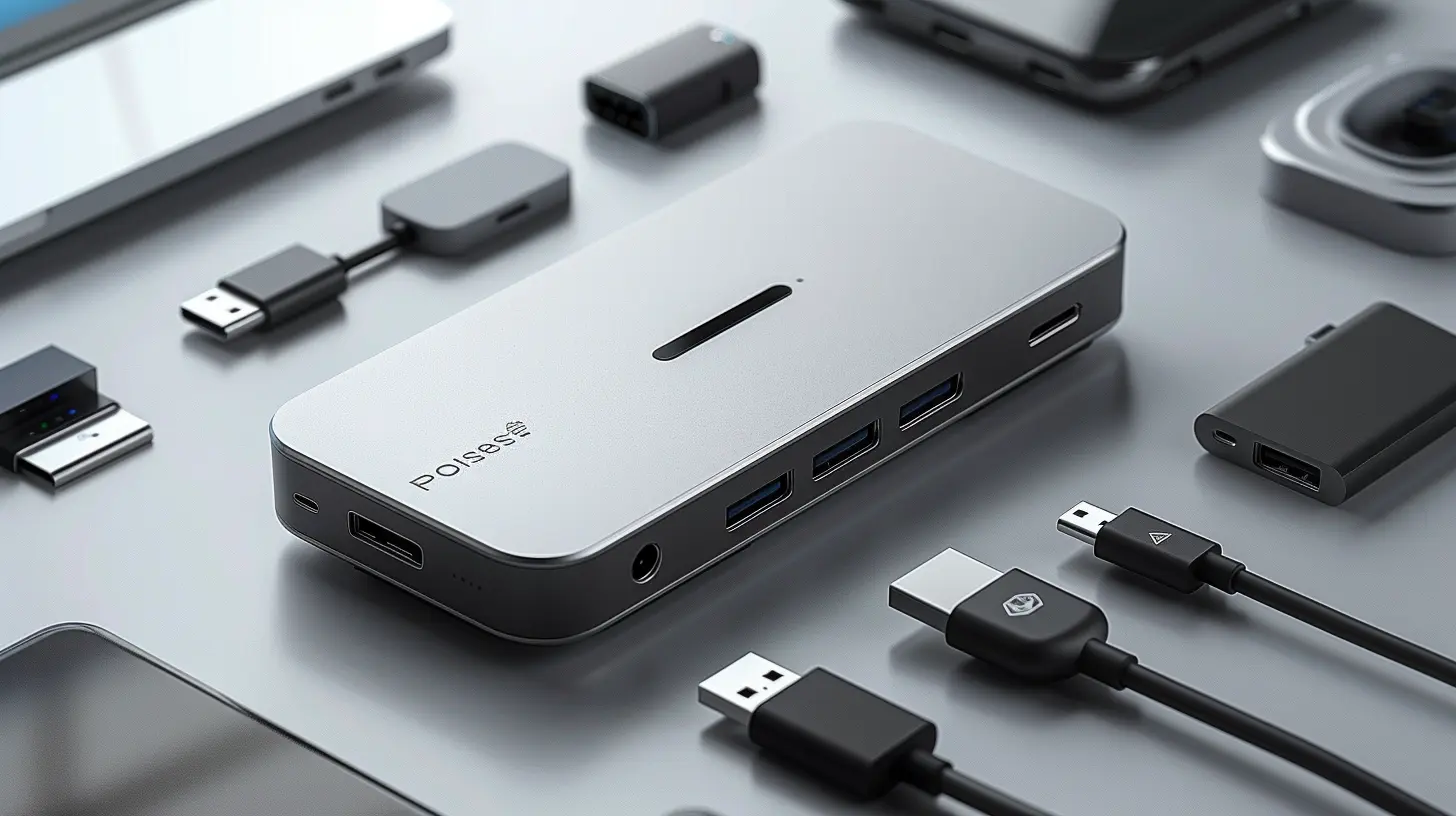
The Challenges of Adopting USB-C
Okay, so USB-C sounds pretty amazing, right? But no technology is without its growing pains. There are still a few challenges to fully adopting USB-C as the universal standard.Cost
USB-C cables and accessories can be more expensive than older USB counterparts. However, as the technology becomes more widespread, prices are expected to drop. The initial investment may be higher, but the long-term benefits—faster charging, quicker data transfers, and fewer cables—make it worthwhile.Confusion Over Standards
Not all USB-C cables are created equal, which can cause confusion. Some USB-C cables support faster charging and data transfer speeds, while others may not. It’s important to check the specifications of the cable or device to ensure you’re getting the performance you expect. As the technology becomes more standardized, this should become less of an issue.Transition Period
We’re still in a transition period where many devices still rely on older USB standards or proprietary connectors. This means you may still need to hang onto some of those old cables for a while. But as more manufacturers adopt USB-C, we’ll eventually reach a point where it truly becomes the universal standard.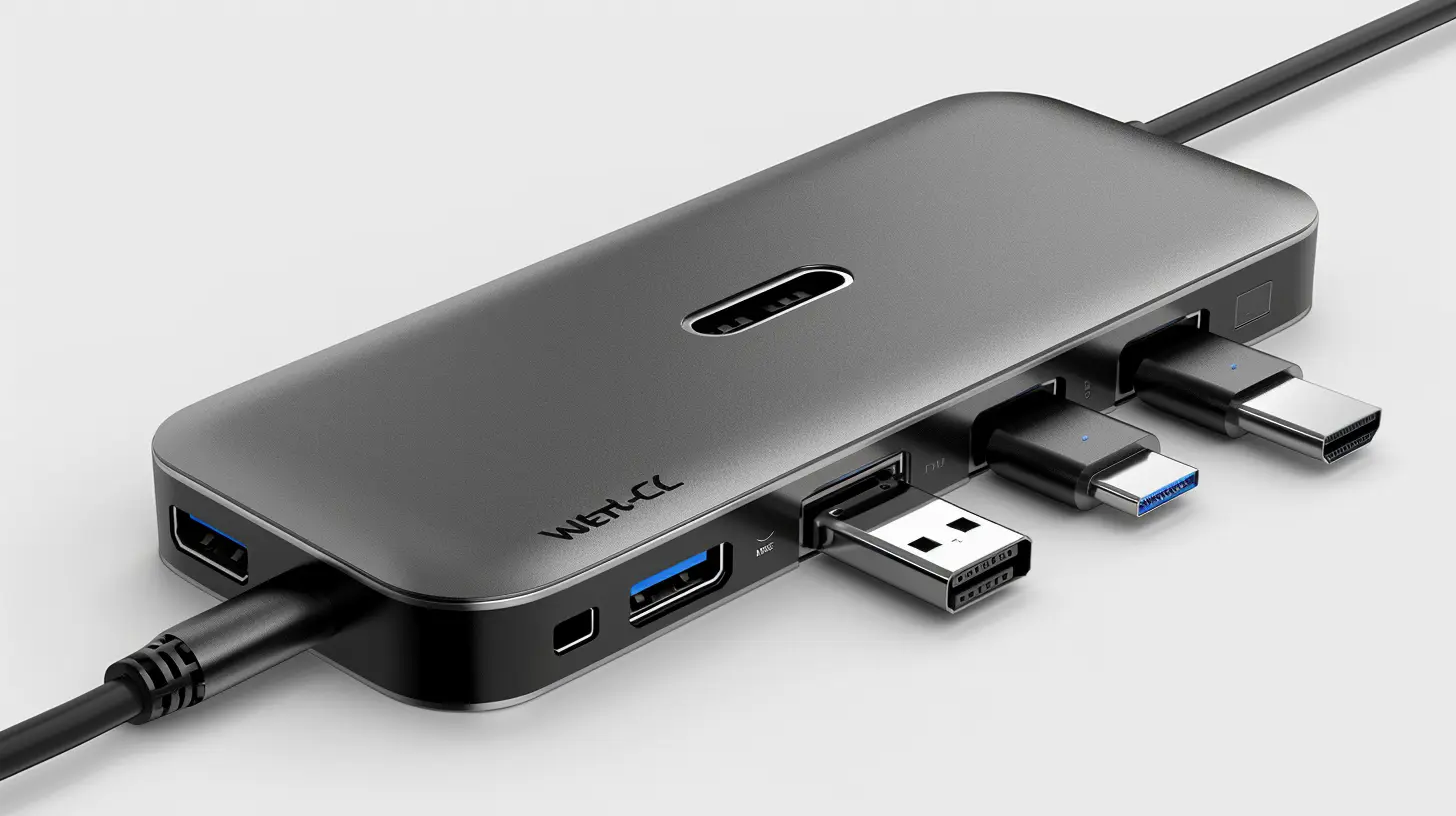
Conclusion: USB-C Is Here to Stay
USB-C has all the qualities to become the universal standard for charging and data transfer. Its versatility, faster speeds, cross-device compatibility, and ability to handle multiple functions make it a game-changer in the tech world. While there are still a few hurdles to overcome, the future is undeniably USB-C.So, the next time you're rummaging through that drawer full of tangled cables, take a moment to appreciate the fact that USB-C is simplifying things—and the day is coming when you’ll only need one cable for all your devices. How cool is that?
all images in this post were generated using AI tools
Category:
Tech NewsAuthor:

Gabriel Sullivan
Discussion
rate this article
2 comments
Zephyrian Moses
USB-C truly deserves its status as the new universal standard. Its versatility, faster data transfer rates, and ability to deliver power to multiple devices simplify our tech lives. As more manufacturers adopt this connector, it’s clear that USB-C is paving the way for a more streamlined future.
December 30, 2025 at 3:44 AM
Gabriel Sullivan
Thank you for your insights! USB-C indeed simplifies our tech lives and is set to revolutionize device connectivity.
Arden McMahon
USB-C is not just a trend; it's the future. Embrace it or get left behind. Simple as that.
December 7, 2025 at 5:40 AM
Gabriel Sullivan
Absolutely! USB-C's versatility and widespread adoption make it a cornerstone for future connectivity. Embracing it is essential for staying current in tech.