Will Robots Replace Human Labor in the Travel Industry?
1 August 2026
Let's address the elephant in the departure lounge right away: no, robots will not replace human labor in the travel industry, but they will absolutely change the job descriptions, the daily workflows, and the skills that matter most. The real question is not whether you will be replaced, but whether you will be working alongside machines that handle the boring stuff while you focus on the parts that actually need a human touch.
I have spent years watching travel technology evolve, from the early days of online booking engines to the current wave of generative AI chatbots and autonomous baggage handlers. And here is the honest truth: the travel industry is not a single job. It is a vast ecosystem of interconnected roles, and automation is affecting each one differently. A baggage handler at a busy hub airport faces a different future than a luxury travel advisor in New York, and both face a different future than a cruise ship activities director.
The Misconception of Total Replacement
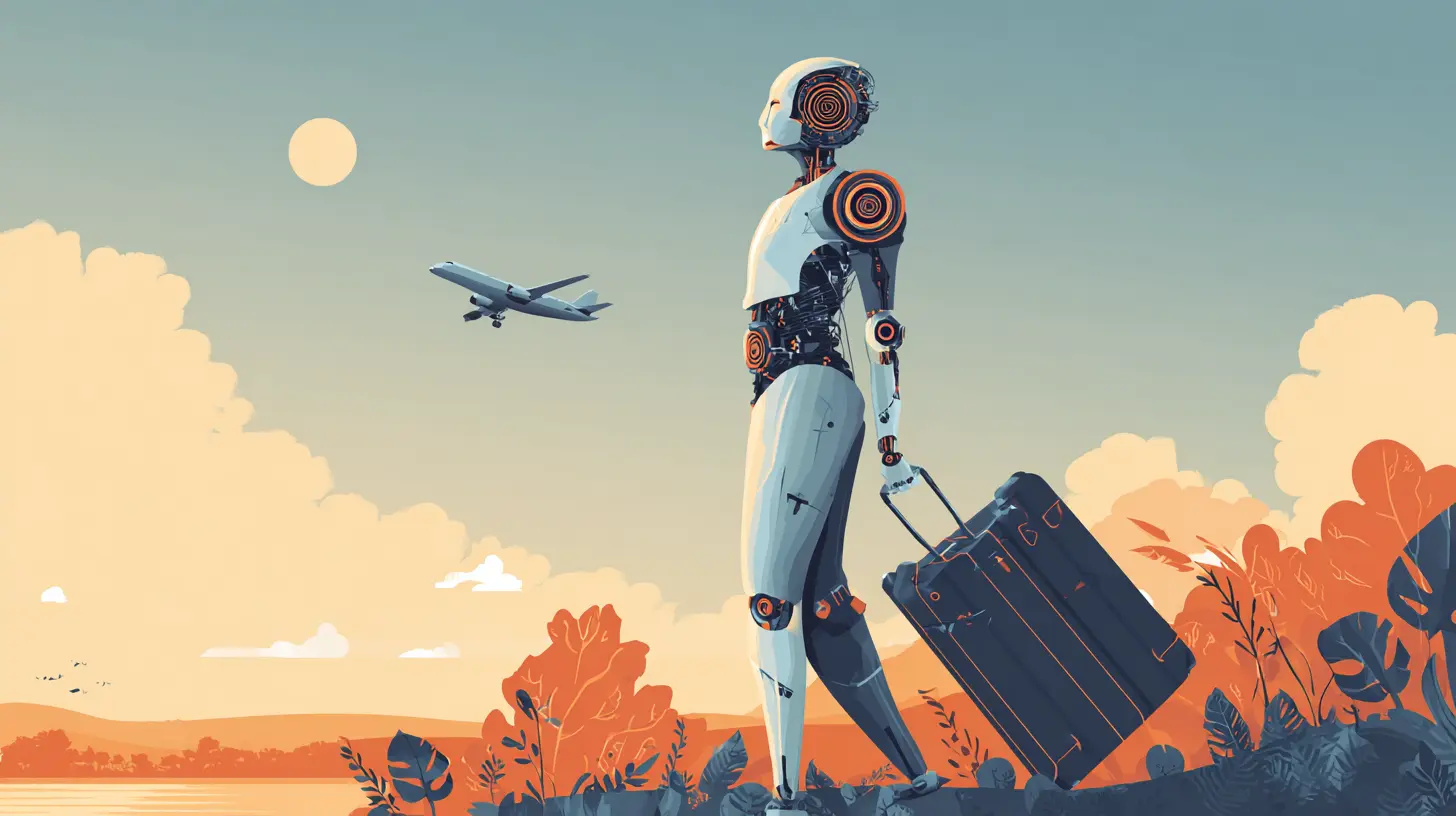
The biggest fear, and the biggest misunderstanding, is that robots will arrive like a tidal wave and wash away every job that involves a uniform or a computer screen. That scenario ignores how travel actually works. Travel is a high-stakes, emotionally charged, and deeply unpredictable human activity. People get anxious about missed connections. They get frustrated when their hotel room faces a construction site. They get overwhelmed when a volcanic ash cloud grounds hundreds of flights. These situations require judgment, empathy, and the ability to improvise - all things that current automation handles poorly.Think about the last time your flight was delayed. Did you want a chatbot to tell you the policy? Or did you want a gate agent who could rebook you on a partner airline, call ahead to hold a hotel room, and apologize in a way that actually made you feel less angry? The gate agent won, and that is not going to change anytime soon.
But here is where it gets nuanced: the gate agent's job in ten years will not look like it does today. They will have a tablet that suggests rebooking options, predicts passenger stress levels, and handles the routine rebooking automatically. The human agent will focus on the edge cases, the irate passengers, and the complex itineraries that the system cannot solve. That is not replacement. That is augmentation.
What Automation Actually Does Well
To understand the future, you have to understand what robots and AI genuinely excel at. The travel industry generates massive amounts of structured data - flight schedules, seat maps, hotel inventory, pricing rules, and passenger preferences. Software is fantastic at processing this data at scale, finding patterns, and making predictions.Consider revenue management. Airlines and hotels have used automated yield management systems for decades. These systems adjust prices in real time based on demand, competitor pricing, and booking curves. A human being cannot crunch those numbers fast enough. And that is fine. The revenue manager's job has shifted from doing arithmetic to interpreting the system's recommendations, overriding them when market conditions are unusual, and setting strategic goals.
The same logic applies to customer service. A well-designed chatbot can handle the top fifty questions about baggage allowances, check-in times, and cancellation policies. That is a huge win for the company because it reduces call volume and gives customers instant answers. But the chatbot fails when a passenger has a unique problem - a visa issue, a medical emergency, a family crisis. Those conversations still need a human who can listen, show empathy, and make judgment calls.
The Real Cost of Bad Automation
Here is a common mistake that companies make: they automate everything they can, without considering the cost of failure. A travel company that removes human agents entirely and relies on chatbots for all customer service will save money in the short term. But when something goes wrong - and something always goes wrong in travel - the company ends up with a PR disaster and a flood of angry social media posts.I remember a story from a few years ago about a major airline whose automated system mistakenly rebooked a family's tickets for the wrong month. The chatbot kept apologizing and offering the same useless solutions. The family had to escalate to a human, who fixed the problem in ten minutes. The damage was already done: the family swore off that airline forever. That is the hidden cost of over-automation.
The Jobs That Are Most at Risk
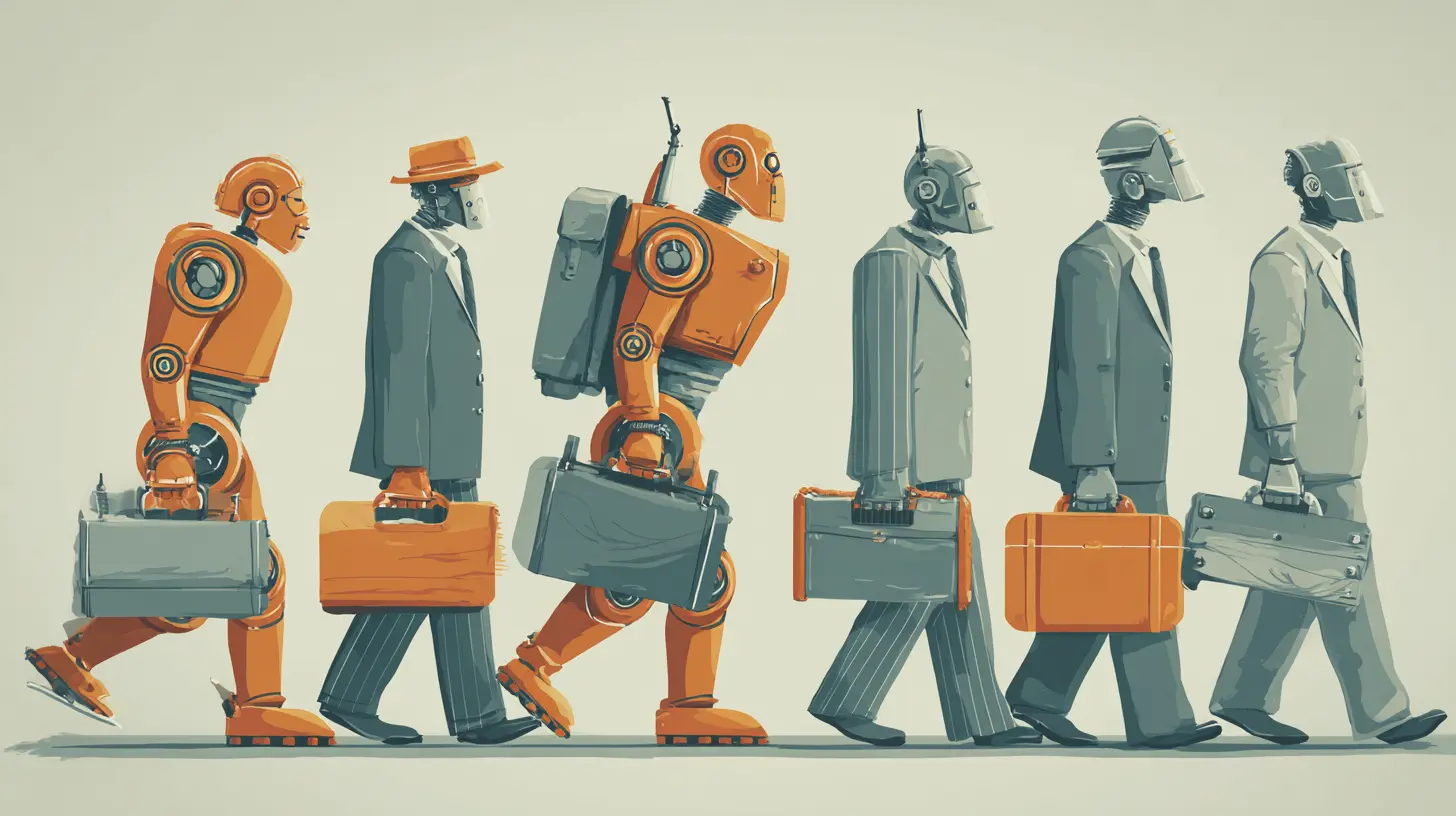
Let's be honest about which roles are genuinely vulnerable. Any job that is highly repetitive, data-heavy, and low in emotional complexity is a candidate for automation. Here are the ones I watch closely:Back-Office and Administrative Roles
Ticketing agents who manually process refunds, fare calculations, and itinerary changes are being replaced by software. The math is simple: a machine can process a thousand refund requests in minutes, with fewer errors than a human who has been doing data entry for eight hours. This is not a future scenario; it is happening now.Standard Call Center Agents
The first line of customer service - the people who answer basic questions about flight times, baggage rules, and seat selection - are being replaced by voice bots and chat interfaces. The technology is good enough to handle routine inquiries. The agents who survive are the ones who handle escalations, complex ticketing, and high-value customers.Simple Travel Agents
A travel agent who primarily books a flight and a hotel for a straightforward leisure trip is at risk. Online travel agencies like Expedia and Booking.com already handle that without human intervention. The agent who survives is the one who plans multi-city itineraries, handles destination weddings, or specializes in niche travel like Antarctic cruises or culinary tours in Southeast Asia.Airport Check-in and Boarding Staff
Self-service kiosks and automated bag drops have reduced the need for check-in staff. Biometric boarding gates are making the boarding pass scanner obsolete. But here is the catch: airports are high-security environments with constant exceptions. Unaccompanied minors, passengers with disabilities, and people who simply cannot use a touchscreen still need human assistance. The staff are not gone; they are just doing different tasks.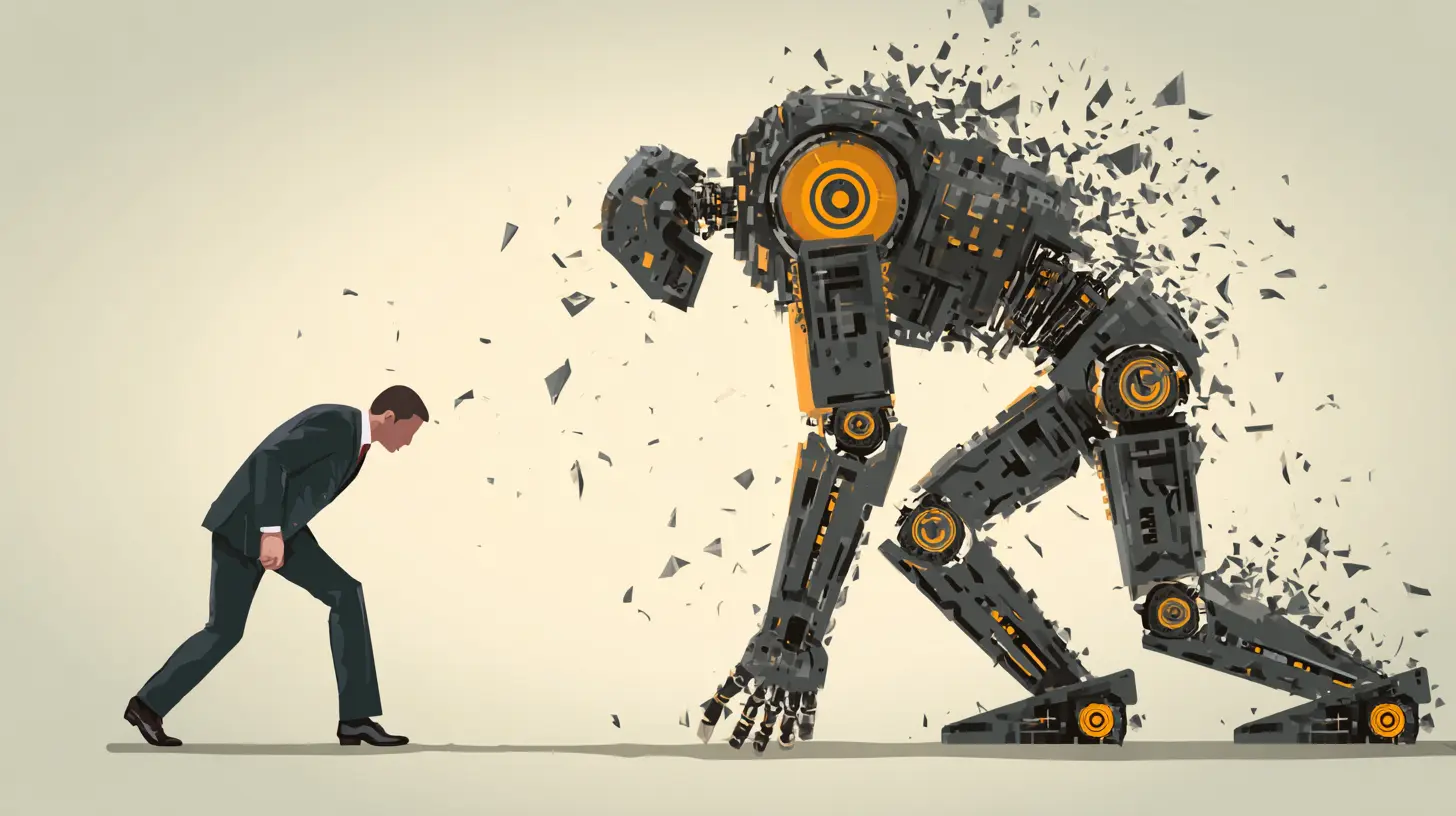
The Jobs That Are Safe (and Why)
Now for the good news. There is a whole category of travel jobs that are not just safe but will likely become more valuable as automation increases.The Human-Centric Travel Advisor
Luxury travel advisors are thriving, and their numbers are growing. Why? Because affluent travelers do not want a chatbot to plan their safari. They want someone who knows the best guides in the Serengeti, who can arrange a private dinner on a Greek beach, and who can handle a last-minute change when the weather turns bad. This is a relationship business, and relationships are deeply human.The trade-off here is that this work is becoming more specialized. A generic travel agent who just books flights is in trouble. But an advisor who has personal connections with hotel managers, who has visited the destinations, and who can craft bespoke experiences is irreplaceable. The technology actually helps them: they use AI to research options, manage itineraries, and stay on top of price drops. But the final product is their expertise and their network.
Tour Guides and Destination Experts
A robot can recite facts about the Colosseum. A robot cannot read the mood of a tour group, adjust the pace, tell a joke that lands, or notice that one person looks tired and offer them a seat in the shade. Great tour guides are performers, educators, and hosts all at once. That is a complex human skill that will not be automated in our lifetime.The caveat is that audio guides and augmented reality apps already provide basic commentary. The tour guide of the future will need to offer more than facts. They will need to offer storytelling, personal anecdotes, and a genuine connection with the place. The ones who do that will never lack work.
Hospitality and Service Roles
Hotel front desk staff, concierges, and restaurant servers are safe, but their roles are evolving. Hotels are experimenting with robot bellhops and automated check-in, but the front desk remains the emotional center of the hotel experience. A robot cannot handle a guest who is upset about a noisy room or a broken air conditioner. The concierge's job is to solve problems that are not in any manual.The best practice here is to use automation for the mundane parts - check-in, key issuance, room service ordering - and reserve human staff for the moments that matter. A hotel that does this well feels efficient and warm at the same time. A hotel that automates everything feels cold and impersonal, and guests notice.
Crisis Management and Operations
When a hurricane hits a resort island or a snowstorm shuts down a major airport, the travel industry goes into crisis mode. This is where human expertise is most critical. Operations teams have to coordinate with airlines, hotels, ground transportation, and customers, all while dealing with incomplete information and constant change. No AI system can replicate the judgment of a seasoned operations manager who has seen it all before.The Hybrid Model That Actually Works
The smartest travel companies are not choosing between humans and robots. They are building hybrid systems that use each for what they do best. Let me give you a concrete example from the airline industry.When you book a flight, an AI system handles the search, pricing, and payment. When you check in online, another system verifies your identity and assigns your seat. When you arrive at the airport, you use a self-service kiosk to print your bag tag. But if your bag is overweight, if you have a special request, or if you are traveling with a pet, a human agent steps in. The system flags the exception, and the human handles it.
This hybrid approach works because it minimizes the cost of routine transactions while maximizing the quality of human interaction where it matters. The key is to design the automation to fail gracefully - to know when it cannot handle a situation and to transfer the conversation to a human without making the customer repeat themselves.
A Practical Framework for Travel Companies
If you are in the travel industry and you are worried about automation, here is a framework that I have seen work across airlines, hotels, and tour operators.First, identify the tasks that are repetitive, rule-based, and high in volume. Automate those aggressively. This frees up your human staff.
Second, identify the tasks that require empathy, judgment, or creativity. Protect those fiercely. Hire for those skills, train your staff, and make sure the technology supports them rather than replaces them.
Third, design your customer experience around the moments that matter. A guest does not care if a robot delivers their extra towel. They care if the front desk manager remembers their name and asks about their daughter's soccer game. That is the human differentiator.
Fourth, measure the cost of failure. If a chatbot gives a wrong answer, what does that cost you in terms of customer churn? If a human agent handles a complex issue well, what is that worth in repeat business? Most companies only measure the cost of labor, not the cost of a bad experience.
Common Mistakes and Misconceptions
Let me clear up a few things that I see all the time in industry discussions.Mistake: Believing AI Understands Context
AI chatbots are getting better, but they still do not understand context the way humans do. They can recognize words, but they cannot grasp tone, sarcasm, or the underlying emotion. A passenger who types "I am never flying with you again" might be venting about a delay, or they might be serious about switching airlines. A human agent can tell the difference. A chatbot cannot.Mistake: Treating Automation as a Cost-Cutting Tool Only
Automation does reduce costs, but that is not its only value. Good automation also improves the customer experience by making things faster and easier. The mistake is to view it purely as a way to cut headcount. Companies that do this end up with angry customers and demoralized staff.Mistake: Ignoring the Human in the Loop
The best AI systems are designed with a human in the loop. This means that the AI makes recommendations, but a human makes the final decision for high-stakes situations. In travel, this is essential. You do not want an AI to automatically rebook a passenger on a flight that will make them miss a wedding. You want the AI to suggest options, and the human to choose the right one.Misconception: Robots Will Be Cheap
Robots are not cheap. A physical robot for a hotel costs tens of thousands of dollars, requires maintenance, and still cannot climb stairs or carry heavy luggage reliably. Software is cheaper, but it requires constant updating and monitoring. The total cost of ownership is often higher than companies expect, especially when you factor in the cost of failures and the need for human oversight.The Future of Travel Jobs
So what does the travel industry look like in ten or twenty years? I believe we will see a clearer division of labor.The routine, transactional parts of travel will be almost entirely automated. Booking, check-in, ticketing, baggage processing, and basic customer service will be handled by software and machines. This is inevitable and mostly good.
The experiential, emotional, and high-stakes parts of travel will remain human. Tour guides, concierges, travel advisors, crisis managers, and customer service specialists who handle complex issues will be in demand. The key is that these roles will require higher levels of skill and empathy. The bar will be higher.
The middle ground - the roles that are partly routine and partly human - will be the most interesting. A travel agent who uses AI to draft itineraries but adds personal recommendations. A hotel manager who uses data to predict demand but makes the final decision on staffing. A customer service agent who uses a chatbot to handle the first level of inquiry but takes over when the conversation gets complex.
What Workers Should Do Right Now
If you work in travel and you are worried, here is my practical advice. Do not try to compete with the machines at what they do best. Do not spend your time memorizing fare rules or flight schedules. Instead, invest in skills that machines cannot replicate.Learn to communicate with empathy. Learn to read people. Learn to solve problems creatively. Learn the destinations, the hotels, and the experiences that you recommend. Build relationships with your clients and your colleagues. Become the person who can handle the messy, unpredictable, emotionally charged situations that make travel memorable.
Also, learn to use the tools. The travel professionals who thrive will be the ones who know how to leverage AI to do their jobs better. If you are a travel advisor, use AI to research and draft itineraries, then add your personal touch. If you are a hotel manager, use data to optimize pricing, then focus your energy on the guest experience.
A Balanced View
I want to end with a balanced perspective. There are real risks here. Some jobs will disappear, and that is painful for the people who hold them. We should not pretend otherwise. The travel industry has already seen significant job losses in back-office roles, and that trend will continue.But the narrative of total replacement is not supported by the evidence. The travel industry is fundamentally about human connection. People travel to see the world, but they also travel to connect with other people. The best travel experiences are often defined by the people they meet: a hotel bartender who remembers their favorite drink, a tour guide who tells a story that changes their perspective, a flight attendant who calms their fear of flying.
These are not automatable experiences. They are deeply human, and they are the reason the travel industry will always need people.
The smart approach is not to fight the technology or to embrace it blindly. It is to use automation to handle the mundane, freeing humans to do what they do best: making people feel welcome, understood, and cared for. That is the future of travel, and it is a future that includes both robots and humans, working side by side, each doing what they do best.
all images in this post were generated using AI tools
Category:
Robotics TechnologyAuthor:

Gabriel Sullivan