DNA technology identifies suspect in 45-year-old Columbus killings
January 24, 2026 - 00:54

A chilling, 45-year-old cold case involving the murders of a woman and her child has been solved through advanced DNA technology, Columbus police announced. The victims, identified as Lynn Vest and her young son, were found deceased in their home in 1980.
For decades, the case remained open with no identified suspects. The turning point came when investigators utilized modern forensic genetic genealogy. This technique involves uploading crime scene DNA to public genealogy databases to find potential relatives of an unknown suspect, building a family tree that can lead to an identification.
Through this meticulous process, detectives identified the late William D. Rose as the prime suspect. Rose, who died in 1991, was never charged in his lifetime for these crimes. While the technological breakthrough provides long-sought answers to investigators and the victims' family, it also underscores the haunting nature of cases where justice cannot be fully served in a traditional court of law. The announcement brings a formal conclusion to one of the city's oldest active homicide investigations.
MORE NEWS
July 15, 2026 - 18:44
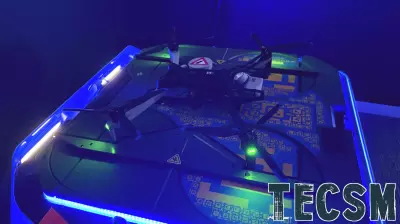
From AI cameras to drones, Fairfax Co. uses new technology in policingPolice in Fairfax County, Virginia, are rolling out a suite of new technologies that rely on artificial intelligence to change how officers work on the street and at their desks. The department now...

July 15, 2026 - 04:21
Trump to address defense technology gathering as the Iran war has reduced US weapon stocksWASHINGTON (AP) -- President Donald Trump is scheduled to deliver a keynote address at a defense technology conference hosted by the U.S. Army War College on Wednesday. The event comes at a...
July 14, 2026 - 21:07
Corporate Technologies Ranked on 2026 MSP 501, Tech Industry's Most Prestigious List of Global Managed Service ProvidersCorporate Technologies, a managed services provider that has served businesses across the country since 1981, has been named to the 2026 MSP 501 list. The MSP 501 is widely recognized as the...

July 14, 2026 - 06:29
INVIDI Technologies Collaborates with Google to Integrate Google Ad Manager for Unlocking Addressable Advertising for Tens of Millions of Unconnected Set-Top Boxes GloballyPRINCETON, N.J. and CHENNAI, India -- INVIDI Technologies has announced a new collaboration with Google that aims to unlock addressable advertising for tens of millions of older, unconnected...