AR Glasses and Their Potential in the Construction Industry
4 February 2026
Welcome to a world where futuristic eyewear is more than just a fashion flex or a flashy Halloween accessory. Yep, we’re zeroing in on AR glasses—those head-turning, mind-blowing gadgets that let you look at the world through a high-tech lens. But today, we aren’t talking about AR glasses in gaming or snapping filters. We're going full hard hat mode.
Let’s talk construction.
Imagine a sweaty, dusty construction site—bulldozers growling, sparks flying, blueprints flapping in the wind like rebellious newspapers. Now, toss in a pair of sleek AR glasses, and you’re suddenly working in a sci-fi movie. Sounds awesome, right?
So, what magic can AR glasses bring to the gritty world of construction? Let's dive into this exciting, slightly quirky, very real future.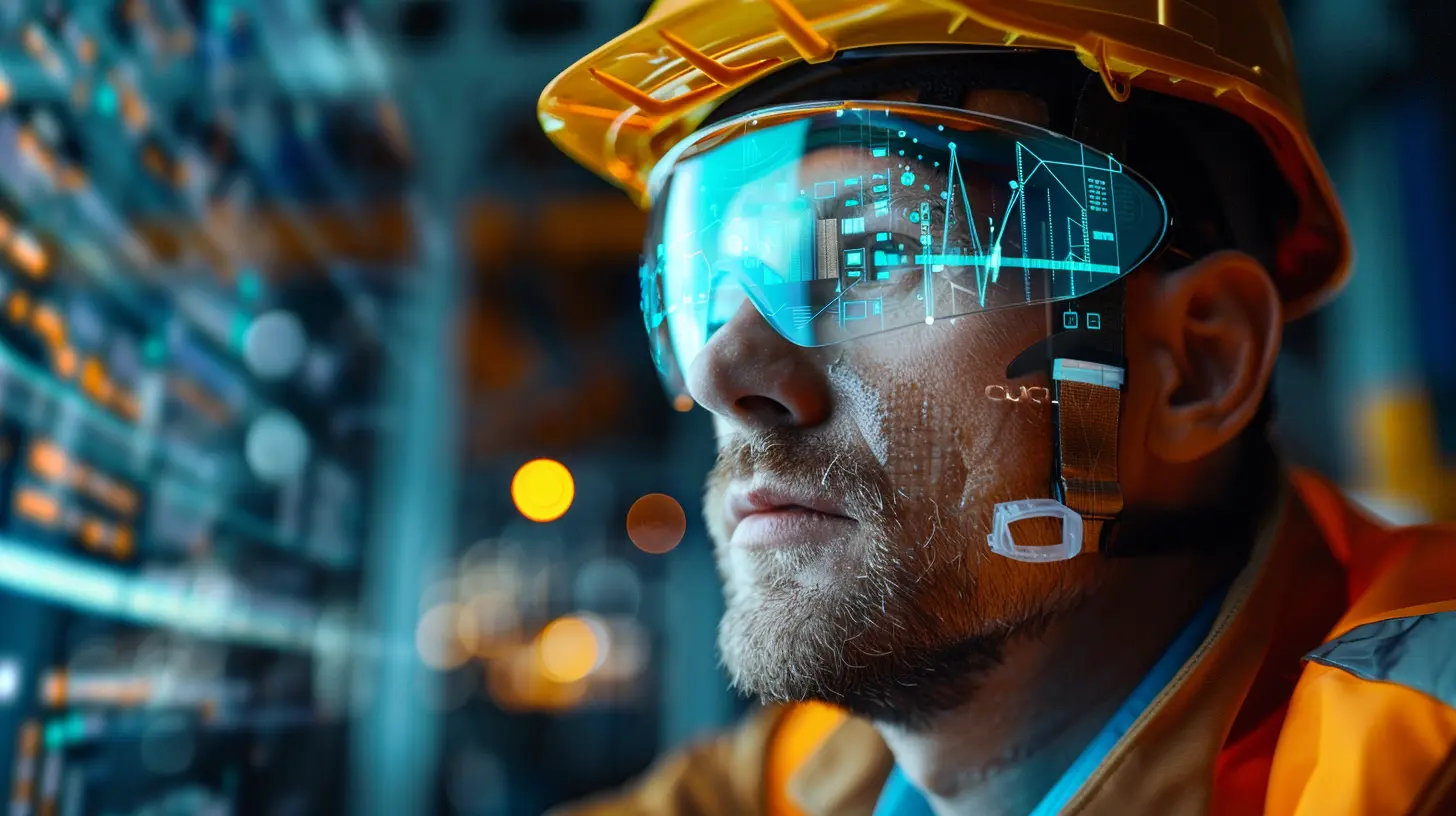
What Are AR Glasses, Anyway?
Before we swing our metaphorical hammers, let’s clear the air. AR stands for Augmented Reality, which is fancy speak for technology that layers digital info—like graphics, data, or holograms—right on top of the real world.Think Iron Man's helmet display. That’s AR on steroids.
Now, AR glasses? Well, they’re like your average spectacles but jacked up with tech steroids. These gadgets have built-in cameras, sensors, displays, and some even pack AI. You wear them and instantly see project blueprints floating in midair or warnings about that loose beam overhead. No more juggling clipboards and tablets. Everything’s right there—in your face (literally).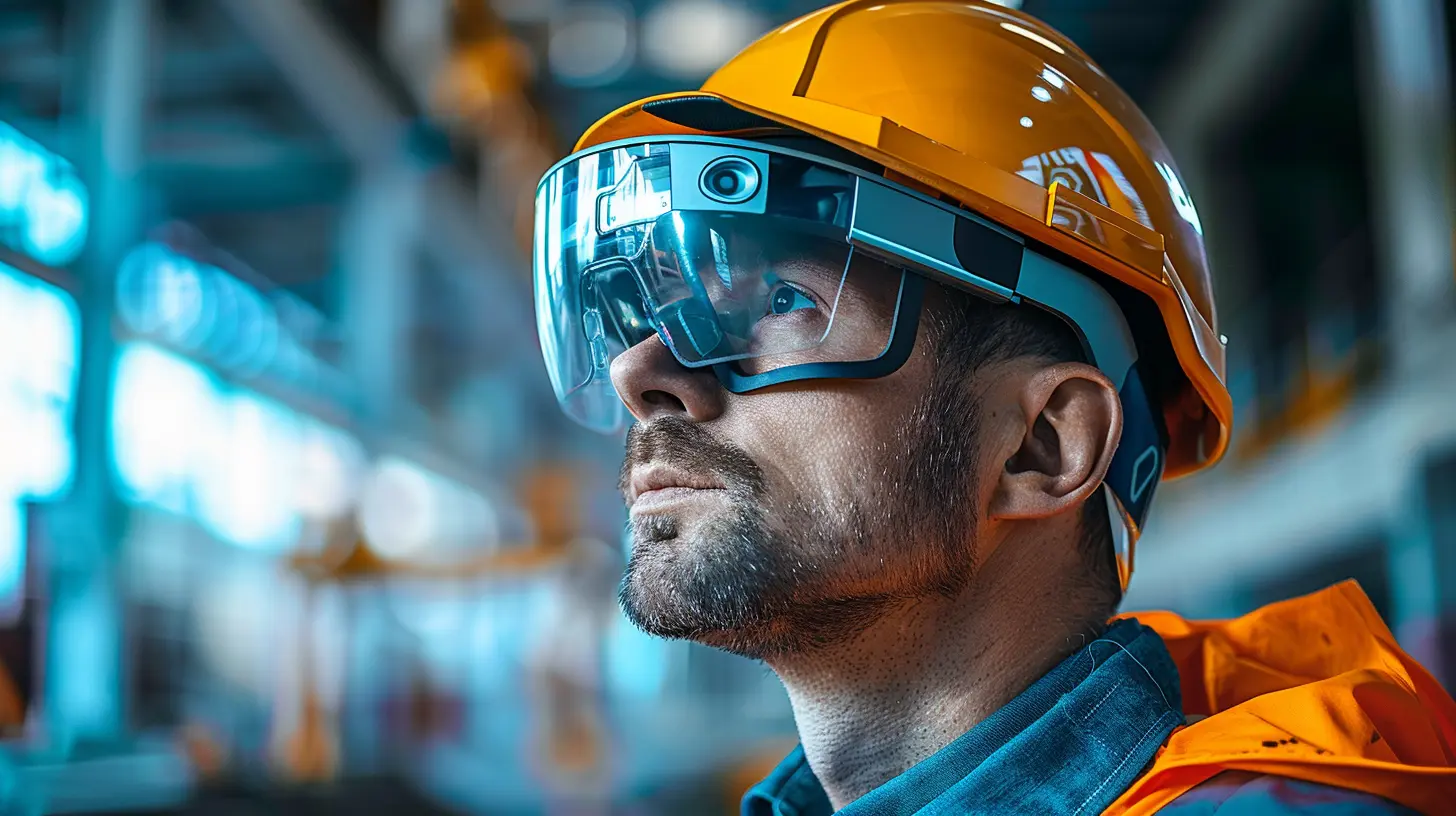
The Construction Industry's Growing Pains
Construction isn’t exactly known for being on the cutting edge of tech, right? Many sites still rely on pen-and-paper plans, mile-high piles of documents, and communication methods that scream 1998.And it’s not just inconvenient—it’s risky. Miscommunication, human errors, project delays, and even dangerous working conditions are all part of the job.
Here’s the kicker: the industry is facing labor shortages, higher project demands, and tighter deadlines. It’s like trying to build the Taj Mahal with a toothpick and a stopwatch.
That’s where AR glasses strut onto the scene.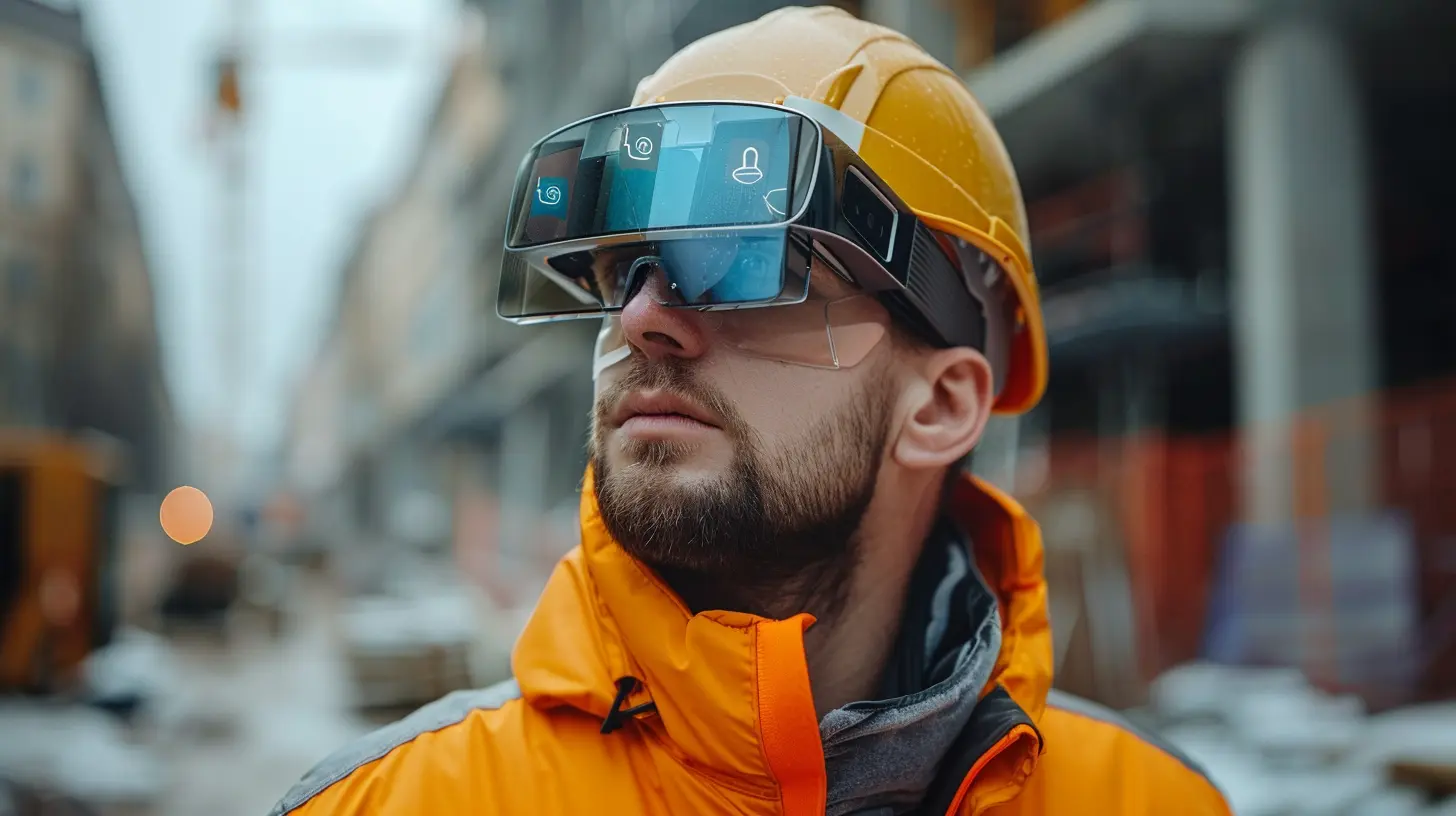
Enter AR Glasses: Your New Favorite Toolbelt Buddy
You might be wondering, “Okay, sure. AR glasses look cool. But how exactly do they help?” Buckle up, because it’s about to get wild.1. Hands-Free Blueprints? Yes, Please!
Forget flipping through PDFs on a tablet with dirty gloves. With AR glasses, workers can view digital blueprints directly in front of their eyes while keeping both hands free to measure, drill, or do whatever construction magic they’re up to.It’s like having a holographic architect whispering in your ear 24/7 (but without the weird whispers).
2. Real-Time Collaboration Across Time Zones
Ever tried explaining an issue over the phone using phrases like “That pipe thingy next to the rusty doohickey?” Yeah, not helpful.With AR glasses, workers can live-stream their point of view to off-site engineers or project managers. Remote experts can annotate the video live, offering step-by-step guidance as if they were right there, munching donuts on-site with you.
Suddenly, time zones become irrelevant. Expertise is only a lens away.
3. Overlays for Overkill Accuracy
Here’s where things get freakishly precise. AR glasses can project 3D models or measurements onto the actual construction environment, so workers can see exactly where a pipe should be installed or how a wall should be aligned—no guesswork, no squinting.It’s like superimposing Sims onto the real world, except it’s your job on the line, not your Sim’s virtual life.
4. Safety Warnings That Can Save Lives
Construction sites are basically real-life obstacle courses with a side of danger. AR glasses can warn workers in real-time about hazards like unstable scaffolding, high-voltage wires, or that grumpy co-worker with a short fuse.Imagine walking into a danger zone and a flashing red alert pops up in your view: “STOP - LIVE WIRE.” That’s next-level workplace safety.
5. Training Noobs Without Slowing Down Veterans
Got a rookie on-site who doesn’t know a stud from a screw? Instead of babysitting them, AR glasses can offer guided tutorials directly in their line of sight.Think of it like construction training wheels—but way cooler.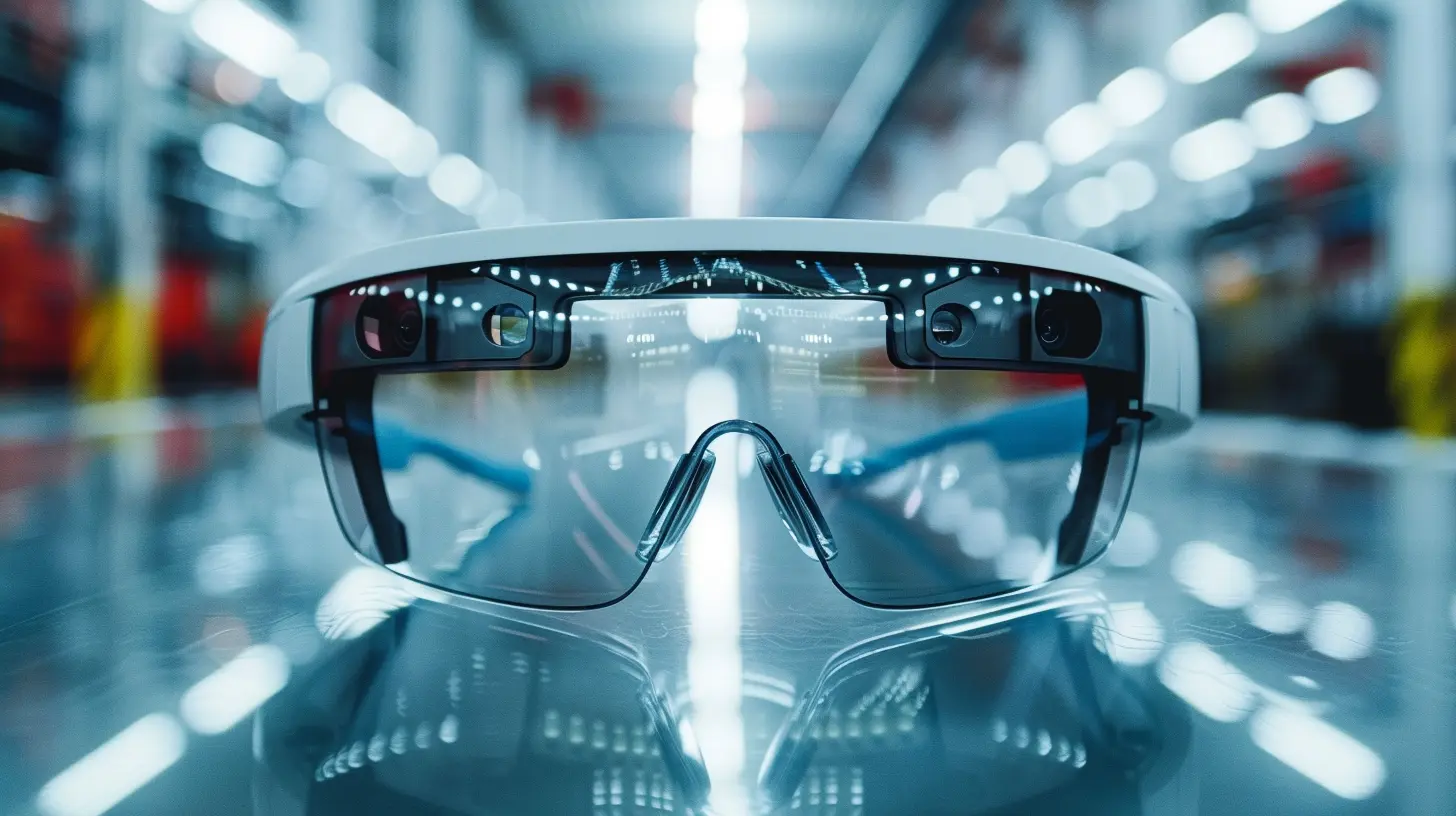
Real-World Examples: Not Just Hype
AR glasses in construction aren’t just vaporware or Silicon Valley fantasies. Companies like Trimble, DAQRI, and Microsoft (hello, HoloLens!) are already creating AR tools specifically for construction workflows.Trimble’s XR10, for example, is built for hard hats and integrates with BIM (Building Information Modeling) systems to help with real-time design validation. It’s like having a construction command center on your face.
The construction giant Gehry Technologies has used AR to visualize complex blueprints, catching errors before they cause six-figure mistakes. That’s what we call ROI: Return on Innovation.
Why It’s More Than a Tech Toy
Let’s squash a myth: AR glasses aren't just shiny gadgets to impress your tech-savvy cousin. They actually save money, time, and sanity.- Fewer reworks because of misread instructions
- Faster decision-making with real-time collaboration
- Improved productivity (because AR doesn’t take coffee breaks)
- Safer sites = fewer lawsuits (cha-ching!)
Construction projects are notorious for delays, but AR helps keep the timeline on track and the budget from blowing up like dynamite.
Challenges? Oh, You Betcha!
Okay, we’re not gonna sugarcoat it.Bringing AR glasses to construction sites isn’t a walk in the digital park. There are hurdles—big ones.
1. Durability Issues
Construction sites are rough. We’re talking dirt, dust, rain, and the occasional flying wrench. Many AR glasses weren't built with that in mind. Until they’re ruggedized for battle, they might break faster than a rookie’s spirit on Day One.2. Battery Life That Just… Dies
Imagine your AR glasses powering down just as you’re aligning a crucial beam. Not cool. Longer battery life is a must if these devices are going to survive a full shift.3. Learning Curves and Resistance
Some folks on-site might resist wearing high-tech glasses that feel like something out of Star Trek. Older workers especially may need training to adapt to this new way of working.Change is hard, especially when it involves your face.
4. Price Tag Heartburn
Even entry-level AR glasses can set you back thousands of bucks. For smaller firms, that’s a big ask. But hey, remember when smartphones were considered luxury items?As adoption grows, we’ll likely see prices drop faster than a pancake off a hot spatula.
The Future? It’s Looking Bright… and Slightly Sci-Fi
Fast-forward five years. AR glasses are standard issue on sites. Workers navigate construction like a video game. No more massive paper plans. No more guesswork. Just streamlined, tech-powered workflows with less room for error and more room for creativity.Oh, and drones flying overhead syncing with AR glasses? That’s not just cool—it’s coming.
We’re talking about a full-on tech renaissance in hard hats and steel-toed boots.
So, What’s the Verdict?
AR glasses in construction might have started as a novelty, but they’re quickly becoming a necessity. They bridge the gap between the digital and physical worlds faster than you can say “Where’s the blueprint?"From improving safety and slashing costs to giving rookies the guidance they need without slowing the pros down, AR glasses have the potential to totally transform how we build things—one lens at a time.
So the next time you walk past a job site, don’t be surprised if the crew is rocking some high-tech shades. They’re not goofing off—they’re likely building the future, literally.
all images in this post were generated using AI tools
Category:
Ar GlassesAuthor:

Gabriel Sullivan
Discussion
rate this article
2 comments
Zailyn Fisher
Great article! The potential of AR glasses in the construction industry is truly exciting. It's inspiring to see how technology can enhance safety, efficiency, and collaboration on job sites. Looking forward to seeing how this evolves in the coming years!
March 10, 2026 at 3:58 AM
Gabriel Sullivan
Thank you for your thoughtful comment! I share your excitement about the potential of AR glasses in transforming the construction industry. Stay tuned for more developments!
John Alexander
This article highlights the transformative potential of AR glasses in construction, and it’s exciting to see how technology can enhance productivity and safety. As with any innovation, it’s crucial to consider the human impact and ensure that workers are supported through this transition. Looking forward to seeing these advancements unfold!
February 5, 2026 at 4:07 AM
Gabriel Sullivan
Thank you for your insightful comment! I completely agree that while AR glasses can revolutionize construction, supporting workers during this transition is essential. Excited for what’s ahead!