How AR is Empowering the Food and Beverage Industry
30 March 2026
Augmented Reality (AR) has been making big waves across various industries, and the food and beverage sector is no exception. From interactive menus to immersive brand experiences, AR is transforming how businesses engage with customers, improve efficiency, and boost overall sales. But how exactly is AR reshaping the food and beverage industry? Let’s dive in!
Understanding Augmented Reality in the Food and Beverage Industry
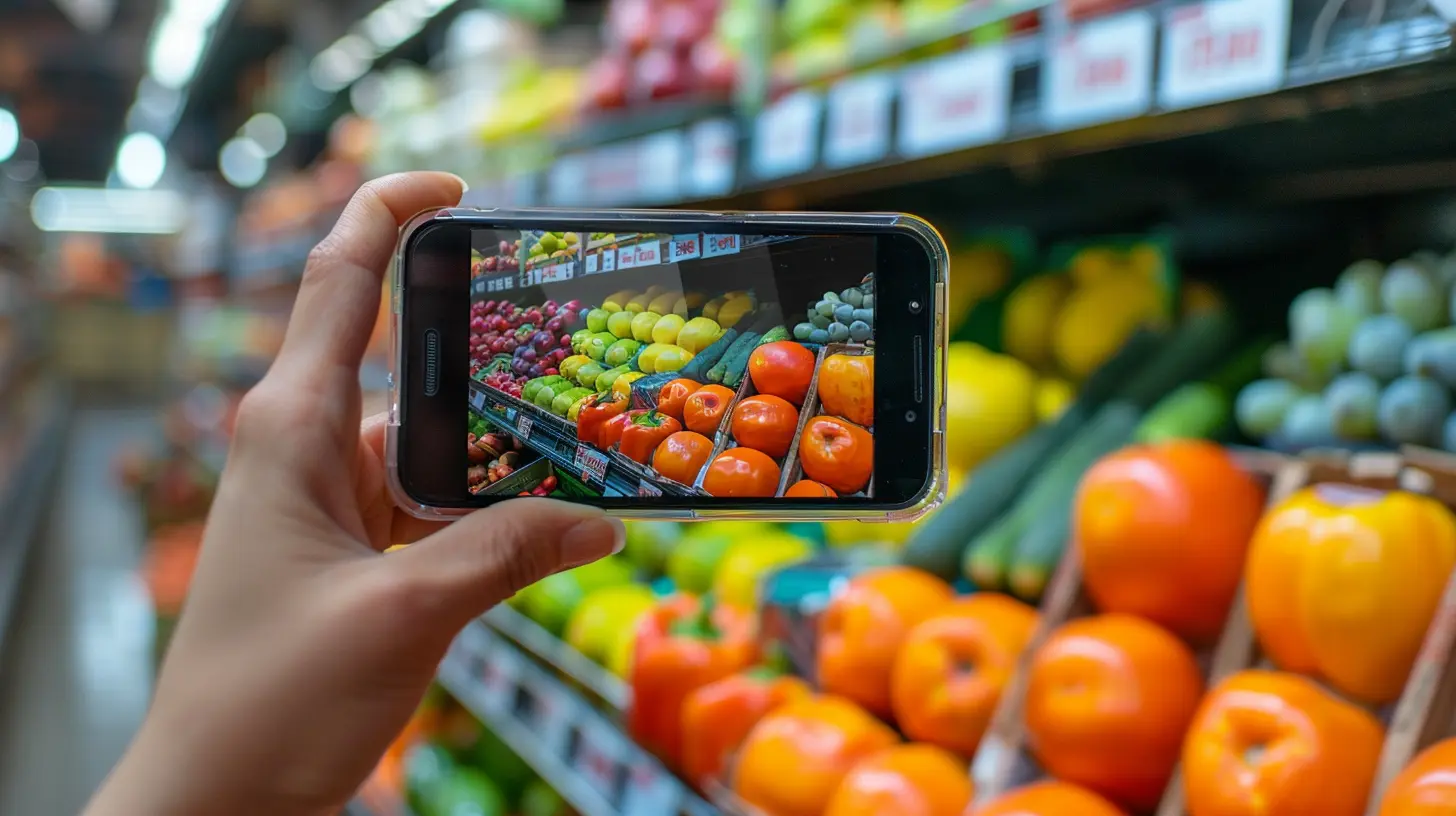
AR overlays digital elements onto the real world using a smartphone, tablet, or AR glasses. Unlike Virtual Reality (VR), AR doesn’t require a completely immersive headset, making it more accessible for both businesses and consumers. This technology is helping restaurants, food brands, and beverage companies enhance customer experiences, streamline operations, and improve marketing strategies.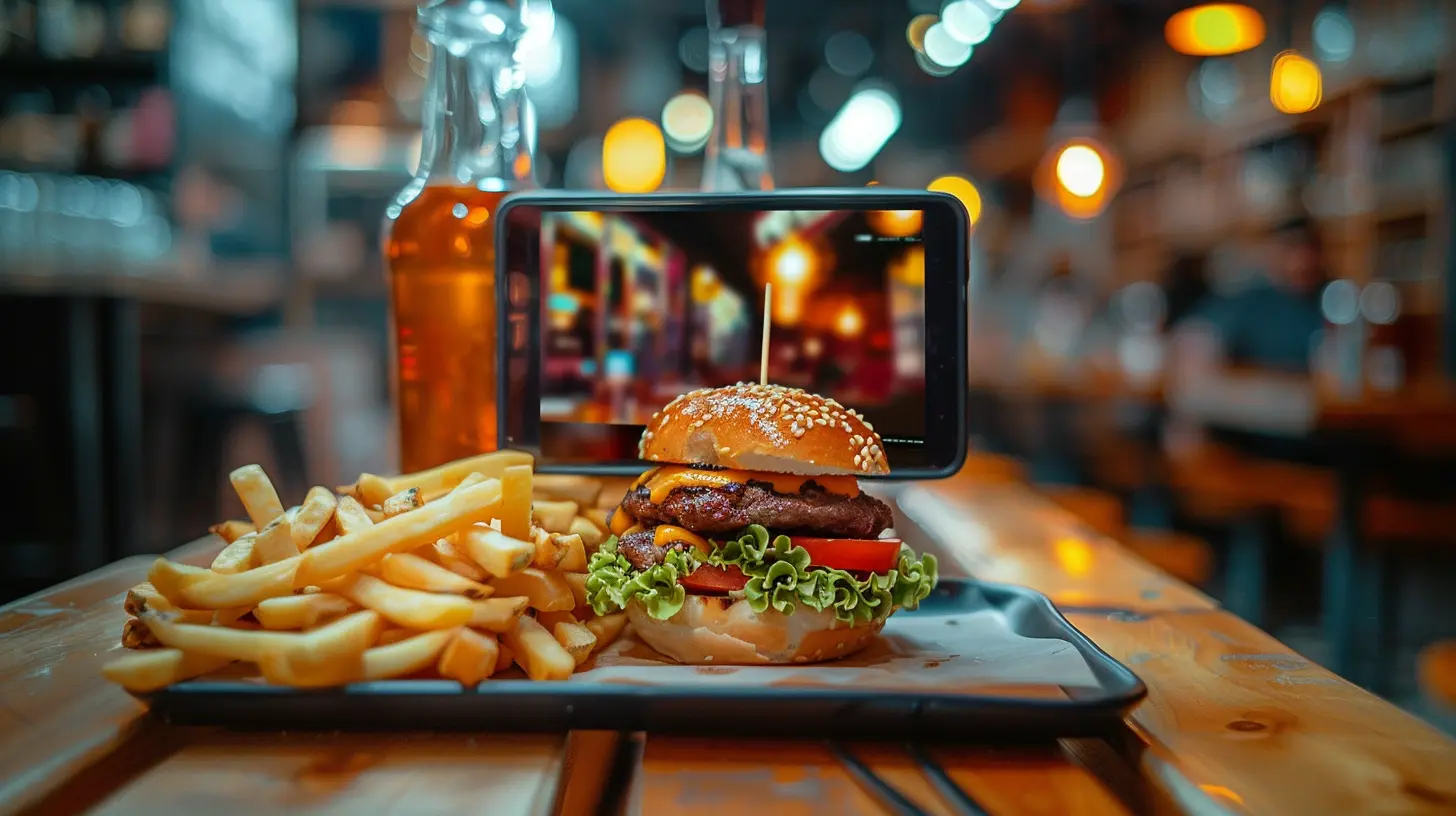
How AR is Transforming the Dining Experience
1. Interactive AR Menus
Gone are the days of static paper menus. Restaurants are now using AR-powered menus to create an engaging and informative ordering process. Imagine scanning a QR code and seeing a 3D representation of your dish right on your phone — you get to see the plating, portion size, and even animated ingredients coming together.2. Personalized Recommendations
AR-driven menus aren’t just about visuals. Many restaurants integrate AI with AR to offer personalized food recommendations based on past orders, dietary preferences, or allergies. Think of it like having a virtual waiter who knows exactly what you’d love to eat!3. Gamified Dining Experiences
Restaurants are using AR to make dining more fun, especially for younger customers. Interactive game experiences, like virtual treasure hunts on dining tables or AR characters that engage with your meal, create a memorable experience. Who wouldn’t love a little entertainment while waiting for their food?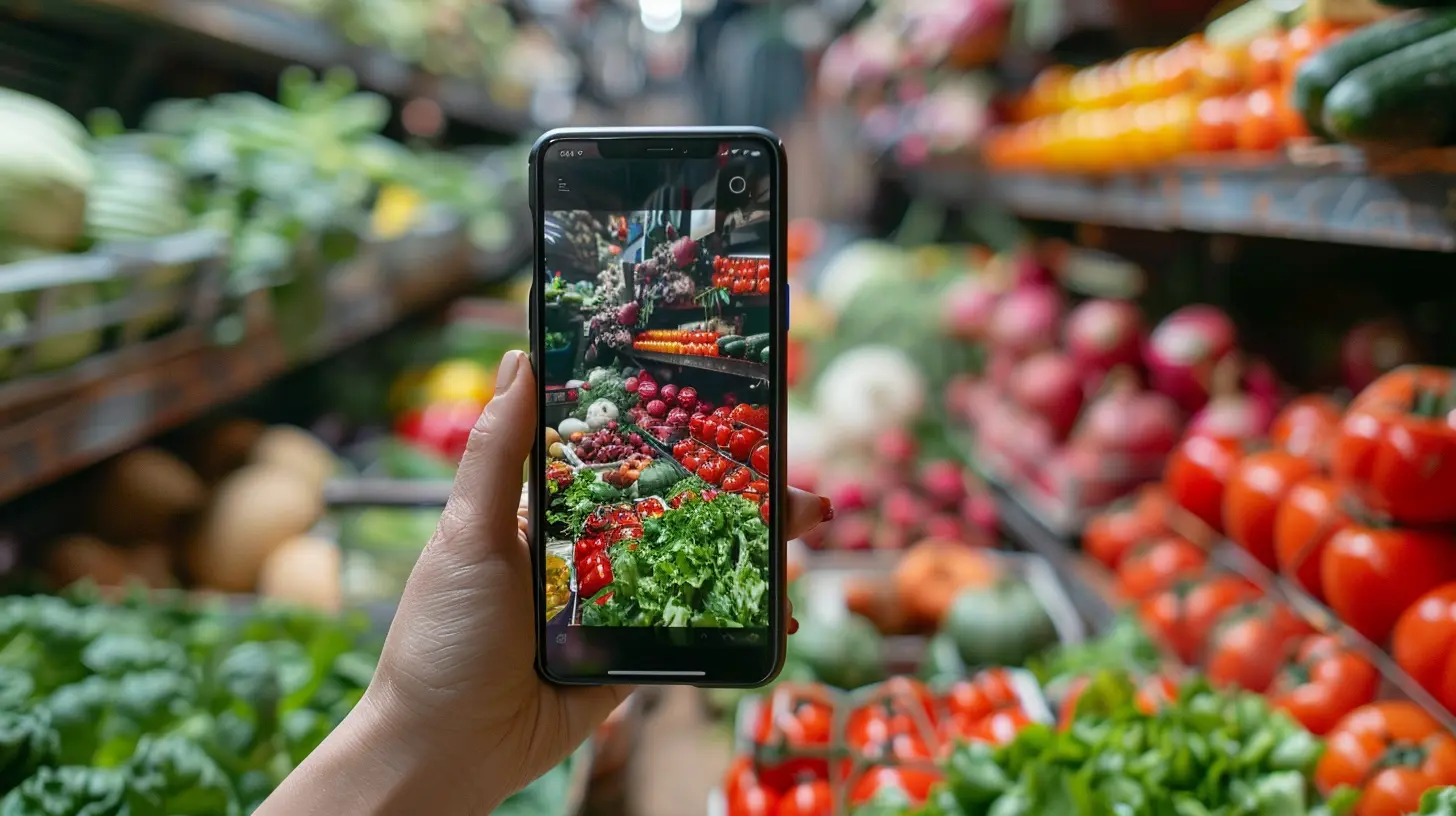
Revolutionizing Food and Beverage Marketing with AR
4. Immersive Product Packaging
Food brands are using AR-enabled packaging to give customers more than just nutrition facts. By scanning the package, customers can:- Watch behind-the-scenes videos of how the product is made
- Unlock exclusive recipes using the ingredients inside
- Play branded AR mini-games that enhance customer engagement
This feature makes marketing more interactive and builds brand loyalty in a way that static packaging never could.
5. Try Before You Buy: Virtual Beverage Sampling
Ever wondered what a drink would taste like before buying it? AR allows beverage companies to simulate the tasting experience. By scanning a product label with their phone, customers can get a breakdown of flavor profiles, food pairing suggestions, and even see virtual bubbles rising in a glass — a perfect way to entice buyers.6. Augmented Advertisements and Social Media Filters
Brands are creating AR-powered social media filters that allow users to interact with their products in a fun way. Think of Coca-Cola’s AR filter that lets users place a virtual bottle on their table while animated polar bears dance around it. These immersive experiences make brand marketing more exciting and shareable.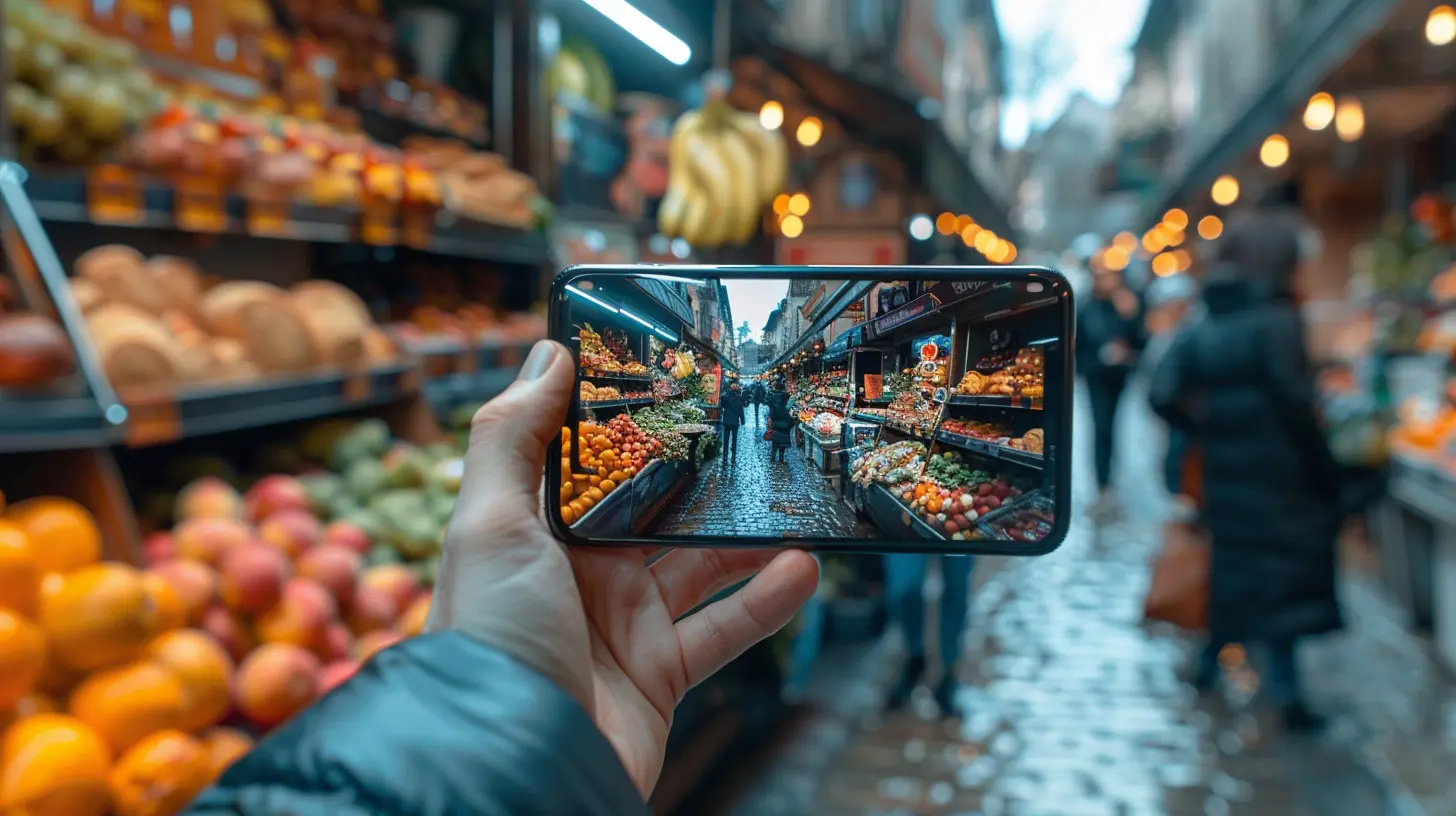
Enhancing Operational Efficiency with AR
7. AR for Employee Training
Training new employees in a fast-paced food business can be challenging. AR-based training programs allow staff to learn kitchen processes, safety protocols, and customer service techniques interactively. Instead of reading long manuals, employees can use AR glasses or apps to get step-by-step, hands-on training in real time.8. Smart AR-assisted Inventory Management
Food waste is a huge concern for restaurants and cafes. With AR-powered inventory tracking, businesses can visualize real-time stock levels, track expiration dates, and receive automated restock alerts. Imagine an AR dashboard showing exactly which ingredients are running low and what needs to be used first based on freshness.9. AR for Equipment Maintenance and Troubleshooting
Kitchen appliances aren’t cheap, and breakdowns can be costly. AR-based troubleshooting apps help restaurant staff diagnose equipment issues quickly by overlaying step-by-step repair instructions onto the machine itself. This reduces downtime and the need for expensive technician visits.AR and the Future of Food Experiences
10. Virtual Restaurants & Ghost Kitchens
As food delivery services skyrocket, many restaurants are going virtual. AR is helping restaurants create digital storefronts where customers can explore 3D menus, watch chefs prepare food, and even see a mock-up of their meal before ordering. This adds a layer of engagement that traditional online ordering lacks.11. AR-Powered Food Education
Ever wondered where your food comes from? AR is being used to educate consumers about sourcing, sustainability, and nutritional value. By scanning a food item, customers can access interactive content about its origin, farming methods, and environmental impact. This promotes transparency and encourages eco-conscious dining choices.Challenges of Implementing AR in the Food and Beverage Industry
While AR is packed with benefits, it’s not without challenges:- Cost of Implementation: Developing AR apps and experiences requires investment in technology and development.
- Customer Adoption: Not everyone is tech-savvy, and some people might hesitate to use AR features.
- Device Compatibility: AR features are dependent on smartphones, tablets, or AR glasses, which might not always be accessible to all customers.
However, as AR technology becomes more affordable and user-friendly, these challenges are likely to diminish over time.
Final Thoughts
Augmented Reality is proving to be a game changer in the food and beverage industry. Whether it’s enhancing customer experiences, boosting marketing strategies, or improving operational efficiency, AR is adding an exciting twist to the way we interact with food. As this technology continues to advance, we can expect even more innovative applications that will make dining and food consumption more engaging than ever.So, the next time you pick up a menu or scan a product label, keep an eye out—you might just be stepping into the future of food!
all images in this post were generated using AI tools
Category:
Augmented RealityAuthor:

Gabriel Sullivan
Discussion
rate this article
2 comments
Kova Reyes
Forget food critics! With AR, now your burger can give you a 5-star review. Just don’t ask the salad for its opinion—it’s still trying to figure out how to dress!" 🍔✨
April 18, 2026 at 5:25 AM
Gabriel Sullivan
Great point! AR is truly transforming the dining experience, making food more interactive and engaging than ever. Who knew burgers could be such critics?" 🍔✨
Zayla Franklin
This article brilliantly illustrates how augmented reality is transforming the food and beverage industry. By enhancing customer engagement and streamlining operations, AR not only enriches the dining experience but also drives innovation in product marketing. Exciting times ahead!
April 3, 2026 at 4:15 AM
Gabriel Sullivan
Thank you for your thoughts! I'm glad you found the article insightful. AR really is reshaping the food and beverage landscape in amazing ways. Exciting times indeed!