How Portable Tech is Transforming the World of Communication
4 March 2026
Technology has come a long way, but one of its most dramatic impacts has been on communication. From clunky landlines to sleek smartphones, the way we connect with each other has undergone a massive shift. And today, portable tech is taking this transformation to a whole new level.
Think about it—how often do you check your smartphone, smartwatch, or even your wireless earbuds? Probably more times than you'd like to admit! These devices have changed how we interact with each other, making communication faster, more convenient, and more immersive. Let’s dive into how portable tech is revolutionizing communication in ways we never imagined.

The Rise of Portable Tech
Back in the day, communication was pretty straightforward—phones were wired, emails needed desktops, and video calls felt like a sci-fi fantasy. But now, portable devices have made everything seamless. Smartphones, tablets, smartwatches, and even smart glasses have taken over, allowing us to stay connected on the go.Why Portable Tech Took Over
So, why did portable tech dominate communication? Simple: convenience. Nobody wants to be glued to a desk when they can take their conversations anywhere. With better battery life, faster internet speeds, and cloud-based storage, our devices have become powerful enough to handle complex communication needs without being physically tied to one location.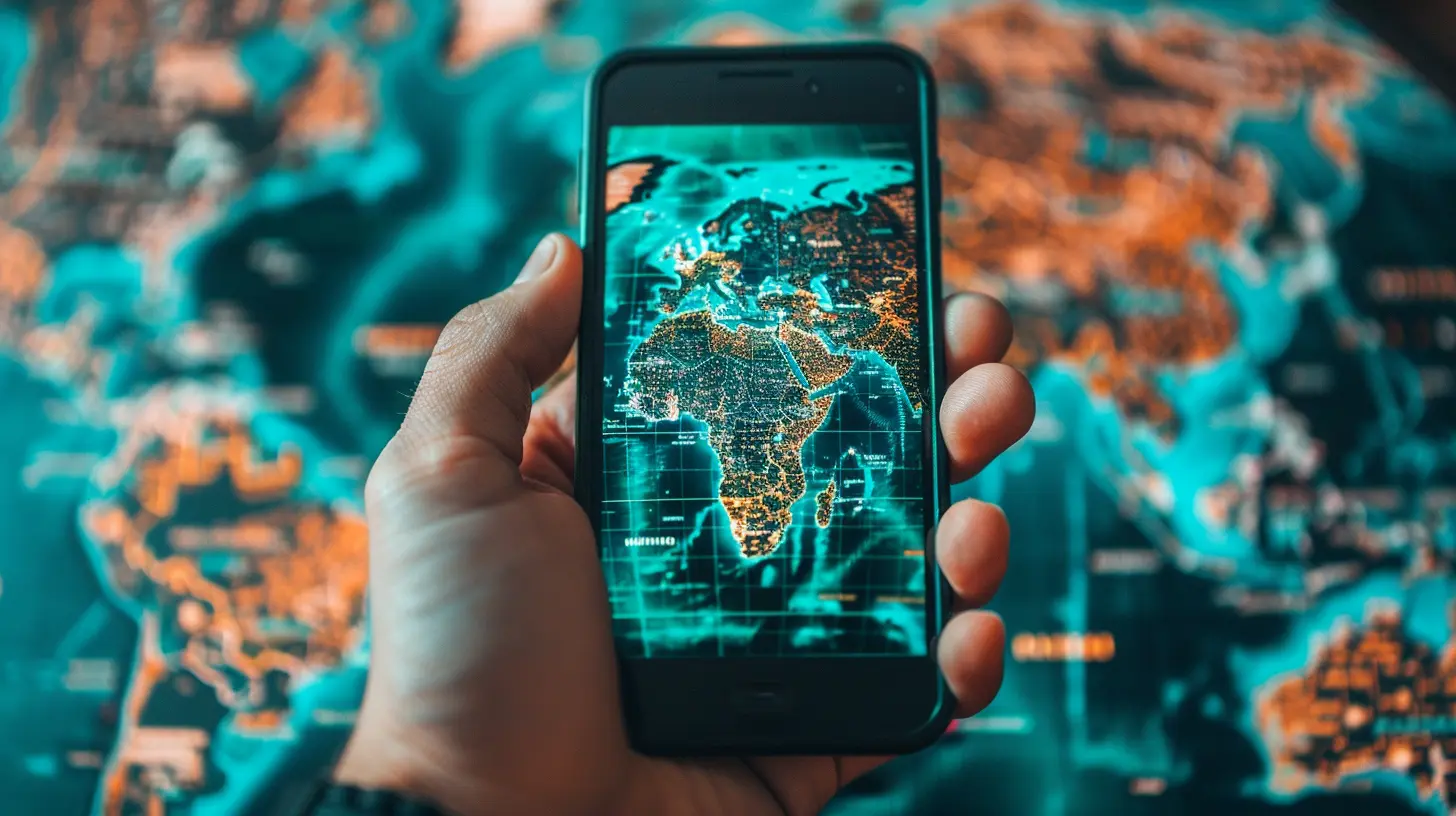
Smartphones: The Heart of Modern Communication
Let’s be honest—our smartphones are practically extensions of our hands. They are the ultimate communication tool, replacing everything from landlines to fax machines. Whether it’s texting, calling, video chatting, or even voice commands, smartphones have changed the game.Instant Communication
Gone are the days of waiting hours (or even days) for a response. With messaging apps like WhatsApp, Telegram, and Messenger, conversations happen in real-time. You can send a message and get a reply in seconds—whether the person is next door or across the globe.Video Calls: Face-to-Face from Anywhere
Video calls used to be clunky and unreliable, but now, they're crystal clear and just a tap away. Thanks to FaceTime, Zoom, and Google Meet, long-distance relationships (personal and professional) feel a lot less distant. Whether it's a work meeting or a quick call to your family, smartphones let you connect face-to-face anytime, anywhere.Social Media and Instant Sharing
Think about how much time we spend on social media. Platforms like Instagram, TikTok, and Twitter aren’t just for entertainment—they’re communication hubs. Whether you’re posting updates, going live, or sending direct messages, social media has redefined how we engage with the world.
Smartwatches: The Next-Level Convenience
If smartphones made communication faster, smartwatches made it effortless. You don’t even need to pull out your phone to stay connected. A quick glance at your wrist gives you notifications, calls, and voice messages.Hands-Free Communication
With features like voice assistants (Siri, Google Assistant, Alexa), smartwatches allow you to send texts, make calls, or even check emails—all without touching your phone. It’s like having a personal assistant strapped to your wrist!Staying Connected While Staying Active
Whether you’re running, biking, or at the gym, smartwatches keep you in the loop without interrupting your workout. You can answer calls, reply to messages, or even send an SOS in emergencies—all without stopping what you’re doing.
Wireless Earbuds: Communication Without Boundaries
Remember when wired earphones would get tangled no matter how carefully you put them away? Thankfully, wireless earbuds have eliminated that hassle while making communication even more seamless.Crystal-Clear Calls on the Go
Wireless earbuds like AirPods, Galaxy Buds, and Bose QuietComfort provide top-notch sound quality, making phone calls clearer than ever. Noise-canceling technology ensures that even in a noisy environment, you can talk without shouting.Voice Assistants and Hands-Free Messaging
Paired with smartphones and smartwatches, wireless earbuds let you send texts, take calls, or even schedule meetings with simple voice commands. This integration makes communicating easier—especially while driving or multitasking.The Role of AI and IoT in Portable Communication
Portable tech isn’t just about hardware—it’s about smart connectivity. AI (Artificial Intelligence) and IoT (Internet of Things) have played a huge role in enhancing communication.AI-Powered Chat Assistants
Ever had your phone suggest responses to messages? That’s AI in action. Chatbots, virtual assistants, and predictive text make conversations more efficient, reducing typing time and improving communication speed.Smart Home Integration
Imagine receiving a call on your smartwatch and answering it through your smart speaker. Portable tech seamlessly integrates with smart home devices, making interactions smoother. From smart doorbells that let you talk to visitors remotely to AI-translated conversations in real-time, IoT is reshaping communication at every level.
Portable Tech in Business Communication
It’s not just personal communication that’s benefiting—businesses are seeing a major shift, too. Remote work, virtual meetings, and cloud-based collaboration tools have made portable tech essential in the corporate world.The Virtual Office
With video conferencing apps and portable devices, geography is no longer a barrier. Remote teams can stay connected, and employees can work from anywhere with ease. Portable tech has made the "digital nomad" lifestyle more feasible than ever.Collaboration Made Easy
Cloud-based platforms like Google Drive, Slack, and Microsoft Teams allow people to share documents, chat, and work on projects in real-time, regardless of location. This has completely transformed teamwork and productivity.The Future of Portable Communication Tech
Looking ahead, the evolution of portable tech will only continue. We’re already seeing early versions of smart glasses, foldable smartphones, and even brain-computer interfaces. These innovations will push communication beyond what we currently know.5G and Faster Networks
With the expansion of 5G, portable devices will become even more powerful. Lightning-fast speeds will reduce lag in video calls, improve voice quality, and allow instant cloud access without delays.Augmented Reality (AR) in Communication
Imagine making a video call using AR glasses where holograms replace screens. This could be the future of portable communication, making interactions feel more lifelike than ever.AI-Powered Translation in Real-Time
In the near future, we might not even need language barriers—AI-driven translation will allow seamless communication between people speaking different languages in real-time.
Conclusion
Portable tech has transformed communication in ways we couldn’t have imagined just a few decades ago. Smartphones, smartwatches, wireless earbuds, and AI-driven tools have made staying connected effortless and instant. As technology continues to evolve, communication will only become more immersive, convenient, and boundary-free.What’s next? Only time will tell. But one thing’s for sure—portable tech isn’t just changing how we communicate. It’s shaping the future of human connection.
all images in this post were generated using AI tools
Category:
Portable TechAuthor:

Gabriel Sullivan
Discussion
rate this article
2 comments
Heather Reyes
Exciting insights! Portable tech truly reshapes how we connect!
April 1, 2026 at 2:54 AM
Gabriel Sullivan
Thanks for your thoughts! It's amazing to see how portable tech is changing our communication landscape.
Quill McDowney
This article insightfully highlights how portable tech enhances global communication, bridging distances and improving accessibility. It’s a fascinating glimpse into our rapidly evolving interconnected world.
March 6, 2026 at 1:55 PM