How Robotics Are Transforming Industries Beyond Manufacturing
18 November 2025
When we think of robots, what usually pops into our minds? Maybe a busy factory floor full of robotic arms assembling cars with mechanical precision. And you wouldn't be wrong — manufacturing is where robotics first made its mark. But here’s the twist: robotics has grown up. It's moved out of the factory and is now shaking things up in industries you’d never expect — from healthcare and agriculture to logistics, retail, and even education.
Crazy, right? Welcome to the robotic revolution 2.0 — a world where robots are not just tools but teammates. Let’s dive into how robotics is changing the game far beyond the manufacturing world.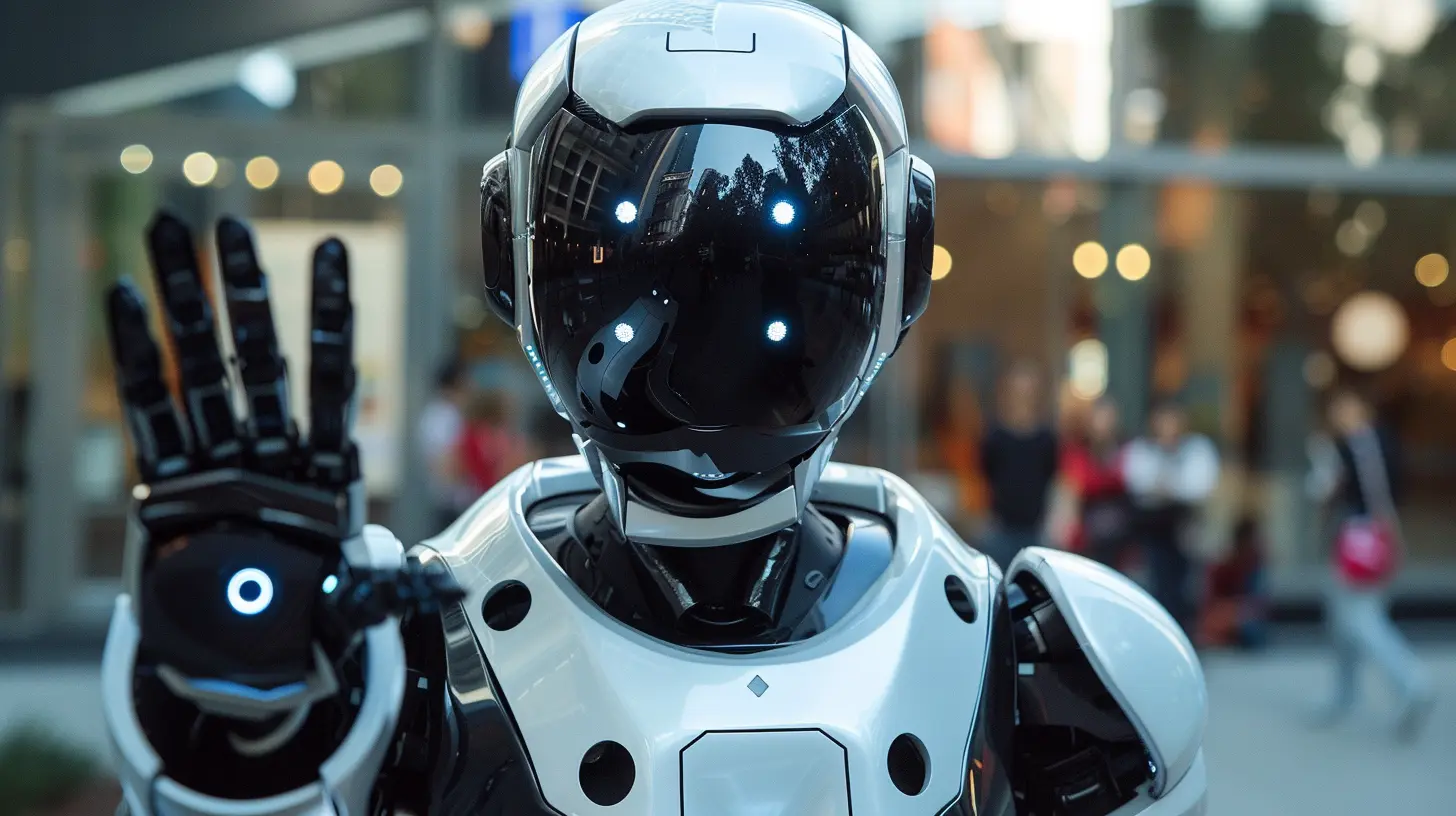
The New Age of Robotics: Not Just for Factories Anymore
Let’s face it, the term “robotics” used to sound intimidating or even a little sci-fi. But today, it’s more real (and friendly) than ever. We’re talking about machines that can help doctors in surgery, assist teachers in classrooms, pick strawberries with care, and even deliver packages to your doorstep.So, why is this happening now?
Thanks to advances in artificial intelligence (AI), machine learning, and sensors, robots have become smarter, more adaptable, and a lot more affordable. Combine that with the demand for efficiency and safety, especially after events like the pandemic, and you've got a perfect storm pushing robotics into every corner of our lives.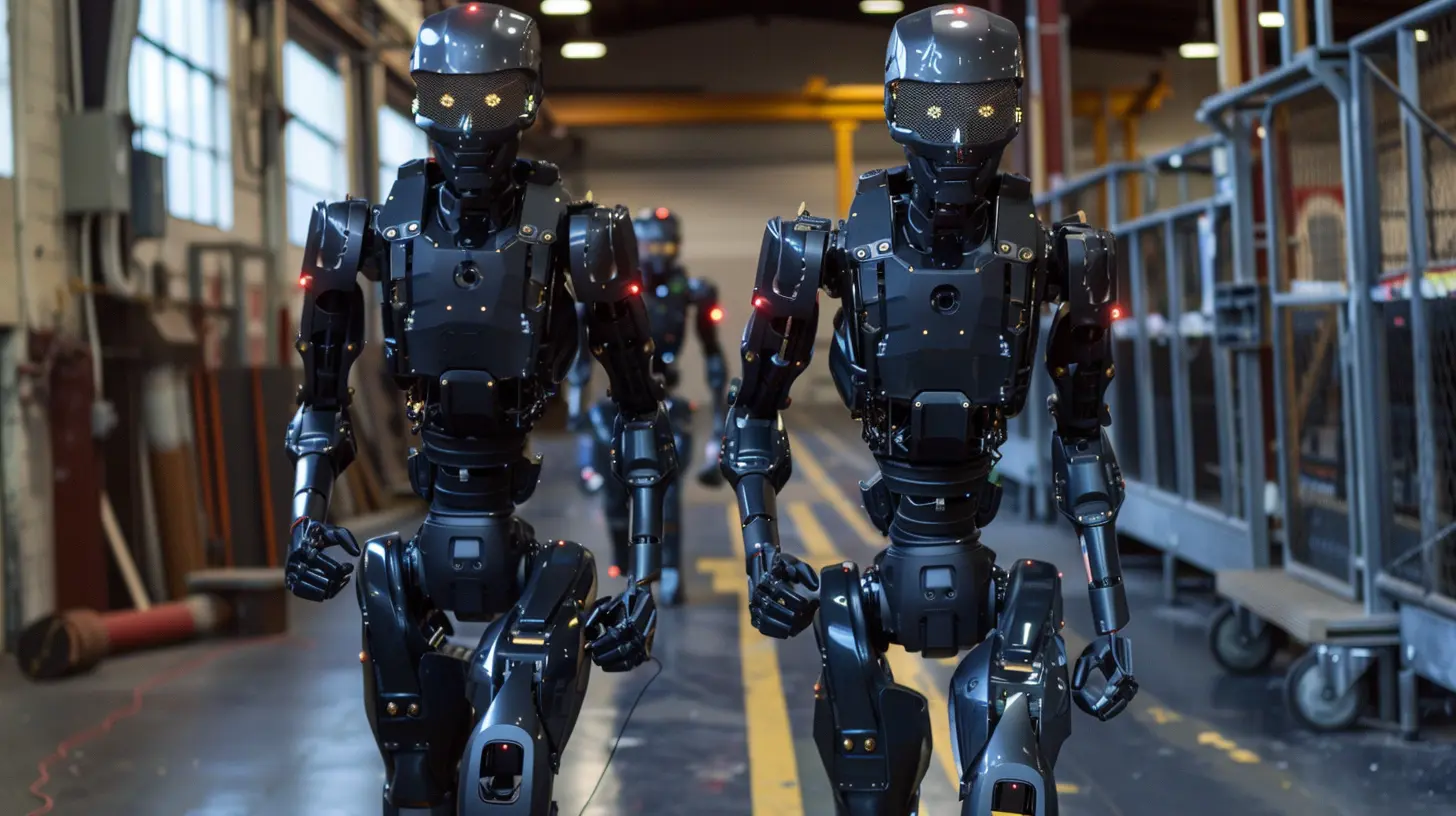
1. Healthcare: Robots That Heal and Help
Let’s start with a big one — healthcare. The integration of robotics in medicine is not only saving lives but also making healthcare more accessible and efficient.Surgical Robots
Ever heard of the da Vinci Surgical System? It's like something out of a sci-fi movie. Surgeons use it to perform super-precise surgeries. These robots don’t take over—they assist, offering better precision, smaller incisions, and quicker recoveries.Rehabilitation and Elderly Care
From exoskeletons that help patients walk again after spinal injuries to robotic companions that assist the elderly with daily tasks—it’s all happening in healthcare right now.Imagine a robot helping Grandma remember her meds or giving her a friendly chat when she feels lonely. That’s the power of compassionate robotics.
2. Agriculture: The New Age Farmhands
Yep, even our farms are getting a robotic upgrade. Agriculture may seem old-school, but with the global population skyrocketing, food production needs a boost — and robots are stepping in.Crop Monitoring and Precision Farming
Drones and ground-based robots are now surveying fields, checking soil health, spotting pests, and even planting seeds. We're talking agriculture on steroids — more productivity with less waste.Harvesting Robots
There are robots that can pick fruit with just the right amount of pressure (no squashed berries here). They work faster, longer, and with fewer breaks than human workers.And here’s the kicker: with labor shortages hitting farming hard, these bots might just be the farmhands of the future.
3. Logistics and Warehousing: Behind-the-Scenes Heroes
Think of the last time you ordered something online. It probably showed up in a day or two, right? Behind that seemingly magical delivery is a well-oiled machine powered increasingly by robotics.Automated Warehouses
Amazon, for instance, uses fleets of robots to move products around warehouses. These bots zip around like busy bees, reducing errors and speeding up the entire process.Delivery Robots
Companies like Starship Technologies are already testing delivery robots on college campuses. These little guys navigate sidewalks and bring you snacks or packages — with zero human help.It’s efficient, contactless, and super cool.
4. Retail: The Shopping Assistant You Didn’t Know You Needed
Retail is going high-tech too. With competition fierce and customer expectations sky-high, robotics is stepping in to enhance everything from store operations to customer experience.Inventory Management
Robots can now roam store aisles and track inventory in real-time. No more “Sorry, we’re out of stock” surprises!Customer Interaction
Retail robots like SoftBank’s Pepper can greet customers, answer questions, and even recommend products. It’s like having a super-chatty assistant with endless knowledge.5. Education: Teaching With a Tech Twist
Who would’ve thought we’d be talking about robots in classrooms? But here we are — and they’re not replacing teachers; they’re helping them.Robotic Tutors
Robots can work one-on-one with students, especially those with special education needs. They’re patient, consistent, and never tired.Engagement and Motivation
Kids are naturally drawn to technology. Robots can make learning more interactive and fun, transforming dull subjects into exciting adventures.It’s like adding a little pixie dust to the learning process.
6. Hospitality: Robots Rolling Out the Red Carpet
Picture this: you walk into a hotel, and a sleek little bot checks you in, guides you to your room, then delivers your luggage. Sounds futuristic? It’s already happening.Hotel Staff Robots
From reception to room service, robots are becoming part of the hospitality team. They don’t take sick days, and they’re available 24/7.Personalized Guest Experience
Robots equipped with AI can remember guest preferences, answer questions in multiple languages, and provide tailored recommendations. It’s customer service on a whole new level.7. Security and Surveillance: The Robotic Watchdogs
Security is serious business, and robotics is lending a high-tech hand here too.Patrolling Robots
Autonomous security robots like Knightscope’s K5 are patrolling malls, parking lots, and campuses. They’re equipped with cameras, sensors, and AI to detect suspicious activity.Disaster Response
Search-and-rescue robots help in areas too dangerous for humans — like collapsed buildings or burning forests. They go where we can’t, saving lives in the process.8. Entertainment: Lights, Camera, Robots!
Even Hollywood and theme parks are starting to bring robots into the spotlight.Robots as Performers
Whether it’s robot actors on stage or stunt doubles on movie sets, robotics is weaving its way into entertainment, adding a layer of wow factor.Theme Park Attractions
Animatronics and interactive robots are breathing life into rides and shows, making experiences more immersive and magical.What’s Fueling This Robotic Takeover?
You might wonder, why now? What’s making this robotic explosion possible?A few game-changing reasons:
- AI + Machine Learning: Robots are now learning as they work, adapting to situations like a human would.
- IoT Integration: With devices talking to each other, robots can receive and process real-time data from their surroundings.
- Miniaturized Sensors: Today’s robots are equipped with eyes, ears, and even a sense of touch — all thanks to advanced sensors.
- Cheaper Hardware: Lower production costs mean even small businesses can afford robotic help.
In a nutshell, technology has caught up with imagination.
The Human-Robot Synergy: Not a War, But a Partnership
Now, let’s address the elephant in the room — job loss. Will robots replace us?Here’s the truth: robots are tools, not threats. They’re reshaping jobs, not erasing them. For every task they take over, they open the doors to new professions — robotics engineers, AI ethicists, robot trainers (yes, it’s a thing), and so much more.
The real win? Humans and robots working side-by-side, each doing what they do best.
We’ve got empathy, creativity, and judgment. Robots have stamina, accuracy, and speed. Together? We’re unstoppable.
The Road Ahead: What's Next?
Robotics is just getting started. As tech evolves, we’ll see even more incredible use cases:- Space exploration bots mapping distant planets
- Underwater robots maintaining marine ecosystems
- Robotic chefs cooking gourmet meals with perfect precision…
The sky’s literally not the limit anymore.
Final Words: Embrace the Bots!
So, what should we take away from all this?Robots are no longer confined to the four walls of a factory. They’re helping heal, grow food, deliver happiness, and keep us safe. And the best part? This isn’t just for big corporations. From tiny startups to family farms, robotics is becoming more accessible every day.
The future of robotics isn’t about replacing humans—it’s about amplifying what we can do and unlocking possibilities we’ve only dreamed of.
So go ahead, shake hands with a robot. You might just be meeting your next coworker.
all images in this post were generated using AI tools
Category:
Tech NewsAuthor:

Gabriel Sullivan
Discussion
rate this article
2 comments
Zevran Carter
Great article! Robotics are indeed reshaping various sectors, driving efficiency and innovation beyond just manufacturing. Exciting times ahead!
December 2, 2025 at 4:59 AM
Gabriel Sullivan
Thank you! I'm glad you enjoyed the article. It's an exciting time for robotics across all sectors!
Stephen Carr
This article effectively highlights the expansive impact of robotics across various sectors beyond manufacturing. While the benefits, such as increased efficiency and safety, are well-articulated, it’s crucial to also consider the potential challenges, including job displacement and ethical concerns, to provide a more comprehensive view of this transformation.
November 29, 2025 at 5:39 AM
Gabriel Sullivan
Thank you for your insightful comment! I wholeheartedly agree that while the benefits of robotics are significant, addressing challenges like job displacement and ethical concerns is essential for a balanced perspective.