Tech Events That Are Redefining the Future of Communication
2 July 2026
In the fast-paced world of innovation, technology is constantly evolving, and with it, the way we communicate is transforming at breakneck speed. From virtual reality to 5G networks, new tech events are shaping the future of communication in ways that would have been unimaginable just a decade ago. Whether you're a tech enthusiast, a professional in the industry, or simply someone curious about where the world is heading, there’s no denying that communication technology is at the forefront of some of the most exciting advancements.
So, what are these tech events that are pushing boundaries and redefining the future of communication? Let’s dive into some of the most influential gatherings and technologies that are setting the stage for how we’ll be chatting, texting, and connecting in the years to come.

1. Mobile World Congress (MWC)
Let’s kick things off with the granddaddy of all tech events, Mobile World Congress (MWC). Held annually in Barcelona, this event is like the Super Bowl for mobile technology enthusiasts. Major tech players such as Samsung, Huawei, and Google often use this platform to unveil their newest gadgets, services, and technologies.But it's not just about mobile phones anymore. MWC has expanded its focus to include everything from 5G networks to artificial intelligence (AI) and the Internet of Things (IoT). These are not just buzzwords; they are the building blocks of the future of communication. Imagine a world where your devices are seamlessly connected, communicating with each other without any human input.
With the rollout of 5G, MWC has been the perfect stage to demonstrate just how fast and interconnected the world is becoming. The implications? Faster browsing, real-time communication, and the potential for a whole new wave of emerging technologies like self-driving cars or remote surgeries. It’s not just about speed—it’s about creating an entire ecosystem where communication is instantaneous and effortless.
Why It’s a Game-Changer
MWC serves as the hub for innovations that will shape communication for years to come. 5G alone is expected to revolutionize industries, from healthcare to entertainment, by facilitating more reliable, low-latency communication. And that's just scratching the surface.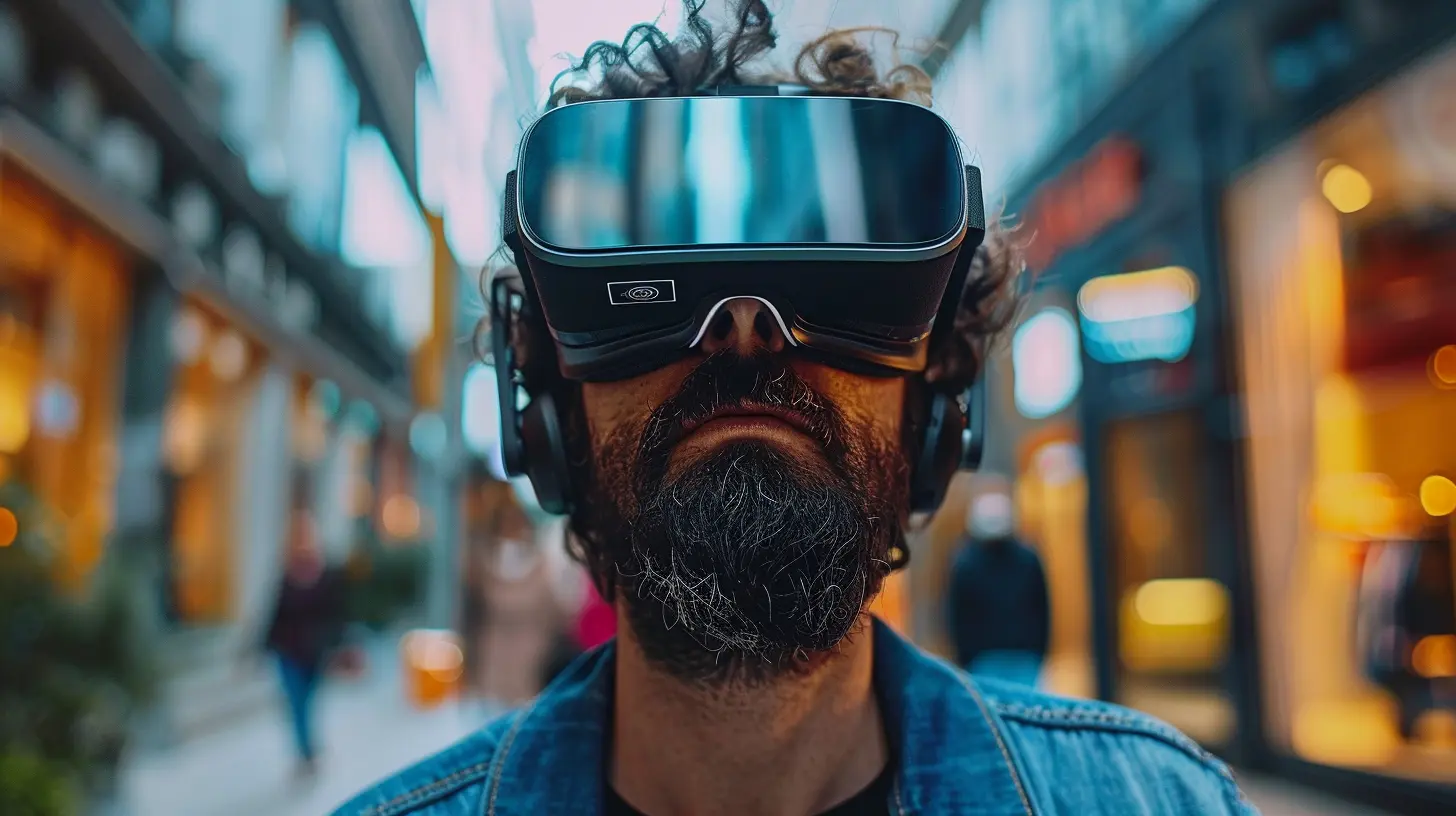
2. CES (Consumer Electronics Show)
If MWC is the Super Bowl, then CES (Consumer Electronics Show) is the Olympics. This annual event in Las Vegas showcases groundbreaking consumer technologies, and of course, communication tech always takes center stage. CES covers everything from smartphones and wearables to smart homes and AI-powered communication devices.So, what’s all the buzz about? Over the last few years, tech companies have been making leaps in voice-activated communication. Think Siri, Alexa, and Google Assistant—but way more advanced. We're talking about a future where voice commands transcend basic tasks like setting reminders or turning off the lights. Imagine a world where you can have almost human-like conversations with your devices, asking them to manage complex workflows, retrieve data, or even act as your personal assistant.
CES has also been a breeding ground for augmented reality (AR) and virtual reality (VR) technologies, both of which are poised to change how we communicate, especially in the realm of business and social interaction. Forget Zoom calls—how about having a business meeting in a fully immersive 3D space where you can shake hands with virtual avatars?
Why It’s a Game-Changer
The developments showcased at CES are not just about convenience; they’re about transforming the very nature of interaction. As devices become smarter, communication becomes more intuitive, personalized, and immersive. These advancements are setting the stage for a future where our digital and physical worlds merge, making communication smoother and more dynamic.
3. Web Summit
Now, if MWC and CES are hardware-heavy, then Web Summit is where the software and ideas get to shine. Held annually in Lisbon, this event is a melting pot of tech companies, startups, and thought leaders from around the globe. It’s a place where the brightest minds come together to discuss the future of the digital world, and communication always takes center stage.One of the key topics at Web Summit in recent years has been blockchain and its potential to transform digital communication. While blockchain is often associated with cryptocurrencies like Bitcoin, its real magic lies in its ability to create secure, decentralized networks. This could revolutionize communication by offering more privacy, security, and transparency.
In addition, Web Summit has been a hotbed for discussions around AI-driven communication tools. AI is no longer just a novelty—it’s integrated into everything from customer service chatbots to predictive texting. At Web Summit, companies have showcased how AI can be used to create more natural, human-like interactions between users and machines. The future of communication could very well lie in systems that understand context and sentiment, allowing for smoother, more meaningful interactions.
Why It’s a Game-Changer
Blockchain and AI are two of the most disruptive technologies in communication today. They promise to address privacy concerns, enhance security, and make communication more efficient. Web Summit is where these big ideas gain traction, leading to real-world applications that will redefine how we connect.
4. Apple’s Keynote Events
Oh, we can’t talk about tech events without mentioning Apple’s keynote events. Twice a year, Apple takes the stage to reveal its latest and greatest gadgets, and more often than not, these innovations have a significant impact on how we communicate.Take the launch of FaceTime or iMessage as examples. These weren’t just new products—they were game-changers in how we connect with one another. Apple’s commitment to improving communication through seamless integration across devices has led to features like cross-platform video calls, encrypted messaging, and even Memoji, which adds a playful, personalized touch to digital conversations.
In recent years, Apple has been focusing heavily on privacy, particularly with its new App Tracking Transparency feature. This is a big deal in the world of communication, where privacy concerns are growing. Apple’s stance on user data protection may well set the tone for future communication platforms, forcing other companies to follow suit or risk losing consumer trust.
Why It’s a Game-Changer
Apple’s influence on communication technology can’t be overstated. From hardware innovations like the iPhone to software updates that prioritize privacy, Apple consistently pushes the envelope. Their events are where we get a glimpse of the future, one keynote at a time.5. Google I/O
Next on the list is Google I/O, a developer-focused event that’s often packed with announcements that have a direct impact on communication technology. While the event primarily caters to developers, it’s also where Google reveals new advancements in areas like AI, natural language processing (NLP), and smart home communication.One exciting area that Google I/O often explores is real-time translation. Thanks to advancements in Google Translate, we’re getting closer to breaking down language barriers entirely. Imagine being able to have a conversation with someone on the other side of the world, in real-time, without having to learn a single word of their language. That’s the kind of future Google is building, and it’s nothing short of mind-blowing.
In addition to translation, Google has been working on making its devices and platforms more context-aware. This means that your phone or smart speaker can anticipate your needs, making communication more fluid and natural. Imagine asking your phone to send a message, and it already knows who to send it to based on your recent interactions. That’s the kind of seamless communication we can expect from Google’s innovations.
Why It’s a Game-Changer
Google I/O isn’t just about flashy new features—it’s about fundamentally changing how we interact with technology and each other. With advancements in real-time translation and context-aware systems, Google is making communication faster, easier, and more inclusive for people around the globe.
6. SXSW (South by Southwest)
While SXSW might not be a tech event in the traditional sense, it has earned its place on this list because of its focus on the intersection of technology, media, and culture. Held annually in Austin, Texas, SXSW is a breeding ground for innovative ideas, and communication technology often plays a starring role.One of the most exciting things about SXSW is how it explores the cultural impact of communication technologies. Whether it’s a panel discussing the future of social media or a demo of the latest AR-based communication tools, SXSW is all about how these technologies affect our daily lives.
In recent years, SXSW has been a hotbed for discussions around digital ethics and the role of communication platforms in shaping public discourse. As more of our interactions move online, issues like misinformation, data privacy, and digital well-being are becoming more pressing. SXSW is where these conversations are happening, and the ideas discussed here often influence the direction of future tech developments.
Why It’s a Game-Changer
SXSW isn’t just about technology—it’s about the human side of communication. It’s where tech meets culture, and the conversations that happen here help shape the future of how we connect, communicate, and interact with one another.Final Thoughts: The Future of Communication is Happening Now
The future of communication is being shaped right before our eyes, and these tech events are the stomping grounds for the innovations that will define how we connect in the coming years. From the rise of 5G to AI-driven communication tools, the landscape is shifting rapidly. If you think emojis and video calls are the height of communication technology, just wait. The future holds so much more.The exciting part? We’re just getting started.
all images in this post were generated using AI tools
Category:
Tech ConferencesAuthor:

Gabriel Sullivan
Discussion
rate this article
1 comments
Maddison McTigue
These tech events are not just showcases; they are catalysts for innovation and connection. Embrace the change as we explore new frontiers in communication, shaping a more connected and dynamic world for everyone. The future is bright!
July 4, 2026 at 4:46 AM
Gabriel Sullivan
Absolutely, these events are pivotal in driving innovation and fostering connections. Exciting times ahead as we reshape communication together!