The Future of Warehouse Automation in 2026
5 May 2026
You know that feeling when you watch a time-lapse video of a flower blooming? One second it's a tight little bud, and then, in a blur of motion, it explodes into color. That's exactly what's happening inside warehouses right now. But we're not watching petals unfurl. We're watching robots learn to dance.
If you've been paying attention to the supply chain world over the last few years, you've probably seen the headlines: robots taking over, jobs disappearing, and a cold, metallic future. But here's the thing-that story is old. The real future of warehouse automation in 2026 isn't about replacing humans with machines. It's about something far more interesting. It's about building a kind of mechanical ecosystem that thinks, adapts, and breathes alongside us.
Let's pull back the curtain and take a real look at what's coming. Not the hype. Not the doom. Just the honest, messy, beautiful truth about how we'll move stuff around in two years.
The Death of the Single-Purpose Robot
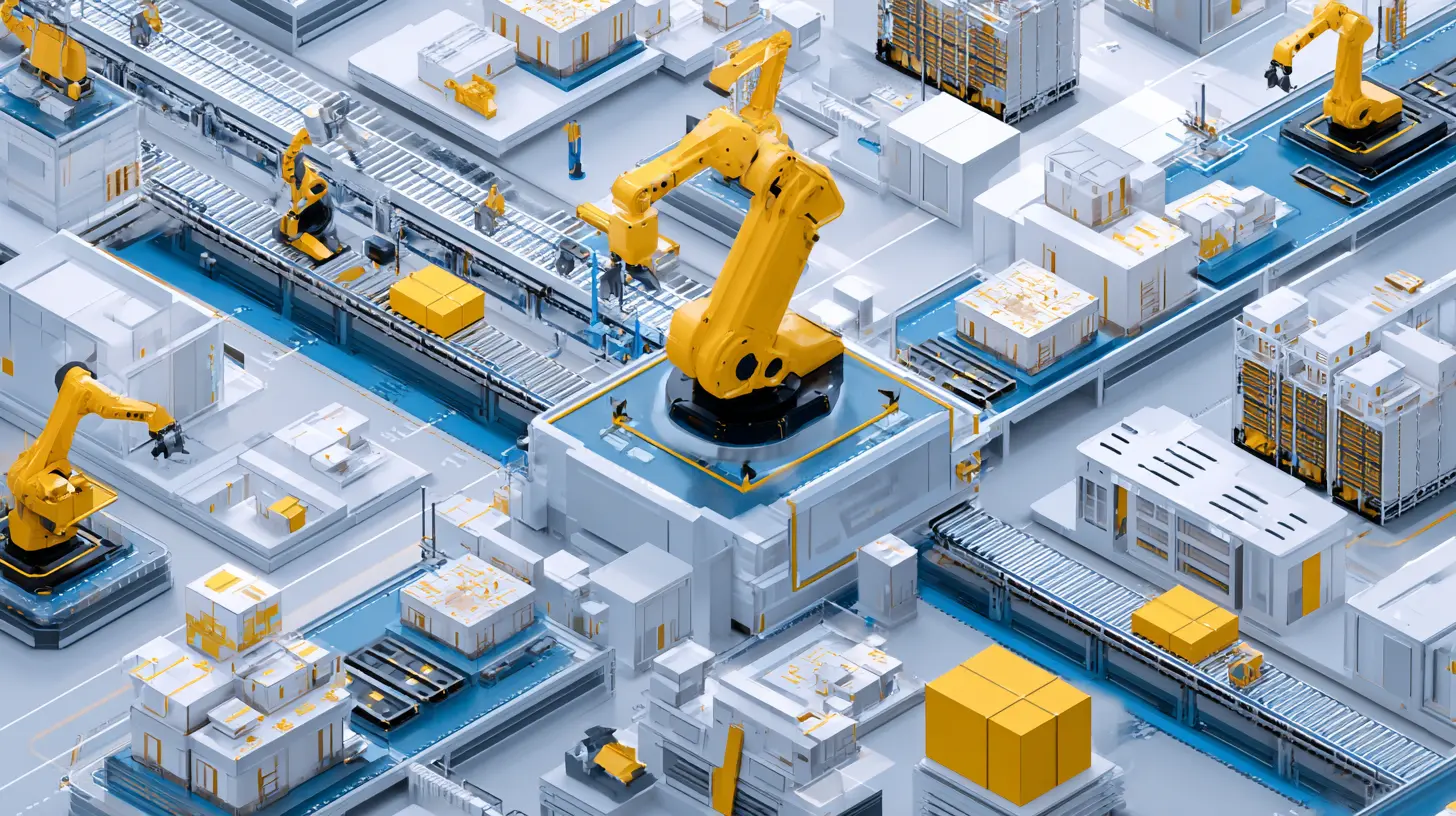
Think back to the early days of automation. You had these massive, industrial arms bolted to the floor, doing the same repetitive task for ten years straight. They were strong, sure. But they were also dumb. They had no idea what was happening around them. If you moved a box three inches to the left, the robot would either crush it or miss it entirely.In 2026, that dinosaur is going extinct.
We're moving into an era of flexible, mobile, and intelligent machines. I'm talking about autonomous mobile robots, or AMRs, that don't need magnetic tape on the floor to know where they're going. They use LiDAR, computer vision, and a bit of onboard artificial intelligence to navigate a chaotic warehouse floor like a human walking through a crowded market. They don't stop if a pallet is out of place. They just reroute.
And here's the kicker: these robots are getting cheaper. The cost of sensors has dropped like a rock. A decent AMR that would have cost you a small fortune three years ago is now within reach for mid-sized operations. This is the democratization of automation. Small businesses are starting to look at robots not as a luxury, but as a standard tool-like a forklift or a barcode scanner.
The Rise of the "Swarm"
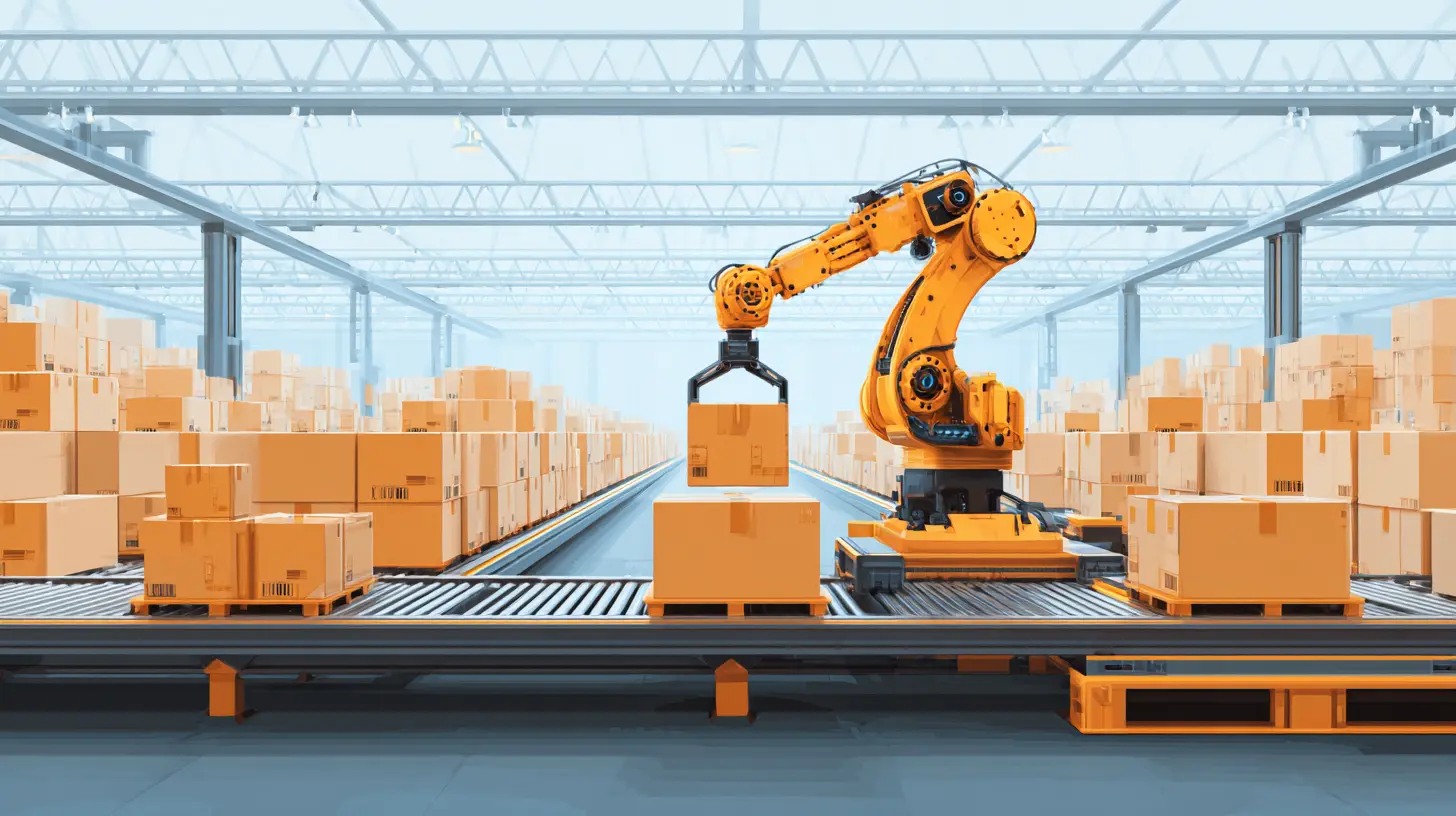
But a single robot is just a cool toy. A hundred robots working together? That's a revolution.Picture a colony of ants. No single ant knows the full plan. They just follow simple rules: find food, bring it back, avoid obstacles. But together, they build massive, complex structures. That's the swarm logic we're seeing in 2026.
Warehouses are starting to deploy fleets of small, nimble robots that communicate with each other in real time. One robot finds a high-priority order. It chirps to the others. Suddenly, the whole swarm shifts focus. They reorganize themselves on the fly, like a flock of birds turning in the wind.
This is not scripted. This is emergent behavior. And it's beautiful to watch.
The software behind this is called a fleet management system, but that name is too boring. It's more like a conductor for an orchestra of machines. Each robot plays its own part, but the conductor ensures the music doesn't turn into noise. In 2026, the best warehouses won't be the ones with the strongest robots. They'll be the ones with the smartest conductors.
Human-Robot Collaboration: The Real Story
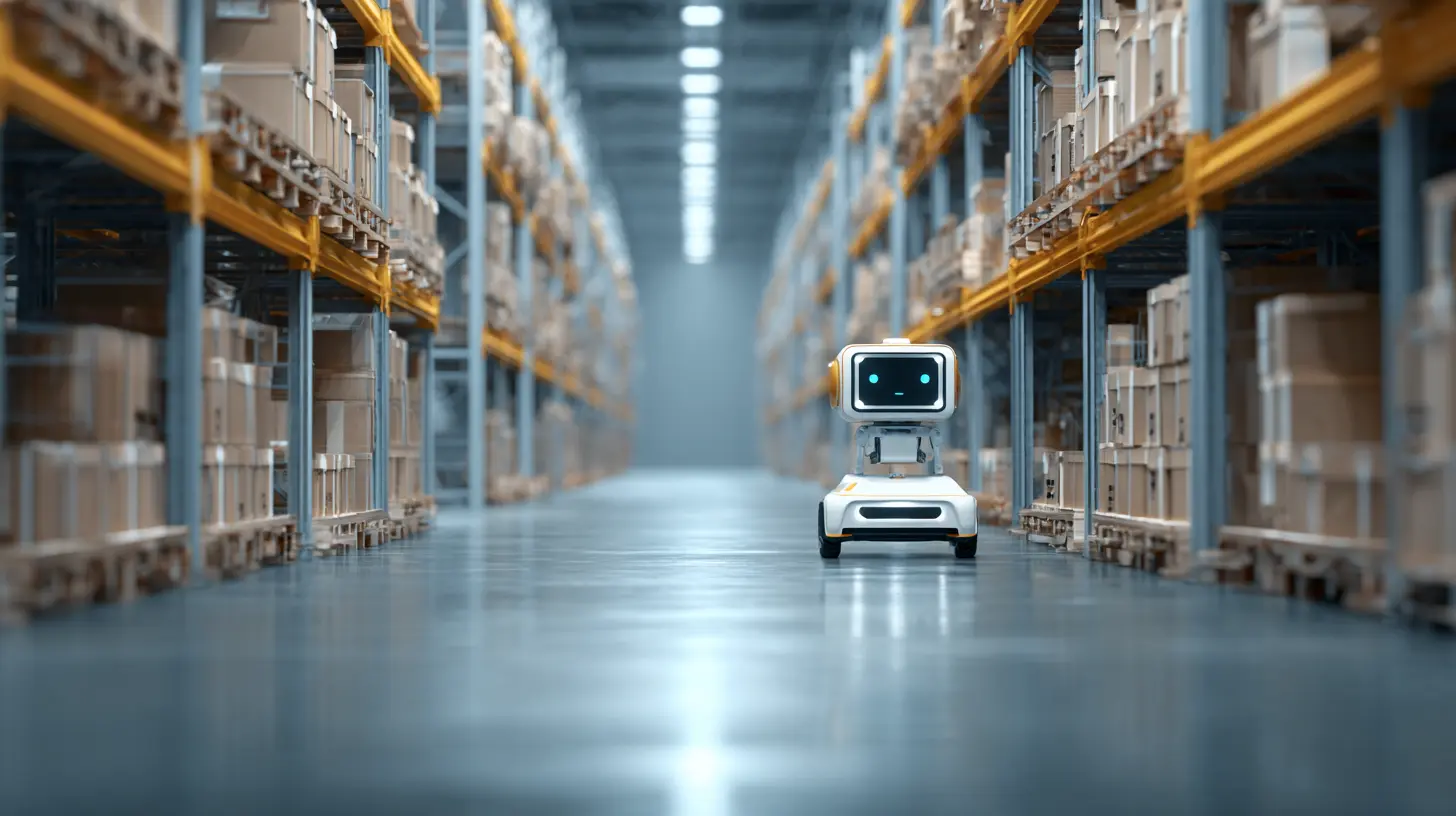
Let's address the elephant in the room-or rather, the human in the warehouse.There's this persistent fear that automation means nobody works. But if you actually visit a cutting-edge facility today, you'll see something surprising. You'll see people and robots working side by side. Not in separate zones. Not behind cages. Together.
In 2026, the job of a warehouse worker is changing. Instead of walking ten miles a day to pick items off shelves, a worker might stand in one spot while a robot brings the shelves to them. The human does what humans do best: complex decision-making, handling fragile items, and dealing with the unexpected. The robot does what robots do best: heavy lifting, repetitive motion, and never getting tired.
It's a partnership. A dance.
Imagine a cobot-a collaborative robot-handing you a box of glassware. It knows exactly how much force to use so it doesn't crush the box. You take it, check the label, and pack it. The robot waits. It doesn't get impatient. It just waits for the next instruction. That's the future. Not a takeover. A handoff.
The Brain Behind the Brawn: AI and Predictive Analytics
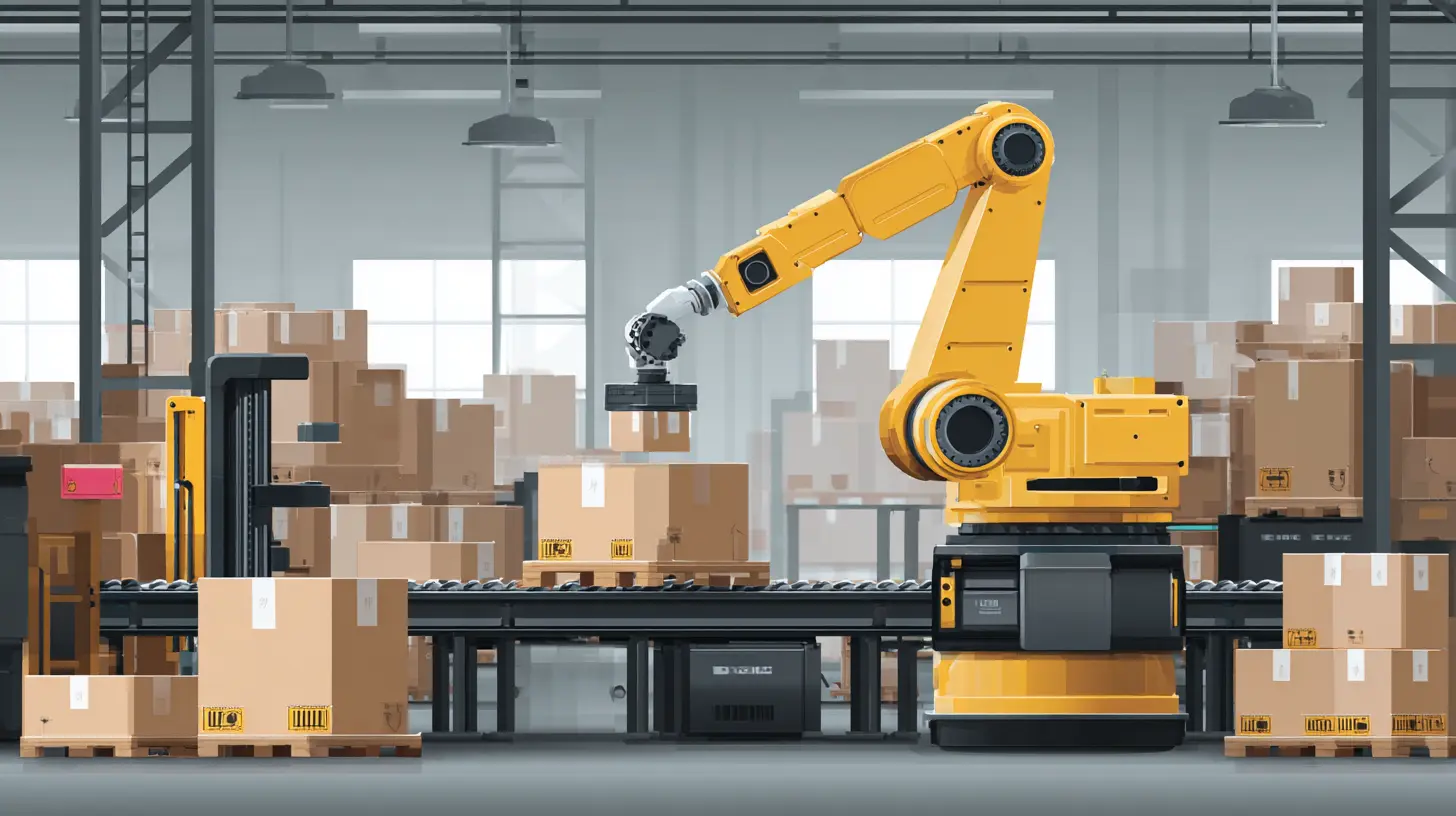
Here's where things get really interesting.All those robots are generating data. Tons of it. Every movement, every pick, every delay. In 2026, that data isn't just stored in some dusty server. It's being fed into artificial intelligence models that learn from it in real time.
Think of it like a weather forecast for your warehouse. The AI can predict that in two hours, order volume for a specific product will spike. It doesn't wait for the spike to happen. It pre-positions inventory. It reassigns robots. It adjusts staffing. The warehouse becomes proactive instead of reactive.
This is the difference between a warehouse that just works and a warehouse that thinks.
We're also seeing the rise of digital twins. That's a fancy term for a perfect virtual copy of your physical warehouse. You can run simulations on the digital twin before making any changes in the real world. Want to try a new layout? Run it on the twin first. Worried about a bottleneck? The twin will show you exactly where it will happen. It's like having a crystal ball, but one that's built on math and data instead of magic.
The Energy Question
Let's be real for a second. All these robots need power. And if you're running a fleet of fifty autonomous machines, your electricity bill is going to look like a national debt.But 2026 is the year this problem starts to solve itself.
First, battery technology is getting better. Lithium-ion batteries are cheaper and more efficient than ever. Some robots can now run a full shift on a single charge. And when they do need to refuel, they do it automatically. They roll themselves to a charging station, plug in, and get back to work without any human intervention.
Second, we're seeing the integration of renewable energy. Solar panels on the warehouse roof? That's becoming standard. The robots are powered by the sun. It's a closed loop. And it's not just good for the planet-it's good for the bottom line. Energy costs are a major expense in automation, and reducing them is a priority.
Plus, the robots themselves are becoming more energy-efficient. They use lighter materials, better motors, and smarter algorithms that minimize unnecessary movement. Every wasted watt is being squeezed out of the system.
The Human Element: Reskilling and New Roles
I want to come back to the people, because this is where the story gets emotional.Yes, some jobs will disappear. The old-school picker who walks the aisles all day? That role is fading. But new roles are emerging that are more interesting, better paying, and less physically punishing.
In 2026, you'll see robot technicians. These are the people who keep the fleet healthy. They diagnose software glitches, replace sensors, and calibrate arms. It's a skilled trade that pays well and requires real problem-solving.
You'll also see automation supervisors. These are the folks who watch the dashboard of the entire warehouse. They're not micromanaging robots. They're looking for patterns, optimizing workflows, and making high-level decisions. It's a job that requires both technical knowledge and managerial instinct.
And then there are the data analysts. Someone has to make sense of all that information the AI is generating. These are the people who turn raw data into actionable insights. They're the ones who say, "Hey, if we move the packing station three feet to the left, we save 47 seconds per order." Small changes, massive impact.
The point is, the human is not being pushed out. The human is being elevated. We're moving from manual labor to cognitive labor. And that's a good thing.
The Small Warehouse Revolution
You might think all of this is only for the big players. Amazon. Walmart. The giants. But 2026 is going to surprise you.Small and medium-sized warehouses are starting to adopt automation too, but they're doing it differently. They're not buying million-dollar systems. They're buying robot-as-a-service (RaaS). That means they pay a monthly subscription fee instead of a huge upfront cost.
It's like leasing a car instead of buying it. You get the benefits without the burden.
RaaS is opening the door for mom-and-pop operations to compete with the big guys. A small parts distributor in Ohio can now have the same automation capabilities as a multinational corporation. The only difference is scale.
This is leveling the playing field. And it's happening faster than most people realize.
The Dark Side: What Could Go Wrong?
I'd be lying if I painted a perfect picture. There are real challenges.First, cybersecurity. If your entire warehouse is run by robots and AI, what happens when someone hacks the system? A bad actor could shut down operations, misroute inventory, or cause physical damage. In 2026, warehouse automation companies are spending a fortune on security. But the threat is real and evolving.
Second, the initial cost of training. You can't just drop a robot into a warehouse and expect it to work. The system needs to learn the layout, the inventory, the workflows. That takes time and expertise. For some companies, the learning curve is steep.
Third, there's the social cost. Even if new jobs are created, the transition is painful. A 55-year-old worker who has been picking orders for 20 years isn't going to easily become a robot technician. There has to be a support system. Retraining programs. Safety nets. Not every company is ready to invest in that.
And finally, there's the risk of over-reliance. If you automate everything, you lose flexibility. A human can adapt to a sudden change in a way a robot can't. If a shipment arrives on the wrong truck, a human can figure it out. A robot might just freeze. The best systems in 2026 are the ones that keep a human in the loop for the weird edge cases.
What It All Means
So where does this leave us?The future of warehouse automation in 2026 is not a cold, empty factory floor. It's a bustling, humming, collaborative space where humans and machines work together in a rhythm that feels almost musical. It's a place where data flows like water, and decisions happen in real time. It's a place where a small business can act like a giant, and a giant can act like a small, nimble team.
It's messy. It's expensive. It's complicated. But it's also beautiful.
We're building a new kind of infrastructure. Not out of concrete and steel, but out of code and sensors and silicon. And at the center of it all is still the human. Not replaced. Not obsolete. Just doing something different. Something better.
So the next time you order something online and it shows up at your door in two days, take a moment to think about the invisible dance that made it happen. The robots that moved in perfect coordination. The AI that predicted your demand. The humans who kept everything running smoothly.
That's the future. And it's already here.
all images in this post were generated using AI tools
Category:
Robotics TechnologyAuthor:

Gabriel Sullivan
Discussion
rate this article
2 comments
Teagan Rhodes
Exciting times ahead for warehouse automation! With innovations on the horizon, the future looks bright. Embrace the changes and get ready to see efficiency soar. The robots are coming, and they mean business!
July 22, 2026 at 11:16 AM
Raina Blair
Warehouse automation will transform logistics by enhancing efficiency, reducing costs, and integrating advanced robotics and AI.
May 8, 2026 at 10:36 AM
Gabriel Sullivan
Absolutely, the synergy of robotics and AI will be pivotal in streamlining operations and cutting costs, making logistics smarter and more efficient. Exciting times ahead!