The Shift Toward Liquid Cooling in Data Centers
25 December 2025
When you think about data centers, you probably imagine rows upon rows of servers humming away, blinking lights in every direction, and powerful fans pushing air to keep everything from overheating. But here’s the thing—air cooling is starting to run out of steam. And that’s exactly where liquid cooling steps into the spotlight.
In recent years, there's been a noticeable shift toward liquid cooling in data centers, and it’s not just a buzzword. It’s a game-changer. As we push toward faster, greener, and more powerful computing infrastructure, data centers are ditching traditional air-based methods in favor of more efficient ways to keep things cool.
So, what’s really going on here? Why is liquid cooling becoming the next big thing? And what does it mean for the future of data center technology? Let’s break it all down.
Why Cooling Matters in Data Centers
Before we dive into the whole "liquid" thing, let’s talk about cooling in general. Data centers are the backbone of our digital world, running everything from your favorite streaming service to mission-critical business applications.These facilities generate an insane amount of heat. And if that heat isn’t managed properly? You’re looking at major slowdowns, possible shutdowns, or in worst-case scenarios—hardware failures. Not pretty.
Traditionally, most data centers have relied heavily on air cooling. Think big fans drawing in air, forcing it over hot components, and then venting it out. It works—but only to a point.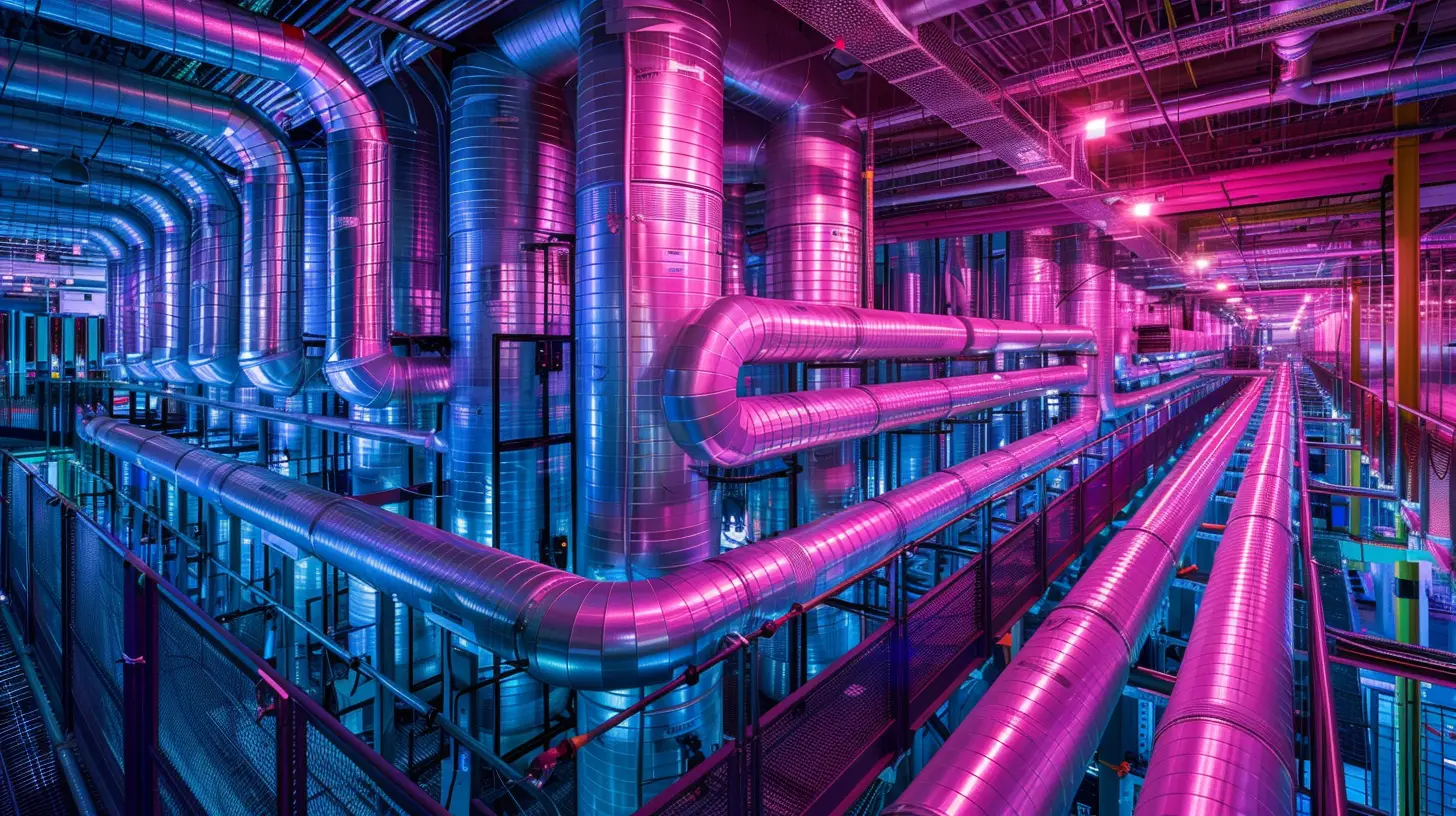
The Limitations of Air Cooling
Air cooling has been the go-to solution for decades. However, as technology evolves, it's starting to show its cracks. Here's where it starts to fall short:- Inadequate for high-density servers: As hardware becomes more compact and powerful, it generates more heat in smaller spaces. Air just can't cut it at that level anymore.
- Energy-hungry: Moving that much air around isn’t cheap. Fans, HVAC systems, and the infrastructure behind them eat up a significant chunk of a data center's power.
- Limited by ambient temperature: You can only cool things down so far when you're using air that’s already warm. Try running a data center in a hot climate—air cooling will struggle.
- Lack of scalability: As companies scale up, air cooling systems need to become more complex and larger to keep up. That gets expensive fast.
So, if we can't rely on air cooling moving forward, what’s the alternative? You guessed it—liquid cooling.
What Is Liquid Cooling?
Liquid cooling isn’t as new as it might sound. Gamers and overclockers have been using it in PCs for years. But now, it's moving into enterprise territory—in a big way.At its core, liquid cooling uses a coolant (typically water or engineered liquids) to absorb heat from components. The liquid has a much higher thermal conductivity than air, meaning it transfers heat way more efficiently.
There are a couple of main types of liquid cooling used in data centers:
1. Direct-to-Chip Liquid Cooling
This method places cold plates directly on top of CPUs, GPUs, or other heat-generating components. Tubes running through those plates carry cooled liquid to absorb heat and carry it away. It’s precise, efficient, and very direct.2. Immersion Cooling
Sounds futuristic, right? With immersion cooling, servers are dunked—or should we say “bathed”—in a non-conductive liquid. That liquid absorbs the heat and is then cooled and circulated. It's like giving your servers a spa day, every day.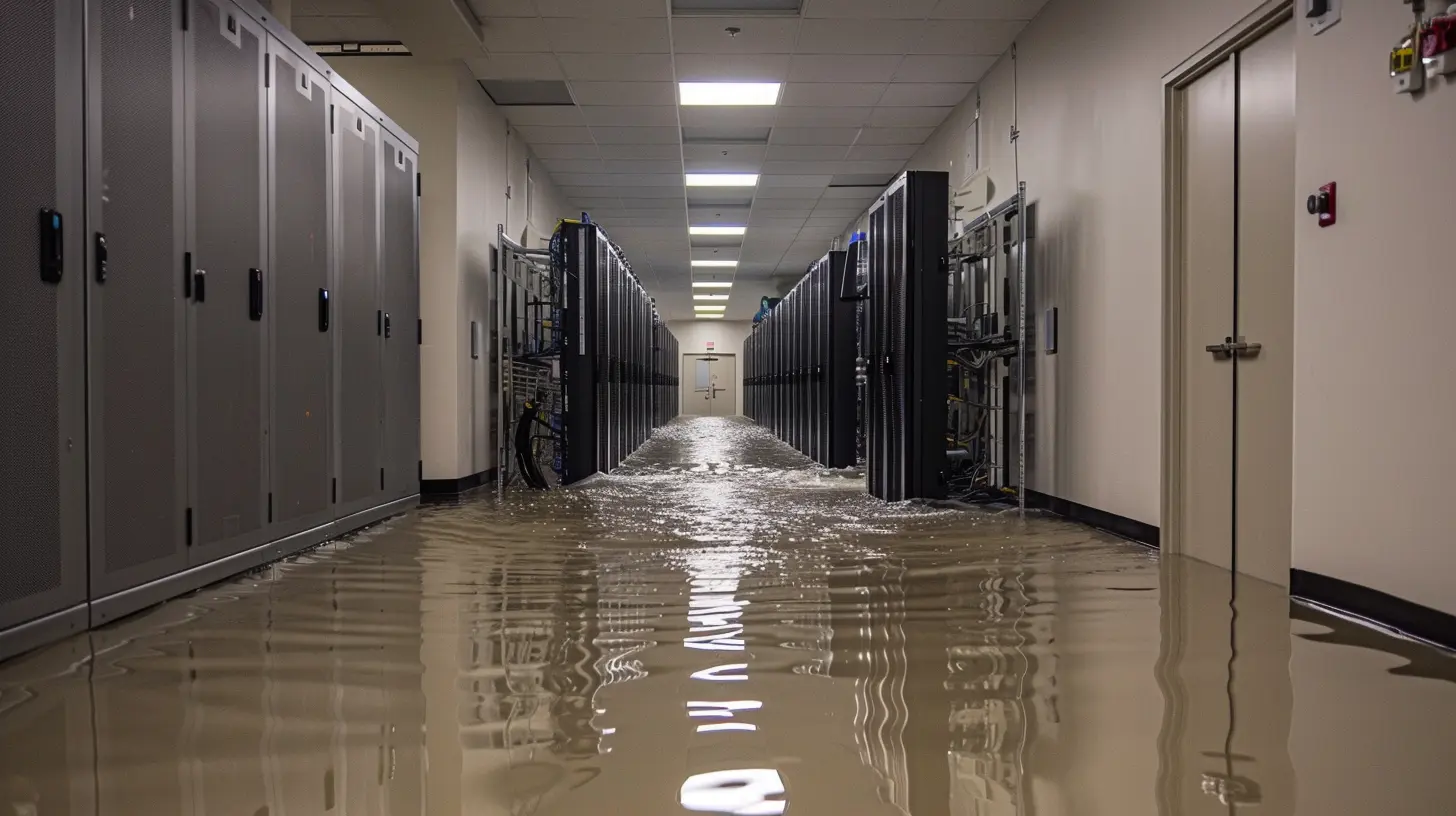
Why Data Centers Are Embracing Liquid Cooling
So why the sudden surge in interest? Well, several key drivers are pushing the shift toward liquid cooling in data centers, and they’re hard to ignore.1. Higher Computational Power = More Heat
With AI, machine learning, AR/VR, and big data exploding, today’s servers are working harder than ever. We're talking about CPUs running hotter and GPUs that are absolute heat monsters.Liquid cooling handles this increased heat density like a champ. It’s just better at managing the thermal load produced by high-performance computing (HPC) environments.
2. Energy Efficiency Matters (More Than Ever)
Let’s be honest—running a data center is expensive. And energy bills are a huge part of that. Liquid cooling uses significantly less energy for heat removal compared to air.That translates to lower operational costs and a smaller carbon footprint. Win-win.
3. Space Is a Premium
Air-cooled systems need a lot of physical room: raised floors, massive HVAC units, ventilation pathways, and so on. Liquid cooling systems can be more compact, allowing for higher server density per square foot.More servers, more processing power, less space? It’s a no-brainer.
4. Sustainability Goals
Green is the new black in the tech world. With companies aiming for carbon neutrality, cutting down on power-hungry cooling systems is a big step in the right direction. Liquid cooling helps organizations hit environmental, social, and governance (ESG) targets more efficiently than traditional methods.Challenges Holding Liquid Cooling Back
Now, to be fair, switching to liquid cooling isn’t all sunshine and rainbows. There are some growing pains, especially for older data centers.1. Upfront Costs
Installations are specialized, and the hardware isn’t cheap—yet. The capital expense can be a dealbreaker for some facilities, especially if they’re not planning to scale massively.Think of it like switching from a gas-powered car to an electric one. The investment pays off over time, but that initial sticker shock is real.
2. Complexity & Maintenance
Liquid cooling systems require trained personnel, and the plumbing is more intricate than just plugging in a fan. There’s also the fear factor—nobody likes the idea of liquid near electronics, even if the risk is actually minimal with proper design.3. Integration with Existing Infrastructure
Most traditional data centers are designed around air cooling. Retrofitting them for liquid cooling isn't as simple as flipping a switch. It takes planning, downtime, and some serious design work.Real-World Adoption: Who’s Leading the Charge?
Big names like Google, Microsoft, and Meta aren't just talking about liquid cooling—they're implementing it.Google has explored immersion cooling to support its AI workloads. Microsoft has been experimenting with underwater data centers and two-phase immersion cooling. And Meta (formerly Facebook) has been revamping data center designs to accommodate innovative cooling technologies.
If the giants are making the move, it’s only a matter of time before the rest of the industry follows suit.
What’s Next for Liquid Cooling?
Looking ahead, it’s clear that liquid cooling isn’t just a trend—it’s the future.As hardware becomes more powerful and environmental concerns become more pressing, data centers will need to cool smarter, not harder. Liquid cooling could also open doors to new possibilities, like:
- Edge computing in remote or extreme locations
- Smaller, modular data centers with ultra-high densities
- Better AI performance with reduced thermal throttling
With ongoing innovation, the cost, complexity, and concerns surrounding liquid cooling are already being addressed. We’re likely to see more off-the-shelf solutions, plug-and-play systems, and even hybrid models where air and liquid cooling work together.
Is Liquid Cooling Right for Your Data Center?
If you’re running a high-density environment, chasing sustainability goals, or just trying to stay ahead of the curve, it might be worth exploring liquid cooling.Of course, it’s not a “one-size-fits-all” solution just yet. But if your workloads are generating serious heat, and you’re tired of watching your energy bills skyrocket, taking the liquid route could be a smart move.
Ask yourself:
- Are our current cooling systems hitting their limit?
- Can we support higher server densities with our current setup?
- Are energy and sustainability goals a top priority?
If you said "yes" to any of those, you might want to start weighing the pros and cons of making the shift yourself.
Final Thoughts
The shift toward liquid cooling in data centers isn't just a tech fad—it’s a response to very real needs: better efficiency, more power, less energy, and smarter design. It's about preparing for the future today.Sure, there are hurdles to leap over, but the long-term payoff? It’s huge. Reduced energy consumption, lower costs, greater performance, and the ability to scale. That’s what’s on the table.
So, while liquid cooling may not be the standard just yet, it's quickly becoming the go-to for forward-thinking organizations. If you're in the data center game, it’s definitely time to start thinking about a cooler future—liquid style.
all images in this post were generated using AI tools
Category:
Data CentersAuthor:

Gabriel Sullivan
Discussion
rate this article
2 comments
Storm Conrad
This article effectively highlights the growing trend of liquid cooling in data centers, emphasizing its benefits over traditional air cooling methods. With increasing energy demands and the need for efficient thermal management, liquid cooling presents a sustainable solution to enhance performance and reduce operational costs in modern data center environments.
February 14, 2026 at 3:28 AM
Gabriel Sullivan
Thank you for your insightful comment! I'm glad you found the article highlights the important advantages of liquid cooling in data centers.
Everett Abbott
Finally, data centers are getting the spa treatment they deserve! Who knew servers needed a cool dip?
December 27, 2025 at 1:30 PM
Gabriel Sullivan
Absolutely! Liquid cooling is a game changer for efficiency and temperature control in data centers. It's like a refreshing upgrade for servers!