Ultimate Guide to Choosing the Best Portable Power Banks
29 March 2026
In today’s fast-paced, tech-driven world, staying connected is non-negotiable. Whether you're commuting, traveling, camping, or just away from an outlet for a while, a portable power bank can be a lifesaver. But with countless options on the market, how do you find the best portable charger for your needs?
This guide will walk you through everything you need to know—from battery capacity to charging speed—so you can make an informed decision and never have to worry about a dead battery again. 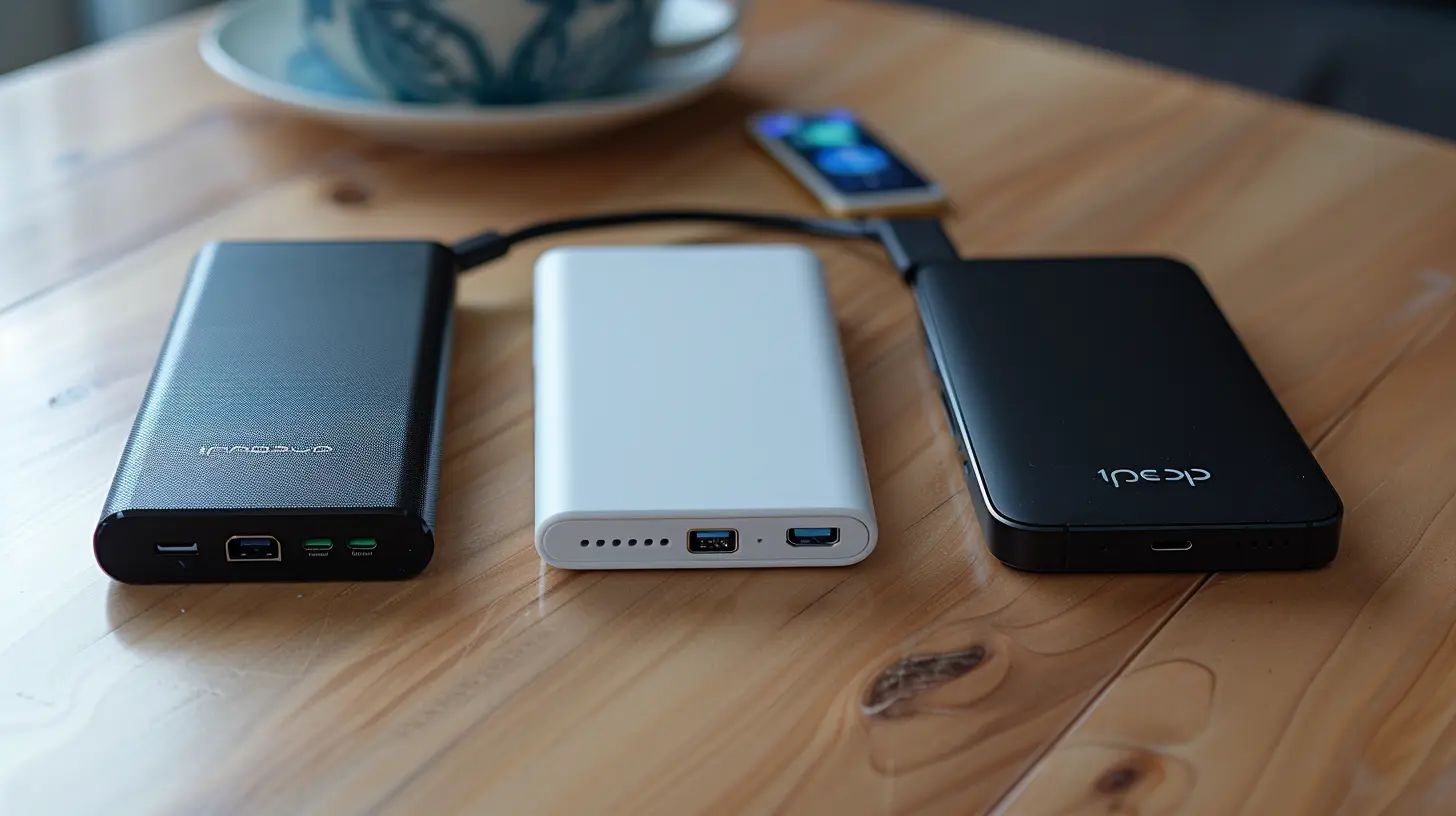
Why You Need a Portable Power Bank
Imagine this: You’re navigating a new city, using GPS, and suddenly—boom! Your phone battery dies. Or maybe you’re on a long flight, mid-movie, and your tablet shuts off. Sounds frustrating, right? This is exactly where a good power bank comes in handy.A portable charger ensures you’re never left stranded with a dead device, whether you're a frequent traveler, an outdoor enthusiast, or just someone who forgets to charge their phone at night.
So, let’s break down the key factors to consider before buying one. 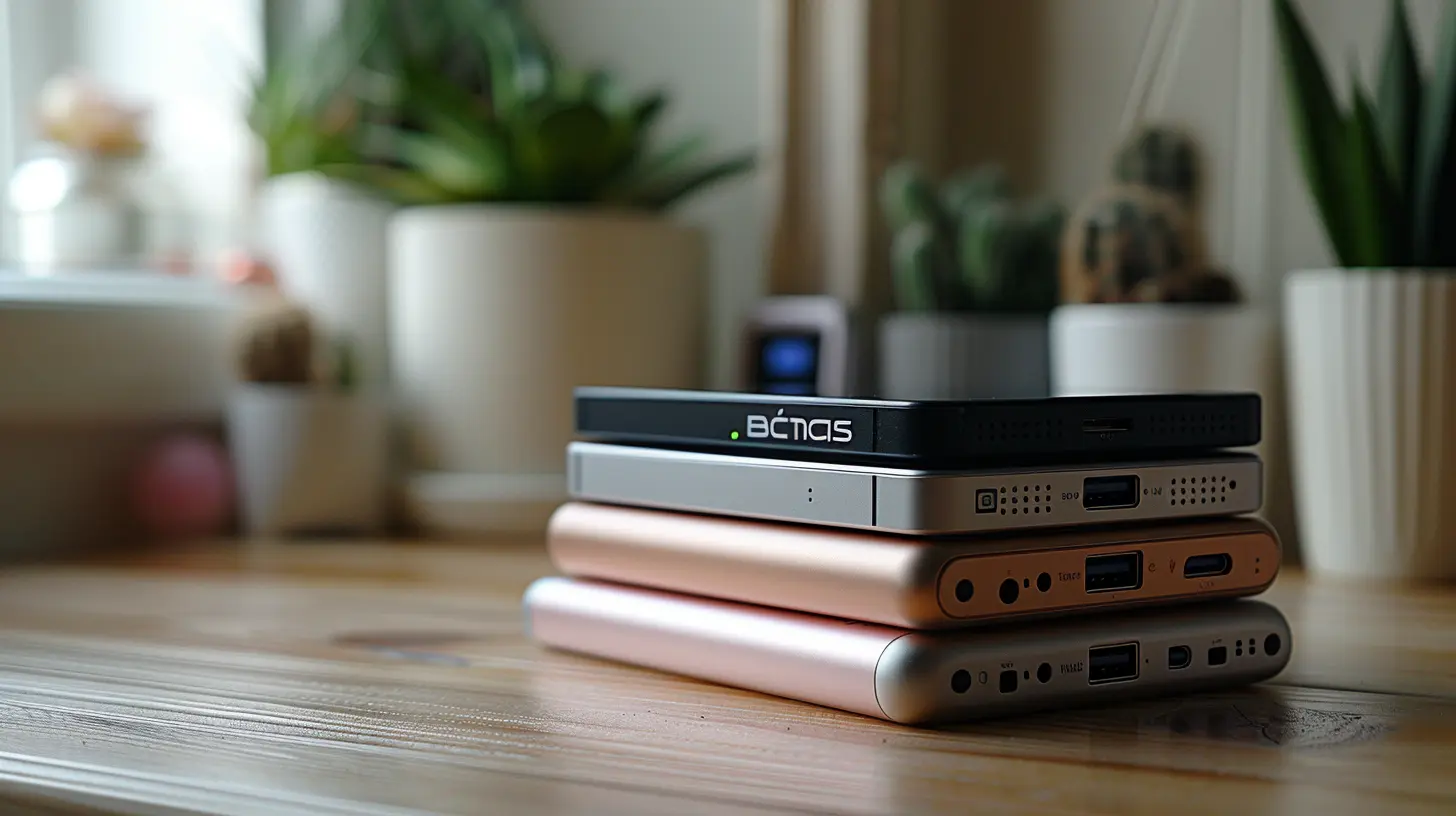
Key Factors to Consider When Buying a Portable Power Bank
1. Battery Capacity (mAh) – How Much Power Do You Need?
The first thing to look at when buying a power bank is its capacity, which is measured in mAh (milliamp hours). This determines how many times it can charge your device before it needs to be recharged itself.Here’s a rough guideline:
- 5,000 mAh – Small and lightweight; can fully charge a smartphone once.
- 10,000 mAh – Can charge most smartphones around 1.5–2 times.
- 20,000 mAh – Can charge a smartphone 4–5 times and even power some tablets.
- 30,000+ mAh – Best for multiple days of charging or powering laptops and other high-energy devices.
If you only need a quick boost during the day, a 5,000 mAh power bank should suffice. But if you travel frequently or use multiple devices, a 20,000+ mAh power bank is a better bet.
2. Charging Speed – How Fast Can It Charge?
Nobody likes waiting hours for their phone to charge. That’s why charging speed is crucial. There are two main factors to consider:- Output (Wattage & Amps): A higher wattage or higher amp output means faster charging. Most power banks are 5V/2A, but fast-charging models offer 9V/2A or even 12V/3A for quick power-ups.
- Fast Charging Compatibility: Many flagship smartphones now support Quick Charge (QC) or Power Delivery (PD) technology. If your phone supports these, buying a power bank with USB-C PD (18W+ or higher) will charge your device in a fraction of the time.
💡 Pro Tip: If you have an iPhone, look for USB-C to Lightning PD fast charging support. If you're using an Android, check if your device supports Qualcomm Quick Charge or USB-C PD.
3. Number of Ports – How Many Devices Can You Charge?
Are you charging just your phone, or do you have multiple devices like a smartwatch, wireless earbuds, tablet, or even a laptop?Power banks come with varying numbers of output ports:
- Single USB-A Port – Ideal if you only charge one device.
- Multiple USB-A Ports – Great for charging several devices simultaneously.
- USB-C PD Port – Essential for fast charging and powering newer devices, including MacBooks and Nintendo Switch.
- Wireless Charging Pad – Some power banks even support wireless charging, letting you charge your phone without cables.
If you travel with multiple gadgets, a power bank with at least two or more output ports is a must-have.
4. Size & Weight – Is It Portable Enough?
A power bank’s size and weight determine how practical it is for everyday use.- Small (5,000 – 10,000 mAh): Pocket-sized and lightweight; perfect for day-to-day use.
- Medium (10,000 – 20,000 mAh): A bit bulkier but still fits in most bags.
- Large (20,000+ mAh): Heavier and bigger, but best for travel and outdoor adventures.
If portability is a priority, stick to under 10,000 mAh. But if you need more power, expect a bit more bulk.
5. Safety Features – Protecting Your Devices & Battery Life
A cheap power bank might save you money upfront, but it could damage your devices or, worse, pose a fire hazard. Always look for built-in safety features, such as:- Overcharge Protection – Prevents overfilling the battery, which can degrade battery life.
- Short-Circuit & Surge Protection – Ensures your devices don’t get fried.
- Temperature Control – Prevents overheating, a common issue with fast charging.
Stick to trusted brands with certifications like CE, FCC, or RoHS for guaranteed safety.
6. Build Quality & Design
While some power banks feel cheap and flimsy, others are rugged, waterproof, or even solar-powered, making them perfect for outdoor adventures.Some popular options include:
- Standard Plastic Body – Lightweight but less durable.
- Metal Casing – More durable and premium-feeling.
- Rugged/Waterproof – Ideal for camping, hiking, and extreme conditions.
- Solar Charging Power Banks – Great for emergency use but generally slow at charging.
Consider where and how you’ll use your power bank when choosing the best design.
7. Price vs. Brand – Is It Worth the Money?
Like most gadgets, you get what you pay for. A $10 power bank might not last long or offer fast charging, whereas a $50–$100 model from a well-known brand will likely have:- Better durability
- Faster charging
- More safety features
- Longer lifespan
Some trustworthy brands include Anker, RAVPower, Aukey, Goal Zero, and Mophie.
💡 Pro Tip: Avoid no-name brands with suspiciously high mAh ratings. These often overstate their capacity and won’t deliver what they promise. 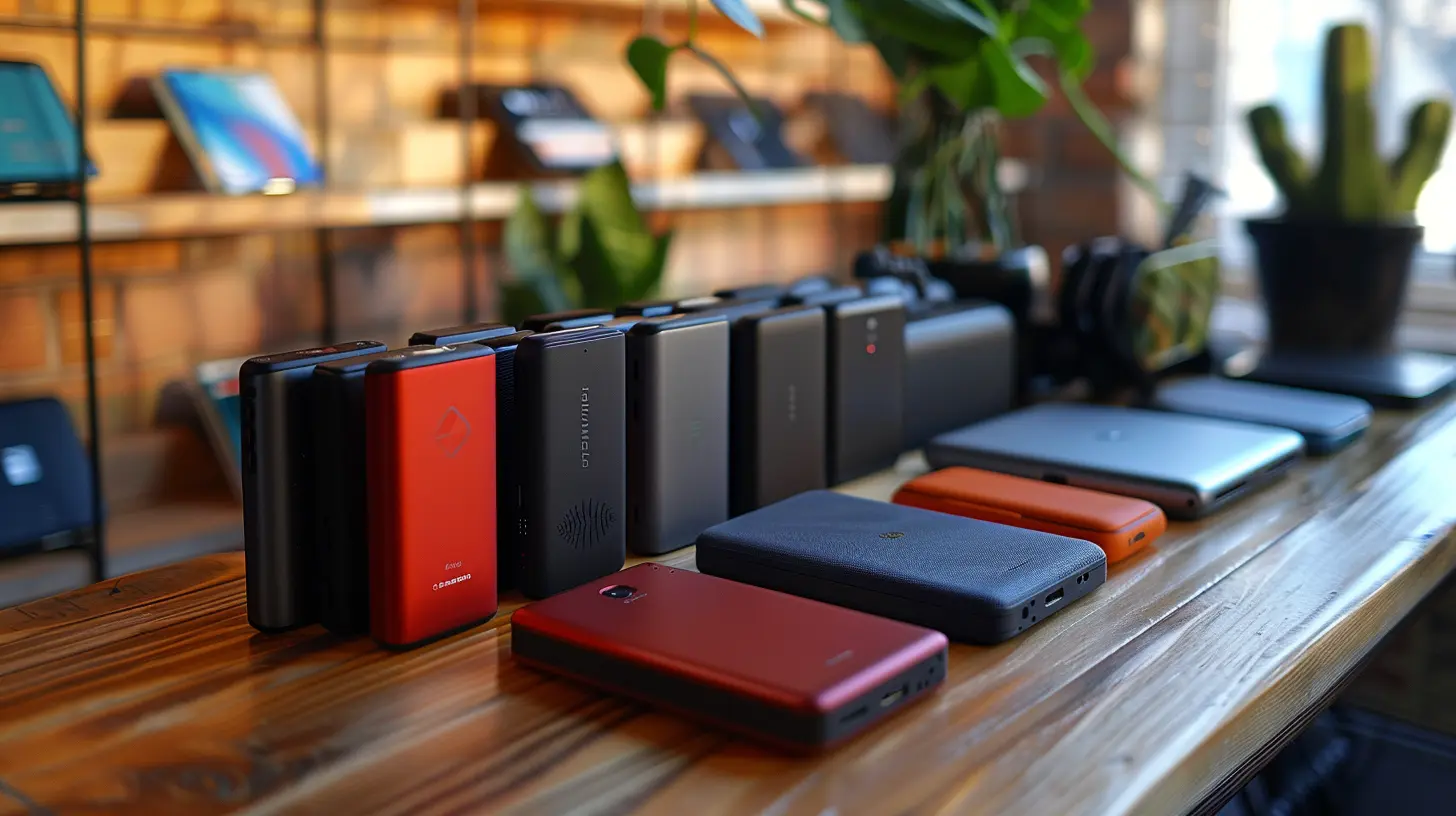
Which Power Bank is Best for You?
Here’s a quick breakdown based on common needs:✔ For Everyday Use: 5,000–10,000 mAh, small & lightweight, 1–2 ports.
✔ For Travel: 20,000+ mAh, multiple USB ports, fast-charging support.
✔ For Laptops & Tablets: 30,000 mAh+ with USB-C PD 45W+ output.
✔ For Outdoor Adventures: Rugged, waterproof, solar-powered options (if needed). 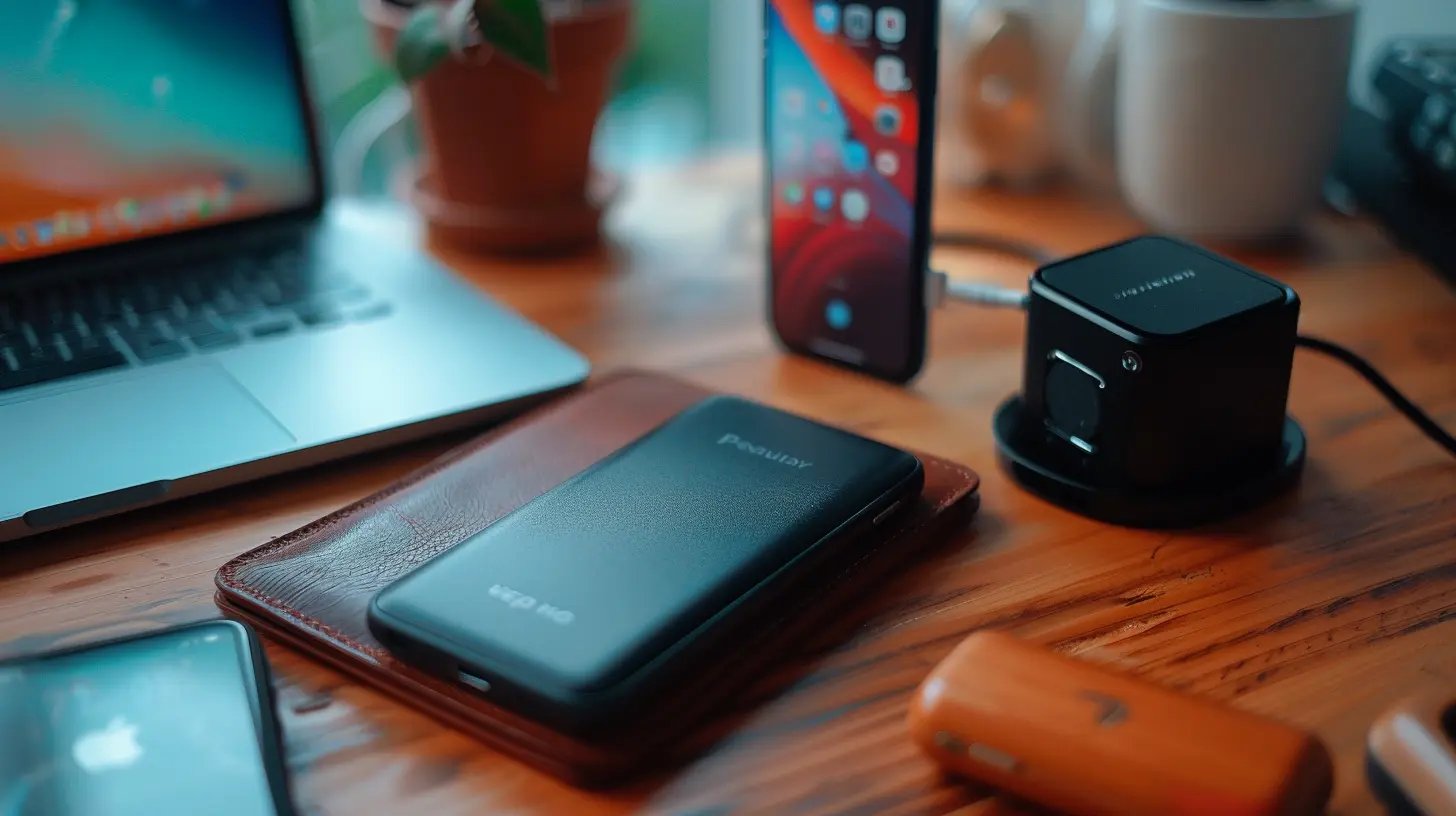
Final Thoughts
Choosing the best portable power bank doesn’t have to be complicated. Just consider capacity, charging speed, number of ports, size, safety, and price. If you pick the right one, you'll never have to stress about a dead battery again.So, before your next big trip or long day out, make sure you have the right power bank in your bag!
all images in this post were generated using AI tools
Category:
Portable TechAuthor:

Gabriel Sullivan
Discussion
rate this article
2 comments
Lyra McLain
Great insights! This guide makes choosing the right portable power bank so much easier. I appreciate the thorough explanations and simple tips. Thank you for sharing such valuable information!
April 26, 2026 at 3:07 AM
Gabriel Sullivan
Thanks for the kind words! I'm glad you found the guide helpful. Your feedback means a lot!
Hunter Fisher
Charge it like it’s hot! Power banks for your on-the-go needs!
April 4, 2026 at 11:34 AM
Gabriel Sullivan
Absolutely! Power banks are essential for staying charged while on the go. Check out our guide for top picks and tips!