Will AR Glasses Finally Go Mainstream by 2027?
20 April 2026
Augmented Reality (AR) glasses: they sound like something straight out of a sci-fi movie, don’t they? Imagine walking down the street, and instead of just seeing the world around you, your glasses overlay information about the buildings, people, and even the weather. Sounds cool, right? But the big question on everyone’s mind is: will AR glasses finally go mainstream by 2027? Let’s dive into this fascinating topic and see what the future might hold for this tech trend.

What Are AR Glasses?
Before we jump into the future, let’s take a moment to understand what AR glasses actually are. Unlike virtual reality (VR), which immerses you in a completely digital world, AR enhances your real-world experience by adding digital elements to it. Think of AR glasses as a bridge between your reality and the digital world, allowing you to see both at the same time.How Do They Work?
AR glasses use a combination of cameras, sensors, and advanced software to recognize the environment around you. They then project digital images, information, or animations right onto your field of vision. It's like having a personal assistant that can show you directions, translate languages, or even provide you with notifications—all while you're going about your daily life.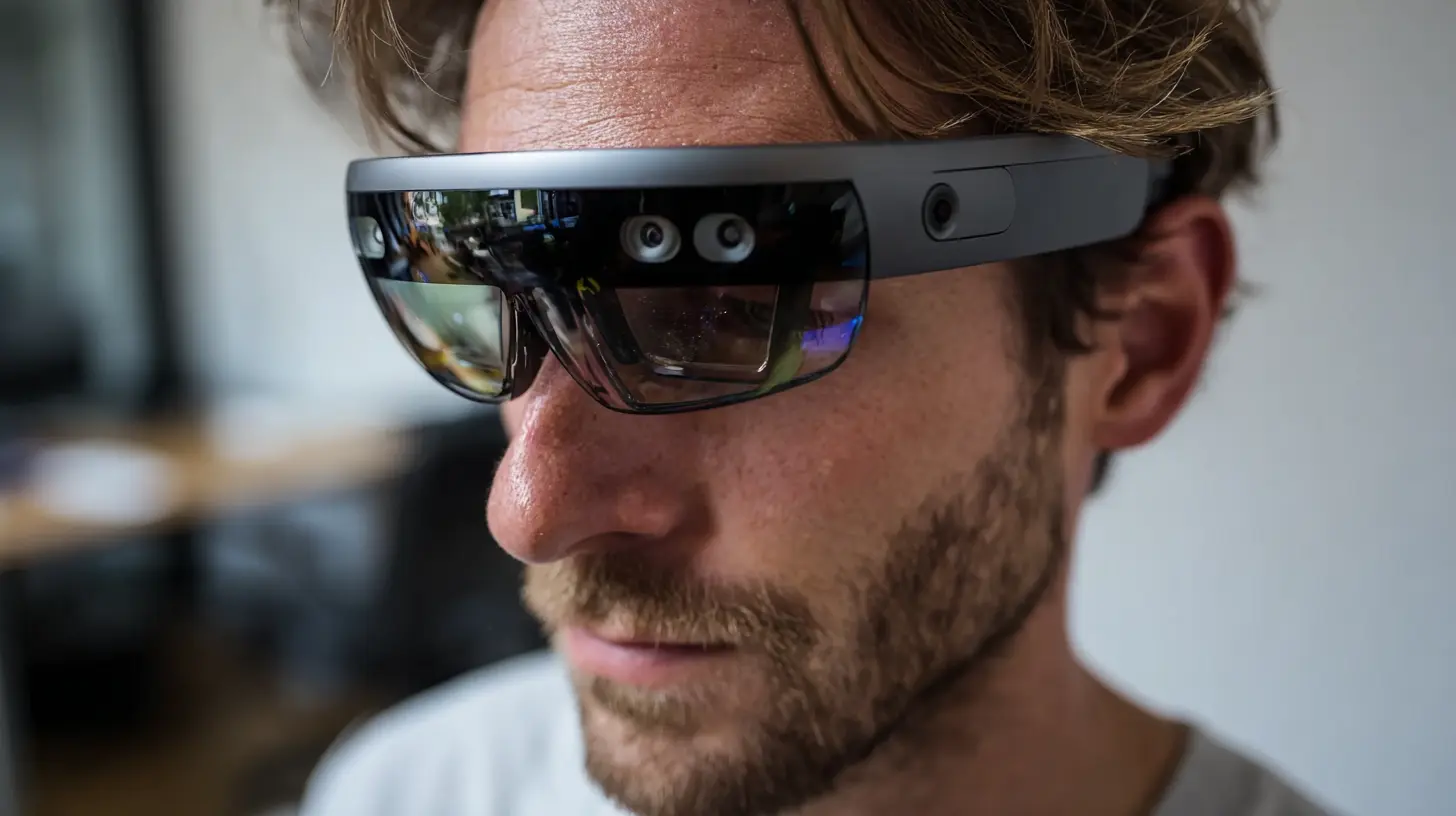
The Current State of AR Glasses
So, where do we stand today? AR glasses have been around for a while, but they haven't quite taken off like some tech enthusiasts hoped. Companies like Google, Microsoft, and Snapchat have all made strides in this space, but mainstream adoption still feels like it's just out of reach.The Big Players in AR
- Google: Remember Google Glass? It was one of the first attempts at AR glasses, but it faced criticism for its design and privacy concerns. However, Google hasn’t given up; they're still in the game, working on improving their technology.- Microsoft: The HoloLens is more of a professional tool used in industries like healthcare and engineering. It’s powerful but not exactly something you'd wear casually to the grocery store.
- Snapchat: With their Spectacles, Snap has taken a different route, emphasizing fun and social interaction. But are they truly AR glasses? That's up for debate.
What’s Holding AR Back?
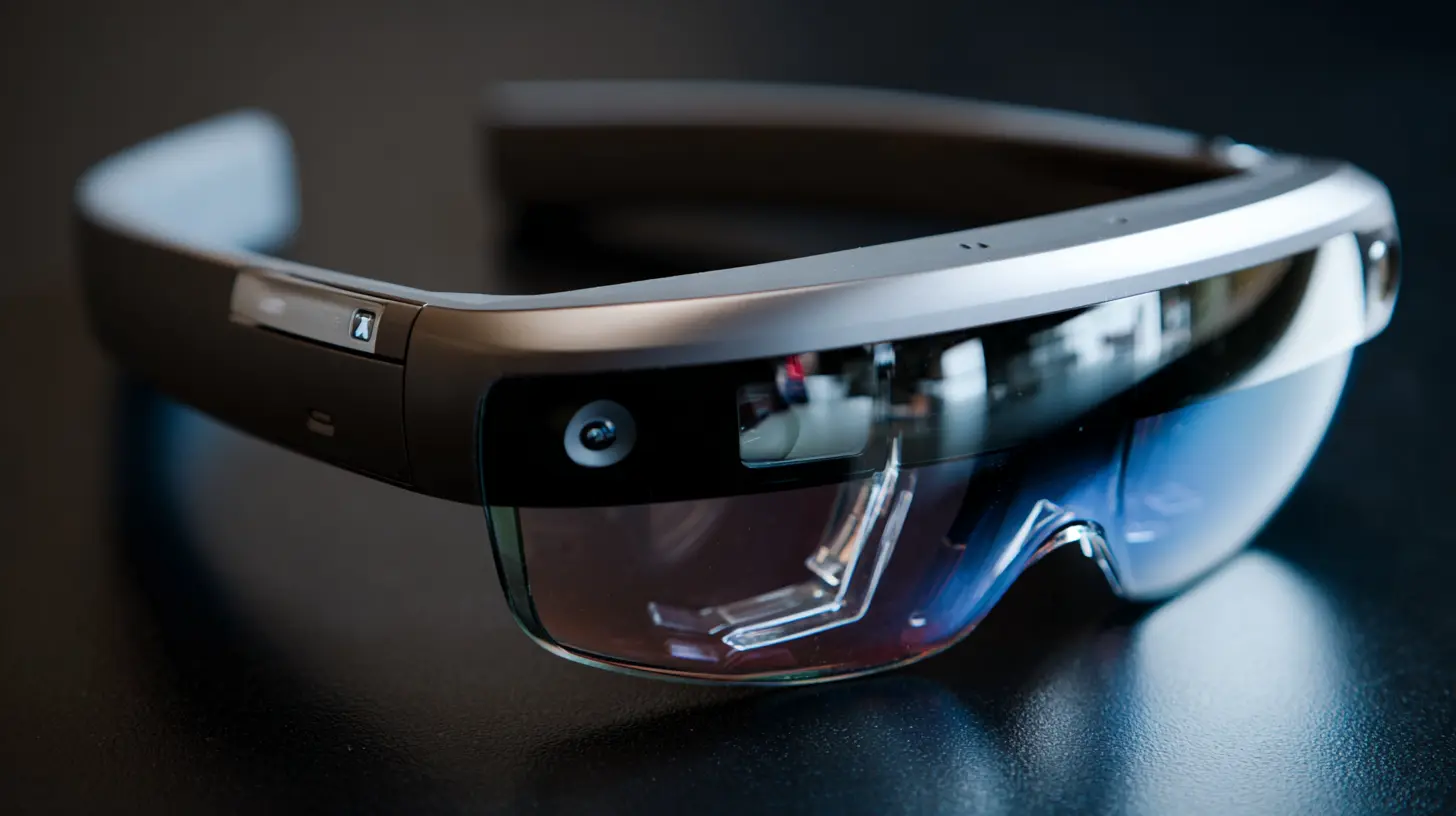
Despite the excitement, several hurdles are keeping AR glasses from going mainstream. Here are a few:- Design and Comfort: Most AR glasses look bulky and awkward. People want something stylish that they can wear every day, not a piece of tech that makes them look like a cyborg.
- Battery Life: AR applications can be resource-intensive, draining battery life quickly. Nobody wants to be tethered to a charger all day.
- Privacy Concerns: With cameras constantly recording, people are wary of privacy implications. This is a huge barrier to widespread acceptance.
The Road to Mainstream Adoption
Now that we’ve established where we are, let’s talk about the road ahead. What needs to happen for AR glasses to become a staple in our daily lives by 2027?1. Improved Design
Let’s face it: if AR glasses look like a pair of old-school sci-fi goggles, no one will want to wear them. Companies need to focus on sleek, fashionable designs that people will be proud to sport. Think of how smartphones evolved from clunky bricks to the sleek devices we use today. The same transformation is essential for AR glasses.2. Enhanced Functionality
AR glasses need to be more than just fancy displays. They should integrate seamlessly into our lives, offering practical applications. Imagine walking into a store and having product information displayed right in front of you. Or how about real-time translation of signs while traveling abroad? The more useful they are, the more likely people will adopt them.3. Addressing Privacy Concerns
Developers must prioritize user privacy to gain public trust. This means being transparent about how data is collected and used. Users should feel secure, knowing that their personal information isn’t being misused. Imagine if AR glasses had a privacy mode, where they could still function but without recording anything. That could be a game-changer!4. Competitive Pricing
Let’s talk money. Right now, AR glasses can be pretty pricey, making them accessible only to tech enthusiasts and professionals. For mainstream adoption, prices need to drop significantly. Just like with smartphones, the more affordable they become, the more people will buy them.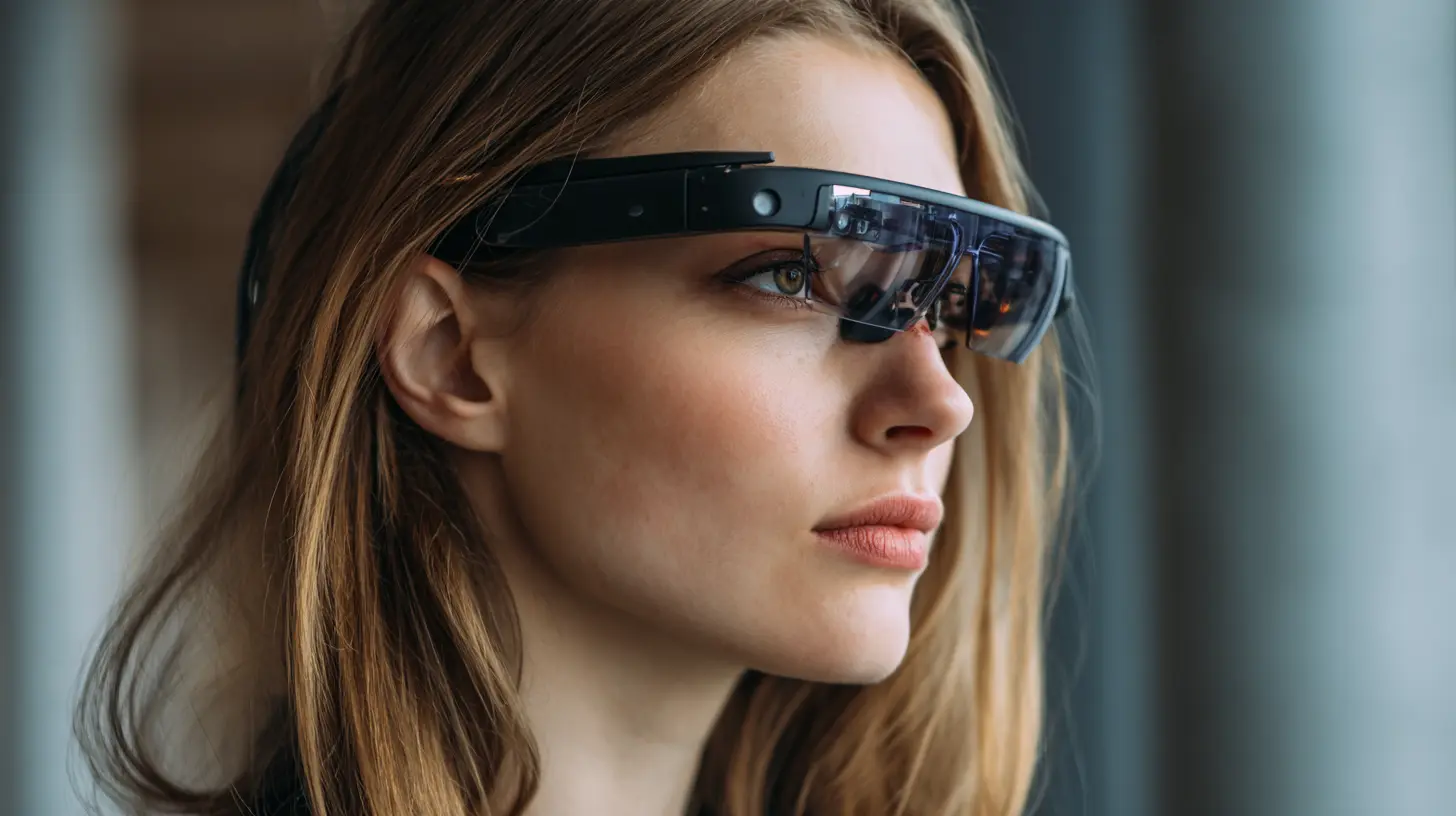
The Role of 5G Technology
You might be wondering how 5G fits into this picture. Well, it’s a massive player in the AR game. With faster data speeds and lower latency, 5G can dramatically improve the AR experience. Imagine streaming high-quality AR content without any lag or buffering. That’s the kind of performance that could push AR glasses into the mainstream.5G and Real-Time Interactions
5G technology enables real-time interactions, which is crucial for AR applications. For instance, if you're in a museum, AR glasses could provide live commentary as you move from exhibit to exhibit. This kind of immersive experience could attract a broader audience and demonstrate the potential of AR.The Impact of Social Media
Social media is another factor that could propel AR glasses into the limelight. Platforms like Instagram and Snapchat have already dipped their toes into AR filters and effects. Imagine a future where you could wear AR glasses that automatically apply filters to your surroundings or allow you to interact with friends in real-time. The social aspect could drive adoption as users share their experiences online.Gamification of AR
What if AR glasses could turn your daily routine into a game? Picture this: you walk through your neighborhood and collect virtual rewards for visiting local businesses or completing challenges. This gamification could make AR glasses more appealing, especially to younger audiences.
Predictions for 2027
So, what does the future hold? By 2027, we could see AR glasses becoming a part of everyday life, much like smartphones did in the early 2000s. Here are a few predictions:Widespread Use in Various Industries
From healthcare to education, AR glasses could revolutionize how we work and learn. Imagine doctors being able to visualize patient data right in front of them during surgery or students interacting with 3D models in the classroom. The potential applications are vast.Seamless Integration with Smart Homes
AR glasses could become the central hub for managing smart home devices. Want to adjust the thermostat or turn off the lights? Just look at the device, and your glasses will provide the controls right in your field of vision.A New Era of Communication
Communication could take on a whole new dimension with AR glasses. Imagine video calls where you can see the person you’re talking to as if they’re sitting right next to you. It could change how we connect with others, especially in a world that's becoming increasingly digital.The Challenges Ahead
While the future looks promising, there are still challenges to overcome. The technology must continue to evolve, and companies need to address the concerns we’ve discussed. Additionally, user education will be crucial. People need to understand how to use AR glasses effectively and safely.
Conclusion
Will AR glasses finally go mainstream by 2027? While it’s hard to predict with certainty, the signs are encouraging. With advancements in technology, design, and functionality, we could see a world where AR glasses are as common as smartphones. So, keep an eye on this space—who knows? You might be wearing a pair of stylish AR glasses sooner than you think!What Do You Think?
Are you excited about the possibility of AR glasses becoming mainstream? Or do you think they’re just a passing trend? Share your thoughts in the comments below!all images in this post were generated using AI tools
Category:
Technology ReviewsAuthor:

Gabriel Sullivan
Discussion
rate this article
2 comments
Calder McConnell
AR glasses have potential, but mainstream adoption depends on user experience, cost, and practical applications. If developers focus on solving these issues, we might see significant growth by 2027.
June 17, 2026 at 11:06 AM
Gabriel Sullivan
You're right. User experience and cost are crucial. If developers address these challenges, AR glasses could indeed become mainstream by 2027.
Miranda McAlister
Exciting times ahead! AR glasses could revolutionize our world—can’t wait for 2027!
April 21, 2026 at 4:12 AM
Gabriel Sullivan
Absolutely! The potential for AR glasses to transform everyday experiences is thrilling. Excited to see how they unfold by 2027!