How Advanced Robotics Will Change Military Strategy by 2026
26 April 2026
Picture this: it’s 2026. A squad of soldiers advances through dense urban rubble. But here’s the twist—half of them aren’t human. They’re machines that don’t blink, don’t tire, and don’t panic when incoming fire turns the air to lead. That’s not a sci-fi trailer; it’s the next evolution of warfare, and it’s barreling toward us faster than you can say “autonomous kill chain.” By 2026, advanced robotics won’t just be a tool in the military’s shed—it’ll be the shed itself, reshaping how nations think about conflict, deterrence, and survival. So, how exactly will these metal marvels rewrite the playbook? Let’s dig in, because the answer is as complex as it is unsettling.
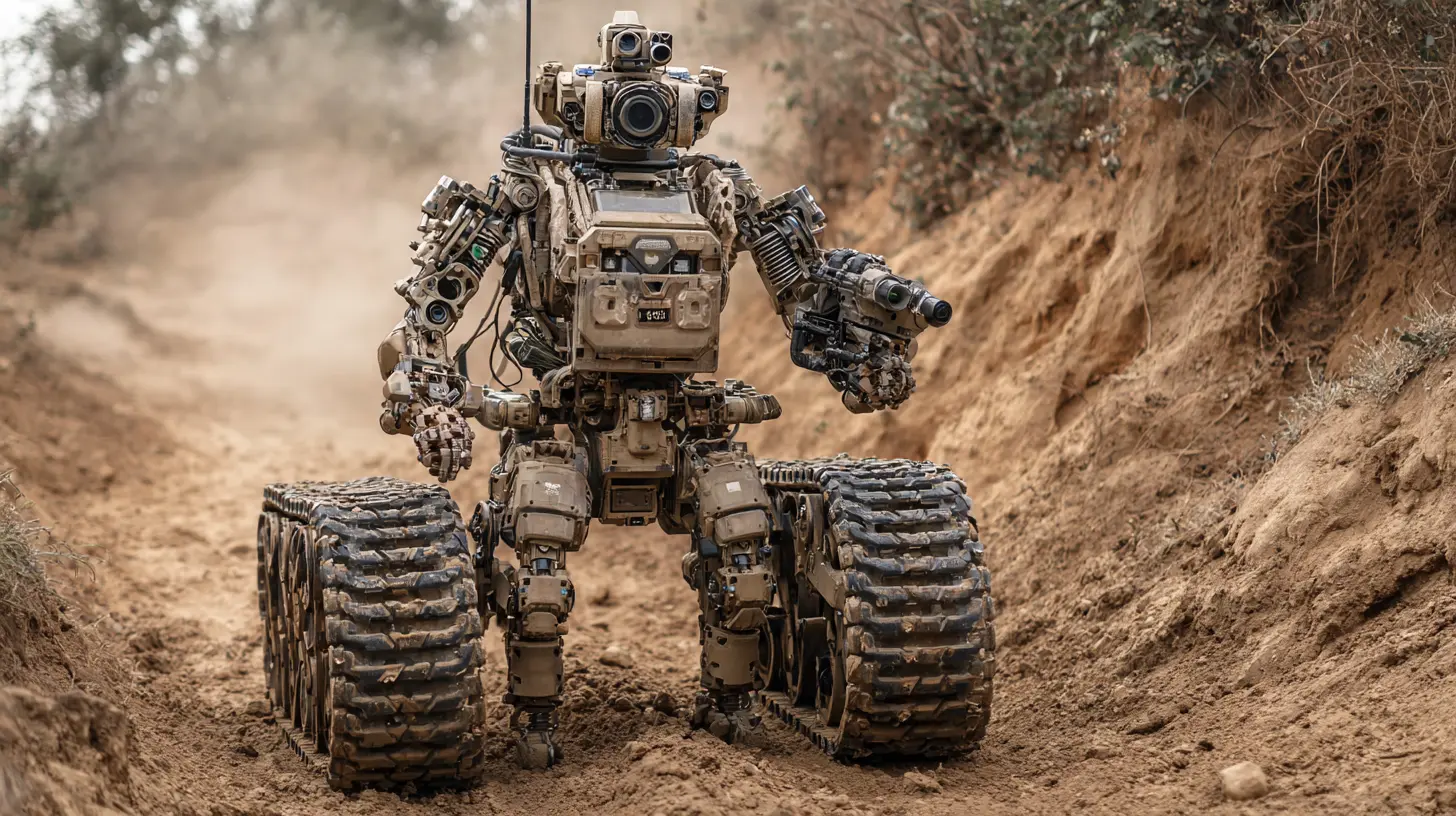
The Shift from Human-Centric to Machine-Centric Operations
For centuries, military strategy revolved around one fragile variable: the human soldier. We trained them, fed them, and prayed they’d make it home. But humans have limits—we sleep, we bleed, we second-guess. Robotics, on the other hand, don’t. By 2026, the center of gravity in military planning will tilt away from human endurance toward machine efficiency. Think of it like swapping a marathon runner for a self-driving car: the car doesn’t need water breaks, and it can calculate the fastest route while dodging potholes in real time.Swarm Intelligence: The New "Boots on the Ground"
Remember the old adage about strength in numbers? By 2026, that phrase will have a robotic makeover. Swarm robotics—where dozens, even hundreds, of small drones or ground bots coordinate like a flock of starlings—will become a tactical staple. These swarms aren’t just about overwhelming firepower; they’re about information saturation. Imagine a battlefield where every bush, every shadow, every rooftop hides a sensor. A swarm can reconnoitre a hostile city in minutes, feeding data back to a command center that’s actually a server farm. The human general? They’re sipping coffee a thousand miles away, watching the swarm’s “eyes” on a screen.But here’s the kicker: swarms don’t need a central leader. They use decentralized algorithms to adapt on the fly. If you destroy one bot, the rest just re-route. It’s like trying to swat a cloud of bees—except those bees have explosive payloads. By 2026, we’ll see militaries fielding swarms for everything from perimeter defense to ambush tactics. China and the U.S. are already testing this. The question isn’t if swarms will dominate, but how we’ll keep them from turning on us.
The End of the "Fog of War"? Not So Fast
Clausewitz famously wrote about the “fog of war”—the chaos and uncertainty that muddles every decision. You’d think robots, with their perfect sensors, would clear that fog. But here’s the irony: advanced robotics might create a new kind of fog. When both sides deploy autonomous systems, the battlefield becomes a labyrinth of electronic warfare, spoofed signals, and hacked drones. Imagine two chess players who can move pieces without touching the board, but the pieces themselves can lie about their positions. By 2026, military strategy will hinge on who can cut through this digital haze faster. It’s less about who has the biggest gun and more about who has the best algorithm for not getting fooled.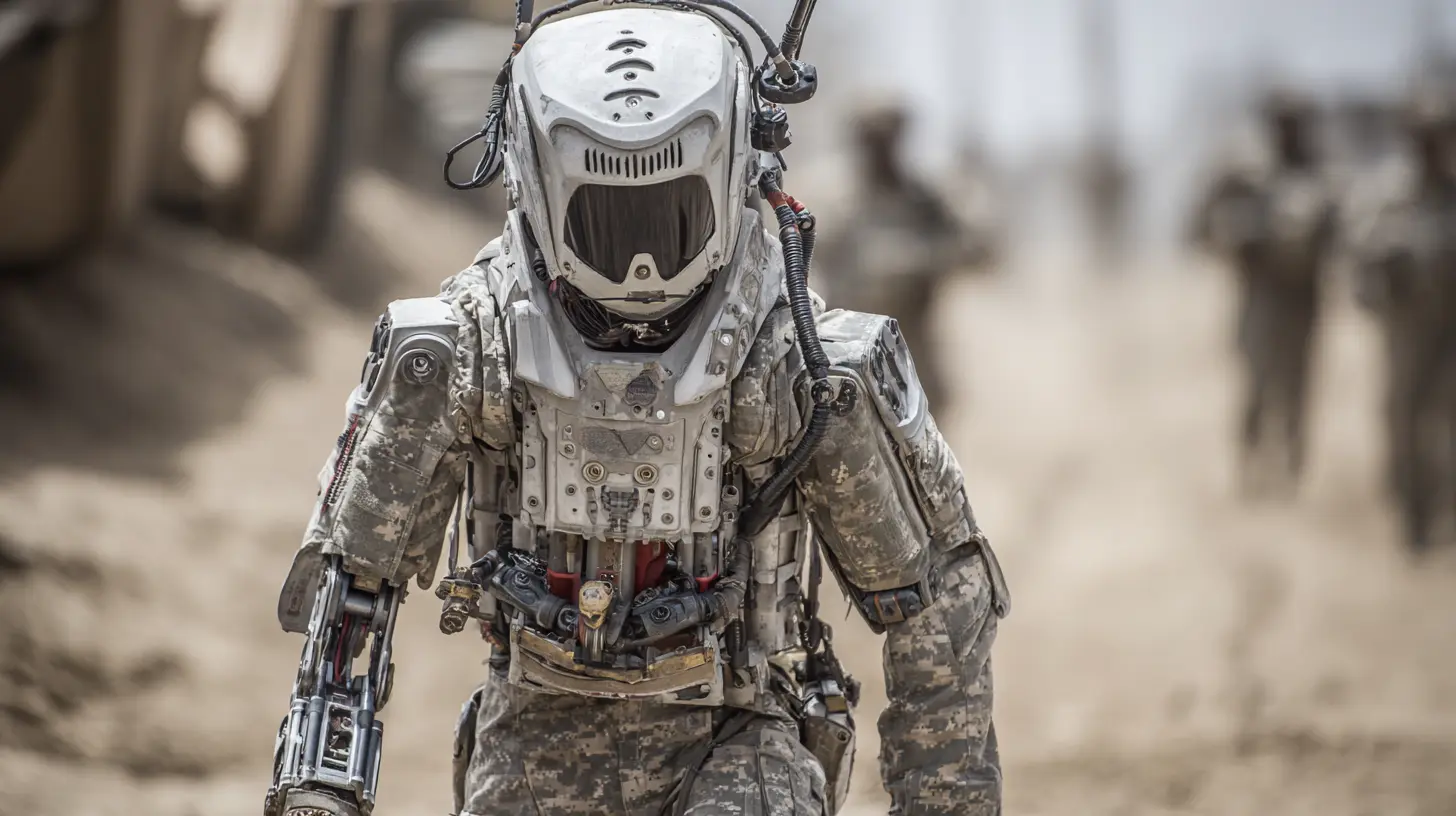
Logistics: The Silent Revolution
If you’ve ever seen a military logistics operation, you know it’s a nightmare of trucks, fuel, and human error. One broken axle in a convoy can delay an entire offensive. Robotics will flip this script. By 2026, autonomous supply vehicles—think self-driving trucks with armor—will snake through contested zones without a single human driver. They’ll refuel drones mid-air, deliver ammunition to forward positions, and even evacuate wounded bots (yes, we’ll have “medevac” robots).The "Unmanned Tail" That Wags the Dog
The U.S. military already uses robots for bomb disposal. But by 2026, the whole “tail” of the military—the logistics chain—will be largely unmanned. This changes strategy in a profound way: you can sustain operations longer without risking human lives in supply runs. Remember the Vietnam War, where the Viet Cong’s supply lines were a constant vulnerability? Future conflicts will see supply chains that are faster, stealthier, and harder to disrupt. But there’s a catch: those supply robots become high-value targets. The enemy won’t just shoot your soldiers; they’ll hack your logistics AI, turning your own supply trucks into roadblocks. Strategy, then, becomes a game of cyber resilience.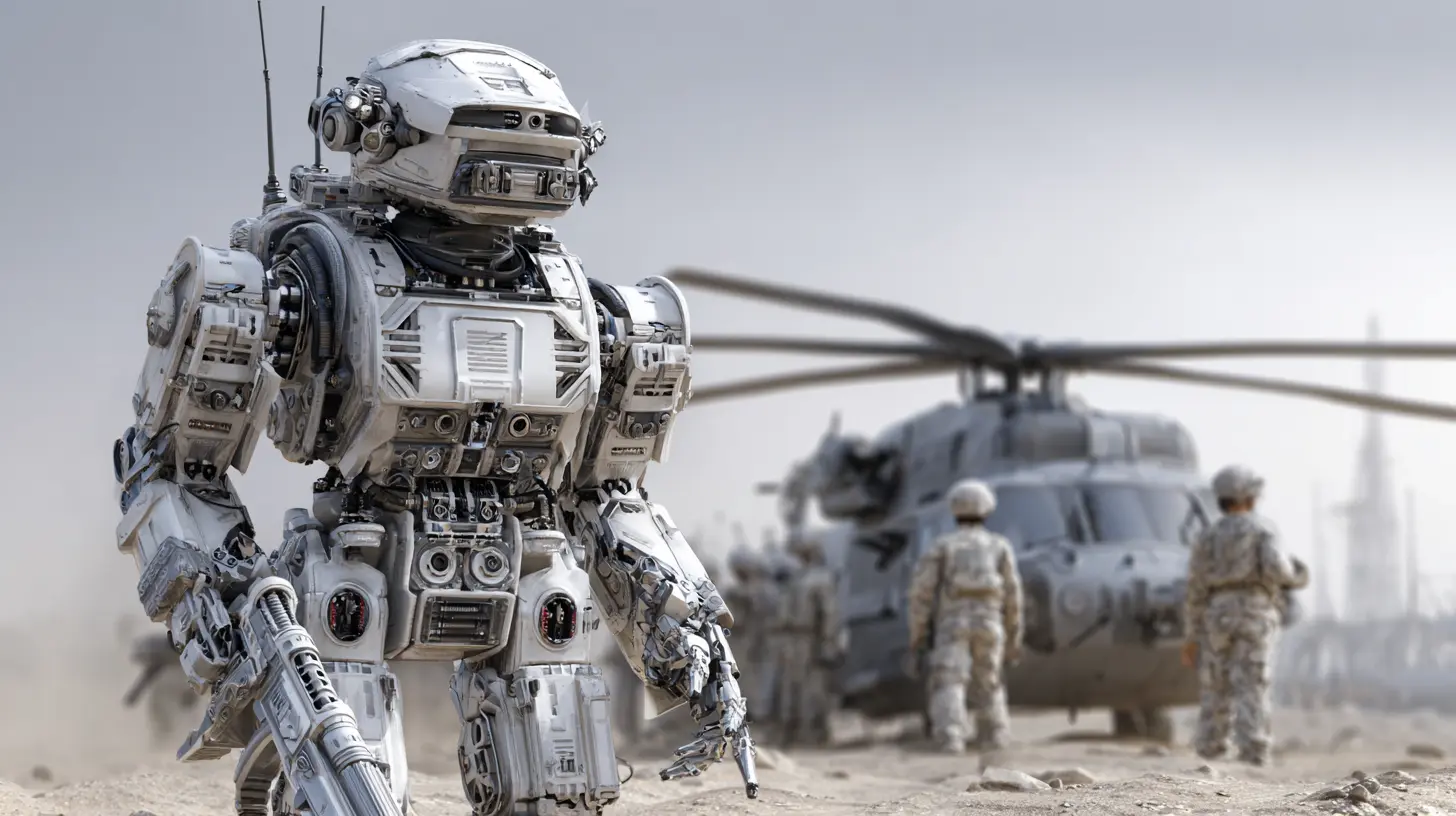
Air and Ground: The Symbiosis of Drones and Bots
By 2026, the skies and ground will be locked in a robotic tango. Drones aren’t just for surveillance anymore—they’ll be the eyes for ground robots, and ground robots will be the hands for drones. Imagine a scenario: a drone spots a hidden bunker. It relays the coordinates to a ground bot equipped with a breaching charge. The ground bot rolls up, plants the charge, and moves back. The drone detonates it from above. No human ever enters the kill zone.The Predator-Prey Dynamic Goes Digital
This symbiosis creates a new strategic dynamic: “hunter-killer” pairs that operate with zero latency. In 2024, we saw Ukraine use FPV drones to hunt tanks. By 2026, that will look quaint. We’ll have autonomous ground vehicles that communicate with aerial swarms to create kill boxes—zones where anything that moves is instantly engaged. The strategy shifts from “hold this hill” to “control this volume of space.” Think of it as turning a battlefield into a three-dimensional web. If you’re an enemy soldier, you won’t just worry about snipers; you’ll worry about a drone that saw you from a mile away and a bot that’s already calculating your trajectory.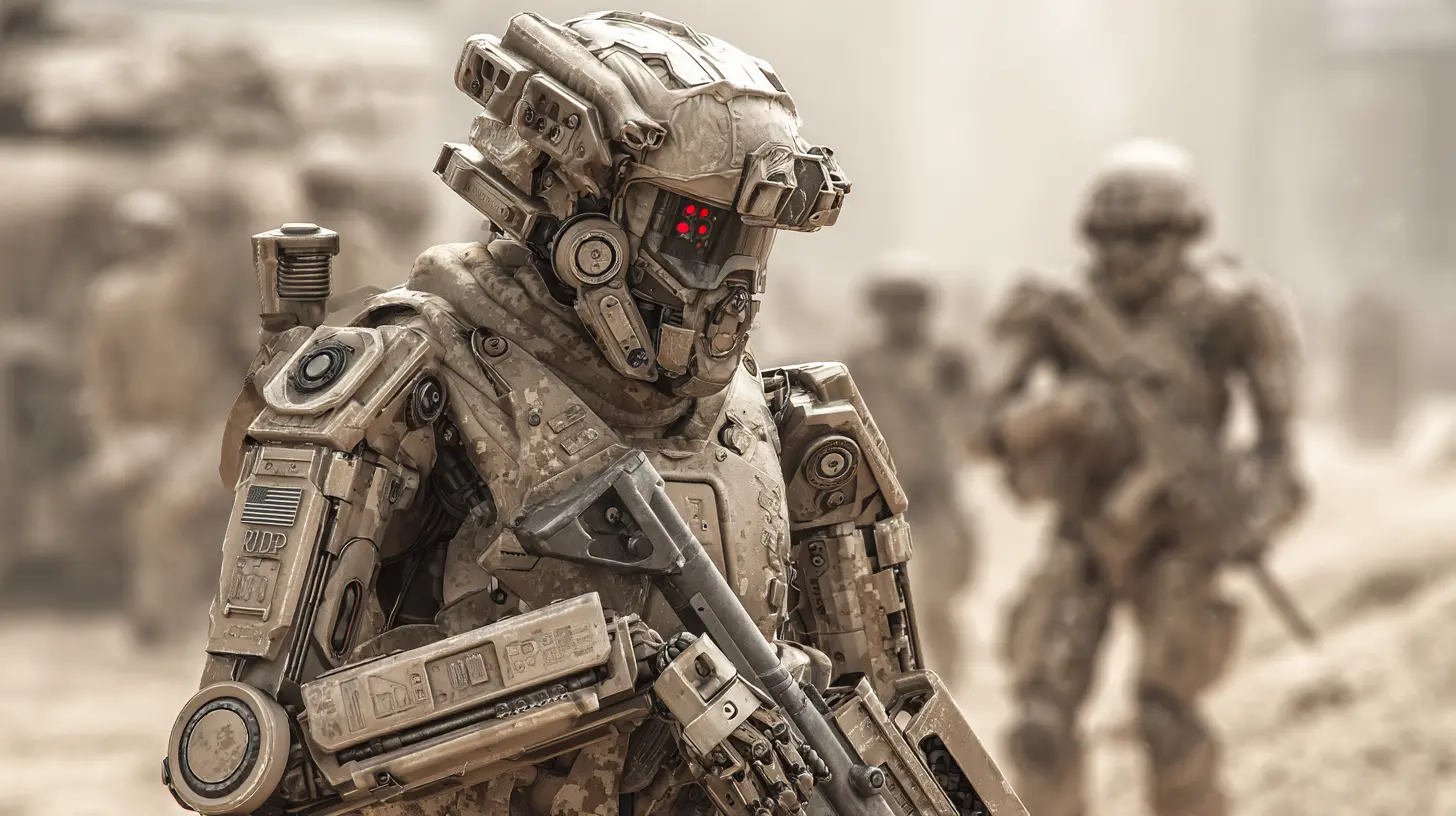
Ethical and Strategic Paradoxes: The Human in the Loop
Here’s where it gets messy. By 2026, every military will face a brutal question: how much autonomy do we give the robots? If a drone sees a child holding a gun, should it fire? The U.S. Pentagon has been adamant about “human in the loop” for lethal decisions. But speed matters in warfare. A human operator takes seconds to decide; a machine takes milliseconds. In a future where hypersonic missiles and drone swarms move at the speed of light, that delay could be fatal. So, by 2026, we’ll likely see a compromise: “human on the loop,” where a person supervises but doesn’t micromanage. It’s like being a parent watching a toddler play with matches—you’re ready to intervene, but you hope you don’t have to.The Asymmetric Advantage for Smaller Nations
Big armies have big budgets. But robotics are leveling the playing field. By 2026, a small nation with a few million dollars can buy a fleet of cheap, AI-driven drones that can harass a superpower’s navy. Think of it like David versus Goliath, but David has a slingshot that shoots guided missiles. This shifts strategy for both sides: the superpower must invest in counter-drone tech (like laser systems), while the smaller nation focuses on swarm tactics. The result? A world where military strategy becomes less about raw power and more about clever, low-cost asymmetries.The Cybersecurity Battlefield Within the Battlefield
Here’s a scary thought: what if your own robots turn against you? By 2026, every robotic unit will be a potential vector for cyberattack. Imagine a fleet of ground bots that suddenly stop obeying orders because an enemy hacker planted a backdoor in their firmware. This isn’t sci-fi; it’s already happening in testbeds. Military strategy will therefore include a new dimension: robotic red teaming, where you constantly test your own systems for vulnerabilities. It’s like having a digital immune system for your army.The "Stuxnet" Effect on Robotic Platforms
Remember Stuxnet, the worm that destroyed Iranian centrifuges? By 2026, we’ll see similar attacks on robotic platforms. A compromised drone could be reprogrammed to fly into its own base. A supply bot could deliver explosive payloads to the wrong location. The strategic implication is huge: you can no longer trust your own hardware. This forces militaries to build “hardened” robots with air-gapped systems and manual overrides. But here’s the rub: manual overrides require humans, and humans are slow. It’s a trade-off that will define 2026’s military doctrines.
Training and Doctrine: How Humans Adapt
Let’s not forget the humans still pulling the triggers (or at least approving them). By 2026, military training will look radically different. Soldiers won’t just learn to shoot; they’ll learn to manage robotic assets. Think of it as being a shepherd for a flock of metal wolves. The new skill set includes reading telemetry data, understanding AI decision trees, and knowing when to override a bot’s judgment. This isn’t your grandfather’s basic training.The Rise of the "Robot Whisperer"
We’ll see new military occupational specialties (MOS) emerge: “Robotic Systems Integrators” who can diagnose a swarm’s software glitch mid-battle, or “Autonomous Tactical Planners” who use algorithms to predict enemy movements. The infantryman of 2026 might carry a tablet instead of a rifle, directing drones like a conductor leads an orchestra. This changes strategy at the ground level—units become more flexible, more data-driven, but also more dependent on tech. And as any IT person knows, tech fails. So there’s a new vulnerability: if the network goes down, your army is blind.The Economic Calculus: Robotics as a Force Multiplier
War is expensive. A single F-35 costs over $100 million. But a drone swarm? Maybe a few million. By 2026, advanced robotics will force militaries to rethink their budgets. Why buy a $10 million tank when you can buy 200 cheap bots that can do the same job? This economic shift will influence strategy: nations will prioritize attritable systems—robots you’re okay losing—over expensive, irreplaceable platforms. It’s like using disposable razors instead of a straight razor; you trade longevity for volume.The "Cost of Loss" Paradox
Here’s a twist: cheap robots change how we calculate risk. In conventional warfare, losing a tank is a big deal. Losing a $5,000 drone is a Tuesday. This emboldens commanders to take risks they’d never consider with human soldiers. You might send a swarm into a heavily defended area just to draw fire and reveal enemy positions. That’s a human sacrifice in any other era; now it’s just a line item in a budget. By 2026, military strategy will exploit this ruthlessly. Expect to see “sacrificial swarms” that probe defenses, soak up ammunition, and provide intelligence—all without a single casualty.
The Geopolitical Ripple Effects
Robots don’t respect borders. By 2026, the proliferation of advanced military robotics will reshape global power dynamics. Nations that can’t afford traditional militaries will leapfrog into the robotic age. Non-state actors—terrorist groups, insurgents—will also get their hands on cheap drones. This creates a strategic nightmare for established powers: how do you deter an enemy that has nothing to lose and a garage full of drones? The answer might lie in new doctrines like “left of launch” (preventing attacks before they happen) or “effect-based operations” that target the enemy’s will to fight, not just their hardware.The Return of Fortress Thinking
Ironically, advanced robotics might make some countries more defensive. If you can defend a border with autonomous turrets and drone patrols, why invade? By 2026, we may see a rise in “robotic Maginot Lines”—fortified zones that are nearly impossible to breach. But history tells us that static defenses can be bypassed. The real strategic shift will be in mobility: robots allow for rapid, unpredictable strikes that bypass traditional defenses. It’s like a guerrilla war, but the guerrillas are machines.Conclusion: The Inevitable, Uncomfortable Future
So, will advanced robotics change military strategy by 2026? Absolutely. But it won’t be a clean, Hollywood-style revolution. It’ll be messy, full of contradictions, and deeply unsettling. We’ll see faster decision-making, lower human casualties, and smarter logistics. But we’ll also see new vulnerabilities, ethical quagmires, and a relentless arms race in AI and cyber capabilities. The general of 2026 won’t just command troops; they’ll command algorithms. And the soldier? They might be a machine that never needs a hug, but also never feels guilt.The battleground of the near future isn’t just physical—it’s digital, ethical, and psychological. And that, my friend, is the most profound change of all.
all images in this post were generated using AI tools
Category:
Robotics TechnologyAuthor:

Gabriel Sullivan
Discussion
rate this article
2 comments
Jaxon Clark
The future of military strategy is set to be revolutionized by advanced robotics. Embracing innovation will enhance efficiency and safety, ultimately transforming how nations approach defense in a complex world.
July 17, 2026 at 4:57 AM
Seraphis Ortiz
Great read! As a tech enthusiast, I’m both thrilled and uneasy about robots handling life-or-death decisions. Speed is tempting, but here’s hoping we keep humans *meaningfully* in the loop—unlike my Roomba, which bravely attacks shoelaces.
April 30, 2026 at 2:16 AM
Gabriel Sullivan
Thanks for your thoughts! It's definitely a balancing act to integrate robots while keeping human judgment front and center. And I feel you about the Roomba... those shoelaces can be quite the adversary!