How to Build a Future-Proof Home Office in 2027
24 April 2026
Let’s be brutally honest for a second: your current home office setup is probably a glorified pile of mismatched furniture held together by caffeine and hope. I’ve been there. You’re sitting on a chair that’s older than your Wi-Fi password, staring at a monitor that flickers like it’s having a midlife crisis, and your desk is covered in cables that look like a spaghetti monster threw up on it. Sound familiar? Well, buckle up, because 2027 is coming for you—and it’s bringing AI, holograms, and furniture that actually talks back.
I’m not talking about some sterile, sci-fi nightmare where robots hand you coffee (though that would be nice). I’m talking about a future-proof home office that adapts to you, learns your habits, and doesn’t make you feel like you’re working in a cramped closet. Think of it like building a Swiss Army knife for your career—multi-functional, durable, and weirdly satisfying to show off. But here’s the kicker: you don’t need a million dollars or a degree in engineering. You just need a plan, a bit of curiosity, and a willingness to think differently.
So, grab your favorite mug (or your third cup of coffee, I won’t judge), and let’s dive into the wild, quirky world of building a home office that won’t become obsolete by the time 2028 rolls around. Ready? Let’s get weird.
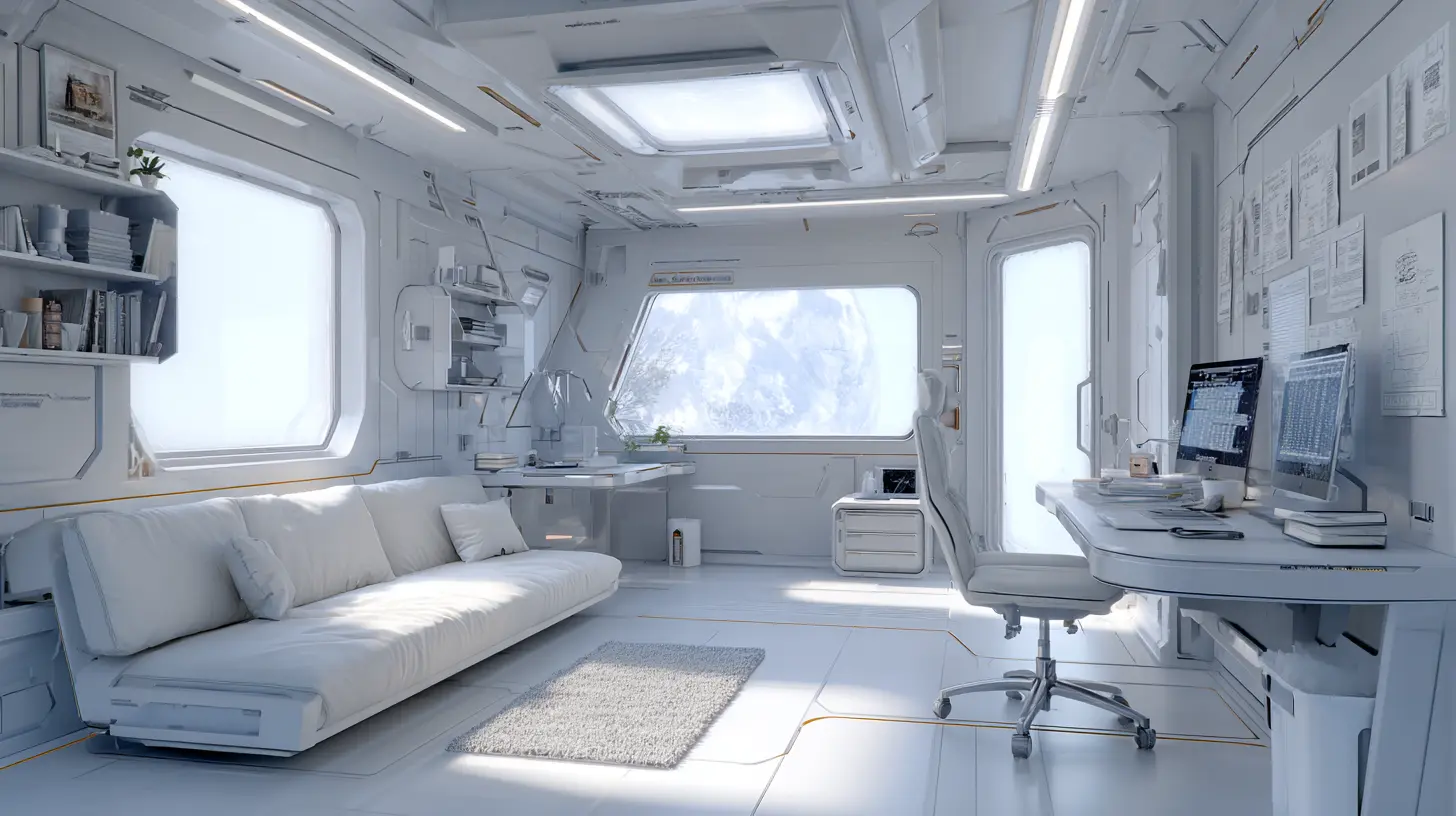
The Desk Dilemma: Why Your Kitchen Table Is a Time Bomb
First things first: your desk. I know, I know—you love that rickety IKEA table you assembled with tears and a missing Allen wrench. But in 2027, a flat surface just won’t cut it. We’re talking about a workspace that needs to handle multiple devices, adjustable heights, and maybe even built-in wireless charging. Why? Because the future is all about flexibility.Imagine this: you’re in the middle of a video call, and suddenly your back starts screaming. You need to stand up, but your desk is a fixed height. So you either awkwardly lean over your laptop like a flamingo or you end up working from the couch, which is a productivity black hole. The solution? A motorized standing desk that remembers your preferred heights for different tasks. But don’t stop there—look for desks with integrated cable management channels, USB-C hubs, and even a hidden compartment for your snacks. Yes, snacks. Future-proofing means embracing your inner raccoon.
Here’s a pro tip: consider a desk with a modular surface. You know, one that lets you swap out sections for a whiteboard, a monitor arm, or even a plant holder. Why a plant? Because biophilic design is huge in 2027. It’s not just about aesthetics; it’s about reducing stress and boosting creativity. Plus, your desk will outlive your next three laptops if you treat it right. Think of it as the foundation of your workspace—like the roots of a tree, but with less dirt and more RGB lighting.
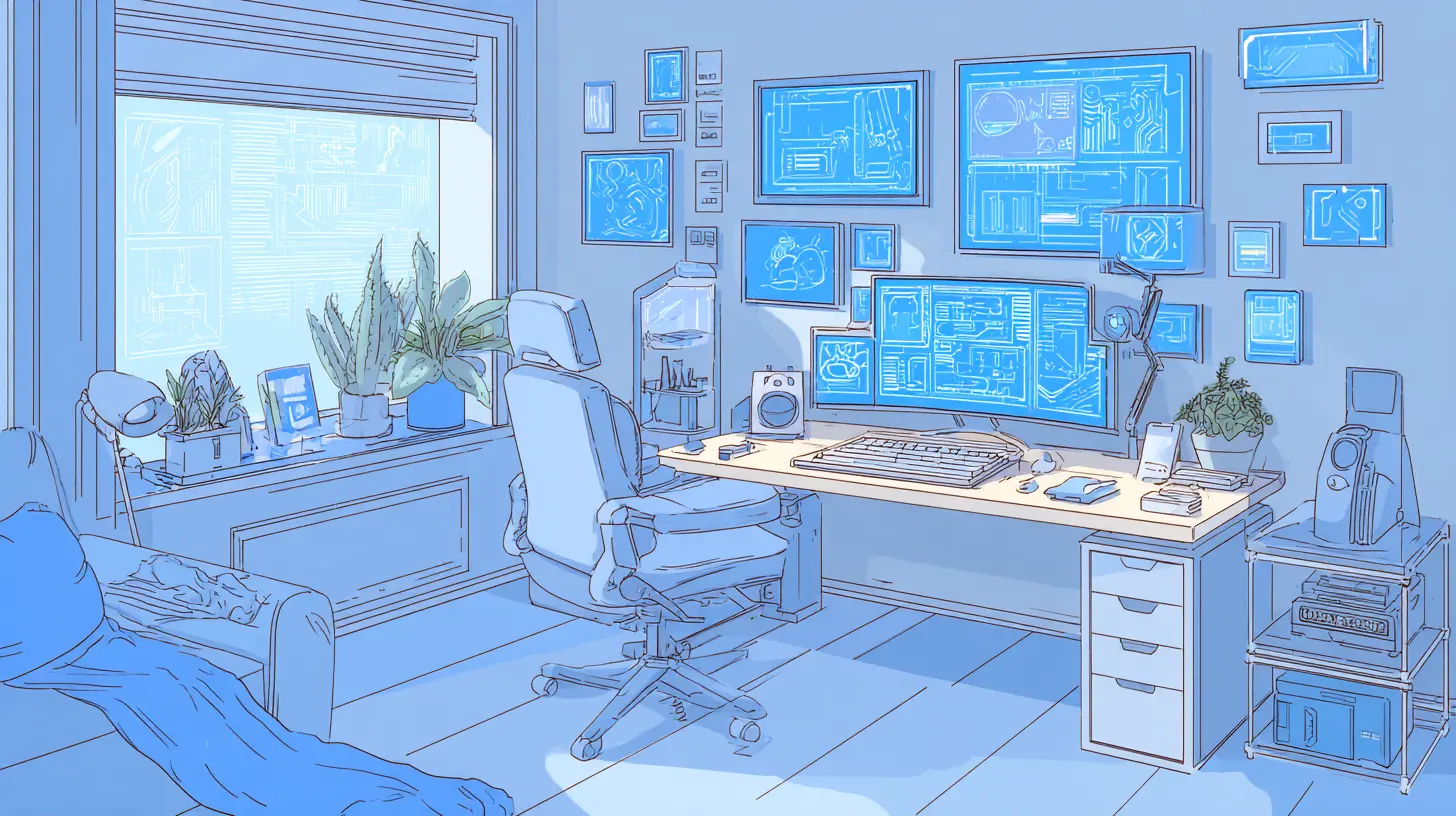
The Chair That Hugs Back: Ergonomics Meets AI
Let’s talk about the unsung hero of any home office: the chair. You might think any old office chair will do, but in 2027, chairs are about to get creepy-smart. We’re talking AI-powered lumbar support that adjusts in real-time based on your posture. Imagine sitting down, and the chair’s sensors detect that you’re slouching like a question mark. Suddenly, a gentle vibration reminds you to sit up straight, or the backrest automatically inflates to support your spine. It’s like having a personal yoga instructor, minus the judgment.But here’s the quirky part: some future chairs come with built-in heating and cooling elements. Why? Because your butt deserves climate control, too. Ever sat in a chair that’s so cold it makes you shiver, or so hot you feel like you’re on a beach in July? Yeah, that’s a problem. A chair with thermoregulation can keep you comfortable all day, which means fewer distractions and more focus. And let’s not forget the materials—look for breathable mesh, recycled fabrics, and modular armrests that can flip up for guitar practice or gaming sessions.
Now, I know what you’re thinking: “This sounds expensive.” And you’re not wrong. But think of it as an investment in your health. A bad chair can wreck your back, your mood, and your productivity. In 2027, the average work-from-home professional spends over 10 hours a day in their chair. That’s more time than you spend with your partner (sorry, honey). So, drop some cash on a chair that literally hugs you back. Your spine will thank you.
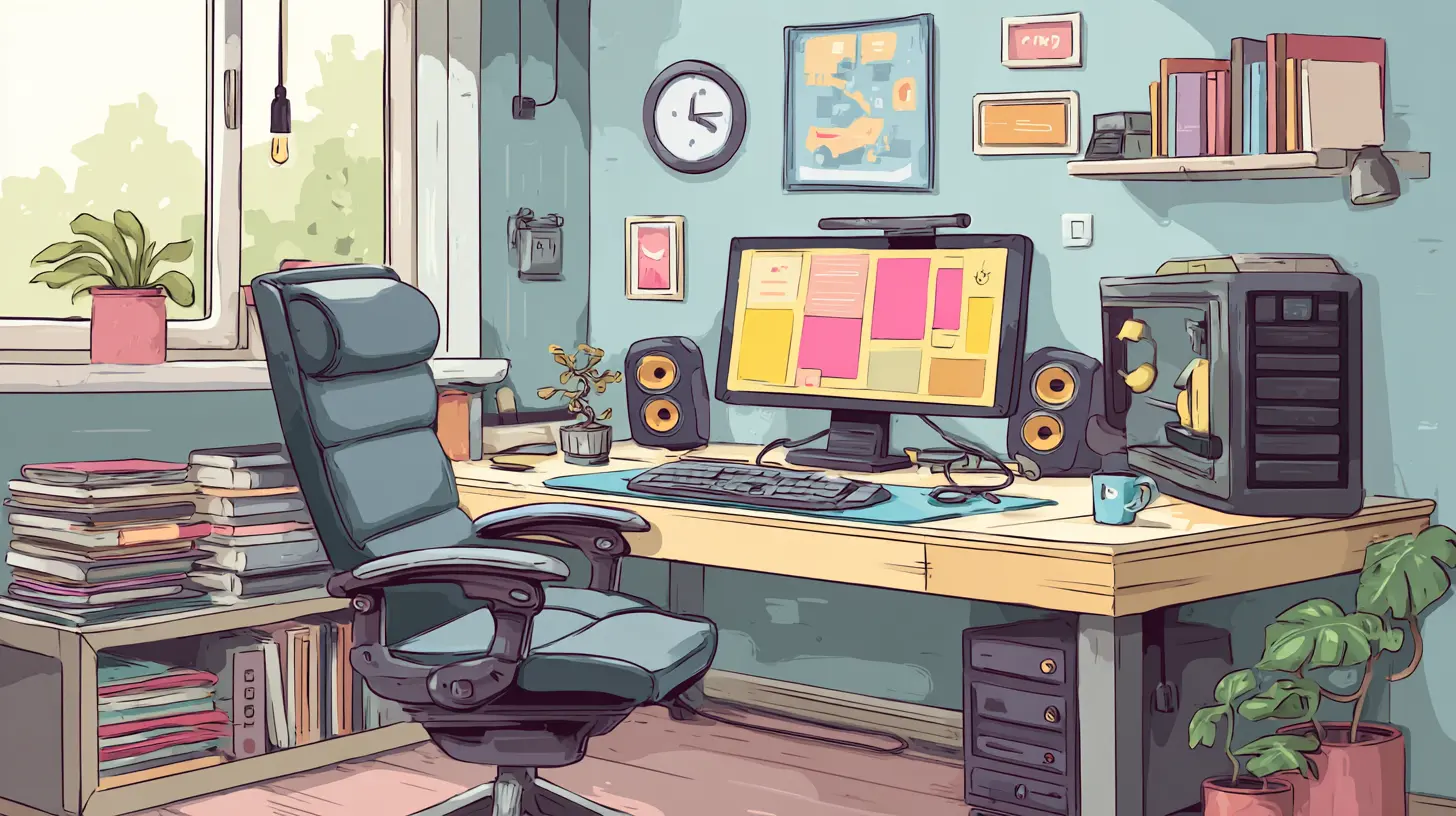
The Monitor Mashup: From 4K to Holographic
Remember when a 1080p monitor was considered high-end? Cute. In 2027, we’re talking about monitors that are more like portals to other dimensions. I’m not exaggerating. The future of displays includes ultra-wide curved screens, foldable OLED panels, and even holographic projectors that let you interact with 3D models using gesture controls. But don’t panic—you don’t need to sell a kidney to get started.Start with a high-resolution monitor that supports HDR and has a refresh rate of at least 120Hz. Why? Because your eyes will thank you after staring at spreadsheets for hours. But here’s the twist: consider a secondary display that’s actually a smart glass panel. You can mount it on your wall, and it doubles as a whiteboard, a calendar, or even a digital art frame when you’re not working. It’s like having a chameleon for a screen—adaptable and cool as heck.
And let’s talk about the future of input devices. By 2027, your keyboard might be a touch-sensitive surface that projects keys onto your desk, or it could be a haptic glove that lets you type by waving your hands. But if you’re like me and you love the satisfying click of mechanical keys, look for a keyboard with customizable switches and a built-in touchpad. Oh, and make sure it’s wireless. Cables are so 2023.
The Connectivity Conundrum: Why Your Wi-Fi Needs a Upgrade
Here’s a hard truth: your current Wi-Fi router is probably a bottleneck. In 2027, your home office will be a hub of devices—your computer, tablet, smart speaker, smart lights, and maybe even a robotic assistant that follows you around like a loyal golden retriever. All of these devices will fight for bandwidth like hungry pigeons at a park. If you’re still using a router from 2020, you’re going to have a bad time.The solution? Mesh Wi-Fi systems that blanket your home in a seamless signal. Think of it like having a team of tiny Wi-Fi fairies that follow you from room to room. But don’t stop there—invest in a Wi-Fi 7 router (yes, that’s a thing) that can handle multiple high-bandwidth streams simultaneously. And for the love of all that is holy, use wired Ethernet for your main workstation. It’s more reliable, faster, and doesn’t suffer from interference when your neighbor decides to stream 4K cat videos.
Oh, and let’s not forget about power. You’ll need a surge protector that’s smarter than your average brick. Look for one with USB-C ports, energy monitoring, and even a few outlets that can be controlled via an app. Why? Because future-proofing means being able to turn off your monitor from bed when you realize you left it on. Laziness is the mother of invention, people.
The Sound of Silence (and the Occasional Bird Chirp)
Noise is the silent killer of productivity. In 2027, your home office should be a sanctuary of sound, not a cacophony of lawnmowers, barking dogs, and your neighbor’s questionable taste in music. But here’s the thing: complete silence isn’t always great either. You need sound that helps you focus, not distract.Enter the world of adaptive noise-canceling headphones. But we’re not talking about the basic ones you see at the airport. We’re talking about headphones that use AI to analyze your environment and adjust the noise cancellation in real-time. For example, if a dog starts barking, the headphones automatically boost the cancellation. But if you’re in a quiet room, they can let in just enough ambient sound so you don’t feel like you’re in a sensory deprivation tank.
Alternatively, consider a smart speaker that doubles as a soundscape generator. You can program it to play binaural beats, white noise, or even the sound of a rainy forest. Why rain? Because science says it boosts creativity. Or maybe you prefer the hum of a spaceship engine. Hey, I don’t judge. The point is, your ears deserve a customized experience.
And let’s not forget about your microphone. In 2027, built-in laptop mics are basically useless. Invest in a beamforming microphone that filters out background noise and makes you sound like a radio host. Your colleagues will think you’re broadcasting from a professional studio, not a corner of your bedroom.
The Lighting That Thinks
Lighting is one of the most overlooked aspects of a home office. Most people just flip a switch and hope for the best. But in 2027, lighting is about to get a serious upgrade. We’re talking about smart bulbs that adjust their color temperature based on the time of day. In the morning, they emit a cool blue light that mimics sunlight, helping you wake up. In the evening, they shift to a warm amber glow that signals your brain to wind down. It’s like having a personal sunrise and sunset, minus the sand in your shoes.But here’s where it gets quirky: some smart lights can sync with your calendar. If you have a meeting at 2 PM, the lights automatically dim to a “focus mode” that reduces glare on your screen. If you’re on a break, they might shift to a “relax mode” with softer hues. And if you’re feeling adventurous, you can program them to flash rainbow colors when you hit a deadline. Why not? Life’s too short for boring lighting.
Don’t forget about task lighting either. A good desk lamp with adjustable brightness and a flexible neck can save your eyes from strain. Look for one with a built-in wireless charger base, so you can drop your phone on it and forget about cables. It’s the little things, you know?
The Storage Revolution: Digital Meets Physical
Clutter is the enemy of focus. But in 2027, storage isn’t just about hiding your junk in a drawer. It’s about integrating digital and physical organization in ways that feel almost magical. Imagine a desk that has a built-in scanner that automatically digitizes any document you place on it. Or a bookshelf that uses RFID tags to track your books and tells you exactly where they are when you need them. It’s like having a librarian in your home, but without the shushing.On the digital side, consider a NAS (Network Attached Storage) device that acts as your personal cloud. It stores all your files, backups, and even your media library. And because it’s local, you don’t have to worry about monthly subscription fees or someone snooping through your data. Pair it with a smart filing system that uses AI to sort your documents by project, date, or even mood. Yes, mood. Because sometimes you want to organize your files by “urgent” and “I’ll deal with this later.”
And let’s not forget about the physical stuff. Invest in modular shelving that can be reconfigured as your needs change. Use cable management boxes that look like stylish decor, not ugly plastic bins. And for the love of all that is ergonomic, get a document holder that props up your papers at eye level. Your neck will thank you.
The Human Element: Why You’re Still the Most Important Part
Here’s the thing: all the fancy gadgets in the world won’t save you if you don’t take care of yourself. A future-proof home office isn’t just about technology; it’s about creating a space that supports your well-being. That means incorporating breaks, movement, and even a bit of whimsy.Consider adding a small meditation corner with a yoga mat and a plant that’s impossible to kill (looking at you, snake plant). Or set up a mini-fridge stocked with healthy snacks and sparkling water. Why sparkling water? Because it feels fancy without the sugar crash. And don’t forget to schedule “digital detox” hours where you turn off all screens and just stare out the window. It’s not lazy; it’s brain maintenance.
Also, personalize your space. Hang up art that makes you smile, display a collection of weird knick-knacks, or even paint one wall a bright, obnoxious color. Why? Because your office should reflect your personality, not a sterile corporate catalog. In 2027, the most productive workspaces are the ones that feel human—quirky, imperfect, and full of life.
The Final Word: Your Office, Your Rules
So, there you have it. Building a future-proof home office in 2027 isn’t about chasing every trend or emptying your bank account. It’s about making smart, adaptable choices that let you work comfortably, creatively, and efficiently for years to come. Think of it as a living organism—it grows, evolves, and sometimes surprises you.Start with the basics: a good desk, a great chair, and a killer internet connection. Then layer in the tech that actually improves your life, not just your Instagram feed. And above all, remember that you’re the boss of this space. If you want a disco ball above your monitor, go for it. If you want a pet hamster in a tiny office wheel, who am I to stop you? The future is yours to design.
Now, go forth and build your dream office. And maybe send me a picture when you’re done. I’m genuinely curious.
all images in this post were generated using AI tools
Category:
Home Office TechAuthor:

Gabriel Sullivan
Discussion
rate this article
2 comments
Yvette Summers
In 2027, a future-proof home office isn't just about gadgets. It's about adaptability. Smart tech should evolve with your needs. Think modular furniture, energy-efficient setups, and seamless connectivity. Stay ahead by designing for flexibility, not just the latest trends.
July 7, 2026 at 4:39 AM
Gabriel Sullivan
You nailed it! A future-proof home office really does focus on adaptability and flexibility. It's all about creating a space that can grow with your needs. Great insights!
Tia Barnes
This article offers valuable insights into creating a home office that can adapt to future technological advancements. The suggestions on ergonomic furniture, versatile tech setups, and sustainable practices are particularly relevant. However, it could benefit from more emphasis on budget-friendly options for those looking to upgrade without overspending.
April 24, 2026 at 2:23 AM
Gabriel Sullivan
Thanks for the feedback! I appreciate your thoughts on adding budget-friendly options and will definitely consider that for future updates. Glad you found the insights useful!